
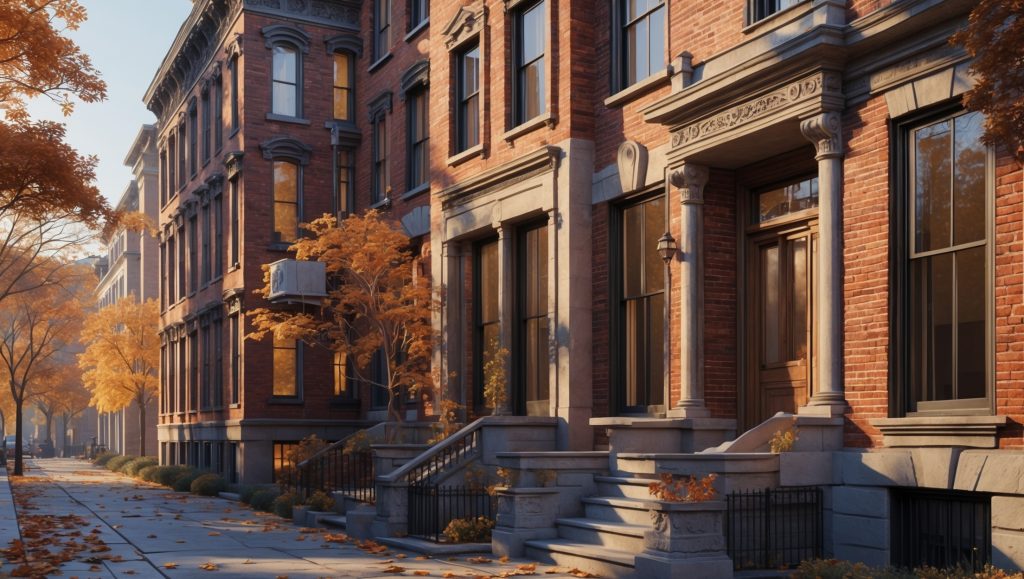
Introduction: The Unique Challenge of HVAC in Boston’s Historic Buildings
Boston’s landscape is dotted with historic gems—from elegant brownstones lining Beacon Hill to stately Victorian homes in Jamaica Plain and legacy commercial structures in the Financial District. These buildings are not just architectural treasures; they are living pieces of the city’s story. But with charm comes challenge, especially when it comes to heating, ventilation, and air conditioning. Modern comfort standards and energy efficiency expectations often clash with old-world construction, strict preservation codes, and delicate original features. How can Boston homeowners and property managers maintain or upgrade HVAC systems without sacrificing the unique character of these buildings? This comprehensive guide delivers actionable advice tailored for those tasked with protecting both comfort and history. We’ll examine the practicalities of maintenance, compliance nuances, upgrade strategies, and insider tips to ensure your historic property remains both comfortable and true to its roots.
Understanding the Structure: What Makes Historic Boston Buildings Unique?
Architectural Features That Impact HVAC
- Solid Masonry Walls: Thick brick or stone can hamper air flow and complicate ductwork installation.
- High Ceilings & Ornate Moldings: Affect air circulation and heat distribution.
- Original Windows & Doors: Often single-pane, contributing to drafts and affecting system sizing.
- Limited Mechanical Space: Basements, attics, and wall cavities may be tight or inaccessible.
These features require careful planning for any HVAC intervention. Retrofitting with minimal impact is an art—one that starts with a thorough understanding of the building’s bones.
Preservation and Local Compliance Concerns
- Boston Landmarks Commission: Many properties are under review or restrictions regarding exterior and structural changes.
- Energy Codes: Upgrades must meet current efficiency standards without damaging protected elements.
Before any work, check with your local historical commission and obtain necessary permits. Early consultation can prevent costly mistakes or delays.
Routine HVAC Maintenance: Best Practices for Historic Properties
Inspection Schedules: What to Check and When
- Seasonal System Checks: Schedule comprehensive inspections every spring and fall. Include boilers, radiators, ductwork, and any supplemental systems.
- Monthly Filter Changes: Even with older systems, modern pleated filters can often be retrofitted to improve air quality and protect equipment.
- Annual Chimney & Flue Cleaning: If your building uses a combustion-based heating system, regular cleaning is essential to prevent blockages and carbon monoxide hazards.
Preventive maintenance is especially critical in historic buildings, where deferred repairs can lead to expensive structural or aesthetic damage.
Protecting Original Features During Maintenance
- Use Non-Invasive Techniques: For duct cleaning or repair, employ flexible tools that don’t require opening up walls.
- Seal Work Areas: Use drop cloths and dust barriers to safeguard woodwork and plaster.
- Document & Photograph: Keep a visual log of original conditions before and after any intervention.
Upgrading HVAC Without Compromising Character
Retrofitting Options: Minimally Invasive Solutions
- Ductless Mini-Split Systems: Ideal for spaces lacking ductwork, these units offer efficient heating and cooling with only small wall penetrations.
- High-Velocity (Small Duct) Systems: Flexible, narrow ducts can be snaked through existing walls and ceilings, minimizing impact on historic finishes.
- Radiant Floor Heating: In some cases, radiant heating mats can be installed beneath flooring with little disturbance to original materials.
Always engage a contractor experienced in historic renovations. They can recommend systems compatible with your building’s needs and preservation rules.
Upgrading Controls for Modern Comfort
- Smart Thermostats: Many models now offer wireless sensors and remote control, reducing the need for disruptive wiring.
- Zoning: Divide the building into comfort zones (by floor or use) to optimize energy use and occupant comfort without overhauling the entire system.
Efficiency Improvements That Preserve Aesthetics
- Weatherstripping & Sealing: Upgrade doors and windows with removable, reversible weatherstripping to reduce drafts.
- Insulation Upgrades: Blow-in cellulose insulation can often be added to attics and walls without major disruption.
- Window Treatments: Heavy drapes or interior storm panels can improve comfort while preserving original glass.
Compliance and Permitting: Navigating Boston’s Requirements
When Is a Permit Required?
- Any new HVAC installation, major upgrade, or exterior modification will typically require a permit.
- Work affecting the facade or visible rooflines of landmarked properties usually requires review by the Boston Landmarks Commission or your local historic district board.
Tips for Smooth Approval
- Submit Detailed Plans: Provide drawings, photos, and detailed descriptions of proposed HVAC work, highlighting how historic elements will be preserved.
- Choose Discreet Equipment: Opt for low-profile condensers or roof-mounted units set back from the street, and use color-matched finishes.
- Consult Early: Engage with city officials and preservationists at the planning stage—not after work has begun.
Non-compliance can lead to fines and orders to remove or redo work, so diligence pays off.
Common Mistakes to Avoid with Historic HVAC Systems
- Oversizing Equipment: Bigger isn’t always better. Oversized systems short-cycle and fail to dehumidify properly.
- Ignoring Ventilation Needs: Airtight upgrades can create moisture and air quality issues if not paired with adequate ventilation.
- Cutting Into Historic Fabric: Never cut through decorative moldings, plaster medallions, or original masonry unless absolutely necessary—and only with professional oversight.
- Neglecting Maintenance: Deferred upkeep can lead to equipment failure and costly building damage.
Always weigh interventions against both short- and long-term impacts on the building’s value and historical significance.
Cost Considerations and Budgeting
What to Expect with Maintenance and Upgrades
Maintaining or upgrading HVAC in a historic Boston building typically comes with a premium. Here’s why:
- Labor: Specialized contractors familiar with preservation standards command higher rates.
- Equipment: Custom or low-profile systems may be necessary, adding to material costs.
- Permitting: Applications and compliance reviews require time and, sometimes, consulting fees.
- Access: Working in tight or delicate spaces can mean longer project timelines.
Budget for annual maintenance ($400–$900/year for basic boiler or furnace systems; more for complex setups), and expect HVAC upgrades to range from $7,000 to $20,000+ depending on system type and building complexity. Always include a 10–15% contingency for unforeseen issues.
Contractor Selection: Finding the Right Expert
Questions to Ask Before You Hire
- What experience do you have with historic buildings in Boston?
- Can you provide references for similar projects?
- Are you licensed and insured for work on landmarked properties?
- How do you protect original architectural features during installation or maintenance?
- How will you handle permitting and compliance documentation?
Always check reviews and credentials. A good contractor will collaborate with you and preservation authorities to ensure the best outcome for your building.
Case Example: Successful HVAC Upgrade in a Boston Brownstone
Consider the case of a 19th-century brownstone in Back Bay. The owners wanted central air but didn’t want to touch the ornate plasterwork or original hardwood floors. After an energy audit and consultation, they opted for a high-velocity mini-duct system, with ducts run discretely through closets and behind baseboards. The outdoor condenser was placed in a rear courtyard and painted to blend in. The project required coordination with the Boston Landmarks Commission and several weeks of planning, but the result was invisible climate control and preserved character. Energy bills decreased by 22%, and the property’s value increased.
Maintenance Checklist: Tasks for Historic Buildings
- Inspect boilers and radiators every heating season for corrosion or leaks.
- Test and replace carbon monoxide and smoke detectors annually.
- Clean or replace air filters monthly (if applicable).
- Examine attic and basement insulation for settling or pest activity each year.
- Schedule professional duct and chimney cleaning every 1–2 years.
- Check weatherstripping and caulking around windows and doors each fall.
- Review permits and compliance status before any upgrades or repairs.
Conclusion: Balancing Comfort, Preservation, and Efficiency
HVAC maintenance and upgrades in Boston’s historic buildings demand a specialized approach—one that respects the city’s architectural heritage while embracing modern standards of comfort and efficiency. By understanding your building’s unique features, adhering to local compliance requirements, and choosing minimally invasive solutions, you can maintain a comfortable indoor environment without compromising what makes your property unique. Regular maintenance, thoughtful upgrades, and early consultation with preservation authorities are your best tools for success.
Ultimately, preserving a historic structure is about stewardship. Each careful repair, each smart upgrade, contributes to the building’s ongoing story. Whether you’re a homeowner or a property manager, investing in specialized HVAC care will not only enhance your comfort but also safeguard your property’s value and legacy for generations to come. Boston’s architectural treasures deserve nothing less than a thoughtful, informed approach to HVAC—one that honors the past while providing all the comforts of the present.
What are some common issues homeowners run into when trying to retrofit air conditioning in buildings with ornate moldings and tight attic spaces? Any tips for troubleshooting airflow problems in these situations?
Homeowners often face challenges like limited space for ductwork, difficulty running lines without damaging detailed moldings, and restricted access in tight attics. These can lead to uneven cooling or poor airflow. To troubleshoot, check for blocked or undersized ducts, ensure vents aren’t obstructed by moldings, and consider high-velocity or ductless mini-split systems, which are less invasive. Sealing and insulating ducts in attics also helps improve airflow.
For owners of historic Boston homes with really limited wall and ceiling space, are there specific HVAC systems or retrofitting techniques that are less invasive but still effective? I’m curious if ductless mini-splits work well in places like Beacon Hill brownstones.
Ductless mini-split systems are a popular choice for historic Boston homes with limited wall and ceiling space, such as Beacon Hill brownstones. These systems require only small holes for refrigerant lines and don’t need bulky ductwork, making installation far less invasive. They’re effective for both heating and cooling and help preserve the home’s original architecture. Other options, like high-velocity HVAC systems using small, flexible ducts, can also work, but mini-splits are usually easier to install in tight, historic spaces.
How long does it typically take to plan and implement an HVAC system upgrade in a historic Boston property, considering the need for compliance reviews and potential constraints on access to structural elements?
Planning and implementing an HVAC upgrade in a historic Boston property can take anywhere from several months to a year. The exact timeline depends on factors like the complexity of the building, the extent of compliance reviews with preservation boards, and any constraints related to accessing or modifying structural elements. Early engagement with local authorities and specialists can help streamline the process.
For property managers trying to meet both energy codes and preservation restrictions, what are some typical obstacles with upgrading old single-pane windows without compromising the building’s character or compliance?
Upgrading old single-pane windows in historic buildings is tricky because energy codes often require better insulation, while preservation rules can limit changes to original materials and appearances. Property managers usually face obstacles like needing custom-made windows to match the original look, restrictions on replacing historic glass, and limited options for interior storm windows. Balancing efficiency improvements with strict preservation guidelines often requires creative solutions and close coordination with local historic commissions.
For historic buildings in Boston that have very little space for ductwork due to thick masonry walls and tight basements, are there specific ductless HVAC solutions you recommend that don’t impact original architecture?
For historic Boston buildings with limited space for ductwork, ductless mini-split systems are a great option. These systems require only small wall openings for refrigerant lines, so they won’t compromise original masonry or woodwork. You can also consider high-velocity mini-duct systems, which use flexible, narrow tubing to fit through tight spaces with minimal disruption to historic features.
Dealing with strict Boston Landmarks Commission guidelines, what are the typical steps to get HVAC upgrades approved for historic properties, and is there a usual wait time business owners should expect during the review process?
When upgrading HVAC systems in properties governed by the Boston Landmarks Commission, the general steps include submitting detailed plans that show minimal impact on the building’s historic features, attending a public hearing, and responding to any commission feedback. The review involves careful scrutiny, so business owners should typically expect a wait time of several weeks to a few months, depending on project complexity and commission meeting schedules.
If a property manager starts to notice uneven heating, especially in rooms with high ornate ceilings, what are some practical troubleshooting steps to take before calling in a specialist? Could this be caused by the unique airflow issues mentioned in the article?
Uneven heating in rooms with high ornate ceilings can definitely be linked to unique airflow issues, as the article describes. Before calling a specialist, try checking that all vents and radiators are unobstructed and clean, ensure windows and doors are properly sealed, and see if furniture is blocking airflow. Using ceiling fans on a low setting can help circulate warm air downward. If these steps don’t resolve the issue, a more in-depth assessment may be needed.
Could you go into more detail about navigating Boston Landmarks Commission restrictions? For example, are there recommended HVAC systems or installation techniques that typically get approved for historic properties?
Navigating Boston Landmarks Commission restrictions often means choosing HVAC systems that minimize visual and structural impact. Ductless mini-split systems and high-velocity mini-duct systems are typically favored because they require less invasive installation. Techniques like using existing chases, concealing equipment in attics or basements, and carefully routing lines can also help. It’s best to consult with both an HVAC specialist experienced in historic properties and your local preservation planner before submitting your application for approval.
What’s the typical cost difference between a minimally invasive retrofit versus a traditional HVAC replacement in a building with solid masonry walls and limited mechanical space? I’m trying to figure out what to budget for my brownstone.
In brownstones with solid masonry walls and tight mechanical spaces, a minimally invasive HVAC retrofit typically costs 20–40% more upfront than a standard replacement due to specialized labor and compact equipment. For Boston, a traditional system might run $15,000–$25,000, while retrofits can range from $20,000–$35,000 or more. However, retrofits often reduce long-term disruption and preserve historic features, which can save restoration costs down the line.
When it comes to maintaining single-pane original windows, do you recommend any particular strategies for reducing drafts and improving HVAC efficiency without replacing the historic windows entirely?
To reduce drafts and boost HVAC efficiency while keeping original single-pane windows, consider weatherstripping and caulking gaps around the frames. Adding interior or exterior storm windows can also help without altering the window’s historic look. Heavy drapes or insulating blinds provide extra insulation during colder months. These strategies help improve comfort and efficiency without compromising the building’s character.
If someone is managing a Victorian home in Jamaica Plain and notices uneven heating due to the high ceilings and ornate moldings, what troubleshooting steps would you recommend before considering a full HVAC overhaul?
For a Victorian home with high ceilings and ornate moldings, start by checking that all vents and radiators are unobstructed and clean. Make sure doors and windows are properly sealed to prevent drafts. Adjust or balance dampers if your system has them, and try using ceiling fans set to push warm air down. If possible, have a technician check the thermostat placement and system controls to ensure even distribution. These steps might resolve uneven heating without needing a major upgrade.
If a property manager discovers drafts and uneven heat but isn’t ready to commit to a full system overhaul, what interim maintenance steps or adjustments would you recommend to best preserve comfort in these older buildings?
To address drafts and uneven heating without a major overhaul, start by sealing gaps around windows, doors, and baseboards with weatherstripping or caulk. Make sure radiators or vents aren’t blocked by furniture. Bleeding radiators to release trapped air can help balance heat. You might also consider adding window insulation film during colder months and using heavy curtains at night. Regularly changing or cleaning filters in the existing system can further improve comfort and efficiency.
What are some of the unexpected challenges homeowners might encounter when trying to improve air circulation in brownstones with high ceilings and ornate moldings, and how can these be addressed without major structural changes?
Homeowners often find that brownstones with high ceilings and ornate moldings can create air circulation issues due to uneven airflow, drafts, and blocked vents caused by decorative features. To address this without major structural changes, consider using reversible ceiling fans to push warm air down in winter and pull it up in summer, installing discreet ductless mini-split systems, and making sure furniture or drapes aren’t blocking vents. Consulting with HVAC professionals experienced in historic homes can help you find solutions that maintain your home’s character.
Does the Boston Landmarks Commission only restrict changes to the exterior, or do their rules also apply to interior work like adding ductwork or mini-splits? How can I find out what’s actually allowed for my property?
The Boston Landmarks Commission usually focuses on exterior changes visible from public ways, but some landmarked or historic district properties have interior restrictions too, especially if the interior has been designated. To know exactly what applies to your building, check your property’s designation report or contact the Commission directly. They can clarify specific rules and guide you through any necessary application process for interior HVAC work.
If we’ve already had issues with poor air circulation because of high ceilings and ornate moldings, are there specific troubleshooting tips or regular maintenance practices that can help improve airflow before we consider a full system upgrade?
Absolutely, there are a few steps you can try before considering a full system upgrade. Regularly clean or replace air filters, ensure vents and returns aren’t blocked by furnishings or moldings, and have ductwork checked for leaks or blockages. Using fans to help circulate air can also be effective in rooms with high ceilings. Scheduling routine professional maintenance helps identify airflow issues early and keeps your system working efficiently.
If a property falls under Boston Landmarks Commission restrictions, what are some practical steps you recommend for ensuring compliance when planning HVAC updates? Any key mistakes you see people make that create headaches during inspections?
When your property is under Boston Landmarks Commission oversight, always start by reviewing their specific guidelines and seeking approval before any HVAC work begins. It’s important to document your plans, use reversible installation methods when possible, and avoid altering historic features without permission. A common mistake is installing exterior equipment or running visible ductwork without approval, which can delay inspections or trigger costly revisions.
If a building has really ornate moldings and high ceilings, what’s the best way to ensure even heat distribution without damaging any decorative features? Would things like ceiling fans or ductless mini-split systems help in those cases?
For historic buildings with ornate moldings and high ceilings, ductless mini-split systems are a great option because they require minimal structural changes and don’t interfere with decorative features. Ceiling fans can also help by circulating warm air downward, making the space feel more evenly heated. Both solutions are non-invasive and preserve the character of your building while improving comfort.
I noticed a mention of strict preservation codes from organizations like the Boston Landmarks Commission. What are the most common compliance issues that homeowners run into when upgrading HVAC systems in these historic properties?
Homeowners often face challenges like restrictions on visible exterior equipment, such as outdoor condenser units or vents that could alter a building’s historic appearance. Ductwork placement is another issue, as it can require invasive work that threatens original features. Gaining approval for any visible changes from the Boston Landmarks Commission can be time-consuming, so planning early and choosing less intrusive HVAC options—like mini-splits or high-velocity systems—can help ensure compliance.
If limited attic and basement space makes installing traditional ductwork tricky, what alternative heating and cooling systems have worked well in historic Boston houses?
In historic Boston homes with limited attic or basement space, ductless mini-split systems have proven very effective for heating and cooling. These systems require only small wall-mounted units and thin refrigerant lines, minimizing disruption to historic features. High-velocity mini-duct systems are another option, using flexible, narrow tubing that can be run through existing walls or ceilings without major renovations.
Our building in the Back Bay has those thick masonry walls you mentioned, and we’ve struggled to find HVAC options that don’t disrupt the original interior finishes. Do you have specific suggestions for systems or installation techniques that minimize damage to ornate moldings and plasterwork?
For historic buildings with ornate interiors, consider high-velocity mini-duct systems or ductless mini-splits. High-velocity systems use flexible, small-diameter ducts that can be snaked through existing wall cavities with minimal disruption to plaster or moldings. Ductless mini-split systems require only small openings for lines and can be mounted discreetly on walls or ceilings, preserving interior details. It’s also worth consulting an HVAC specialist with experience in historic properties for tailored solutions.
For someone managing a historic property near Beacon Hill, how can you balance the city’s preservation codes with modern energy efficiency requirements? Are there certain upgrades or changes that are more likely to get approved by the Boston Landmarks Commission?
Balancing preservation codes with energy efficiency in Beacon Hill usually means focusing on upgrades that retain historic features. The Boston Landmarks Commission often approves reversible changes like interior insulation, high-efficiency HVAC systems that use existing ducts, and discreet window treatments. Avoid altering visible exterior elements unless absolutely necessary. Early consultation with the Commission and using historically appropriate materials also helps the approval process for energy-efficient upgrades.
If a property manager encounters persistent drafts due to original windows and doors, are there recommended troubleshooting steps or interim fixes before committing to a full HVAC overhaul in a historic building?
Yes, there are several interim fixes you can try before opting for a full HVAC overhaul. Weatherstripping doors and windows, using draft stoppers, and adding thermal curtains can help reduce drafts while preserving historic features. Check for gaps around frames and use removable caulking for a temporary seal. These measures can improve comfort and energy efficiency without altering the building’s character.
For those managing commercial properties in the Financial District, how long do typical HVAC retrofits take when factoring in both city review processes and the constraints imposed by historic construction details?
For commercial properties in Boston’s Financial District, HVAC retrofits in historic buildings typically take anywhere from several weeks to a few months. The timeline depends on the complexity of the building, city permitting and historic review processes, and any unexpected challenges with integrating modern systems into older structures. It’s wise to plan for additional time to navigate approvals and accommodate careful installation around historic features.
I own a small brownstone in Beacon Hill and have been told the thick masonry walls make standard HVAC installation tricky. Are there specific types of systems or ductwork you recommend for these older Boston buildings that minimize damage to the original structure?
For brownstones like yours with thick masonry walls, mini-split ductless systems are often a good choice because they require minimal interior alterations and no large ductwork. High-velocity small-duct systems are also popular in historic Boston homes, as their flexible tubing can be threaded through existing spaces with little impact on the building’s character. Consulting an HVAC specialist familiar with historic properties can help ensure the right fit for your building.
I’m curious about budgeting—do you have any estimates on how much more it typically costs to retrofit HVAC systems in historic Boston properties compared to newer buildings because of the special design considerations and compliance requirements?
Retrofitting HVAC systems in historic Boston properties usually costs 20% to 50% more than in newer buildings. This increase comes from the need for custom solutions, extra planning to preserve architectural features, and meeting strict preservation and code requirements. Actual costs vary depending on the building’s condition, system type, and extent of modifications needed, so getting estimates from experienced contractors is wise.
For owners of single-pane window properties, what would be the most budget-friendly step to improve HVAC performance before considering a full system upgrade?
For single-pane windows in historic properties, the most budget-friendly step is to use weatherstripping or window insulation film. These options help reduce drafts and heat loss, making your HVAC system more efficient without major alterations or high costs. They’re simple to install and maintain the building’s character while improving comfort.
For property managers on a tight budget, what are the most cost-effective first steps to improve comfort in historic Boston homes before committing to a full HVAC overhaul?
For property managers working within a tight budget, start by sealing drafts around windows and doors to improve comfort and reduce energy loss. Regularly clean or replace air filters and ensure vents aren’t blocked by furniture. Installing programmable thermostats can also help maintain consistent temperatures efficiently. These low-cost measures can make a noticeable difference before investing in a full HVAC upgrade.
We have an office in a Beacon Hill brownstone and the biggest challenge for us is improving air flow without damaging original moldings or walls. Do you have suggestions for specific HVAC technologies or solutions that work well in spaces with limited mechanical room and a need to preserve historic details?
For historic brownstones like yours, consider high-velocity mini-duct systems. These use flexible, small-diameter ducts that can be installed with minimal impact to existing walls and moldings. Another option is ductless mini-split systems, which require only small wall penetrations and no major ductwork. Both solutions are ideal for limited mechanical space and help preserve your building’s original features.
When dealing with a historic Boston home that has very limited attic and basement access, what are some effective HVAC solutions that avoid major structural alterations but still improve comfort and efficiency?
For homes with limited attic and basement access, ductless mini-split systems are a strong option since they require minimal interior disruption and no bulky ductwork. High-velocity systems with flexible tubing can also fit into tight spaces within walls and ceilings. Both options improve comfort and efficiency while preserving your home’s historic features. Consulting an HVAC professional with experience in historic properties can help tailor the solution to your home’s unique structure.
For Boston homes with original single-pane windows that are drafty, what are some HVAC strategies or system types that work well without requiring the replacement of those historic windows?
For homes with original single-pane windows, consider high-efficiency boilers or ductless mini-split heat pumps, as they provide targeted heating and cooling with minimal changes to the building’s structure. You can also use radiant floor heating, which helps maintain comfort despite drafts. Weatherstripping around windows and using heavy curtains can further reduce heat loss, letting your HVAC system work more efficiently without replacing historic windows.
If someone starts noticing inconsistent heating in rooms with high ceilings and ornate moldings, are there troubleshooting steps you suggest before committing to a full HVAC overhaul?
Absolutely, before considering a full HVAC overhaul, there are a few troubleshooting steps you can try. First, check that all vents are open and unobstructed, especially since ornate moldings can sometimes block airflow. Inspect filters and replace them if they’re dirty. Make sure thermostats are functioning properly and located away from drafts or direct sunlight. Additionally, ceiling fans on a low setting can help circulate warm air downward in rooms with high ceilings. These steps might resolve the inconsistency without major upgrades.
You mention that original single-pane windows affect HVAC system sizing. Are there specific adjustments or technologies you would recommend to compensate, especially if replacing the windows isn’t allowed under preservation codes?
When original single-pane windows must remain, you can compensate by using high-efficiency HVAC systems with variable speed motors and zoning controls to better manage temperature fluctuations. Interior storm windows or thermal window inserts can add insulation without altering the exterior. Also, ensuring thorough air sealing and adding insulation in walls and ceilings will help reduce heat loss, making the HVAC system more effective without changing the building’s character.
If original windows and doors are causing drafts, is it more effective to focus on weatherizing them first or on upgrading the HVAC system? I want to get the most comfort for the investment without affecting the building’s historic appearance.
Weatherizing original windows and doors is generally the best first step. Adding weatherstripping, caulking, or interior storm windows can significantly reduce drafts without altering the building’s historic appearance. This approach is often more cost-effective and less invasive than HVAC upgrades, and it helps your existing system work more efficiently. If comfort issues persist after weatherizing, then consider HVAC improvements suited for historic properties.
For owners on a tight renovation budget, are there specific HVAC maintenance strategies that provide the most benefit without requiring major upgrades or invasive installation in places with limited mechanical space?
For owners with limited budgets and space, focus on routine maintenance like changing filters regularly, keeping vents and ductwork clean, and scheduling seasonal inspections. Sealing windows and doors can help retain conditioned air without new equipment. Also, consider programmable thermostats for improved efficiency. These steps maintain comfort and system longevity without major upgrades or invasive work.
I’m trying to upgrade the HVAC in my old brick rowhouse, but the walls are super thick and there’s barely any room for ducts. Are there specific types of ductless or mini-split systems that work best in situations with limited mechanical space?
In homes like your old brick rowhouse with thick walls and limited space, ductless mini-split systems are a great option. These systems use compact indoor units connected to an outdoor compressor via small refrigerant lines, so they require minimal wall penetration. Look for slim or low-profile mini-split models, which are designed for tight spaces and historic settings. Ceiling cassette or wall-mounted units are popular choices and don’t require bulky ductwork.
You mention the need to comply with Boston Landmarks Commission restrictions when upgrading HVAC. Could you elaborate on what kinds of HVAC upgrades or exterior work typically get approved versus those that face pushback from the commission?
The Boston Landmarks Commission generally approves HVAC upgrades that have minimal visual impact on a building’s historic exterior. For example, interior ductless mini-split systems or concealed ductwork are often favored. Exterior work like installing large condensers or visible rooftop units can face pushback, especially if they alter the building’s appearance or historic features. To improve approval chances, it’s best to keep equipment hidden or use existing architectural openings when possible.
What kind of timeframe should a homeowner expect if planning a full HVAC system upgrade in a legacy commercial building with solid masonry walls? Are there typical delays or permitting issues that come up in Boston?
For a full HVAC upgrade in a legacy commercial building with solid masonry walls, expect the project to take several weeks to a few months, depending on system complexity and building size. Delays often occur due to permitting, historical preservation approvals, and the challenges of working within older structures, especially when routing ductwork through masonry. In Boston, coordinating with historic commissions and securing permits can add extra time, so early planning is important.
How do you recommend homeowners deal with the draftiness caused by original single-pane windows when balancing energy efficiency upgrades and preservation rules in Beacon Hill brownstones?
To address draftiness in Beacon Hill brownstones while respecting preservation rules, consider using interior storm windows or removable acrylic panels. These solutions improve insulation without altering the historic character of the original windows. Weatherstripping is another reversible option that seals gaps but doesn’t damage existing frames. Always check with local historic commissions before making changes to ensure compliance with preservation guidelines.
You mentioned that historic Boston buildings often have limited mechanical space like tight basements and attics. What are some practical HVAC solutions or technologies that work well in these space-restricted environments without damaging original features?
In space-restricted historic Boston buildings, ductless mini-split systems are often a practical HVAC solution because they require minimal interior alterations and no bulky ductwork. High-velocity mini-duct systems are another good option, using small, flexible tubing that can weave through existing walls and ceilings. Both options provide efficient heating and cooling while preserving the building’s original architectural features.
For historic buildings in Boston with thick masonry walls and limited mechanical space, are there specific HVAC system types or brands that work better with these constraints, or does it always require a fully custom solution?
For historic Boston buildings with thick masonry walls and tight mechanical spaces, certain HVAC options can work well without full customization. High-velocity mini-duct systems and ductless mini-splits are both popular choices since they require less invasive installation and minimal ductwork. While some adaptation is often necessary, complete custom solutions aren’t always required—many established brands offer specialized systems designed for older, space-constrained structures.
If a homeowner notices uneven heating in different rooms due to high ceilings and old radiators, are there practical tweaks or add-ons that can help with heat distribution, or is a full system overhaul usually needed in these old Boston buildings?
Uneven heating in older Boston homes with high ceilings and old radiators is quite common, but a complete system overhaul is not always necessary. Practical solutions include installing ceiling fans to circulate warm air, adding radiator reflectors behind units, balancing your radiator system, or using thermostatic radiator valves for better control. These tweaks can often improve comfort without major renovations.
For historic buildings with single-pane original windows, would you suggest prioritizing window restoration or adjusting the HVAC system first to address drafts and sizing issues?
If drafts and HVAC sizing issues are a concern, it’s often best to address window restoration first. Restoring or weatherizing original windows can significantly reduce drafts and improve insulation, which in turn helps your HVAC system work more efficiently. Once the windows are restored, you can better assess the building’s actual heating and cooling needs and adjust or size the HVAC system accordingly.
If original masonry walls make it hard to add new ductwork, what options are best for ensuring even heat distribution throughout high-ceiling rooms?
When ductwork isn’t practical in historic buildings with masonry walls, options like high-velocity mini-duct systems or ductless mini-split units work well. High-velocity systems use flexible, small-diameter ducts that fit around existing structures and deliver even heating. Mini-splits can be strategically placed for balanced temperature control without impacting the building’s character. Both options are efficient and minimally invasive.
The article mentions complying with Boston Landmarks Commission restrictions. How disruptive is the approval process when you just want to upgrade or maintain your existing HVAC, and what paperwork should I expect to deal with?
Upgrading or maintaining HVAC in a landmarked Boston building does require approval from the Landmarks Commission, but the process is usually straightforward for routine maintenance or in-kind replacements. For upgrades that change equipment size, placement, or visible components, you’ll likely need to submit an application, photos, equipment specs, and sometimes architectural drawings. Minor work may be approved quickly, while visible alterations can take longer. It’s best to contact the commission early to clarify requirements for your specific project.
Could you share specific tips for balancing compliance with Boston Landmarks Commission rules and achieving substantial energy efficiency improvements during an HVAC upgrade in a Victorian-era building?
To balance Boston Landmarks Commission rules with energy efficiency in a Victorian-era building, focus on interior upgrades that don’t alter visible historic features. Use high-efficiency systems like ductless mini-splits, and insulate ductwork or pipes discreetly. Consider programmable thermostats and variable-speed fans for better control without changing aesthetics. Always consult the Commission early in planning to ensure any exterior unit placements or venting solutions meet their guidelines.
Our basement is really cramped and doesn’t have much room for extra equipment. Are there budget-friendly HVAC solutions that work well in tight spaces commonly found in older Boston homes?
Older Boston homes often have limited space, so ductless mini-split systems are a practical and budget-friendly HVAC option. They don’t require bulky ductwork and can be installed in small areas. High-velocity systems with flexible, narrow tubing are also effective in tight spots. Both options are efficient, preserve your space, and usually involve less invasive installation.
The article mentions that thick masonry walls can complicate ductwork installation. How do professionals usually overcome this challenge without damaging original features like ornate moldings or historical plasterwork?
Professionals often use minimally invasive methods, like running ductwork through existing chases or unused spaces such as attics or basements. They may also opt for high-velocity or mini-duct systems, which require much smaller openings. This approach helps avoid disturbing ornate moldings and historical plasterwork, preserving the building’s original features while still upgrading the HVAC system.
If a property manager suspects that an old HVAC system is underperforming due to high ceilings and ornate moldings, what initial troubleshooting steps would you recommend before calling in a specialist?
First, check that all vents and registers are unobstructed and fully open, especially around decorative moldings. Ensure air filters are clean and replaced if dirty, as clogged filters often reduce system efficiency. Verify that thermostats are set correctly and working. Look for any obvious drafts or air leaks near windows and doors. These basic checks can help pinpoint minor issues before you consider professional help.
Could you clarify any timeframes involved in getting approval from the Boston Landmarks Commission for HVAC upgrades? I am wondering how long the process might delay a planned renovation for my property.
The Boston Landmarks Commission typically takes 4 to 8 weeks to review and approve HVAC upgrade applications, though this can vary based on project complexity and meeting schedules. It’s a good idea to submit your application as early as possible and be prepared to provide detailed plans. Delays can happen if additional information is requested or if your project is scheduled for review at a later meeting.
About how long does a typical HVAC upgrade or installation take in one of these older Boston buildings, considering the extra planning and compliance steps involved with preservation codes?
In older Boston buildings, an HVAC upgrade or installation usually takes between two to four weeks. The extra time is needed for planning, securing permits, and ensuring all work aligns with preservation codes. Complex layouts and the need to preserve historic features can sometimes extend the timeline, but clear communication with contractors and local authorities can help keep the process on track.
For someone managing a legacy commercial building in the Financial District, what kind of maintenance schedule would you recommend to balance system efficiency without risking damage to original architectural features like ornate moldings or single-pane windows?
For legacy commercial buildings, quarterly inspections are ideal to monitor HVAC performance while protecting historic features. Schedule filter changes and gentle system cleaning every three months. Have a technician check for drafts or leaks near moldings and windows, and avoid intrusive ductwork or condensate drain cleaning near original materials. Annual professional assessments help spot any issues early, ensuring efficient operation and preservation of your building’s unique details.
When working within the restrictions of the Boston Landmarks Commission, how do homeowners usually balance necessary HVAC upgrades for energy efficiency with the requirements to keep original windows and doors intact?
Homeowners often balance these needs by opting for less invasive HVAC solutions, such as high-velocity mini-duct systems or ductless mini-splits, which require minimal alterations to the building. They may improve efficiency by adding interior storm windows or weatherstripping, instead of replacing historic windows and doors. Consulting early with the Boston Landmarks Commission helps ensure any upgrades meet preservation guidelines while improving comfort and energy efficiency.
When retrofitting HVAC systems in older homes with original single-pane windows and high ceilings, what are some practical steps to avoid drafts and uneven heating, without replacing those historic windows?
To minimize drafts and uneven heating in older homes without replacing the historic windows, consider adding interior storm windows or using thermal curtains to improve insulation. Sealing gaps around windows and doors with weatherstripping can also help. Additionally, using ceiling fans to circulate air and installing programmable thermostats or zoning controls lets you better manage temperatures in rooms with high ceilings.
Could you explain a bit more about how limited mechanical space in historic brownstones impacts the cost and complexity of HVAC retrofits? Are there certain solutions that tend to be more budget-friendly for owners of these smaller, older properties?
Limited mechanical space in historic brownstones often means HVAC components must be smaller or custom-fitted, which can increase both cost and installation complexity. Running new ductwork or piping without altering historic features is also challenging, sometimes requiring more labor and specialized materials. Budget-friendly solutions often include ductless mini-split systems or high-velocity mini-duct systems, as they require less invasive installation and can fit within tight spaces while preserving the building’s character.
I’m curious about navigating the Boston Landmarks Commission’s rules when upgrading HVAC in a Beacon Hill brownstone. How much flexibility do owners usually have, especially if they’d like to add insulation or new venting for efficiency?
Owners in Beacon Hill must follow the Boston Landmarks Commission guidelines, which prioritize preserving a building’s exterior and visible historic features. Changes like adding insulation inside walls or upgrading HVAC equipment are usually allowed as long as they don’t alter the architectural character. However, installing new exterior vents or visible ductwork can be more restricted. It’s best to propose solutions that are discreet or hidden and consult with the Commission early in the planning process to understand what will be permitted.
How should I budget for ongoing HVAC upkeep in legacy commercial properties compared to a newer building? Are there unexpected recurring costs for historic structures because of their unique features?
When budgeting for HVAC upkeep in historic commercial properties, plan for higher routine maintenance costs than you would for newer buildings. Older systems often need specialized parts and technicians familiar with legacy equipment. Unique features—like original ductwork or limited space for new components—can lead to extra expenses for custom repairs. Also, be prepared for more frequent inspections to comply with preservation guidelines and to address issues before they affect the building’s character.
Our brownstone has original single-pane windows and thick masonry walls, just like you described. If we don’t want to lose the historic windows, are there HVAC solutions that work well with these drafty features without needing a complete window replacement?
Absolutely, you have several options that respect your historic windows. High-efficiency ductless mini-split systems are popular for older buildings because they’re easy to retrofit and target specific rooms. You might also consider upgrading insulation where possible, using heavy drapes, or adding interior storm windows to reduce drafts. These solutions can improve comfort without replacing your original windows and help maintain your brownstone’s historic charm.
If a historic building owner notices uneven heating or cooling due to thick brick walls, what are the recommended next steps before deciding on a major HVAC system overhaul?
Before considering a major HVAC overhaul, it’s wise to start with a professional energy audit to assess how the thick brick walls are impacting airflow and temperature distribution. You might also explore options like zoning systems, ductless mini-splits, or upgrading insulation in a way that doesn’t alter the building’s character. These steps can often resolve uneven heating or cooling without invasive changes.
For those working with Beacon Hill brownstones, how do you balance necessary HVAC upgrades with the preservation commission’s restrictions, especially when dealing with solid masonry walls that make ductwork almost impossible? Are there favored solutions that insulation contractors or HVAC specialists have found most successful here?
In Beacon Hill brownstones, mini-split ductless systems are often the preferred option since they require minimal wall penetration and preserve historic features. High-velocity, small-duct systems can also work, as they use flexible tubing that can be routed through existing cavities. For insulation, contractors frequently recommend interior wall insulation or window treatments to improve efficiency while respecting preservation guidelines.
When trying to upgrade HVAC in an old brownstone while keeping the original windows, are there strategies that help maximize energy efficiency without having to fully replace those historic single-pane windows?
Absolutely, you have several options to boost energy efficiency without replacing your historic windows. Consider installing interior storm windows, which add insulation and are often reversible. Weatherstripping around sashes and frames can help seal drafts. Heavy curtains or thermal window treatments also reduce heat loss. Together, these upgrades help maintain comfort and efficiency while preserving the original window character.
If a homeowner wants to improve their HVAC without replacing original windows and doors—even though they’re drafty—what strategies or products could help boost energy efficiency while still preserving those parts of the building?
Homeowners can improve HVAC efficiency without replacing original windows and doors by using weatherstripping or caulking to seal gaps and drafts. Adding interior storm windows is another option—they’re removable and don’t alter the historic look. Heavy curtains or thermal blinds can also help reduce heat loss. These measures help maintain comfort while preserving the authentic character of your historic home.
With all the local preservation rules from the Boston Landmarks Commission, what are the most common mistakes homeowners make when trying to get HVAC work approved in historic buildings?
One common mistake is submitting incomplete documentation, such as lacking detailed plans or photos showing the proposed HVAC changes. Homeowners also often overlook requirements for preserving original architectural elements or try to install visible exterior units without proper screening. Not consulting with the Landmarks Commission early in the process can also delay approval or force redesigns. It’s important to carefully follow all application steps and consult guidelines before starting.
Could you provide more detail about the maintenance side of things? For homeowners who are not planning a major upgrade but just want to keep their old HVAC working efficiently, what should regular upkeep look like considering the unique structure of these buildings?
For historic Boston homes, regular HVAC upkeep is especially important. Change or clean filters every 1-3 months to maintain airflow. Check vents and radiators to ensure they’re not blocked by period features or furniture. Schedule annual professional inspections to catch wear or inefficiencies early. Also, monitor humidity levels, as older buildings can be sensitive to moisture. If possible, gently clean ducts and coils, but avoid invasive cleaning that could disturb original features.
The article talks about how original single-pane windows affect airflow and HVAC sizing. Are there temporary or reversible solutions to improve energy efficiency in these windows that won’t violate historic preservation codes?
Yes, there are temporary and reversible solutions to improve energy efficiency for original single-pane windows in historic buildings. Options include using interior storm windows, which can be installed without altering the existing frames, or applying removable window films that add insulation. Heavy thermal curtains or cellular shades can also help reduce heat loss. These methods generally comply with historic preservation codes because they don’t permanently change the window’s appearance or structure.
When upgrading my Victorian building in Jamaica Plain, how can I balance the Boston Landmarks Commission’s exterior restrictions with the need for improved energy efficiency? Are there upgrade strategies that work well with single-pane windows and thick masonry?
To balance the Boston Landmarks Commission’s restrictions with energy efficiency needs, consider interior storm windows that preserve the historic exterior while improving insulation. Use high-efficiency HVAC systems with minimal visible outdoor components, and explore air sealing methods that don’t affect the building’s facade. For thick masonry, look into gentle insulation upgrades on interior walls, ensuring vapor permeability to avoid moisture issues. These strategies can help maintain your building’s character and meet efficiency goals.
For property managers who need to keep tenants comfortable during peak seasons, what are the best first steps you recommend before starting any HVAC upgrade in a historic building?
Before starting any HVAC upgrade in a historic building, begin by having a detailed assessment of the existing system and the building’s historic features. Consult with both an HVAC specialist experienced in historic properties and a preservation expert to identify any restrictions or important elements to protect. Also, check local regulations or guidelines for work in historic buildings, and communicate plans with tenants to ensure everyone is prepared for any temporary changes during the upgrade process.
If someone is experiencing uneven temperatures in a historic property with high ceilings and ornate features, what troubleshooting steps would you suggest before considering a full HVAC overhaul?
For uneven temperatures in historic spaces, first check if vents or radiators are blocked by furniture or decor. Make sure registers and grilles are open and unobstructed. Clean or replace air filters and look for drafts around windows or doors. Ceiling fans can help circulate air in rooms with high ceilings. If your HVAC system has zoning, verify that thermostats are working correctly. Addressing these smaller issues often improves comfort without major renovations.
If limited attic or basement space makes traditional HVAC installations tough, are there specific alternative systems or technologies you’d recommend that won’t compromise the character of these historic builds?
When space is limited in attics or basements, consider high-velocity mini-duct systems or ductless mini-split systems. Both options require minimal alterations to the structure and can be installed discreetly to preserve the building’s historic character. High-velocity systems use flexible, small-diameter ducts, while mini-splits need only small wall openings and no ductwork at all.
You mentioned that original windows and doors often create drafts and affect system sizing. Are there specific HVAC maintenance strategies that help address these inefficiencies without replacing the historic windows?
Yes, there are maintenance strategies that can help address drafts from original windows and doors. Regularly inspecting and sealing gaps with weatherstripping or caulk can reduce air leaks without altering historic features. Keeping filters and ductwork clean improves system efficiency, compensating for minor inefficiencies. Also, balancing the HVAC system and adjusting airflow can help distribute conditioned air more evenly, making the space more comfortable without replacing historic elements.
What’s the average timeline property managers should expect when upgrading HVAC systems in buildings under Boston Landmarks Commission review? Do the compliance hurdles cause major delays compared to non-historic properties?
When upgrading HVAC systems in properties under Boston Landmarks Commission review, property managers should typically expect the process to take several months. The review and approval phase can add anywhere from 2 to 6 months, depending on the complexity of the project and the commission’s meeting schedule. Compliance requirements often do cause notable delays compared to non-historic properties, mainly because proposals must meet strict preservation guidelines and may require multiple revisions before approval.
For commercial properties in the Financial District with limited access to basements and attics, what are some first steps or quick wins for improving HVAC performance without extensive structural changes?
For commercial properties with limited access to basements and attics, start by ensuring that air filters are changed regularly and that vents are clear of obstructions. Have a professional check and calibrate thermostats to optimize efficiency. Also, consider sealing any visible air leaks around windows and doors, as this can improve performance quickly without major modifications.
I own a Victorian home in Jamaica Plain, and the original single-pane windows create drafts that make sizing a new HVAC system tricky. What strategies do you recommend to address this issue without replacing the historic windows?
Single-pane windows in historic homes can definitely make HVAC sizing more challenging. To minimize drafts without replacing your windows, consider adding interior storm windows or custom-fitted acrylic panels—they can improve insulation while preserving the original look. Also, sealing any gaps with weatherstripping and using heavy drapes during colder months can help. These measures allow you to maintain comfort and may enable a more appropriately sized HVAC system.
Could you clarify how the Boston Landmarks Commission’s restrictions affect something simple like upgrading insulation or replacing old windows as part of an HVAC upgrade? I’m wondering what’s usually allowed versus what’s off-limits.
The Boston Landmarks Commission places restrictions on visible changes to historic buildings, especially on features like windows and facades. Upgrading insulation inside walls is generally allowed, as it isn’t visible from the exterior. However, replacing old windows can be tricky—original windows often must be repaired rather than replaced, or any replacements must closely match the originals in appearance and materials. It’s best to consult with the Commission before starting, as specific allowances depend on the building’s landmark status and location.