
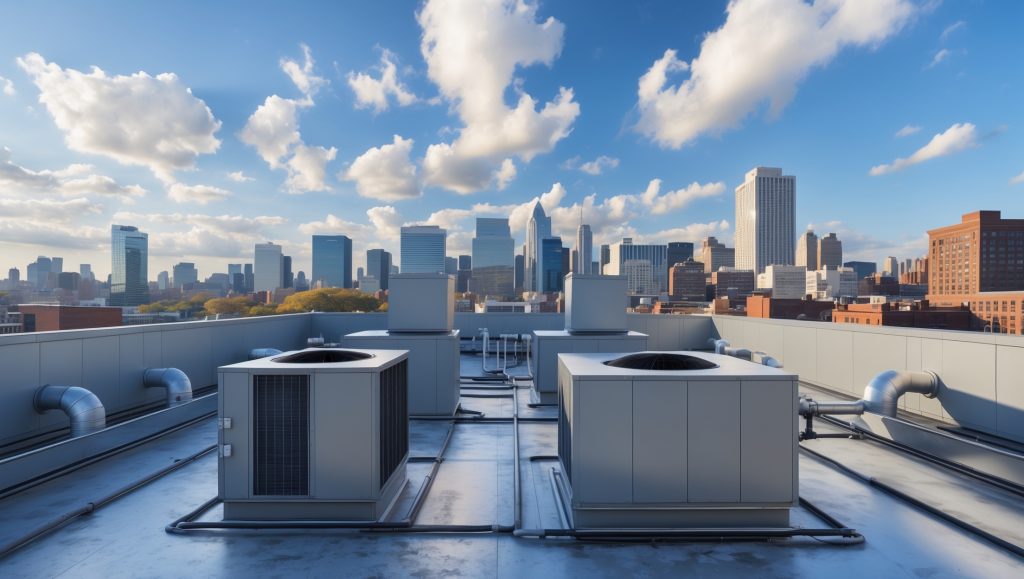
Introduction: Why HVAC Upgrades Matter for Boston Businesses
Boston’s diverse business landscape—ranging from historic offices and modern tech hubs to bustling restaurants and retail spaces—faces unique challenges when it comes to indoor comfort and energy efficiency. With rising energy costs, strict local codes, and the city’s notorious climate swings, many Boston businesses are considering HVAC upgrades to slash operational costs, improve occupant comfort, and future-proof their properties. But which upgrades actually deliver measurable returns? How does the investment stack up in real-world scenarios, and what pitfalls should you avoid?
In this in-depth guide, we’ll walk through actual case studies of Boston businesses that have invested in HVAC upgrades. We’ll break down the costs, the technologies chosen, and—most importantly—the Return on Investment (ROI) over time. Whether you manage a commercial office, own a small retail store, or oversee a multi-tenant property, you’ll find actionable insights to help you make informed decisions about upgrading your HVAC systems in Boston’s demanding climate.
Section 1: The Business Case for HVAC Upgrades in Boston
Boston’s Unique Commercial Landscape
Boston’s architectural heritage means many commercial buildings are older and less energy-efficient than their suburban counterparts. Add in the city’s hot, humid summers and frigid, windy winters, and you have a recipe for high energy bills and frequent comfort complaints. Meanwhile, local energy codes and incentives are encouraging (and sometimes requiring) upgrades to modern, efficient HVAC systems.
Benefits Beyond the Utility Bill
- Reduced Operating Costs: Energy savings from high-efficiency systems and smart controls.
- Improved Indoor Air Quality: Advanced filtration and ventilation support occupant health and productivity.
- Regulatory Compliance: Meeting or exceeding Boston’s energy codes and greenhouse gas reduction goals.
- Tenant Retention and Satisfaction: Comfortable, reliable climate control is a major factor for lease renewals.
- Property Value Increase: Modern HVAC infrastructure is a selling point for potential buyers and tenants.
Section 2: Key Types of Commercial HVAC Upgrades
High-Efficiency Rooftop Units (RTUs)
Replacing aging rooftop units with high-SEER models can cut energy consumption by 25–40%. Modern RTUs also feature variable speed compressors and improved controls for better temperature regulation and part-load efficiency.
Building Automation and Smart Controls
Adding digital thermostats, occupancy sensors, and networked controls enables precise scheduling and remote management. These upgrades often pay for themselves within 2–4 years through reduced energy waste and better demand response.
Advanced Ventilation Systems
Energy Recovery Ventilators (ERVs) and Demand-Controlled Ventilation (DCV) systems optimize outdoor air intake based on occupancy and air quality, reducing unnecessary heating/cooling load.
Variable Refrigerant Flow (VRF) Systems
VRF technology allows simultaneous heating and cooling in different zones—ideal for multi-tenant or mixed-use Boston buildings. While the upfront cost is higher, VRF systems are highly efficient and flexible.
Duct Sealing and Insulation
Leaky or uninsulated ductwork can waste up to 30% of conditioned air. Professional sealing and insulation can be a low-cost, high-impact upgrade.
Section 3: Boston Case Studies—Real-World Upgrades and Results
Case Study 1: Downtown Office Tower—Smart Controls and RTU Replacement
- Building: 10-story, 120,000 sq ft, constructed in 1972
- HVAC Upgrade: Replaced all rooftop units (12 total) with high-efficiency models; installed a building automation system (BAS) for smart scheduling and remote monitoring.
- Costs: $420,000 (equipment and installation); $60,000 (BAS and sensors)
- Incentives: $95,000 utility rebate from Mass Save
- Results (Year 1):
- Annual energy savings: 27%
- Average monthly utility bill reduction: $2,950
- Fewer occupant comfort complaints
- ROI (after incentives): 6.4 years
Case Study 2: Back Bay Restaurant—ERV and Demand-Controlled Ventilation
- Building: 4,000 sq ft historic brownstone
- HVAC Upgrade: Installed an energy recovery ventilator (ERV); implemented demand-controlled ventilation tied to CO2 sensors in dining areas and kitchen.
- Costs: $34,000 (installed)
- Incentives: $6,700 from city energy efficiency program
- Results (Year 1):
- Annual energy savings: 18%
- Improved indoor air quality and kitchen comfort
- ROI (after incentives): 4.1 years
Case Study 3: Seaport Retail Plaza—Duct Sealing and Insulation
- Building: 15,000 sq ft multi-tenant
- HVAC Upgrade: Comprehensive duct sealing and insulation in all tenant spaces; minor control upgrades.
- Costs: $21,500
- Incentives: $5,000 Mass Save grant
- Results (Year 1):
- Annual energy savings: 13%
- Improved temperature consistency across spaces
- ROI (after incentives): 2.8 years
Case Study 4: South Boston Tech Startup—VRF System Retrofit
- Building: 8,500 sq ft converted warehouse, mixed-use zones
- HVAC Upgrade: Installed VRF system with zoning for open offices, server room, and meeting spaces
- Costs: $98,000 (installed)
- Incentives: $20,000 utility rebate
- Results (Year 1):
- Annual energy savings: 31%
- Precise temperature control in each zone
- ROI (after incentives): 6.2 years
Section 4: Calculating ROI—What Boston Businesses Need to Know
Key ROI Factors
- Upfront Costs: Equipment, design, permitting, and installation.
- Incentives: Rebates from Mass Save, Boston local programs, and federal tax credits.
- Annual Savings: Utility bill reductions, fewer service calls, and potential insurance discounts.
- Lifespan: Modern systems last 15–25 years with proper maintenance.
ROI Calculation Example
If a business invests $100,000 in upgrades, receives $25,000 in incentives, and saves $12,000 annually on energy costs:
- Net investment: $75,000
- Simple ROI: $75,000 / $12,000 = 6.25 years
- Additional benefits: Reduced downtime, improved tenant satisfaction, and increased property value often add further unquantified ROI.
Payback Period Benchmarks
- Simple duct upgrades: 1.5–3 years
- Smart controls and automation: 2–4 years
- High-efficiency RTUs: 5–8 years
- VRF or major retrofits: 6–10 years (often offset by significant comfort and flexibility gains)
Section 5: Practical Steps for Planning Your Upgrade
1. Schedule an Energy Audit
Start by requesting a commercial energy audit from a Boston-based HVAC contractor or through the Mass Save program. The audit will reveal inefficiencies and prioritize actions based on your building’s unique needs.
2. Set Clear Business Goals
- Is your priority reducing costs, improving air quality, or enhancing tenant satisfaction?
- Do you have upcoming lease renewals or property sales?
- Are there compliance deadlines or incentives due to expire?
3. Compare Upgrade Options
- Ask for detailed, itemized quotes from at least three local contractors.
- Request projected energy savings, maintenance impacts, and available incentives for each option.
- Calculate payback periods using conservative energy cost estimates and factoring in potential utility rate increases.
4. Plan for Minimal Disruption
Coordinate upgrades during off-peak business hours, shoulder seasons, or tenant turnovers to minimize impact on operations and revenue.
5. Track Results After Installation
- Monitor monthly energy bills and comfort complaints.
- Schedule regular maintenance to preserve efficiency and warranty coverage.
- Document ROI to support future capital improvement decisions and insurance negotiations.
Section 6: Local Incentives, Rebates, and Financing Options
Mass Save Commercial Rebates
The Mass Save program offers significant rebates for high-efficiency HVAC equipment, advanced controls, duct sealing, and custom projects. Eligibility depends on your utility provider and project scope. Engage your contractor early to handle paperwork and maximize your rebate.
Boston City Initiatives
Boston’s Building Emissions Reduction and Disclosure Ordinance (BERDO) and Green Ribbon Commission offer guidance, grants, and technical assistance for commercial properties making energy upgrades.
Federal Tax Credits and Deductions
The federal Section 179D deduction allows commercial property owners to write off a portion of qualifying HVAC upgrades. Consult your tax advisor for current details.
Financing and PACE Programs
Property Assessed Clean Energy (PACE) financing enables low-interest, long-term loans for energy efficiency projects, repaid through property taxes. This is especially useful for large-scale retrofits where capital reserves are limited.
Section 7: Common Pitfalls and How to Avoid Them
- Skipping the Audit: Upgrading without a professional assessment often leads to overspending or addressing the wrong issues.
- Underestimating Installation Complexity: Older Boston buildings may have access, electrical, or code challenges that demand experienced installers.
- Ignoring Maintenance: Even the most efficient system fails to deliver ROI if filters, controls, and moving parts aren’t serviced regularly.
- Not Applying for Incentives Early: Rebates often require pre-approval or specific documentation—don’t leave money on the table.
- Focusing Solely on Upfront Cost: Prioritize total cost of ownership and projected savings instead of the cheapest proposal.
Conclusion: Making the Smart Choice for Your Boston Property
Commercial HVAC upgrades are one of the most impactful investments Boston business owners and property managers can make. As we’ve seen from local case studies, the right upgrades—tailored to building needs and supported by available incentives—can yield significant energy savings, improved comfort, regulatory compliance, and enhanced property value. The ROI is not just measured in lower utility bills, but in happier tenants, easier lease renewals, and a competitive edge in Boston’s market.
Before you embark on your upgrade journey, arm yourself with data: request an energy audit, consult multiple contractors, and dig into available rebates. Don’t be swayed by flashy technology that doesn’t align with your building’s actual needs. Instead, focus on proven strategies—like duct sealing, smart controls, and high-efficiency equipment—that are delivering real-world results across Boston’s commercial sector.
Remember, every building and business is unique. Consider not just the payback period, but also the operational resilience, air quality, and marketability that modern HVAC systems can provide. By learning from the experiences of other Boston businesses and leveraging local resources, you’ll be well positioned to make upgrades that pay dividends for years to come.
Ready to start? Reach out to a trusted Boston HVAC professional today and take the first step toward a more efficient, comfortable, and profitable property.
Could you expand on any hidden pitfalls Boston businesses encountered during their HVAC upgrades, such as unexpected permitting delays or supply chain issues, and how those were resolved in the case studies?
Certainly. In the case studies, several Boston businesses faced surprise permitting delays due to evolving city regulations and paperwork requirements. These were resolved by engaging local permit specialists early in the planning process. Supply chain issues, especially for specific HVAC components, also caused setbacks. Companies mitigated these by working with multiple suppliers and allowing extra lead time in project schedules. These proactive steps helped minimize disruptions and kept their upgrades on track.
As someone running a family-owned retail shop in a historic Boston building, I’m curious how much downtime we might face during an HVAC upgrade. Did any of the case studies mention how businesses managed their operations while the systems were being installed?
Several of the case studies discussed strategies to minimize disruption during HVAC upgrades, especially in older Boston buildings like yours. Most businesses scheduled work during off-hours or slower periods, allowing them to stay open with only minor interruptions. In many cases, downtime was limited to just a few hours or a single day, depending on the complexity of the installation. Advanced planning and clear communication with the contractor were key to keeping operations running smoothly.
I’m new to commercial building management and wondering how much of a difference advanced filtration and ventilation actually make when it comes to improving indoor air quality in a busy office? Are there tangible productivity or health benefits you’ve seen in the Boston case studies?
Advanced filtration and ventilation systems made a noticeable impact in the Boston case studies discussed. Upgraded systems led to improved air quality, which correlated with fewer reported sick days and better staff comfort. Some businesses even observed an uptick in productivity, as employees felt more alert and experienced fewer allergy or respiratory complaints. Investing in these upgrades provided both health and measurable business benefits in busy office environments.
The article mentions incentives and local energy codes in Boston. Can you provide more information on which specific rebates or grant programs had the biggest impact on ROI for the businesses featured in your case studies?
In the case studies, Mass Save incentives had the most significant impact on ROI for Boston businesses. These included rebates for high-efficiency HVAC equipment upgrades and custom incentives based on projected energy savings. Some businesses also benefited from local grant programs aimed at carbon reduction. The combination of upfront rebates and ongoing energy savings was key to achieving strong returns on their HVAC investments.
Do you break down the differences in ROI between advanced smart controls versus basic high-efficiency HVAC systems in the article? I’m curious which made the most impact for local businesses.
The article compares the ROI of advanced smart controls and basic high-efficiency HVAC systems by highlighting specific case studies from Boston businesses. It shows that while both upgrades deliver savings, businesses that implemented smart controls generally saw a higher and faster ROI due to improved system optimization and energy use monitoring. The examples suggest smart controls had the most significant impact on long-term cost reductions for local companies.
You mentioned Boston’s strict local codes and incentives for HVAC upgrades. Can you clarify which incentives are currently available for commercial properties, and how much those usually impact the overall upfront investment?
Currently, commercial properties in Boston can benefit from Mass Save incentives, which often provide rebates for upgrading to energy-efficient HVAC systems. These rebates can cover a significant portion of upfront costs—sometimes between 15% and 40%, depending on project specifics and equipment chosen. Additionally, there may be local tax credits or low-interest financing options available. It’s best to check with Mass Save or your utility provider for the most up-to-date program details, as incentives can change year to year.
For business owners concerned about regulatory compliance, can you clarify how recent changes in Boston’s local energy codes impacted the HVAC upgrade decisions highlighted in your article?
Recent changes in Boston’s local energy codes, especially regarding efficiency standards and emissions reductions, directly influenced the HVAC upgrade choices discussed in the article. Businesses had to select systems that not only reduced energy use but also met stricter compliance requirements. This led many to invest in higher-efficiency equipment and advanced controls, ensuring both regulatory adherence and improved long-term ROI. Several case studies specifically referenced these updated codes as key factors in their decision-making process.
What’s a realistic timeframe for seeing a return on investment after upgrading to a modern HVAC system in a mid-sized office building downtown? Are there unexpected costs that usually affect this timeline?
For a mid-sized office building in downtown Boston, businesses typically start seeing a return on investment (ROI) from modern HVAC upgrades within 3 to 7 years. Factors like building size, energy usage, and system type play a role. Unexpected costs that may impact this timeframe include electrical upgrades, ductwork modifications, or downtime during installation. It’s a good idea to budget a bit extra for these potential surprises.
I’m curious about the timeline involved. For one of the case studies, how long did it take from the decision to upgrade until the new HVAC system was fully up and running? Were there any disruptions to business during the install?
In one of the featured case studies, the process from the decision to upgrade to having the new HVAC system fully operational took about three weeks. Most of the installation was scheduled during off-peak business hours to minimize disruptions. While there were brief periods when certain areas were unavailable, the business was able to remain open throughout the upgrade with minimal interruption to daily operations.
How long did it typically take the featured businesses in your case studies to see measurable reductions in energy bills after their HVAC upgrades, especially given Boston’s climate fluctuations?
Most businesses highlighted in the article began noticing measurable reductions in their energy bills within the first one to three billing cycles after completing their HVAC upgrades. Despite Boston’s variable climate, the improved systems adjusted efficiently to seasonal changes, allowing for consistent savings throughout the year. Some businesses experienced peak benefits during extreme weather months, but overall, positive results were evident fairly quickly.
For businesses facing both high energy bills and frequent comfort complaints, is it better to focus first on upgrading to a modern HVAC system or to address building insulation and efficiency issues before replacing equipment? Any insight from your Boston examples would be helpful.
From our Boston case studies, businesses achieved the best results by first improving building insulation and addressing efficiency issues. Upgrading insulation often reduced the building’s overall energy demand, which then allowed them to select a right-sized HVAC system—sometimes a smaller, less expensive one. After addressing the building envelope, upgrading to a modern HVAC system delivered greater comfort and lower operating costs. Tackling insulation first generally led to a better return on investment and more satisfied occupants.
Since a lot of Boston’s commercial buildings are older, what are some challenges or pitfalls businesses ran into during their upgrade process? I’d like to know what unexpected costs or issues came up, based on your case studies.
Older commercial buildings in Boston often faced challenges like outdated electrical systems that needed upgrading to support new HVAC units, which added to project costs. Asbestos or other hazardous materials were sometimes discovered during installation, requiring specialized removal. Space constraints in historic buildings made equipment placement tricky, leading to custom solutions. Some businesses also encountered delays getting permits or meeting current energy codes, so it’s wise to budget extra time and funds for these potential issues.
If a business wants to stay compliant with Boston’s evolving energy codes, what are some common pitfalls during the upgrade process that could end up increasing costs or causing delays?
Some common pitfalls include not consulting with code experts early, overlooking required permits, and choosing equipment that doesn’t meet Boston’s latest energy efficiency standards. Businesses also sometimes underestimate the time needed for inspections or fail to coordinate with utilities for necessary upgrades. To avoid extra costs or delays, involve local HVAC professionals familiar with Boston codes from the start and double-check all compliance steps before beginning installation.
When comparing smart controls versus traditional high-efficiency HVAC systems, did your research indicate which option delivers better occupant comfort or energy savings in Boston’s climate swings?
Our research found that smart controls tend to deliver better occupant comfort and greater energy savings, especially during Boston’s significant climate swings. Smart systems automatically adjust settings in real time based on occupancy and outdoor conditions, maintaining consistent comfort and optimizing energy use beyond what traditional high-efficiency systems can achieve, which generally operate on fixed schedules or manual controls.
Regarding local incentives you referenced, are there any specific programs in Boston that help offset upfront HVAC upgrade costs for small businesses, or are those primarily geared toward larger commercial properties?
Boston offers several incentive programs that are open to both small and large businesses. For example, Mass Save provides rebates and financing options for energy-efficient HVAC upgrades, and many small businesses qualify. While some incentives may be larger for bigger properties due to scale, there are definitely options tailored to help small businesses with upfront costs. It’s a good idea to contact Mass Save directly to discuss your specific situation and eligibility.
When evaluating the HVAC upgrades for multi-tenant properties mentioned in the article, how did the costs and payback periods compare to upgrades in stand-alone office spaces or smaller retail stores?
Multi-tenant properties generally had higher upfront costs for HVAC upgrades due to their size and complexity, as described in the article. However, these properties also saw shorter payback periods compared to stand-alone office spaces and smaller retail stores. This was mainly because energy savings were greater when spread across multiple tenants, resulting in a faster return on investment overall.
For a small retail store owner in Boston, are there particular HVAC technologies or solutions that seem to offer the best balance between energy efficiency and keeping initial expenses manageable?
For a small retail store in Boston, packaged rooftop units with high-efficiency ratings or ductless mini-split systems often provide a good mix of energy savings and reasonable upfront costs. Smart thermostats are another cost-effective upgrade, helping you better control energy use. These technologies typically deliver noticeable efficiency improvements without the high installation expenses of larger, more complex systems.
Did any of the businesses surveyed face issues with occupant comfort or air quality immediately after installing new systems, perhaps due to unfamiliarity with smart controls or advanced filtration? Were there any lessons learned about onboarding staff or tenants to use the new systems properly?
Yes, some businesses initially experienced minor issues with occupant comfort and air quality right after the new HVAC systems were installed. These were mostly related to unfamiliarity with smart controls and getting used to updated filtration features. The main lesson learned was the importance of thorough onboarding—providing detailed training sessions for staff and tenants significantly improved the proper use and adjustment of the new systems, helping everyone adapt quickly and avoid ongoing issues.
Do you have examples in your case studies where small retail stores saw a faster ROI compared to larger offices? I want to know if the investment is really worth it for a smaller square footage in Boston.
Yes, in the article we highlight a case study involving a small retail store in Boston that achieved a noticeably faster ROI compared to larger office buildings. The store benefited from lower upfront costs and immediate energy savings, leading to payback in just under three years. This demonstrates that HVAC upgrades can be especially worthwhile for smaller spaces, due to quicker returns and ongoing utility savings.
I run a small retail shop downtown and energy bills have gone up recently. Out of the HVAC improvements mentioned, which one made the most noticeable difference in occupant comfort and customer experience, based on your case studies?
Upgrading to a modern, high-efficiency HVAC system with smart controls made the most noticeable difference in occupant comfort and customer experience in our case studies. Businesses reported more consistent indoor temperatures and better air quality, which customers appreciated. Smart thermostats also helped staff maintain comfort without manual adjustments, all while helping to lower ongoing energy costs.
I’m starting to look into HVAC upgrades for my small retail shop in Boston, but I’m not sure how the initial investment compares to the actual savings over time. Could you share more about what the payback period usually looks like in these case studies?
In the case studies from the article, most small businesses in Boston saw a payback period for HVAC upgrades ranging from 3 to 6 years. This means that the energy savings and operational efficiencies typically covered the initial investment within that timeframe. Factors like the size of your shop, current system efficiency, and the type of upgrade can affect your exact payback period, but most retailers found noticeable savings on utility bills right away.
Can you give more detail on what kinds of HVAC technologies Boston businesses are actually choosing, like do most go for heat pumps or something else in those historic buildings?
Boston businesses, especially those in historic buildings, tend to choose HVAC technologies that balance energy efficiency with the constraints of older structures. Many opt for high-efficiency heat pumps and variable refrigerant flow (VRF) systems, since these are easier to retrofit without major renovations. In some cases, hybrid systems that combine traditional boilers with modern heat pumps are also popular, as they allow for gradual upgrades and maintain interior aesthetics.
Could you provide more details on how quickly Boston businesses typically see ROI after investing in high-efficiency HVAC upgrades, especially given the city’s extreme weather swings?
Boston businesses generally start seeing a return on investment from high-efficiency HVAC upgrades within 2 to 5 years. The city’s wide temperature fluctuations mean heating and cooling costs are significant, so energy savings often show up quickly, especially during peak seasons. Exact timelines can vary depending on system size, building type, and usage patterns, but most local case studies report noticeable reductions in utility bills within the first year.
Are there any particular local incentives or rebate programs in Boston that significantly improved the ROI in your examples? If so, how complicated was the application process for those incentives for the businesses featured?
Yes, several of the businesses featured benefited from local incentives and rebate programs, notably those offered by Mass Save. These programs provided substantial rebates for energy-efficient upgrades, which helped improve the ROI. The application process was generally straightforward, involving an initial energy assessment followed by submitting documentation for approval. Most businesses found the process manageable, especially with guidance from their HVAC contractors or the program administrators.
Could you share more details on the types of HVAC technologies that performed best in reducing energy costs for older historic buildings versus modern tech offices in Boston?
In historic Boston buildings, high-efficiency boilers, variable refrigerant flow (VRF) systems, and retrofitting with smart thermostats were most effective for reducing energy costs, as they can adapt to older infrastructure. In contrast, modern tech offices saw the best results with advanced building automation systems, energy recovery ventilators, and rooftop units with demand control ventilation, which optimize energy use in larger, open-plan spaces.
Are there examples in the case studies of small retail stores managing to balance initial upgrade costs with ongoing savings, and what budget range should owners realistically expect?
Yes, the article features case studies involving small retail stores that successfully balanced the upfront costs of HVAC upgrades with significant long-term energy savings. These stores typically saw a return on investment within 3 to 5 years. For budgeting, owners should expect an initial investment range of $15,000 to $40,000, depending on store size and specific system requirements.
For business owners planning these upgrades, how long does it usually take from the initial investment to actually realizing noticeable savings on utility bills? Would love to hear about approximate payback timelines based on the case studies you reviewed.
Based on the case studies in the article, most Boston businesses started seeing noticeable savings on their utility bills within 6 to 18 months after completing commercial HVAC upgrades. The typical payback period ranged from 2 to 5 years, depending on project size and the level of improvement. Factors like building age, chosen technology, and current energy rates can influence the timeline, but those are the general benchmarks from the examples reviewed.
For a small retail store owner, what are the most cost-effective HVAC upgrades that can help meet local energy codes without breaking the bank? Are there specific incentives or programs mentioned that smaller businesses have used?
For small retail stores, upgrading to programmable thermostats and high-efficiency HVAC units are among the most cost-effective options highlighted in the article. Simple improvements like better air sealing and smart controls also help meet Boston’s energy codes affordably. The article notes that small businesses have successfully used Mass Save’s rebates and no-interest financing programs, making upgrades more accessible and budget-friendly.
When breaking down ROI in your examples, how long did it typically take for Boston businesses to recover their investment in upgraded HVAC systems? I’m curious if certain types of businesses saw faster payback than others.
In the case studies from the article, most Boston businesses saw a return on investment for their HVAC upgrades within 2 to 4 years. Restaurants and retail stores generally experienced faster payback periods, often closer to the 2-year mark, due to higher energy usage and immediate benefits from efficiency improvements. Office buildings usually had slightly longer ROI periods, but still within the 4-year range.
For historic buildings in Boston with outdated HVAC systems, what specific challenges did businesses encounter during the upgrade process, and how were any regulatory compliance issues managed?
Businesses upgrading HVAC systems in Boston’s historic buildings faced challenges like preserving architectural features, limited space for new equipment, and outdated infrastructure. Regulatory compliance was a key concern, particularly with local historic commissions and building codes. Solutions included working closely with preservation authorities, choosing compact or custom HVAC units, and scheduling work to minimize disruptions. Detailed planning and clear communication with regulators helped streamline approvals and ensure upgrades met both efficiency and preservation standards.
Could you share more specifics about the payback periods you observed in the case studies for different property types in Boston? I am particularly curious if historic office buildings see significantly longer ROI timelines compared to modern spaces.
In our case studies, payback periods varied depending on property type and existing infrastructure. Historic office buildings generally had longer ROI timelines, averaging 5 to 7 years, primarily due to added retrofitting challenges and preservation requirements. In contrast, modern office spaces typically saw payback within 3 to 4 years thanks to easier integration with new HVAC technologies. The difference is largely tied to upfront costs and building constraints.
I’m interested in what specific smart controls or automation systems local Boston businesses have found most effective for improving comfort and reducing energy use, especially given the city’s drastic seasonal changes. Are there any systems that worked especially well—or didn’t deliver as promised?
Local Boston businesses have seen strong results with smart thermostats and advanced building automation systems that allow for zoning and real-time scheduling adjustments. Systems like Honeywell and Trane controls helped manage comfort and lower energy use during harsh winters and humid summers. However, some found that basic programmable thermostats didn’t deliver as much savings due to the city’s unpredictable weather, highlighting the importance of adaptive, sensor-driven systems.
For businesses operating in historic buildings in Boston, are there common pitfalls or challenges you’ve seen during the HVAC upgrade process that owners should watch out for?
When upgrading HVAC systems in historic Boston buildings, owners often face challenges like navigating strict preservation codes and limited space for new ductwork. It’s common to run into unexpected structural obstacles or outdated infrastructure that complicates installation. Make sure to coordinate closely with local preservation boards and experienced contractors familiar with historic properties to avoid delays or compliance issues.
What hurdles did businesses face with Boston’s local energy codes or permitting when trying to upgrade their HVAC, and are there any strategies to streamline compliance?
Businesses in Boston often encountered challenges with strict local energy codes, extensive paperwork, and frequent permit delays when upgrading their HVAC systems. Some found code requirements complicated or not fully aligned with their building’s needs. To streamline compliance, many worked closely with experienced HVAC contractors familiar with Boston regulations, started permit applications early, and consulted city officials for clarifications. These steps helped reduce delays and ensured their upgrades met all legal requirements.
Once a business upgrades to a new HVAC system in Boston, how long does it usually take to notice measurable savings on utility bills? Is there a typical timeframe based on your case studies?
Based on our case studies in Boston, most businesses start to see measurable savings on their utility bills within the first one to three billing cycles after the HVAC upgrade. Some experienced noticeable reductions in energy use as soon as the first month, but for a clear trend and accurate ROI calculations, it’s typical to evaluate after about three months.
If I just bought an older commercial property in Boston, what are the first steps you’d recommend before committing to a full HVAC overhaul? Is it worth trying smaller improvements first, or should I plan on a complete replacement?
Before deciding on a full HVAC overhaul, it’s smart to have a professional energy audit and system assessment done first. This will help you identify which parts of your current system can be improved or salvaged. Often, targeted upgrades like better controls, duct sealing, or improved insulation can deliver noticeable efficiency gains. If your system is very outdated or inefficient, a replacement may be more cost-effective in the long run, but starting with small improvements can help you prioritize and plan your investment wisely.
If I have a smaller retail space downtown and a limited renovation budget, which HVAC upgrade would you recommend prioritizing first to balance cost and regulatory compliance in Boston?
For a smaller retail space with budget constraints, upgrading to a high-efficiency HVAC unit or installing smart thermostats is a practical first step. These options tend to have lower upfront costs, can significantly reduce energy expenses, and help you meet Boston’s energy efficiency regulations. If your current system is older, even routine maintenance or a targeted retrofit for better filtration and controls can make a noticeable difference.
The article mentions strict local codes and incentives in Boston for upgrading HVAC systems. Can you give examples of specific incentives available right now and how much they can offset the initial investment for a small business owner?
Boston currently offers incentives like Mass Save rebates, which can cover 30-50% of the cost for high-efficiency HVAC equipment, including heat pumps and energy management systems. There are also accelerated depreciation tax benefits at the federal level. For a small business, these incentives often reduce upfront costs by several thousand dollars, making upgrades much more affordable. It’s a good idea to get a custom estimate from Mass Save or your installer, as exact savings will depend on your project’s details.
My building is in the historic district, and I’m wondering if any of the case studies involved properties with similar architectural challenges. How did those owners deal with code compliance and installation issues?
Yes, one of the featured case studies involved a historic property in Boston’s Back Bay. The building owner worked closely with preservation authorities to ensure any visible equipment met aesthetic guidelines. Installation teams used compact ductless systems and custom enclosures to minimize impact on original structures. Code compliance was achieved by documenting all modifications and using certified contractors familiar with local historic regulations.
For a small retail shop in an older Boston building, how quickly can you realistically expect to see ROI from modern HVAC upgrades given the upfront costs and potential energy savings?
For a small retail shop in an older Boston building, ROI for modern HVAC upgrades often ranges from 2 to 5 years. The exact timeframe depends on factors like your current system’s efficiency, the size of your space, and local energy rates. Many businesses notice lower utility bills right away, but recouping the full upfront cost typically takes a few years as those savings add up.
I noticed mention of local energy codes and incentives—how significant are these incentives when calculating ROI for an HVAC upgrade, and are there any steps a small business should take to make sure they qualify?
Local energy codes and incentives can make a big difference in the ROI for an HVAC upgrade, sometimes covering a significant portion of upfront costs or speeding up payback. For small businesses, it’s important to check eligibility requirements early, document all equipment specs, and keep records of installation. Contacting your utility company or a local energy office before starting your project can ensure you don’t miss out on any available incentives.
As a parent managing a small family-owned shop, I’m curious about what kinds of HVAC technologies were most effective in the case studies. Did any business see especially high savings with smart controls or advanced filtration?
Several businesses in the case studies saw notable improvements with smart controls, especially those that allowed scheduling and remote monitoring—these often led to the highest energy savings. Advanced filtration was highlighted in places with higher foot traffic, improving air quality for customers and staff. Shops that combined both technologies typically experienced the best balance of energy savings and indoor comfort.
How long did it generally take for the businesses in your case studies to see a noticeable drop in their energy bills, and did that timeline differ for restaurants versus office buildings?
Most businesses in our case studies noticed a significant drop in their energy bills within the first one to three billing cycles after their HVAC upgrades. For restaurants, the savings tended to appear a bit sooner—often within the first month—due to their higher daily usage. Office buildings usually saw the most noticeable changes after about two to three months, as their energy patterns are more consistent but less intensive than restaurants.
After businesses complete their HVAC upgrades in Boston, what are some key signs that the upgrades are actually improving tenant satisfaction and retention, beyond just lowering energy bills?
After completing HVAC upgrades, you might notice tenants commenting positively about more consistent indoor temperatures and improved air quality. A decrease in complaints related to heating, cooling, or comfort is another good sign. Higher lease renewal rates and more positive feedback during tenant surveys also indicate increased satisfaction and retention beyond just the financial savings from lower energy bills.
Could you elaborate on how long it typically takes for a Boston business to see a full ROI after upgrading to a modern HVAC system? Are there differences in payback periods between restaurants and office spaces based on the case studies?
Based on the case studies discussed in the article, Boston businesses typically see a full ROI on modern HVAC upgrades within 3 to 6 years. The payback period can differ depending on the type of business. Restaurants often experience a quicker ROI, around 3 to 4 years, due to higher energy usage and more significant efficiency gains, while office spaces usually see ROI closer to 5 to 6 years.
You mention that local incentives and codes play a big role in Boston. Could you clarify which specific incentives or rebates businesses should prioritize when planning an HVAC system upgrade?
Businesses in Boston should prioritize Mass Save incentives, as this program offers substantial rebates and technical support for energy-efficient HVAC upgrades. Additionally, check for city-specific incentives through Boston’s Building Energy Reporting and Disclosure Ordinance (BERDO), which can provide both compliance guidance and funding resources. Utility companies like Eversource and National Grid also have targeted rebate programs for commercial HVAC improvements. It’s smart to start by contacting Mass Save or your utility provider to identify the most relevant and lucrative options for your project.
The article mentions local energy codes and incentives in Boston. Can you elaborate on which specific rebates or city programs had the biggest impact on ROI for the businesses featured in the case studies?
The businesses in the case studies benefited most from the Mass Save incentive program, which offers substantial rebates for energy-efficient HVAC upgrades in Boston. Additionally, some took advantage of the City of Boston’s Building Energy Reporting and Disclosure Ordinance (BERDO) incentives, especially for retrofits that improved overall building efficiency. These programs helped offset upfront costs and significantly improved the return on investment for the featured businesses.
For small retail stores in Boston, what is the typical payback period after investing in a high-efficiency HVAC system, based on your case studies?
Based on the case studies highlighted in the article, small retail stores in Boston typically see a payback period of about 3 to 5 years after investing in a high-efficiency HVAC system. This timeframe can vary depending on factors like store size, system type, and energy usage patterns, but most stores recover their investment within this range through energy savings and reduced maintenance costs.
With all the energy codes and possible incentives in Boston, could you give some advice on avoiding common pitfalls during a commercial HVAC upgrade? I’m worried about unexpected costs or compliance issues coming up during the process.
To avoid unexpected costs and compliance issues during a commercial HVAC upgrade in Boston, start by thoroughly reviewing local energy codes and confirming all permitting requirements before beginning. Work with a licensed contractor experienced in Boston’s regulations and have them perform a detailed site assessment. Ask for upfront, itemized quotes and clarify how any code-required upgrades or possible incentives will be handled. Regularly communicate with your contractor and double-check documentation to ensure compliance throughout the project.
I noticed the article mentions both regulatory compliance and tenant satisfaction as key benefits. How do HVAC upgrades specifically impact lease renewals or tenant feedback in your case studies?
In our case studies, businesses that invested in HVAC upgrades saw a noticeable improvement in tenant feedback, particularly regarding comfort and indoor air quality. This translated into higher lease renewal rates, as tenants appreciated lower utility costs and fewer maintenance issues. Tenants also reported greater satisfaction, which helped property owners retain them for longer terms and sometimes justify modest rent increases.
Can you elaborate on how long it typically takes from project kickoff to seeing measurable results in comfort or energy bills after an HVAC upgrade in Boston’s tough climate? Are there seasonal factors to plan around?
After an HVAC upgrade in Boston, most businesses notice improvements in comfort within a few days to a week, as new systems stabilize. Measurable energy savings on bills usually become clear after one or two full billing cycles, often within 1–3 months. Seasonal factors do matter—spring and fall are ideal for upgrades, since milder temperatures reduce disruption and allow systems to be tested under moderate conditions, ensuring optimal performance before summer or winter peaks.
Could you elaborate on the kinds of smart controls and technologies that delivered the best ROI for smaller businesses rather than larger office spaces? I’d like to know if there’s a significant difference in cost-effectiveness depending on business size or building age.
For smaller businesses, smart thermostats and zoning controls often provide the best ROI because they’re affordable and easy to retrofit, regardless of building age. These technologies allow for precise temperature management and energy savings without the complexity or high upfront cost of larger automation systems. Cost-effectiveness does differ: smaller spaces see faster payback since energy use is more closely tied to daily occupancy, while older buildings may need minor updates to wiring or insulation for maximum benefit.
I’m interested in the potential pitfalls discussed—are there common mistakes Boston businesses make when choosing or installing new HVAC systems that end up reducing their expected ROI?
Yes, the article highlights a few common mistakes that can hurt ROI for Boston businesses upgrading HVAC systems. These include selecting incorrectly sized units, neglecting proper system maintenance, overlooking energy efficiency ratings, and not accounting for local climate variations. Choosing inexperienced contractors and failing to consider future scalability needs are also pitfalls. Making sure to address these factors can help maximize the return on your HVAC investment.
You mentioned regulatory compliance and greenhouse gas goals—are there specific city incentives or programs that have made a significant difference in affordability for small businesses doing HVAC upgrades?
Yes, Boston offers several incentives that can help small businesses afford HVAC upgrades. The city has programs like Mass Save, which provides rebates and financing options for energy-efficient equipment. Additionally, there are local grants and property tax incentives aimed at supporting businesses that invest in reducing greenhouse gas emissions. Many of the case studies in the article benefited from these programs, which helped lower initial costs and improved ROI.
For someone managing a multi-tenant property in Boston, are there any recommended upgrades that help with both indoor air quality and tenant satisfaction without blowing the budget?
Absolutely, there are some budget-friendly HVAC upgrades that can boost indoor air quality and tenant satisfaction. Upgrading to high-efficiency air filters (like MERV 13), installing demand-controlled ventilation, and adding UV-C lights in air handling units are all effective and relatively affordable. These improvements can reduce allergens and odors, promote healthier spaces, and generally make tenants feel more comfortable without requiring a major investment.
In your case studies, did any Boston businesses run into unexpected costs when upgrading HVAC systems in older buildings? I manage a small retail store in a historic property and am curious what hidden expenses I should watch out for.
Yes, several businesses in the case studies did encounter unexpected costs when upgrading HVAC systems in older Boston buildings. Common hidden expenses included dealing with outdated electrical systems, asbestos or lead paint abatement, and the need for custom ductwork to fit unusual building layouts. You might also face extra permitting or inspection fees specific to historic properties. It’s wise to budget for these possibilities and get thorough assessments before starting your project.