
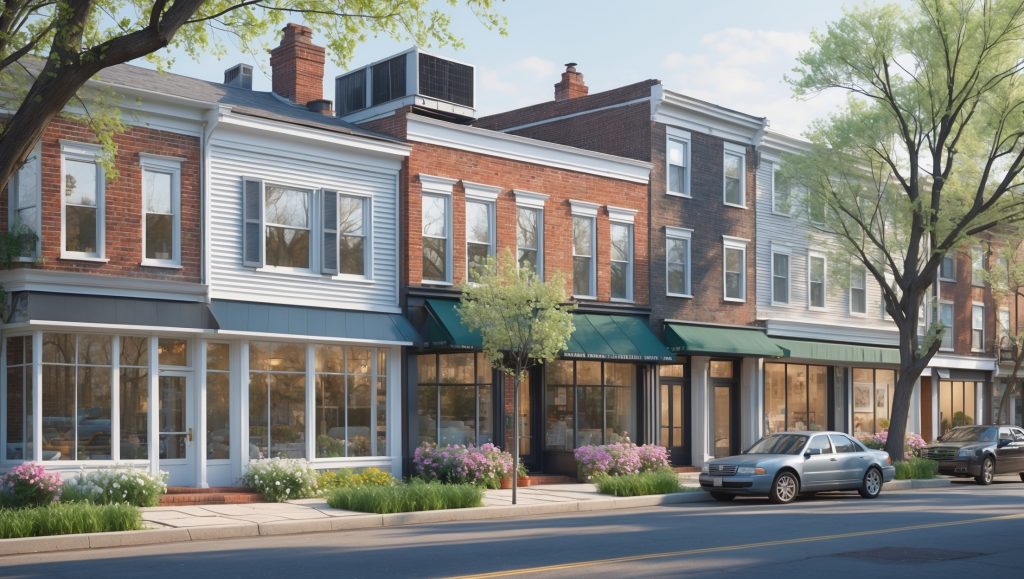
Introduction: Why HVAC Insurance Matters in Boston
Boston’s unique climate, historic architecture, and bustling business environment make heating, ventilation, and air conditioning (HVAC) systems essential for year-round comfort. Yet, one topic that often gets overlooked—by both homeowners and business owners—is HVAC insurance. While most people understand the need to insure their property, far fewer realize that HVAC systems require specific insurance considerations. Without the right coverage, a single storm, accident, or equipment failure can leave you facing unexpected expenses and uncomfortable conditions. This comprehensive guide will break down what every Boston property owner needs to know about HVAC insurance, including types of coverage, common exclusions, compliance with local regulations, and practical steps to ensure your system and your finances stay protected. Whether you’re managing a brownstone in Back Bay or running a business in Dorchester, understanding the nuances of HVAC insurance is crucial for peace of mind and long-term savings.
Understanding HVAC Insurance: The Basics
What Is HVAC Insurance?
HVAC insurance refers to the policies and endorsements that protect you from losses related to your heating, cooling, and ventilation systems. This is not a standalone policy, but rather a combination of coverage types found within homeowners, renters, and commercial property insurance plans. For businesses, HVAC contractors also carry their own forms of liability and equipment insurance, which can impact your coverage as a property owner.
Why Boston’s Climate Demands Special Attention
Boston’s weather is unpredictable—from nor’easters and freezing winters to humid, stormy summers. These conditions put extra strain on HVAC systems, increasing the risk for breakdowns, water damage, and even structural issues. Insurance coverage must account for these regional risks, especially considering the age and style of many Boston buildings.
Coverage Types That Affect Your HVAC System
1. Homeowners and Commercial Property Insurance
Most standard policies cover damage to HVAC systems caused by “named perils” like fire, windstorms, hail, or vandalism. However, they usually exclude problems caused by neglect, wear and tear, or lack of maintenance. It’s vital to review your policy to determine:
- Coverage Limits: Is your system insured for replacement cost or actual cash value (which factors in depreciation)?
- Deductibles: What is your out-of-pocket responsibility before insurance kicks in?
- Exclusions: Are there any climate-specific exclusions (e.g., flood, water backup, ice damming)?
2. Equipment Breakdown Coverage
This optional endorsement covers mechanical or electrical failures of HVAC systems that aren’t caused by external disasters. It’s particularly valuable in Boston’s older homes and commercial spaces, where aging infrastructure can lead to sudden, expensive failures.
- What’s Covered: Sudden motor burnout, compressor failures, electrical surges, and system malfunctions.
- What’s Not: Gradual deterioration, poor installation, or lack of routine maintenance.
3. Flood and Water Backup Insurance
Standard policies almost never cover flood damage. In Boston, where basements and ground-level HVAC units may be vulnerable, separate flood insurance (via the National Flood Insurance Program or private insurers) is often necessary. Water backup endorsements can protect against sump pump failures or sewer backups that damage HVAC equipment.
4. Contractor Liability Insurance
If you hire an HVAC contractor for installation, repair, or maintenance, make sure they carry adequate general liability and workers’ compensation insurance. This protects you from being held financially responsible if a worker is injured onsite or if faulty workmanship leads to damage.
Common Insurance Mistakes Boston Owners Make
Assuming Standard Coverage Is Enough
Many property owners don’t realize that basic insurance may not cover costly scenarios like power surges, equipment breakdown, or flood damage. Review your policy’s fine print and discuss optional endorsements with your agent.
Neglecting Maintenance Requirements
Insurers often require proof of regular HVAC maintenance to honor a claim. Failure to document professional inspections, filter changes, or repairs can result in denied claims—even for covered events.
Overlooking Equipment Value
HVAC systems are major investments. Underestimating their value or failing to update your policy after a major upgrade can leave you underinsured. Always inform your insurer when you install a new system or make significant improvements.
Ignoring Local Building Codes
Boston’s building codes may require specific types of HVAC systems, ventilation, or safety features. If your system doesn’t comply and is damaged, your insurance might not pay for code upgrades unless you specifically add ordinance or law coverage.
How to Ensure Your HVAC System Is Properly Insured
Step 1: Inventory and Document Your HVAC Equipment
Keep detailed records of your HVAC system, including:
- Manufacturer, model, and serial numbers
- Installation and upgrade dates
- Receipts, warranties, and contractor invoices
- Photos of equipment, especially before and after repairs or upgrades
Step 2: Schedule Regular Maintenance and Keep Records
Arrange for professional maintenance at least once a year (twice is better, ideally before summer and winter). Keep all service receipts and checklists in a dedicated folder or digital archive. This documentation can make or break a claim if your HVAC system is damaged.
Step 3: Review and Update Your Insurance Policy Annually
Discuss the following with your insurance agent:
- Current value and replacement cost of your HVAC system
- Whether you’re covered for equipment breakdown, power surges, and water backup
- Any exclusions or limitations specific to Boston’s climate (ice, flooding, severe storms)
- Options for ordinance or law coverage (for code upgrades after a loss)
Step 4: Vet Contractors Carefully
Only hire licensed, insured HVAC contractors. Request a copy of their insurance certificates and verify coverage with their provider. This shields you from liability if an accident or installation error occurs.
Special Insurance Considerations for Boston Businesses
Business Interruption Coverage
If your HVAC system fails and you can’t operate your business (for example, a restaurant’s refrigeration goes down or an office becomes uninhabitable), business interruption insurance can cover lost income and extra expenses. Make sure your policy includes this endorsement and that HVAC-related shutdowns are not excluded.
Tenant vs. Landlord Responsibilities
In commercial leases, clarify who is responsible for insuring and maintaining the HVAC system. Tenants should not assume the landlord’s policy covers their equipment, especially if they installed supplemental systems.
Equipment Leases and Warranties
If you lease HVAC equipment, the leasing company may require proof of insurance. Keep warranty information and be aware of any coverage overlaps or gaps between your insurance and the manufacturer’s warranty.
Case Examples: Real-World HVAC Insurance Scenarios in Boston
Case 1: Basement Flood in Dorchester
After a heavy rain, a small business owner in Dorchester discovered their basement HVAC unit submerged in water. Their standard property insurance denied the claim—flood damage was excluded. Fortunately, their separate flood policy covered the full replacement cost. Lesson: Know what your standard policy excludes, and consider flood insurance if your unit is at risk.
Case 2: Power Surge in a Back Bay Brownstone
A sudden power surge during a summer thunderstorm fried a homeowner’s central air conditioning. Their basic homeowners policy excluded electrical surges, but their equipment breakdown endorsement provided full coverage. Lesson: Optional endorsements can save thousands when standard policies fall short.
Case 3: Improper Installation in a Cambridge Office
A commercial tenant hired an unlicensed HVAC installer to save money. A year later, faulty installation led to a refrigerant leak and system failure. The insurance company denied the claim due to improper installation and lack of contractor insurance. Lesson: Always use licensed, insured professionals for HVAC work.
How to File an HVAC Insurance Claim Successfully
Immediate Steps After a Loss
- Document the Damage: Take clear photos and videos of the affected equipment and surrounding area.
- Contact Your Insurer Promptly: Report the incident as soon as possible—delays can jeopardize your claim.
- Mitigate Further Damage: Take steps to prevent further loss (e.g., shut off power, stop leaks), but don’t begin repairs before the adjuster arrives unless necessary for safety.
- Keep All Receipts: Save receipts for emergency repairs, clean-up, and any extra lodging or business expenses related to the HVAC failure.
What to Expect from the Claims Process
- An adjuster may inspect the HVAC system and damage in person or request documentation.
- You’ll need to provide maintenance records and proof of regular service.
- The insurer will determine if the loss is covered and calculate settlement based on repair or replacement costs, minus your deductible.
Pro Tips for Maximizing Your HVAC Insurance Protection
- Bundle Endorsements: Adding equipment breakdown, ordinance or law, and water backup endorsements is often cost-effective and provides broader coverage.
- Increase Deductibles Wisely: Higher deductibles lower premiums but can leave you with bigger bills during a claim. Balance savings with your ability to pay out-of-pocket costs.
- Conduct Annual Insurance Reviews: Update your agent after major HVAC repairs, upgrades, or changes in building use.
- Stay Up-to-Date on Local Codes: As Boston updates its building codes, ensure your HVAC system remains compliant—otherwise, you might not be covered after a loss.
- Consider Green Upgrades: If you’re installing high-efficiency equipment, some insurers offer discounts or special coverage options for eco-friendly systems.
Conclusion: Protecting Your Comfort and Your Wallet
HVAC systems are among the most valuable and vulnerable assets in any Boston property. From Nor’easter-driven power outages to sudden equipment failures, the risks are real—and the costs can be staggering. Insurance is your safety net, but only if you understand and proactively manage your coverage. Don’t wait until disaster strikes to review your policies. Instead, take the time to inventory your equipment, schedule routine maintenance, and meet with your insurance agent to discuss the unique risks of Boston’s climate and building stock. For businesses, confirm your policies cover business interruption and clarify responsibilities between tenants and landlords. For homeowners, consider optional endorsements that address the most common and costly gaps in coverage. Above all, partner with licensed, insured HVAC professionals for all installation and service work. By taking these steps, you’ll ensure that your comfort—and your finances—are fully protected, no matter what Boston’s weather (or aging infrastructure) throws your way. Smart insurance planning today means fewer surprises and greater peace of mind tomorrow.
Could you provide some practical first steps for a homeowner who wants to make sure their HVAC system is fully protected against Boston’s unpredictable climate?
To protect your HVAC system, start by reviewing your homeowner’s insurance policy to check if it covers HVAC damage from weather events common in Boston, like snow and storms. Schedule regular HVAC maintenance to prevent breakdowns and document all work for insurance purposes. Consider additional equipment breakdown coverage or a home warranty for extra protection. Lastly, keep your HVAC area clear of debris and ensure proper insulation to help withstand temperature swings.
I own a small business in Dorchester and my building is pretty old. Does HVAC insurance usually cover issues from aging equipment, or would I need to look for extra endorsements because of the building’s age and Boston’s climate?
HVAC insurance often covers sudden and accidental damages, but issues due to aging equipment or normal wear and tear are typically excluded from standard policies. Since your building is older, you may need additional endorsements or specialized coverage to address problems caused by age or Boston’s climate. It’s a good idea to review your policy with your insurer and ask specifically about exclusions and available add-ons for aging systems.
I own one of those classic brownstones in the Back Bay and my HVAC setup is pretty old. Does insurance usually cover breakdowns caused by normal wear and tear, or only sudden incidents like damage from a storm?
Most standard insurance policies do not cover HVAC breakdowns due to normal wear and tear. Insurance typically steps in for sudden, accidental events like storm damage or fire. If you’re concerned about age-related issues with your system, you might want to look into a home warranty or specialized equipment breakdown coverage as an add-on to your policy.
If a nor’easter hits and my HVAC system has water damage, what’s the usual process for filing a claim and what documentation would I need as a homeowner in Boston? Wondering how long it typically takes to get repairs covered.
If your HVAC system suffers water damage from a nor’easter, start by contacting your insurance company right away. Take clear photos of the damage, keep records of all communication with your insurer, and save any repair invoices or estimates. Most insurers require a detailed description of the event and proof of ownership. The claims process usually takes one to three weeks, but timing can vary depending on the extent of local storm damage and claim volume.
Could you elaborate on the common exclusions in homeowners insurance policies when it comes to HVAC systems in Boston? I’m concerned about what scenarios might leave a property owner unprotected, especially after extreme weather events.
Homeowners insurance in Boston often excludes coverage for HVAC systems if damage is due to wear and tear, lack of maintenance, or mechanical failure. Damage caused by flooding or earthquakes is usually not covered unless you have specific riders. After extreme weather, issues from neglect (like not winterizing) or gradual deterioration may also be excluded. It’s a good idea to review your policy details and consider additional coverage for broader protection.
For business owners in Boston, what practical steps would you recommend to make sure an HVAC system is fully covered against the city’s unpredictable weather?
To ensure your HVAC system is fully covered, review your business insurance policy to confirm it includes both property and equipment breakdown coverage. Document the system’s value and maintenance records, as insurers may request these after a claim. Consider adding endorsements for weather-related risks like flooding or snow damage, which are common in Boston. Regularly update your coverage to match any HVAC upgrades or changes in the business.
In the article, you mentioned that HVAC insurance isn’t a standalone policy but is included in homeowners or commercial property coverage. How can Boston homeowners be sure their current policy actually covers the unique risks to HVAC systems in older buildings?
To make sure your current policy covers HVAC risks, review your policy documents for specific mentions of HVAC or equipment coverage, especially for older systems. It’s important to check for exclusions or limitations related to age, wear and tear, or outdated equipment. If you’re unsure, contact your insurance agent and ask directly about coverage for your building’s specific HVAC system. You may also consider an endorsement or rider for extra protection if the standard coverage isn’t sufficient.
I noticed you mentioned the impact of storms and equipment failures on HVAC systems in Boston. For a homeowner on a tight budget, are there lower-cost insurance options that still provide reasonable protection for these local risks?
For homeowners on a tight budget, you can look into basic home insurance policies that include coverage for storm damage and sudden, accidental equipment failures. Some insurers offer endorsements or add-ons specifically for mechanical breakdowns, which might be more affordable than comprehensive plans. It’s also worthwhile to compare quotes from several providers and ask about higher deductibles or bundling discounts, which can help lower your premium while maintaining essential protection.