
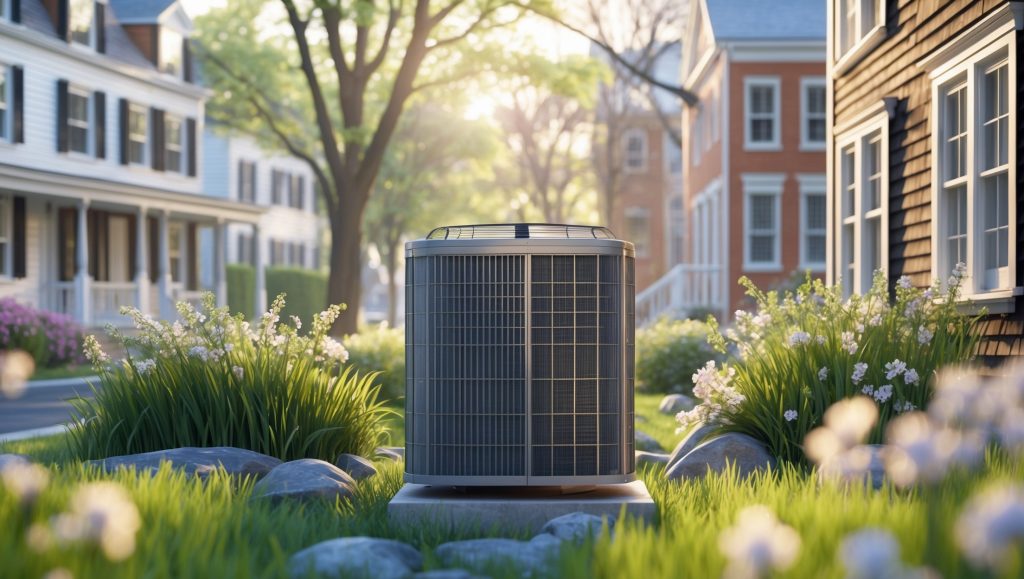
Introduction: Why Lifespan Matters for Boston HVAC Systems
For Boston homeowners and businesses, investing in a reliable HVAC system isn’t just about immediate comfort—it’s about long-term value, efficiency, and peace of mind. In a city defined by sharp seasonal shifts, salty coastal air, and urban pollutants, HVAC equipment faces unique challenges that can shorten its effective lifespan. Replacing a system prematurely is costly and disruptive, while neglected units can rack up expensive repairs and drive up energy bills. Fortunately, with the right proactive maintenance strategies, you can dramatically extend the service life of your heating and cooling equipment—sometimes by five years or more—without sacrificing performance or comfort. In this comprehensive guide, we’ll share Boston-specific methods and expert insights to maximize the longevity of your HVAC investment, minimize breakdowns, and keep your indoor environment healthy and comfortable year-round.
Understanding the Average HVAC Lifespan in Boston
Before diving into maintenance strategies, it’s essential to know what kind of lifespan you can expect in Boston’s climate. Local data and manufacturer recommendations generally suggest:
- Furnaces: 15–20 years (gas), up to 25 years (oil with diligent care)
- Central Air Conditioners: 12–15 years
- Heat Pumps: 10–15 years
- Boilers: 15–30 years (varies by fuel type and maintenance)
Boston’s freeze-thaw cycles, salt-laden winter air, and heavy pollen seasons can all put extra strain on HVAC systems. However, with routine care, many systems in the area have been known to last well beyond these averages.
Common Causes of Premature HVAC Failure in Boston
Recognizing local risk factors is key to prevention. The most common culprits include:
- Neglected Maintenance: Skipping annual tune-ups, filter changes, or ignoring minor issues.
- Improper Sizing: Systems that are too large or small cycle inefficiently, wearing out parts faster.
- Salt and Moisture Damage: Boston’s coastal air speeds up corrosion, especially on outdoor units and in basements.
- Poor Airflow: Blocked vents, dirty ducts, or closed registers force the system to work harder.
- Thermostat Issues: Faulty or poorly located thermostats cause excessive cycling.
- Pest Intrusion: Rodents and insects can chew wires or build nests in outdoor units.
Proactive Maintenance Strategies for Maximum HVAC Longevity
1. Schedule Biannual Professional Inspections
Boston’s climate demands more than a single annual inspection. Schedule professional check-ups twice a year—spring for cooling systems and fall for heating. Qualified technicians will:
- Check refrigerant levels and look for leaks
- Test electrical connections, capacitors, and relays
- Inspect and lubricate moving parts
- Calibrate thermostats and verify sensor accuracy
- Examine heat exchangers for cracks or corrosion
- Clean or replace air filters and condensate drains
- Assess ductwork for leaks, blockages, or mold
Regular professional maintenance is your best insurance against surprise failures and costly repairs.
2. Filter Management: The Boston Approach
Pollen, urban dust, and pet dander are prevalent in Boston homes and offices. Replace or clean HVAC filters at least every 2–3 months—monthly during high pollen or heavy-use periods. Consider upgrading to high-efficiency pleated filters rated MERV 8–13 for better protection without restricting airflow. Mark filter change dates on your calendar or set reminders on your phone.
3. Protect Outdoor Units from Boston’s Elements
- Clear Debris: Keep leaves, snow, and landscaping at least 2 feet from outdoor units year-round.
- Shield from Salt and Ice: Rinse units with fresh water each spring to remove salt residue. Use breathable covers in winter (never plastic tarps) to guard against ice and snow buildup, but don’t impede airflow.
- Elevate Units: If your outdoor condenser sits in a flood-prone or heavily salted area, ask your technician about raising it on a sturdy platform.
4. Manage Indoor Humidity and Airflow
Boston’s humid summers and dry winters can strain your HVAC:
- Use Dehumidifiers: In summer, supplemental dehumidifiers lighten A/C loads and prevent mold.
- Seal Drafts: Weatherstrip windows and doors to prevent conditioned air loss.
- Keep Vents Open: Closing too many vents causes pressure imbalances and can damage ductwork.
5. Monitor and Upgrade Thermostats
Upgrade to programmable or smart thermostats to reduce unnecessary cycling—especially in Boston’s unpredictable shoulder seasons. Ensure thermostats are installed away from drafts, direct sunlight, and appliances to avoid misleading readings.
6. Address Ductwork Issues Early
- Schedule duct inspections every 3–5 years or after major renovations.
- Seal leaks with professional-grade mastic—not duct tape.
- Insulate ducts running through unheated basements or attics to prevent condensation and energy loss.
7. Prevent and Detect Pest Problems
Seal exterior penetrations around refrigerant lines and electrical wiring. Install fine-mesh screens over intake and exhaust vents. At the first sign of droppings or chewed wires, call a pest professional and schedule an HVAC inspection.
8. Water Management for Basements and Utility Rooms
- Check for standing water or leaks around boilers, furnaces, and air handlers—especially after storms or snowmelt.
- Install sump pumps and dehumidifiers as needed to maintain a dry environment.
- Ensure condensate drain lines are clear and slope properly to prevent backups.
Climate-Smart Upgrades to Boost System Lifespan
1. Surge Protection
Boston’s summer storms and winter power outages can cause damaging voltage spikes. Install whole-home surge protectors to safeguard sensitive HVAC electronics.
2. UV Light Purification
Ask your technician about UV germicidal lamps inside your air handler. These reduce microbial growth on coils and in drain pans, keeping components cleaner and reducing wear.
3. Advanced Filtration and Air Quality Solutions
Consider adding HEPA air cleaners or electronic air purifiers to minimize particle buildup and reduce strain on your system—especially valuable for homes near busy roads or with allergy sufferers.
4. Variable-Speed Motors and Compressors
If you’re planning an upgrade, variable-speed technology reduces system cycling and wear, extends part life, and maintains comfort more efficiently during Boston’s temperature swings.
Owner Action Plan: Annual and Seasonal Maintenance Calendar
Staying organized is crucial. Here’s a Boston-tailored maintenance calendar:
- Every 1–2 Months: Check and replace air filters; ensure vents and returns are unobstructed.
- Spring: Schedule A/C tune-up; clear and rinse outdoor condenser; check refrigerant lines for insulation damage.
- Early Summer: Test dehumidifiers; check for musty odors or visible mold; inspect basement for water intrusion.
- Late Summer: Inspect outdoor units for pest nests; trim vegetation; rinse off dust and pollen.
- Early Fall: Schedule furnace or boiler tune-up; test thermostat batteries; inspect flue and chimney if applicable.
- Late Fall: Install breathable covers on outdoor units; ensure sump pumps and drainage are working.
- Winter: Periodically check for drifting snow or ice blocking outdoor units; monitor for unusual sounds or odors.
- Any Season: Listen for new noises, monitor energy bills for unexplained spikes, and schedule prompt repairs for any issues.
Signs It’s Time for Professional Intervention
Timely repairs save money and prevent small problems from becoming fatal for your system. Call a Boston HVAC professional if you notice:
- Unusual banging, squealing, or grinding noises
- Short cycling (system turns on and off rapidly)
- Uneven heating or cooling across rooms
- Persistent odors (musty, burning, or chemical smells)
- Sudden increases in humidity or dust
- System fails to respond to thermostat changes
Case Study: Extending the Life of a Boston Brownstone’s HVAC
Consider the example of a 1920s South End brownstone. The owners invested in:
- Annual maintenance contracts with a local HVAC pro
- Biannual duct inspections and sealing
- HEPA filtration upgrades due to road dust
- Programmable thermostats set for gradual temperature changes
- Seasonal pest checks and basement dehumidification
The result? Their 15-year-old central A/C and 20-year-old furnace still perform efficiently, with only minor repairs and no major breakdowns—a testament to the power of proactive care.
Frequently Asked Questions About HVAC Lifespan in Boston
How does Boston’s climate impact HVAC system longevity?
Boston’s freeze-thaw cycles, salty winter air, and pollen-rich springs accelerate wear on HVAC components, particularly outdoor units and ductwork. Proactive maintenance and climate-specific upgrades are essential to counteract these factors.
Are maintenance contracts worth it?
For most Boston homeowners and businesses, annual or biannual maintenance contracts offer peace of mind, priority service, and cost savings on tune-ups and minor repairs—a smart investment for maximizing system lifespan.
Can I do any maintenance myself?
Yes! Homeowners can regularly change filters, clear debris from outdoor units, monitor humidity, and keep vents unblocked. Leave refrigerant handling, electrical work, and internal cleaning to licensed professionals.
Conclusion: Long-Term Comfort and Savings Through Proactive Care
In Boston’s demanding environment, extending your HVAC system’s lifespan is less about luck and more about commitment to smart, consistent care. By understanding regional risks, staying ahead of maintenance tasks, and making targeted upgrades, you can keep your system running smoothly for years beyond the average—delivering reliable comfort, lower utility bills, and fewer emergency disruptions. Investing in regular professional inspections, diligent filter changes, and climate-appropriate protections pays off not just in dollars saved, but in peace of mind through every Nor’easter, heatwave, and pollen bloom. Whether you own a Back Bay brownstone, a Beacon Hill business, or a suburban single-family home, proactive HVAC maintenance is your best tool for protecting your property, your wallet, and your comfort. Make these strategies part of your routine, and your system will reward you with lasting performance and fewer costly surprises.
The average central AC only lasts 12 to 15 years in Boston, but you said some systems last longer with good care. Are there particular brands or models you’ve seen hold up better in this climate?
Certain brands like Trane, Lennox, and Carrier are often recognized for their durability and reliability in Boston’s climate, especially when paired with regular maintenance. High-quality models from these brands tend to handle seasonal extremes better. That said, no matter the brand, consistent filter changes, annual servicing, and prompt repairs make the biggest difference in system longevity.
You mentioned that Boston’s salty winter air can damage HVAC systems. Is there any specific maintenance tip or product homeowners in coastal areas should use to protect their units from salt exposure?
Yes, homeowners in coastal areas should rinse the outdoor HVAC unit with fresh water every few months, especially after winter, to remove salt deposits. Applying a protective, HVAC-safe coil coating can also help shield components from salt corrosion. Routine inspections for rust and prompt cleaning or touch-up of any affected areas can go a long way in preventing serious damage.
I noticed you mentioned salt and moisture being big culprits in Boston. Is there a particular maintenance schedule you recommend during the winter months to prevent salt buildup or related corrosion on our HVAC units?
During Boston winters, it’s wise to inspect your HVAC units at least once a month for salt buildup, especially on outdoor components. Gently rinse off any visible salt deposits and make sure drainage paths remain clear. Also, check for early signs of rust or corrosion and address them promptly. Scheduling a professional maintenance visit mid-winter can also help catch any issues before they worsen.
With the heavy pollen season here in Boston, do you recommend switching to a higher-grade air filter each spring? If so, are there any specific brands or filter ratings that strike a good balance between air quality and not overworking the system?
Switching to a higher-grade air filter during Boston’s pollen season is a good idea, but it’s important to choose one that balances filtration and airflow. Look for filters rated MERV 8 to MERV 11, as these effectively capture pollen without putting too much strain on most HVAC systems. Brands like Filtrete and Honeywell are commonly recommended. Always check your HVAC system’s manual to ensure compatibility before upgrading your filter.
I noticed you mentioned improper sizing as a common cause of HVAC failure. How can someone tell if their current system was incorrectly sized for their home, and are there signs specific to Boston’s extreme seasonal changes they should look for?
You might have an improperly sized HVAC system if you notice uneven temperatures, frequent cycling on and off, high energy bills, or if the system struggles to keep up during Boston’s very cold winters or hot summers. In Boston’s climate, a system that can’t maintain comfortable temperatures during extreme weather could be a sign it’s not sized correctly. Consulting an HVAC professional for a load calculation can help determine if your system matches your home’s needs.
How do I know if my HVAC system was improperly sized for my home? The article mentioned improper sizing as a common cause of premature failure, and I worry that might be affecting my unit.
Signs your HVAC system may be improperly sized include rooms that are consistently too hot or too cold, short cycling (the system turns on and off frequently), unusually high energy bills, or humidity issues. If you notice any of these, it’s a good idea to have a professional perform a load calculation on your home to determine if your HVAC system is the correct size.
How do I know if my HVAC system is improperly sized for my home? You mentioned that sizing issues can lead to faster wear, so I’m curious what signs I should look out for.
If your HVAC system is too large or too small, you might notice uneven temperatures throughout your home, frequent cycling on and off, high energy bills, or difficulty reaching the set temperature. Rooms may feel stuffy, humid, or drafty. If you observe these issues, it could be a sign of improper sizing, and having a professional perform a load calculation assessment is a good next step.
I noticed you mentioned that oil furnaces can last up to 25 years with diligent care. What exactly does diligent care involve in Boston’s climate, and are there specific maintenance steps you recommend for oil furnaces here?
Diligent care for oil furnaces in Boston includes scheduling annual professional inspections and cleanings, regularly changing or cleaning filters, checking and cleaning the burner and heat exchanger, and monitoring the oil tank for water or sludge buildup. It’s also important to keep vents clear of snow and debris in winter. Because Boston’s winters are harsh, ensuring your furnace is tuned up before each heating season helps maintain efficiency and extends its lifespan.
I’ve noticed my system struggles most during the Boston freeze-thaw cycles. Are there any troubleshooting tips or specific maintenance checks that I should prioritize during those periods to avoid premature failure?
During Boston’s freeze-thaw cycles, it’s important to check and replace air filters more frequently since fluctuating temperatures can strain your system. Inspect exterior vents for ice buildup or blockages, and make sure your thermostat is functioning accurately. Also, look for any unusual noises or reduced airflow, which could signal the start of a problem. Scheduling a professional inspection before and after these cycles can help catch issues early and prevent premature HVAC failure.
If my current HVAC system is already over 15 years old but still running, is it worth investing in proactive maintenance, or should I consider replacing it soon given Boston’s tough climate?
If your HVAC system is over 15 years old, it’s nearing the end of its typical lifespan. While proactive maintenance can help keep it running a bit longer and ensure efficiency, you should start considering replacement, especially given Boston’s harsh winters. Newer systems are more energy-efficient and reliable, so weigh the costs of frequent repairs versus investing in a new unit for long-term comfort and savings.
With Boston’s heavy pollen seasons mentioned in the article, are there specific types of filters or maintenance routines that work best for keeping allergens out of the system and extending its life?
For Boston’s heavy pollen seasons, high-efficiency filters like HEPA or pleated filters are especially effective at trapping allergens before they enter your HVAC system. Make sure to check and replace these filters every 1–2 months during peak pollen times. Regularly cleaning air vents and scheduling professional duct cleaning each year will also help reduce allergen buildup and support your system’s longevity.
You mentioned that oil furnaces can last up to 25 years with diligent care. What specific maintenance steps should I prioritize for an older oil furnace to help it reach or exceed that upper lifespan range here in Boston?
For an older oil furnace, key maintenance steps include having annual professional inspections and tune-ups, changing the oil filter regularly (at least once a year), and cleaning or replacing the air filter every few months. Make sure the blower and heat exchanger are cleaned to prevent soot buildup. Also, monitor the burner nozzle and check for leaks in the fuel line. Keeping vents and ducts clear and addressing any unusual noises or odors promptly will also help extend your furnace’s lifespan in Boston’s climate.
Could you clarify what you mean by ‘improper sizing’ of HVAC systems? How can a small business owner like me determine if our system is the right size for our building?
Improper sizing means the HVAC system is either too large or too small for your building’s heating and cooling needs. If it’s too small, it will struggle to keep the space comfortable; too large, and it may cycle on and off frequently, causing wear. The best way to check if your system is the right size is to have a professional perform a load calculation based on your building’s size, layout, insulation, and usage.
Does investing in more frequent filter changes actually make a big difference in Boston, considering the local pollen and urban pollutants? If so, how often is ideal for this area, and does the filter type matter?
Yes, more frequent filter changes can make a significant difference in Boston due to the high pollen levels in spring and summer, plus urban pollutants year-round. For this area, changing your HVAC filter every 1 to 2 months is usually ideal, especially during peak pollen seasons. The type of filter does matter—a higher-rated MERV filter captures more fine particles, but make sure your system is compatible with the filter you choose.
The article lists pretty big differences in average lifespans between systems—like 10–15 years for heat pumps versus up to 30 for some boilers. Is that mostly due to maintenance, or are those just inherent to the technology and Boston’s climate?
The lifespan differences mentioned—like heat pumps lasting 10–15 years and some boilers up to 30—are mostly due to the inherent nature of each technology and how they perform in Boston’s climate. While good maintenance can help maximize any system’s lifespan, heat pumps generally work harder in cold climates, which can wear them out faster than boilers, which are built to handle such conditions.
With Boston’s heavy pollen seasons contributing to premature HVAC failure, do you recommend any special types of filters or filter change schedules to help minimize this risk?
Boston’s heavy pollen seasons definitely put extra strain on HVAC systems. Using high-efficiency pleated filters, such as those with a MERV rating of 8 to 13, can help trap more pollen and airborne particles. During peak pollen times, check filters every 30 days and change them at least every 60 days, or more often if you notice buildup. This helps maintain airflow and protects your system from unnecessary wear.
You mention oil furnaces can last up to 25 years with diligent care. Could you clarify what ‘diligent care’ entails specifically in Boston, given the unique challenges posed by the region’s salt and weather cycles?
In Boston, diligent care for an oil furnace means scheduling annual professional inspections, changing filters regularly, and keeping vents and ducts clean to prevent salt and moisture buildup from coastal air. It’s also important to check for rust or corrosion often, especially after winter, and ensure proper fuel storage. Addressing small issues promptly can help counteract the effects of harsh weather and lengthen your furnace’s lifespan.
You mentioned improper sizing can shorten HVAC lifespan. How can I tell if my current system is the wrong size for my home, and are there signs I should look for before talking to a professional?
Some signs your HVAC system may be the wrong size include frequent cycling on and off, uneven temperatures in different rooms, high energy bills, or if your system struggles to keep up on very hot or cold days. If you notice these issues, it’s a good idea to take note of them before discussing your concerns with a professional for a more accurate assessment.
With energy costs rising, I want to balance regular maintenance expenses against the cost of eventually replacing my heat pump. How can I tell when maintenance is no longer cost-effective, especially in Boston’s climate?
You’ll know maintenance is becoming less cost-effective when your heat pump starts needing frequent, expensive repairs or your energy bills rise even after servicing. In Boston’s climate, if your unit is over 10–15 years old or a major component fails, replacement often makes more sense. Tracking repair costs each season and comparing them to the price of a new system can help you decide when it’s time to switch.
You pointed out that Boston’s coastal air and freeze-thaw cycles put unique stress on HVAC systems. Is there a recommended maintenance schedule for systems exposed to high salt and moisture, or should homeowners be doing more frequent checks?
For HVAC systems in Boston exposed to coastal air, high salt, and moisture, it’s wise to check and maintain your system more often than the typical twice-yearly schedule. Consider scheduling professional inspections every quarter, especially before winter and summer. In addition to professional visits, homeowners should regularly inspect outdoor units for salt or debris buildup and clean or replace filters monthly. These extra steps help protect against corrosion and keep your system running efficiently.
If my furnace is already over 15 years old but still working, is it worth investing in proactive maintenance at this point, or would that money be better put toward a future replacement?
If your furnace is over 15 years old and still functioning, proactive maintenance can help maximize its remaining lifespan and maintain safety, but it may have diminishing returns compared to a newer system. If it’s running smoothly and you’re not experiencing frequent breakdowns, basic maintenance is worthwhile. However, it’s a good idea to begin budgeting for a replacement, as older units often become less efficient and more prone to unexpected issues.
I’m curious about improper sizing leading to premature wear. If someone suspects their current system isn’t sized right for their building, is there a straightforward way to confirm this without a full replacement?
If you suspect your HVAC system might be incorrectly sized, you don’t need to jump to a full replacement. An HVAC professional can conduct a load calculation, which involves assessing your building’s size, insulation, windows, and other factors. This helps determine if your current unit is too large or too small without replacing the system. It’s a straightforward evaluation and can guide you on the best steps to take next.