
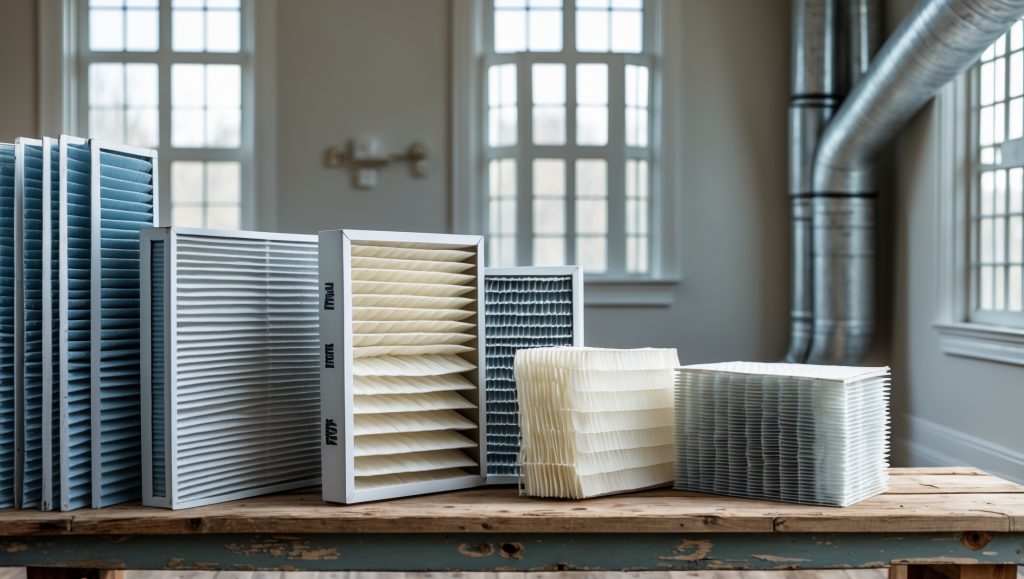
Introduction: Why HVAC Filter Selection Matters in Boston
Boston’s blend of coastal humidity, urban air pollution, and seasonal pollen surges presents unique challenges for HVAC systems in both homes and businesses. While heating and cooling are obvious priorities, air quality is often overlooked—until allergies flare up, dust accumulates, or energy bills spike. The heart of your system’s air filtration is the humble HVAC filter. Yet, many Boston property owners use the wrong type, size, or quality of filter for their needs, leading to compromised comfort, unnecessary strain on equipment, and even health issues. Choosing the right HVAC filter is more than a routine maintenance task; it’s a cost-effective way to safeguard indoor air quality, boost system efficiency, and adapt your building’s comfort to local conditions. In this guide, we’ll break down how to assess filter types, understand MERV ratings, select the ideal filter for your Boston property, and maintain it properly—empowering you to make informed decisions that pay off year-round.
Understanding Boston’s Unique Air Quality and HVAC Demands
Climate Factors Impacting Filtration
Boston experiences a wide range of weather: frigid winters, humid summers, and shoulder seasons filled with pollen and leaf debris. Seasonal extremes mean HVAC systems run nearly year-round, pulling in outdoor air and circulating it through occupied spaces. Coastal air can carry extra moisture and salt, while urban environments contribute fine particulates from traffic and construction. All of these require robust filtration strategies.
Indoor Air Quality (IAQ) Concerns
- Allergens: Spring and fall bring high pollen counts; older buildings may harbor mold spores and dust mites.
- Urban pollutants: Traffic emissions, industrial particulates, and soot are common in Boston’s downtown and surrounding neighborhoods.
- Humidity and mold: Humid summers and poorly ventilated basements increase the risk of mold growth, especially in historic properties.
Addressing these IAQ concerns starts with choosing the right filter for your HVAC system.
HVAC Filter Basics: Types and How They Work
What Does an HVAC Filter Do?
HVAC filters trap airborne particles from the air circulated by your heating and cooling system. This serves two critical purposes:
- Protecting the HVAC system from dust and debris accumulation, reducing wear and tear
- Improving indoor air quality by removing particulates, allergens, and sometimes odors
Main HVAC Filter Types
- Fiberglass Filters: Inexpensive, disposable, and capture only large particles. Minimal impact on air quality.
- Pleated Filters: Made of polyester or cotton paper, pleated for greater surface area. Capture smaller particles and improve air quality.
- Electrostatic Filters: Use static electricity to attract particulates. Available in disposable or washable versions.
- HEPA Filters: High-Efficiency Particulate Air filters, capturing 99.97% of particles ≥0.3 microns. Rare in standard residential HVAC due to airflow resistance but sometimes available for custom systems or add-ons.
- Activated Carbon Filters: Incorporate a layer of charcoal to remove odors and some chemicals. Used in combination with other filters.
- Washable/Reusable Filters: Made from sturdy materials, can be cleaned and reused, but often less effective at capturing fine particles.
Decoding MERV Ratings: What’s Right for Boston?
What Is a MERV Rating?
MERV (Minimum Efficiency Reporting Value) is a standard that rates the effectiveness of air filters on a scale from 1 to 16. The higher the MERV, the more (and smaller) particles the filter traps. But higher isn’t always better—especially if your HVAC system isn’t designed for high-resistance filters.
MERV Ratings at a Glance
- MERV 1–4: Basic protection; catches dust mites, pollen, carpet fibers. Common in cheap fiberglass filters. Not recommended for Boston’s air quality challenges.
- MERV 5–8: Catches mold spores, pet dander, and some fine dust. Suitable for most residential systems.
- MERV 9–12: Superior filtration; captures auto emissions, lead dust, finer particulates. Ideal for Boston’s urban environments or allergy-prone occupants.
- MERV 13–16: Hospital-grade; traps bacteria, smoke, and even viruses. Some high-end residential and most commercial buildings can accommodate these, but always check HVAC compatibility.
Boston homes and businesses near high-traffic roads, construction, or with allergy sufferers often benefit from MERV 11–13 filters, provided the system’s blower can handle it.
Choosing the Right Filter for Your Boston Home or Business
Step 1: Know Your System’s Limitations
Before shopping, check your system’s documentation or consult a licensed Boston HVAC technician. Using a filter with a MERV rating too high for your system can restrict airflow, reduce efficiency, and cause equipment strain.
- Residential forced-air systems often handle up to MERV 11 comfortably.
- Commercial systems may be compatible with MERV 13+ filters, especially if designed for improved IAQ.
Step 2: Identify Your Primary IAQ Concerns
- Allergies or asthma in the household? Opt for pleated filters with MERV 11–13.
- Pets in the home? Pleated or electrostatic filters help capture dander and hair.
- Urban location or near busy streets? MERV 11+ for fine particulates and soot.
- Mold or musty odors? Consider filters with activated carbon.
Step 3: Consider Filter Size and Fit
Filters must fit snugly. Measure your filter slot or existing filter for exact dimensions. A poorly fitting filter allows air (and particulates) to bypass filtration altogether.
Step 4: Balance Performance and Cost
Higher-quality filters cost more upfront and may need to be changed more frequently in urban or high-pollen environments. Budget for regular replacements to maintain air quality and system efficiency.
Comparing Filter Materials: Pros and Cons for Boston Properties
Fiberglass Filters
- Pros: Inexpensive, easy to find, low airflow resistance.
- Cons: Minimal filtration; ineffective against fine dust, pollen, and city pollutants. Best for short-term use or low-priority areas.
Pleated Filters
- Pros: Excellent balance of cost and performance. Effective at trapping allergens, dust, and urban particulates. Available up to MERV 13.
- Cons: Slightly higher airflow resistance. Must be changed regularly—especially during pollen season or heavy HVAC use.
Electrostatic Filters
- Pros: Good for pet dander and fine particles. Washable versions reduce waste.
- Cons: Performance drops if not washed regularly. Not always suitable for severe allergy sufferers or high-pollution areas.
HEPA Filters
- Pros: Unmatched particle removal. Best for medical offices, labs, or properties with extreme allergy or respiratory concerns.
- Cons: High airflow resistance. Often requires system modifications. Not suitable for most standard residential HVAC units.
Activated Carbon Filters
- Pros: Removes odors, VOCs, and some chemicals. Useful in homes with smokers, pets, or musty basements.
- Cons: Does not trap particulates alone—should be paired with pleated or other standard filters.
How Often Should You Change Your HVAC Filter in Boston?
Frequency Guidelines
- Fiberglass: Every 30 days
- Pleated (MERV 8–11): Every 60–90 days (monthly during heavy use or high pollen/urban pollution)
- Electrostatic (Washable): Clean monthly
- HEPA: As directed by manufacturer, often every 6–12 months for specialized systems
Boston’s seasonal variability means you may need to change filters more often during spring pollen surges, summer humidity, or winter heating spikes when systems run longer hours.
Warning Signs: When to Replace Sooner
- Visible dust buildup on vents or furniture
- Increased allergy or asthma symptoms indoors
- Unpleasant or musty odors
- HVAC system running longer than usual (reduced efficiency)
Special Considerations: Boston’s Historic and Multi-Family Buildings
Older Homes and Brownstones
Many historic Boston homes have smaller or non-standard filter slots. Custom-sized pleated filters or professional retrofitting may be necessary. Additionally, older ductwork may be more prone to leaks—consider duct sealing and professional IAQ assessment if air quality remains poor despite regular filter changes.
Multi-Unit Dwellings
Apartment and condo buildings often share HVAC infrastructure. Property managers should implement a regular filter replacement schedule and consider higher-MERV filters in common areas to protect all residents.
Practical Tips for Optimizing HVAC Filtration in Boston
- Check filters monthly, especially during peak heating/cooling seasons.
- Keep spare filters on hand to avoid skipped changes.
- Write installation dates on filter frames for easy tracking.
- Vacuum around vents and returns to minimize dust ingress.
- Schedule annual HVAC checkups with a Boston-certified technician.
- Ask about IAQ upgrades (UV lights, HEPA bypass systems) if allergies or odors persist.
Common Filter Mistakes Boston Owners Should Avoid
- Using the wrong size: Even a small gap allows unfiltered air to bypass the filter.
- Choosing too high a MERV for your system: Excessive resistance can damage blowers and reduce efficiency.
- Neglecting regular changes: Dirty filters reduce airflow, increase bills, and worsen indoor air quality.
- Ignoring IAQ complaints: Persistent odors, dust, or allergy symptoms warrant a filter upgrade or system assessment.
Conclusion: Invest in the Right Filter for Lasting Comfort and Health
In Boston’s demanding climate, your choice of HVAC filter is a frontline defense against seasonal allergens, urban pollutants, and premature system wear. By understanding filter types, MERV ratings, and your property’s specific needs, you can confidently select the right filter to maximize air quality and system efficiency. Regular replacement—especially during high-use periods—ensures that your investment pays off in better comfort, lower energy costs, and healthier indoor air. Don’t settle for the cheapest option or a one-size-fits-all approach; take the time to choose a filter that’s tailored to Boston’s unique environment and your building’s demands.
Adopting a proactive approach to HVAC filtration is one of the simplest, most effective ways to protect your investment in comfort. Whether you manage a bustling business in downtown Boston or a family home in the suburbs, the right filter can make all the difference. If you’re ever unsure, consult with a local HVAC professional—they can help you match system specifications to filter performance and even recommend advanced solutions for persistent air quality challenges. With the right filter, you’ll breathe easier, knowing your HVAC system is working smarter for you, year-round.
My house is near a busy street in downtown Boston, and we struggle with a lot of dust and what I assume is traffic pollution inside. Do you have any recommendations for filter types or MERV ratings that specifically help with urban pollutants and fine particulates?
Living near a busy street means your HVAC filter should focus on capturing fine particles and urban pollutants. Look for filters with a MERV rating between 11 and 13, as these can trap dust, pollen, smoke, and smaller particulates common in urban environments. If air quality is a major concern, you might also consider filters with activated carbon layers to help reduce odors and certain gases from traffic pollution.
The article talks about mold issues in basements during humid months. Are there filters specifically designed to target mold spores, or should I be looking at other solutions alongside standard HVAC filters?
There are HVAC filters with higher MERV ratings (typically 13 or above) that are effective at capturing mold spores from the air. However, filters alone may not fully address basement mold issues. It’s often best to combine a quality filter with solutions like using a dehumidifier, improving ventilation, and addressing any moisture leaks or sources. This multipronged approach helps prevent mold growth more effectively.