
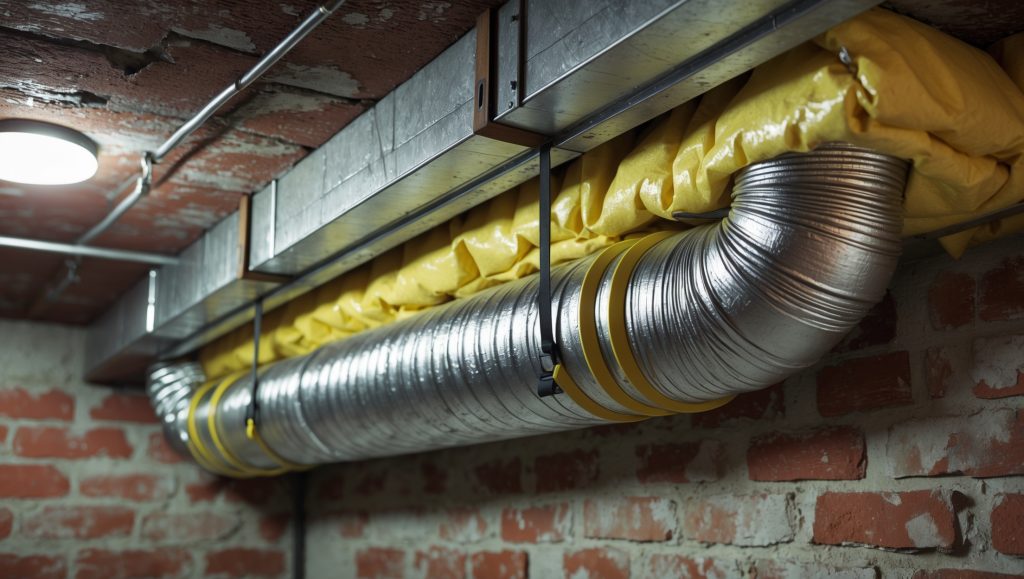
Introduction: Why Ductwork Maintenance Is Non-Negotiable in Boston
When most Boston homeowners and business managers think about HVAC maintenance, their minds jump to thermostats, filters, or maybe the outdoor compressor. But beneath floors and behind walls lies a critical component routinely overlooked: the ductwork. For Boston’s unique mix of historic brownstones, wood-frame homes, and contemporary commercial spaces, ductwork is the unsung hero in the battle for indoor comfort. Yet, leaky, dirty, or poorly insulated ducts can silently sabotage even the most advanced HVAC systems, leading to uneven heating or cooling, skyrocketing energy bills, and persistent dust issues. In a city where climate swings from humid summers to frigid, snow-laden winters, neglecting your ducts isn’t just a minor oversight—it’s a recipe for wasted money and year-round discomfort.
This comprehensive guide will walk you through practical, Boston-specific ductwork maintenance strategies. Whether you’re a homeowner in Jamaica Plain, a property manager in Back Bay, or a small business owner in Dorchester, you’ll learn how to recognize telltale ductwork problems, perform targeted inspections, and implement fixes that measurably improve comfort and efficiency. We’ll cover the tools you really need, the best times for inspection and cleaning, and how to work around the quirks of older Boston properties. By the end, you’ll be equipped to prevent airflow loss, boost your HVAC’s performance, and keep your energy costs in check—no matter what Boston’s weather throws your way.
Understanding the Role of Ductwork in Boston HVAC Systems
The Backbone of Comfortable Spaces
Ductwork acts as the circulatory system for your heating and cooling setup, distributing conditioned air from your furnace, AC, or heat pump to every room. In Boston’s climate, where temperature control is crucial for comfort and health, properly functioning ducts ensure your system isn’t working harder than necessary.
Why Boston Ductwork Needs Special Attention
- Historic Construction: Many Boston buildings feature tight spaces and unconventional layouts, making ducts harder to access and more prone to damage or poor design.
- Humidity Swings: Seasonal humidity can contribute to condensation inside ducts, increasing the risk of mold or corrosion.
- Rodents and Pests: Older buildings often have small gaps where rodents or insects can enter and damage ducts.
- Insulation Challenges: Attics and basements in Boston homes may lack modern insulation, causing ducts to lose conditioned air to unconditioned spaces.
Common Ductwork Issues in Boston Properties
Leaky Ducts
Seams, joints, and holes can develop over time, especially in older or DIY-installed systems. This allows conditioned air to escape into walls, attics, or basements, wasting energy and causing temperature imbalances.
Dirty or Clogged Ducts
Boston’s urban environment means more dust, pollen, and even construction debris entering ducts. Accumulated dirt reduces airflow and can spread allergens throughout your property.
Poor Insulation
Uninsulated or poorly insulated ducts running through attics, crawl spaces, or basements can lose up to 30% of heating or cooling energy before the air ever reaches your rooms.
Improper Sizing or Layout
Retrofitted systems, common in Boston’s older buildings, sometimes use undersized or overly long duct runs, leading to high static pressure, noisy airflow, and uneven room temperatures.
Disconnected or Collapsed Ducts
Movement from house settling, vibrations, or even pest activity can cause ducts to disconnect or collapse, completely cutting off airflow to affected areas.
Spotting Trouble: Signs Your Ductwork Needs Attention
- Unusual Dust: A sudden increase in dust, especially near vents, can indicate leaks or dirty ducts.
- Uneven Temperatures: Some rooms consistently hotter or colder than others, despite thermostat adjustments.
- Noisy Airflow: Whistling, rattling, or banging noises from vents or inside walls.
- High Energy Bills: Unexplained spikes in energy costs, even when usage habits haven’t changed.
- Visible Mold or Musty Odors: Persistent smells or black/green spots near vents, especially after humid Boston summers.
- Low Airflow: Weak or barely-there airflow from some registers.
Boston-Specific Ductwork Maintenance Strategies
When to Inspect Your Ducts
For most Boston properties, a thorough duct inspection should be performed at least every two years. Properties closer to highways, construction, or with pets/allergies may require annual checks. The best time for inspection is early spring or late fall, before the major heating or cooling seasons begin.
DIY Inspection Steps
- Turn on your HVAC system and walk room to room, checking airflow strength and listening for noise changes.
- Use a flashlight to inspect accessible duct runs in basements, attics, or utility spaces. Look for disconnected joints, holes, or crushed sections.
- Check for visible dust streaks, insulation gaps, or moisture stains near seams and on the floor below overhead ducts.
- Use incense or a smoke pencil near joints to detect air leaks—the smoke will waver or get sucked in if there are leaks.
Essential Tools and Materials
- Foil-Backed Butyl Tape: More effective and longer-lasting than duct tape for sealing joints and holes.
- Mastic Sealant: A brush-on, flexible sealant perfect for small cracks or hard-to-reach areas.
- Insulation Sleeves or Wrap: Use R-6 or higher insulation for unconditioned spaces.
- Screwdriver and Nut Driver Set: For tightening loose connections or accessing panels.
- Vacuum with HEPA Filter: For cleaning interior duct surfaces and removing dust/debris at registers.
- Inspection Mirror: Helpful for seeing around tight corners or behind obstacles in cramped Boston basements.
Step-by-Step: Sealing and Insulating Your Ducts
1. Locate and Clean the Problem Areas
Focus on accessible runs in basements, attics, and utility rooms. Remove dust and debris from duct surfaces before sealing—mastic and tape adhere best to clean metal or fiberglass.
2. Seal Leaks
- Apply foil-backed butyl tape over visible seams, small holes, or gaps. Press firmly and smooth out air bubbles.
- For irregular gaps or where tape won’t stick, use a paintbrush to apply mastic sealant liberally along seams and joints.
- Pay extra attention to elbow joints and connections to main trunks—these are frequent leak points in older Boston homes.
3. Insulate Exposed Ducts
- Wrap R-6 or higher duct insulation around exposed sections in unconditioned spaces.
- Seal seams in the insulation with foil tape to prevent condensation and maintain R-value.
- Check for gaps where insulation ends—seal thoroughly to prevent heat loss in winter and heat gain in summer.
4. Reconnect or Support Loose Duct Sections
- If ducts are sagging or disconnected, use sheet metal screws to secure joints and strapping to support long runs.
- Replace or repair collapsed flexible duct sections—crushed ducts should be replaced for proper airflow.
Professional Duct Cleaning: When and Why Boston Properties Need It
When DIY Isn’t Enough
If your ducts show visible mold, heavy debris, or you notice persistent odors, professional cleaning is warranted. Boston’s humid summers and old construction can trap moisture and organic debris, creating ideal conditions for mold and bacteria growth.
What to Expect from a Pro
- Technicians use high-powered vacuums and rotary brushes to remove dust, dander, and debris from duct interiors.
- They’ll inspect for leaks, disconnected sections, and insulation gaps as part of most cleaning packages.
- Be sure to choose a NADCA-certified company to avoid scams or incomplete jobs. Local reviews and references are especially valuable in Boston’s tight-knit neighborhoods.
Maintaining Ductwork in Historic Boston Buildings
Unique Challenges
Older homes and commercial spaces often feature limited duct access, non-standard sizes, and fragile building materials. It’s common to find ducts routed through crawlspaces, old chimneys, or behind lathe-and-plaster walls.
Best Practices
- Use flexible inspection tools—mirrors, borescopes, and smoke pencils can reveal hidden leaks.
- When retrofitting or repairing, prioritize minimally invasive sealing methods and avoid cutting into historic finishes.
- Consult with HVAC professionals experienced in Boston’s architectural heritage to ensure sensitive handling and code compliance.
- Where possible, insulate ductwork from the outside to avoid disturbing historic interiors.
Energy Efficiency Gains: How Duct Upgrades Pay Off in Boston
Impact on Heating and Cooling Costs
According to the U.S. Department of Energy, the average duct system loses 20–30% of conditioned air due to leaks, holes, and poor connections. In Boston, where heating can account for over half your annual energy bill, sealing and insulating ductwork can reduce costs by hundreds of dollars per year. Improved airflow also means your rooms reach set temperatures faster, reducing system run time and wear.
Comfort Improvements
- Consistent temperatures across all rooms—no more freezing bedrooms or sweltering offices.
- Reduced dust and allergen spread, improving indoor air quality for families and employees.
- Quieter operation as air moves smoothly through sealed, properly sized ducts.
Seasonal Ductwork Checklist for Boston Properties
- Spring: Check for condensation damage or mold after winter. Clean registers and vacuum visible duct sections.
- Summer: Inspect insulation in attics for integrity. Look for signs of pest intrusion.
- Fall: Seal leaks before the heating season. Ensure all registers and dampers are clear and functional.
- Winter: Monitor for cold drafts near ducts. Check for ice dams or water leaks impacting attic runs.
When to Call in a Boston HVAC Pro
While many ductwork maintenance tasks are DIY-friendly, certain situations require professional expertise:
- Persistent airflow problems after sealing and cleaning
- Mold growth beyond what you can safely clean
- Major duct rerouting or resizing, especially in historic properties
- Suspected asbestos insulation around old ductwork (very common in pre-1980s Boston homes)
- New HVAC installation or major home renovations
Boston’s reputable HVAC contractors are familiar with the city’s building codes, permitting process, and unique construction issues. If in doubt, a professional assessment can prevent costly mistakes and ensure your system’s safety and performance.
Conclusion: Make Ductwork Maintenance Your Boston Comfort Secret
Ignoring your ductwork is like running a marathon in sneakers full of holes: you’ll get there, but it’ll cost you in comfort, energy, and dollars. In Boston’s demanding climate, where both arctic blasts and muggy heatwaves are part of life, well-maintained ducts are the difference between a cozy retreat and a drafty, unevenly heated or cooled space. By routinely inspecting for leaks, dust, and insulation issues, and investing in periodic professional cleaning, you’ll not only stretch every kilowatt and therm further but also enjoy healthier indoor air and fewer HVAC headaches. For historic homes or complex commercial spaces, a proactive approach to ductwork pays dividends in comfort and preservation.
Whether you tackle these steps yourself or bring in a Boston HVAC specialist, don’t leave ductwork as an afterthought in your maintenance plan. Addressing it today means lower bills, smoother operation, and a home or business that’s ready for whatever weather the city brings next. Start with the checklists and tips above—your HVAC system, and your wallet, will thank you come the next Nor’easter or summer heatwave. Make ductwork maintenance your Boston comfort secret, and you’ll feel the difference all year long.
I live in a historic brownstone in Back Bay with some very old ductwork. Are there specific tools or methods you recommend for inspecting and maintaining ducts in older Boston properties without causing damage?
For older ductwork in historic brownstones, it’s best to use a soft-bristle brush and a vacuum with a HEPA filter for gentle cleaning. Flexible inspection cameras can help you look inside without dismantling anything. Sealing leaks with mastic (not duct tape) is recommended, but avoid harsh chemicals or aggressive scrubbing. If you’re unsure, consider hiring a professional familiar with historic properties to preserve the integrity of your ducts.
As a small business owner in Dorchester, I’m worried about how much energy loss I might have due to leaky ductwork in my older building. Are there any Boston-specific warning signs I should look out for before calling in a professional?
In older Boston buildings, you might notice uneven heating or cooling in different rooms, higher-than-usual energy bills, or excessive dust around vents—these are common signs of duct leaks. In Dorchester, older duct systems may also have visible gaps or rust due to our climate. If you hear whistling noises from ducts or see insulation peeling, it’s a good idea to consult a professional for a detailed inspection.
When discussing inspection and cleaning schedules, do you recommend more frequent ductwork maintenance for commercial spaces versus residential ones in Boston, considering higher occupancy or different HVAC loads?
Yes, more frequent ductwork maintenance is generally recommended for commercial spaces compared to residential ones in Boston. Commercial buildings tend to have higher occupancy, greater HVAC usage, and more contaminants, which can lead to faster buildup of dust and debris. While annual inspections may be sufficient for homes, commercial properties often benefit from inspections and cleaning every six months or as needed based on usage.