
Introduction: The Importance of a Tailored HVAC Maintenance Schedule for Boston Businesses
Boston’s climate is as varied as its architecture. From humid summers to frigid winters, local businesses rely on their HVAC systems for year-round comfort. Yet, many property owners and facility managers are left wondering: How often should you truly service your commercial HVAC system? The answer isn’t as simple as a biannual visit. In Boston’s demanding environment, a one-size-fits-all approach can leave your building vulnerable to breakdowns, poor indoor air quality, and soaring energy costs.
This comprehensive guide walks Boston business owners and property managers through the nuances of commercial HVAC maintenance scheduling. We’ll explore how system type, building size, occupancy, and local climate all affect the ideal frequency of service. You’ll learn the difference between basic preventative maintenance and more intensive seasonal checkups, as well as how to use proactive scheduling to maximize system life, avoid costly downtime, and stay compliant with local regulations. Whether you manage a retail storefront or a multi-story office building, this article provides actionable insights tailored to Boston’s unique needs.
Understanding Boston’s Unique HVAC Demands
Climate Challenges
Boston experiences wide temperature swings, high humidity in summer, and icy conditions in winter. These fluctuations put commercial HVAC systems under significant strain. Heating and cooling cycles are longer and more frequent, leading to increased wear and tear on components.
Building Diversity
From historic brownstones retrofitted for business to modern glass-walled office towers, Boston’s commercial spaces present a wide range of HVAC challenges. Older buildings may have legacy ductwork and less insulation, while new constructions might utilize advanced zoning and automation. Each scenario impacts maintenance needs and scheduling.
Factors That Influence HVAC Maintenance Frequency
System Type
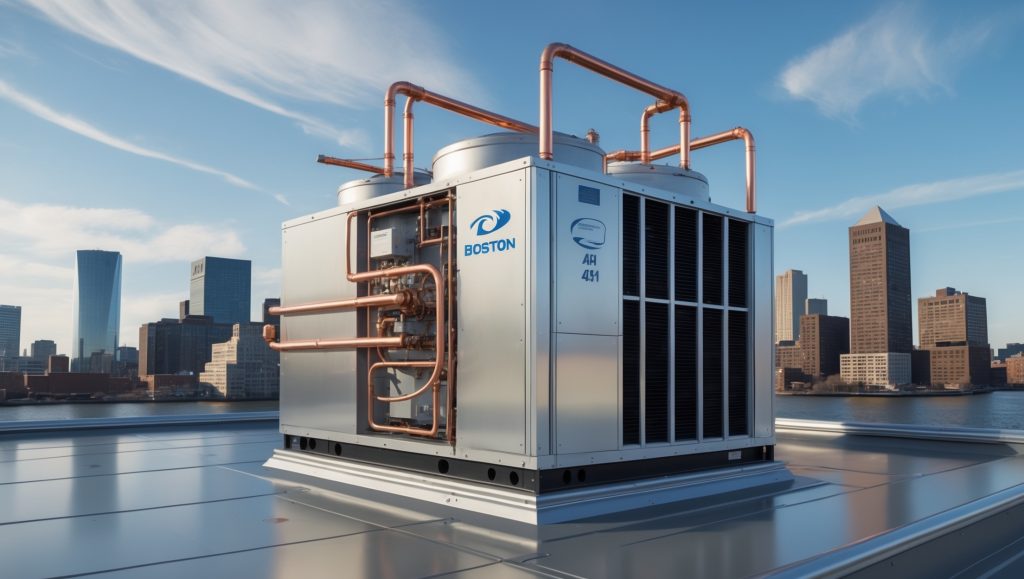
- Packaged Rooftop Units (RTUs): Common in Boston’s commercial properties, RTUs typically require quarterly inspections due to exposure to harsh weather.
- Split Systems: Often used in smaller offices and retail stores, these benefit from semi-annual service.
- VRF/VRV Systems: Increasingly popular in energy-efficient buildings, these complex setups may need monthly filter checks and quarterly professional maintenance.
- Boilers and Chillers: Central systems in larger buildings may demand seasonal start-up and shutdown procedures, plus monthly operational checks during peak usage.
Building Size and Occupancy
- High-traffic buildings (e.g., hotels, hospitals, large offices) accumulate dust and wear out filters and belts faster than low-occupancy spaces.
- Buildings with variable occupancy (like event venues) should align maintenance with peak usage periods.
Usage Patterns
- 24/7 operations require more frequent inspections, especially for air filters, condensate drains, and moving components.
- Seasonal businesses (such as campuses) can schedule major maintenance during off-peak months.
Local Regulations and Lease Agreements
Boston requires commercial properties to maintain safe and efficient HVAC operation. Leases may stipulate specific maintenance intervals or documentation requirements, particularly for multi-tenant buildings. Ignoring these can lead to fines, disputes, or insurance complications.
Recommended Commercial HVAC Maintenance Schedules for Boston
Quarterly Tasks
- Change or clean air filters (sometimes monthly for high-use buildings).
- Inspect belts, pulleys, and motors for wear.
- Check thermostat calibration and building automation setpoints.
- Inspect and clear condensate drains.
- Examine electrical connections and tighten as needed.
- Clean coils if exposed to heavy urban particulates.
Semi-Annual Tasks (Spring and Fall)
- Comprehensive cleaning of evaporator and condenser coils.
- Test operation of safety controls and limit switches.
- Lubricate moving parts and inspect bearings.
- Check refrigerant pressures and look for leaks.
- Inspect ductwork for leaks or damage.
- Review system performance data and energy consumption trends.
Annual Tasks
- Full system performance audit (often required for larger properties).
- Boiler and chiller inspection and cleaning.
- Test and recalibrate all sensors, controls, and alarms.
- Verify compliance with Boston’s mechanical code updates.
- Review and renew maintenance contracts as needed.
Special Considerations
- After major weather events (blizzards, heatwaves, flooding), schedule an immediate inspection.
- For buildings with sensitive equipment (like data centers), consider monthly or even bi-weekly checks.
Step-by-Step: Setting Up a Proactive Maintenance Plan
1. Assess Your Building and System
Catalog all HVAC equipment, noting age, type, and service history. Gather floor plans, occupancy data, and utility usage to identify peak demand periods.
2. Consult With a Qualified Boston HVAC Professional
Work with a licensed contractor familiar with Boston codes and climate. They can help you develop a tailored maintenance calendar, factoring in building specifics and manufacturer recommendations.
3. Schedule Recurring Service Visits
- Set calendar reminders for quarterly and semi-annual tasks.
- Align major inspections with seasonal transitions (March/April and September/October).
- Ensure someone onsite is responsible for monthly filter checks and basic visual inspections.
4. Document All Maintenance Activities
Maintain a digital log of all work performed, including dates, technician notes, and any repairs. This record is vital for warranty claims, regulatory compliance, and lease obligations.
5. Monitor System Performance
- Track energy usage and compare to historical data.
- Investigate sudden spikes, which may indicate pending failures.
- Consider installing smart sensors for early detection of problems.
6. Adjust the Schedule as Needed
Reassess your maintenance plan annually. As your building or business changes (expansion, renovations, new tenants), update your schedule to match new demands.
Common Pitfalls in Boston Commercial HVAC Maintenance Scheduling
- Relying on Reactive Maintenance: Only servicing equipment when issues arise leads to higher costs and more downtime.
- Ignoring Manufacturer Guidelines: Skipping recommended intervals may void warranties and expose you to liability.
- Underestimating Boston’s Climate: Failing to increase maintenance during extreme seasons can result in system overloads and failures.
- Lack of Documentation: Incomplete records can lead to compliance headaches and disputes with tenants or insurers.
- Forgetting About Indoor Air Quality: Overlooking humidity controls, filtration, and ventilation can impact occupant health and comfort.
The Cost-Benefit Analysis: Why More Frequent Maintenance Pays Off
Reduced Emergency Repairs
Regular service helps catch worn parts, leaks, and electrical issues before they escalate into system failures. Boston’s repair costs can be steep, especially during peak demand or after-hours emergencies.
Longer System Lifespan
Properly maintained HVAC systems can last up to 40% longer than neglected units, delaying the need for costly capital replacements.
Energy Savings
Dirty coils, clogged filters, and miscalibrated controls can increase energy consumption by 10–30%. Routine maintenance ensures your system runs at peak efficiency, lowering your building’s operating costs.
Improved Occupant Comfort and Health
Consistent maintenance helps control temperature, humidity, and air quality, reducing absenteeism and increasing tenant satisfaction.
Regulatory Compliance
Staying on top of maintenance helps you pass inspections and avoid fines from Boston’s building authorities.
Sample Maintenance Schedules for Different Boston Commercial Properties
Retail Stores (2,000–10,000 sq. ft.)
- Quarterly: Filter changes, belt inspections, thermostat checks, drain cleaning.
- Semi-annual: Full coil cleaning, refrigerant check, electrical inspection.
- Annual: System performance review, compliance check.
Office Buildings (10,000–100,000+ sq. ft.)
- Monthly: Filter inspections (replace as needed).
- Quarterly: Belts, pulleys, sensors, and drain checks.
- Semi-annual: Coil cleaning, HVAC controls testing, ductwork review.
- Annual: Chiller/boiler maintenance, full system audit.
Restaurants and Hospitality
- Monthly: Grease filter and hood checks, air filter replacement.
- Quarterly: Inspect exhaust and supply fans, check for kitchen-related buildup.
- Semi-annual: Deep coil cleaning, test makeup air systems.
- Annual: Comprehensive system and ductwork inspection.
Healthcare Facilities
- Monthly: Filters, humidity control, and pressure monitoring.
- Quarterly: Infection control checks, HEPA filter replacement.
- Semi-annual: Test all alarms, controls, and backup systems.
- Annual: Certification and documentation for regulatory compliance.
Tips for Optimizing Your Maintenance Schedule
- Use building automation systems to monitor run times and flag maintenance needs.
- Schedule major work during off-hours to minimize business disruption.
- Bundle HVAC maintenance with other building services (fire, elevators) for cost efficiency.
- Train onsite staff for basic checks between professional visits.
- Communicate schedules to all tenants and occupants to set expectations.
Conclusion: Your Customized Path to Reliable Boston HVAC Performance
Every Boston business is unique, and so are its HVAC maintenance needs. While manufacturer guidelines and industry best practices provide a foundation, the city’s climate, building diversity, and regulatory landscape mean that a carefully tailored schedule is essential for system reliability and occupant comfort. Don’t fall into the trap of generic biannual servicing—evaluate your property’s specific demands, consult with local HVAC experts, and be proactive about documentation and compliance.
With a well-planned maintenance schedule, you’ll enjoy lower energy bills, fewer emergency repairs, and a longer-lasting HVAC system—all while keeping your employees, customers, and tenants comfortable throughout Boston’s challenging seasons. Make your maintenance plan a living document: revisit it each year, update it as your building or business grows, and ensure everyone involved understands their role. In a city where a single day’s HVAC outage can mean lost revenue or unhappy tenants, investing in the right maintenance frequency is one of the most cost-effective decisions you can make.
Ready to reassess your schedule? Start with a comprehensive system audit, build relationships with trusted local contractors, and ensure your commercial property stays ahead of the curve—whatever Boston’s weather brings.
Can you clarify what counts as ‘basic preventative maintenance’ versus a ‘more intensive seasonal checkup’? I’m trying to figure out which tasks I can handle myself as a DIYer and which ones absolutely require a professional.
Basic preventative maintenance includes tasks like changing air filters, cleaning vents, checking thermostats, and making sure nothing is blocking airflow. Most DIYers can handle these jobs with a little guidance. More intensive seasonal checkups involve inspecting electrical connections, refrigerant levels, belts, and overall system performance—these are best left to licensed HVAC professionals, as they require special tools and expertise.
You mention that Boston’s climate puts a lot of strain on HVAC systems due to long heating and cooling cycles. For an older building with outdated ductwork, would you recommend more frequent maintenance visits than for a newer construction, or are there specific signs we should watch for regardless of building age?
Older buildings with outdated ductwork often benefit from more frequent HVAC maintenance, as older systems and ducts can accumulate debris and develop leaks more easily. Even if you stick to recommended schedules, watch for signs like uneven temperatures, reduced airflow, strange noises, or dust buildup around vents. These can indicate issues needing attention, regardless of building age.
Are there specific signs or performance issues to look for in Boston’s high-humidity summers that indicate it’s time to schedule extra HVAC service, beyond just following the suggested timeline?
Yes, Boston’s humid summers can put extra stress on HVAC systems. Watch for signs like musty odors, higher indoor humidity, weak airflow, unusual noises, and inconsistent cooling. Excess condensation or water leaks around the unit are also red flags. If you notice any of these issues, it’s best to schedule additional service even if you’re up to date with routine maintenance.
If my building sees higher occupancy during the winter because of holiday shopping, should I adjust my HVAC service schedule accordingly, or is sticking to a standard seasonal approach enough?
If your building experiences higher occupancy during the winter, it’s wise to adjust your HVAC maintenance schedule to account for the increased use. Heavier foot traffic can strain your system and affect indoor air quality. Consider scheduling an extra inspection or filter change before and during the peak season, in addition to your standard seasonal maintenance.
The article points out that Boston’s climate causes HVAC systems to work harder. Are there specific signs I should look for during extreme weather that might mean my system needs an extra checkup, even if I already follow a maintenance schedule?
During extreme weather, keep an eye out for warning signs like unusual noises, weak airflow, inconsistent temperatures, or unexpected increases in energy bills. If your HVAC system is running constantly or struggling to maintain the set temperature, it might need an extra checkup. Even with regular maintenance, these changes can signal a developing issue that’s best caught early, especially during Boston’s harsher weather.
Could you elaborate on how often businesses operating in historic Boston buildings should schedule HVAC maintenance, especially if the systems have older ductwork or insulation compared to newer properties?
Businesses in historic Boston buildings with older ductwork or insulation should consider more frequent HVAC maintenance than newer properties. It’s generally wise to schedule inspections and servicing at least quarterly, rather than just seasonally. Older systems are more susceptible to leaks, dust, and inefficiency, so checking components like ducts, filters, and insulation more often can help prevent breakdowns and maintain good air quality.
The article mentions both basic preventative maintenance and more intensive seasonal checkups. How do I determine which level of service my multi-story office building actually needs each season, especially given Boston’s extreme temperature swings?
To decide on the right level of service for your multi-story office building, consider the age and usage of your HVAC system, the number of occupants, and how critical indoor comfort is to your operations. Boston’s extreme temperatures usually warrant both basic preventative maintenance (like filter changes and inspections) every season, plus more intensive seasonal checkups before summer and winter. Consulting with an HVAC professional who can assess your building’s unique needs is also highly recommended.
Could you clarify what you mean by intensive seasonal checkups compared to basic preventative maintenance? How would the recommended schedule differ for a large multi-story office versus a single-floor retail space in Boston’s climate?
Intensive seasonal checkups involve thorough inspections and services like testing system controls, cleaning coils, and calibrating thermostats—usually done before peak heating and cooling seasons. Basic preventative maintenance covers regular filter changes and visual inspections. For a large multi-story office, intensive checkups are typically needed twice a year, with monthly basic maintenance. A single-floor retail space might only need annual intensive checkups and quarterly basic maintenance, reflecting lower system demand.