
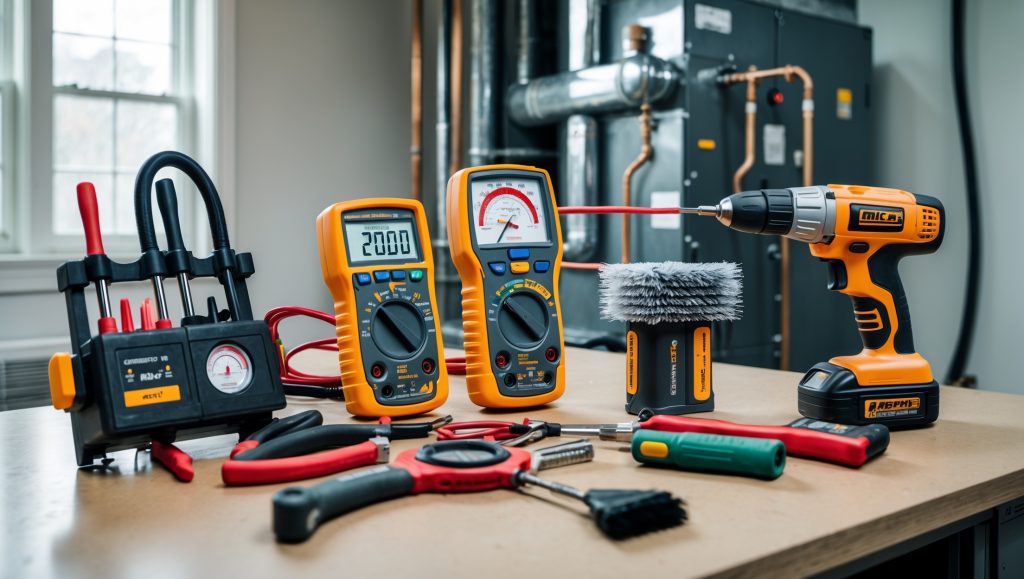
Introduction: Why Every Boston Property Owner Needs the Right HVAC Tools
Owning a home or business in Boston means dealing with dramatic temperature swings, salty coastal air, and the demands of both historic and modern buildings. Having a reliable HVAC system is not just about comfort—it’s about protecting your property, your health, and your investment. But when unexpected issues arise or routine maintenance is due, waiting for a service call can mean unnecessary discomfort, expense, and even preventable system damage. That’s why Boston property owners who keep a core set of HVAC tools on hand are better equipped to handle common problems, perform preventative maintenance, and communicate more effectively with professionals when expert intervention is required.
This comprehensive guide covers the essential HVAC tools every Boston homeowner and business operator should own, why each tool matters, and practical advice for safe, effective use. Whether you’re interested in tackling basic tasks yourself, preparing for emergencies, or simply wanting to avoid being caught off-guard by technician questions, these tools will empower you to take a more active role in your property’s comfort and efficiency. Plus, we’ll share pro tips specific to Boston’s unique climate and building stock, so you can get the most value from your toolkit—no matter your skill level.
The Core HVAC Toolkit: What You Need and Why
1. Screwdrivers: The Foundation of HVAC Work
At the heart of every HVAC toolkit are high-quality screwdrivers. Nearly every HVAC component—thermostat covers, furnace panels, air handler doors—relies on screws for access. A set including both Phillips and flathead drivers in various sizes is essential.
- Tip: Choose magnetic tips for easier handling of screws in tight spaces.
- Boston Note: Older properties may still use slotted screws—don’t skip the flatheads.
2. Cordless Drill/Driver: Speed and Versatility
Many panels and mounting brackets require more torque or repetitive fastening than a manual screwdriver can offer. A cordless drill with a clutch and variable speed is ideal for installing, removing, or tightening hardware.
- Invest in a model with a built-in LED for dim basements or attics.
- Keep extra charged batteries—cold Boston winters can drain them faster.
3. Digital Multimeter: Electrical Diagnostics Essential
Modern HVAC systems rely on electronic controls and sensors. A digital multimeter allows you to safely check voltage, continuity, resistance, and occasionally amperage, helping you diagnose basic electrical faults and confirm power before working on equipment.
- Look for models with auto-ranging and clear, backlit displays.
- Always double-check for live circuits before touching wires.
4. HVAC-Specific Thermometer: Accurate Temperature Readings
Measuring air supply and return temperatures, refrigerant line temperatures, or even room temperature is critical for diagnosing uneven heating/cooling or poor system performance. An HVAC-specific thermometer, preferably digital and with a probe, is more accurate than a basic household model.
- Infrared thermometers are helpful for non-contact readings, especially in tight spots.
- Keep a spare set of batteries on hand.
5. Fin Comb: Restoring Damaged Coil Fins
Outdoor condenser coils and indoor evaporator coils are vulnerable to bent fins, which can reduce airflow and efficiency. A fin comb—sized to match your system’s coil—lets you gently straighten these fins and restore proper operation.
- Use only light pressure to avoid puncturing delicate tubing.
- Clean coils before straightening for best results.
6. Coil Cleaning Brush and Sprayer: Essential for Boston’s Gritty Air
Boston’s mix of old brick, salt air, pollen, and urban debris means coil fouling is common. A dedicated coil cleaning brush, along with a non-corrosive coil cleaner and hand-pump sprayer, is essential for keeping coils free of buildup.
- Brush gently along the direction of fins.
- Rinse thoroughly to avoid chemical residue.
7. Refrigerant Gauge Set: For Advanced DIYers
If you’re comfortable with more advanced diagnostics (and have EPA Section 608 certification if handling refrigerants), a set of manifold gauges lets you check system pressures, identify refrigerant leaks, and confirm proper charge. For most basic owners, this is optional—but invaluable for those who want to understand their system deeply.
- Never connect gauges to a system unless you’re trained—improper use can be hazardous.
- Digital gauges offer more precise readings and better data logging.
8. Wet/Dry Vacuum: Clearing Drain Lines and Cleaning Up
Condensate drain blockages are a leading cause of water damage in Boston basements and utility rooms. A small wet/dry vac is perfect for clearing lines, cleaning up debris, and even vacuuming dust from around sensitive components.
- Use a dedicated hose for HVAC tasks to avoid cross-contamination.
- Empty after each use to prevent mold growth.
9. Flashlight or Headlamp: See What You’re Doing
Many HVAC components are tucked away in dark corners, crawlspaces, or attics. A high-lumen LED flashlight or a hands-free headlamp ensures you can see labels, wiring, and small parts clearly.
- Choose a model with adjustable brightness for versatility.
- Store with extra batteries in your toolkit.
10. Utility Knife and Tape Measure: The Basics Done Right
Cutting insulation, opening boxes, or measuring duct runs and clearances all require simple, reliable tools. A sharp utility knife and a sturdy 25-foot tape measure round out your must-have kit.
- Retractable blades are safer for storage.
- Look for tape measures with easy-to-read markings.
Bonus Tools for the Serious Boston DIYer
Leak Detector: Stay Ahead of Costly Refrigerant Loss
Electronic leak detectors can identify even tiny refrigerant leaks before they lead to costly repairs or efficiency losses. Useful for property owners with older systems or those who suspect leaks due to performance drops.
Vacuum Pump: For Deep System Maintenance
If you ever replace major components or need to evacuate moisture from a system, a quality HVAC vacuum pump is essential. Only attempt this if you’re trained and certified.
Pipe Wrenches and Tubing Cutters: For Ductless and Boiler Systems
Boston’s many hydronic and ductless mini-split systems often require pipe work. Adjustable pipe wrenches and tubing cutters make these jobs possible—but always shut off water or refrigerant lines before use.
How to Use Your HVAC Tools Safely and Effectively
Electrical Safety Basics
Before working on any HVAC component, turn off power at the breaker. Use your multimeter to confirm circuits are dead before touching wires. Never bypass safety switches or attempt repairs beyond your skill level—incorrect repairs can void warranties or cause hazardous conditions.
Cleaning and Maintenance Etiquette
Wear gloves and eye protection when cleaning coils or handling chemicals. Dispose of debris and used filters responsibly. Keep work areas clear to avoid accidental damage to electrical components or finished surfaces.
Proper Storage and Care
Store tools in a dry, accessible location—preferably in a dedicated toolbox or caddy. Clean tools after each use, replace batteries as needed, and check for wear on blades and bits. Proper maintenance extends the life of your investment and ensures tools are always ready when needed.
When to Call a Boston HVAC Professional
Even with the right tools, some HVAC issues require licensed expertise. If you encounter:
- Refrigerant leaks (without certification)
- Major electrical faults (tripped breakers, burned wiring)
- Gas leaks or suspected carbon monoxide
- Unusual noises you can’t identify
- Persistent poor performance after basic maintenance
Contact a qualified Boston HVAC technician. Use your toolkit to gather information and make the service call more productive: document temperature readings, note error codes, and describe what you’ve already checked. This can speed diagnosis and reduce labor costs.
Boston-Specific HVAC Tool Tips
Dealing with Coastal Corrosion
Salt-laden air near Boston Harbor can accelerate corrosion on outdoor units and tools. Rinse tools with fresh water after use outdoors, and inspect coil fins for pitting or rust seasonally.
Historic Homes Require Extra Caution
Antique wiring, unusual ductwork, and tight access are common in Boston’s older homes. Choose compact tools, be gentle to avoid damaging plaster or woodwork, and never force panels or covers that seem stuck.
Preparing for Boston Winters
Store tools indoors to prevent freezing of lubricants or batteries. Keep a portable heater on hand for longer tasks in unheated spaces. Consider adding a humidity meter to your kit to monitor for wintertime dryness, which can affect both comfort and system performance.
Building Your HVAC Toolkit: Practical Shopping Guide
Don’t overspend on features you won’t use, but do invest in quality for safety-critical items like multimeters and drills. Boston-area hardware stores and HVAC supply houses often carry contractor-grade versions that outperform big-box specials. Look for warranties, ergonomic designs, and weather-resistant materials.
- Starter Kit: Screwdrivers, cordless drill, flashlight, utility knife, tape measure, basic thermometer.
- Intermediate Kit: Add multimeter, coil brush, fin comb, wet/dry vacuum.
- Advanced Kit: Include refrigerant gauges, leak detector, vacuum pump, specialty wrenches if you’re comfortable with DIY repairs.
Conclusion: Empower Yourself for Better Comfort and System Reliability
Owning the right HVAC tools is about more than just saving money—it’s about maximizing comfort, minimizing downtime, and preserving the value of your Boston property. With this essential toolkit, you’re prepared for common maintenance tasks, smarter troubleshooting, and more productive conversations with professionals. You’ll be able to spot small issues before they turn into major headaches, keep your system running efficiently through Boston’s harshest seasons, and make informed decisions about upgrades or repairs.
Remember, effective HVAC care is a partnership between knowledgeable property owners and skilled technicians. By investing in these tools and learning their safe use, you’ll build confidence and resilience—whether you’re facing a sudden cold snap, planning a spring tune-up, or simply want to know your home or business is prepared for whatever Boston’s climate throws your way. Start building your HVAC toolkit today, and enjoy the peace of mind that comes from being ready, resourceful, and proactive about your property’s comfort and efficiency.