
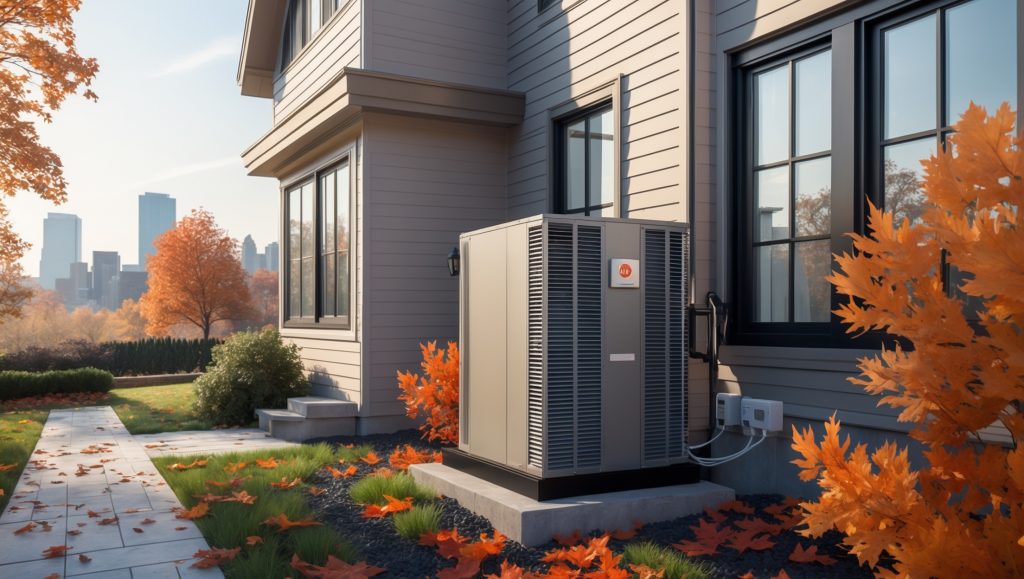
Introduction: Unlocking Savings with Boston HVAC Rebates and Incentives
For Boston homeowners and business owners, the cost of upgrading or maintaining an HVAC system can be daunting. But what if you could cut those costs significantly—sometimes by hundreds or even thousands of dollars—simply by tapping into local, state, and utility-backed rebates and incentives? If you’ve never explored these opportunities, you’re leaving money on the table. Boston and Massachusetts offer some of the nation’s most robust programs for energy efficiency upgrades, including HVAC systems. From high-efficiency heat pumps to smart thermostats, rebates and incentives are designed to encourage both residential and commercial properties to adopt greener, more efficient solutions. In this in-depth guide, you’ll learn how to navigate Boston’s complex landscape of HVAC rebates, avoid common pitfalls, and maximize your return on investment with practical, actionable strategies. Whether you’re planning a system replacement, upgrading components, or scheduling preventive maintenance, understanding the full scope of available incentives is essential for any savvy property owner in Boston’s challenging climate.
Understanding the Landscape: Who Offers HVAC Rebates in Boston?
Multiple entities provide HVAC incentives in Boston, each with their own eligibility rules, application processes, and funding limitations. The primary players include:
- Mass Save®: The state’s flagship energy efficiency program, supported by Massachusetts’ major utilities and energy providers.
- City of Boston: Offers occasional targeted incentive programs, particularly for low-income households and historic properties.
- Federal Tax Credits: The IRS grants tax deductions or credits for qualifying energy-efficient HVAC installations.
- Manufacturer Rebates: Brands like Carrier, Trane, and Mitsubishi Electric often run seasonal promotions for specific products.
- Local Utility Companies: Eversource, National Grid, and others sometimes offer direct rebates or bill credits for qualifying upgrades.
These programs frequently change, so it’s critical to check the latest offerings and deadlines before making any purchase or scheduling work. Combine multiple incentives whenever possible for maximum savings.
Types of HVAC Upgrades and Qualifying Equipment
Not all HVAC work qualifies for rebates or incentives. Most programs focus on energy efficiency and environmental impact. Eligible upgrades typically include:
- High-Efficiency Air Source Heat Pumps: Ducted and ductless mini-split systems with high SEER/HSPF ratings.
- Central Air Conditioners: Must meet strict minimum efficiency standards (usually SEER 16+).
- Furnace and Boiler Replacements: Gas, oil, or electric units with high AFUE ratings (often 95%+).
- Smart Thermostats: Wi-Fi enabled models eligible for instant rebates or free installation in some programs.
- Energy Recovery Ventilators (ERVs) and Advanced Controls: Sometimes included for commercial projects.
- Weatherization and Insulation: Rebates may apply if bundled with HVAC work, significantly enhancing overall efficiency.
Routine maintenance, like filter changes or tune-ups, rarely qualifies—unless wrapped into a larger efficiency project. Work with a Mass Save® certified contractor to ensure eligibility.
Step-by-Step: How to Find and Apply for Boston HVAC Rebates
Step 1: Assess Your Needs and Goals
Identify whether you need a full system replacement, an upgrade to specific components, or a new installation. Know your current system’s age, capacity, and efficiency ratings. Establish clear goals—lower energy bills, improved comfort, or environmental impact.
Step 2: Research Available Incentives
Start with the Mass Save® website. Use their search tool to find current rebates for your equipment type and property (residential, multifamily, commercial). Check your utility company’s site and inquire about city-specific programs. Don’t forget manufacturer promotions—these can stack with other offers.
Step 3: Schedule a Home or Site Energy Assessment
Most major rebates require a professional energy assessment or audit, especially when dealing with Mass Save®. This assessment is usually free and includes:
- Whole-building efficiency evaluation
- Personalized recommendations for upgrades
- Confirmation of eligibility for specific rebates
Book your assessment early, especially during peak seasons (spring and fall), as appointments fill up quickly in Boston.
Step 4: Work With Qualified Contractors
Most programs require installation by a licensed, program-approved contractor. This ensures the work meets local building codes and program specifications. Ask potential contractors if they participate in Mass Save® and are familiar with the rebate paperwork. Many will even handle the paperwork for you.
Step 5: Secure Pre-Approval if Needed
Certain incentives, especially for large commercial upgrades, require pre-approval before work begins. Submit all required documentation, including project scope, equipment specs, and contractor bids, to the relevant program administrator.
Step 6: Complete the Installation or Upgrade
Ensure all work is performed to code and that the installed equipment matches the models listed on your rebate application. Save all invoices, model numbers, and serial numbers—you’ll need them for submission.
Step 7: Submit Your Rebate Application
Most rebates are claimed online. Attach required documents:
- Proof of purchase and installation
- Completed W-9 form (for certain rebates)
- Photos of equipment (if requested)
- Manufacturer specification sheets
Submit your application promptly—many programs have tight deadlines, often 60–90 days post-installation.
Step 8: Track Your Rebate Status and Payment
Rebates can take anywhere from 4–12 weeks to process. Keep your confirmation number and check status online. Don’t hesitate to follow up if you haven’t received your rebate within the expected time frame.
Spotlight: Current (2024) Boston HVAC Rebates and Incentives
Residential Highlights
- Heat Pump Rebates: Up to $10,000 per home for qualifying air-source heat pump installations through Mass Save®.
- Central AC: $200–$500 per unit for high-efficiency replacements.
- Smart Thermostats: Instant discounts or free models for Eversource and National Grid customers.
- Weatherization Bonus: Additional incentives when combining insulation upgrades with HVAC improvements.
Commercial Highlights
- Custom HVAC Rebates: Tailored for larger commercial buildings, with incentives based on projected energy savings. Includes VRF systems, chillers, and advanced controls.
- Small Business Direct Install: Heavily subsidized upgrades and on-bill financing for qualifying small businesses.
Federal Tax Credits (as of 2024)
- Up to 30% of project costs for heat pumps and other qualifying high-efficiency systems (subject to maximum limits).
- Credits available for both primary residences and certain commercial properties under the Inflation Reduction Act.
Key Tip: Incentive levels, qualifying models, and application procedures change frequently. Consult the latest program documentation and confirm details before committing to any purchase.
Common Mistakes to Avoid When Pursuing HVAC Incentives
- Missing Deadlines: Submitting paperwork late is the #1 reason for denied rebates. Set reminders and act fast after installation.
- Choosing Non-Qualifying Equipment: Even a minor mismatch (wrong model, size, or efficiency rating) can invalidate your rebate. Double-check all specs against program lists.
- DIY Installations: Most incentives require professional, licensed installation. DIY projects are almost never eligible.
- Not Using Approved Contractors: Always verify that your installer participates in the relevant incentive program.
- Overlooking “Stacking” Opportunities: You can often combine state, federal, and manufacturer rebates. Don’t leave money on the table by settling for just one.
- Forgetting Pre-Approval: Some large projects require pre-authorization. Never start work without written approval if required.
- Neglecting to Save Documentation: Keep invoices, serial numbers, and any other required materials for at least two years.
Budgeting for Upgrades: How Incentives Impact Your Bottom Line
Understanding the real-world financial impact of HVAC incentives is crucial for planning. Here’s how to factor rebates into your budgeting process:
- Get Written Estimates: Ask contractors to provide quotes showing the full project cost before and after applicable rebates and incentives.
- Consider Financing Options: Programs like Mass Save® HEAT Loan offer 0% financing for qualifying energy improvements—often stackable with rebates.
- Calculate Payback Period: Subtract the total incentives (including future energy savings) from your upfront cost to estimate the true payback period.
- Plan for Cash Flow: Some rebates are paid as bill credits, others as checks. Know when to expect each type of payment.
For major projects—like installing a whole-home heat pump system—rebates can reduce costs by 20–40%. Always ask your contractor to help you model the financial impact, including the long-term savings from lower utility bills.
Frequently Asked Questions About Boston HVAC Incentives
Can I claim rebates for maintenance or repairs?
Routine maintenance is generally not eligible for rebates, unless bundled within a qualifying efficiency project. Some utilities offer limited-time tune-up incentives—check with your provider.
Are incentives available for rental or multi-family properties?
Yes, many programs offer special incentives for landlords and multi-unit buildings. Mass Save® provides enhanced rebates for income-eligible and multifamily properties.
How soon will I receive my rebate?
Processing times vary, but most rebates are paid within 4–12 weeks of application approval. Federal tax credits are claimed when you file your annual return.
Is there a limit to the number of rebates I can claim?
Some programs have annual or lifetime limits per property or customer. Check the rules for each specific incentive.
What if my contractor isn’t familiar with rebate programs?
Consider finding a new contractor. The best HVAC professionals in Boston know these programs inside and out and often handle the paperwork for you.
Pro Tips for Maximizing Your HVAC Incentive Savings
- Time Your Project: Large rebates often launch in spring or fall. Schedule upgrades to coincide with new funding cycles.
- Bundle Upgrades: Combine HVAC work with insulation or air sealing to unlock bonus incentives and maximize comfort.
- Keep Documentation Organized: Create a digital folder for all rebate-related paperwork, communication, and photos.
- Consult an Energy Advisor: Mass Save® and some contractors offer free consultations to help you plan the most cost-effective upgrades.
- Stay Informed: Sign up for updates from Mass Save®, your utility, and trusted local HVAC pros to hear about new or limited-time offers.
Conclusion: Turn Boston’s HVAC Incentives Into Real Savings and Comfort
Boston’s challenging climate demands efficient, reliable HVAC systems—but replacing or upgrading your equipment doesn’t have to break the bank. With an array of rebates, incentives, and financing options available through Mass Save®, local utilities, manufacturers, and federal programs, savvy homeowners and business owners can dramatically reduce upfront costs while boosting year-round comfort and slashing energy bills. The key is preparation: research the latest offerings, work with qualified contractors, and keep meticulous records throughout the application process. By following the step-by-step approach outlined in this guide, you can confidently navigate the maze of Boston’s incentive programs, avoid common mistakes, and make the smartest possible investment in your property’s future. Don’t let these valuable opportunities slip by—every dollar you save today not only sweetens your bottom line but also contributes to a more sustainable, comfortable, and resilient Boston community. Start your rebate journey now and enjoy the rewards for years to come.