
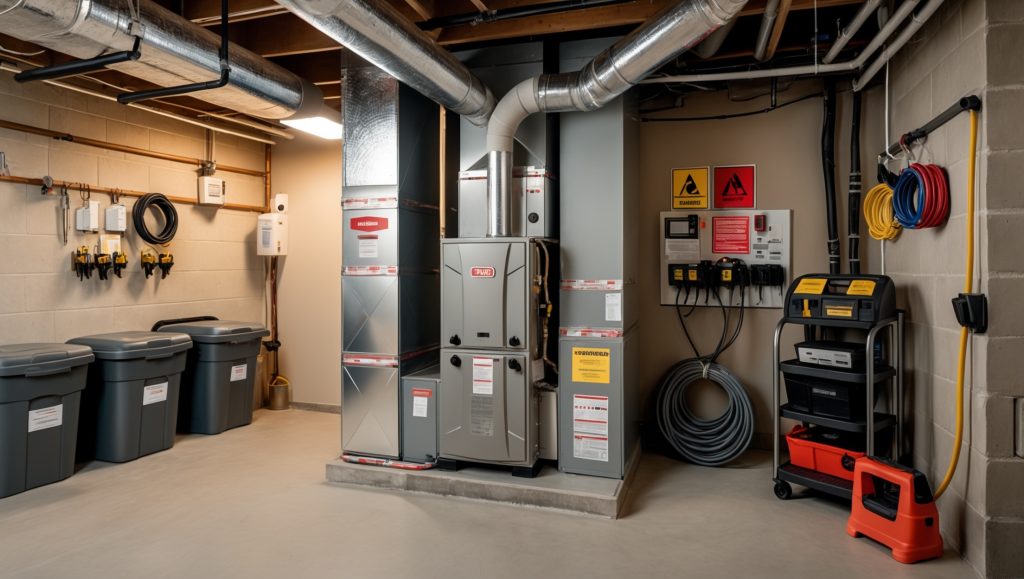
Introduction: Why HVAC Safety Matters for Every Boston Property
Boston’s climate throws everything at your HVAC system: freezing winters, steamy summers, salt-laden coastal air, and the challenges of both historic and modern buildings. For homeowners and business owners alike, a well-maintained heating, ventilation, and air conditioning (HVAC) system is essential for comfort—but safety should be your first priority. Improperly maintained or neglected HVAC equipment can cause more than discomfort; it can lead to fire hazards, carbon monoxide leaks, electrical failures, water damage, and even costly property loss. Local building codes and insurance policies increasingly demand regular safety checks. Yet, many property owners don’t know where to start or what to look for beyond changing a filter. This guide delivers a step-by-step HVAC safety checklist tailored for Boston properties, packed with actionable details to help you prevent accidents, stay compliant, and extend your system’s lifespan. Whether you handle maintenance yourself or work with professionals, these safety best practices are your blueprint for peace of mind and reliable comfort, all year round.
Section 1: Understanding the Safety Risks of Boston HVAC Systems
1.1 Common Hazards in Boston’s Climate and Building Stock
Boston’s unique mix of weather conditions and building types introduces specific HVAC safety risks:
- Carbon Monoxide Exposure: Older gas furnaces and boilers are common in Boston and can leak CO if not regularly inspected.
- Fire Hazards: Dust, debris, and electrical faults in HVAC wiring can spark fires, especially in older homes or converted commercial spaces.
- Water Damage and Mold: Condensate leaks and clogged drains can flood basements or crawl spaces, fostering mold growth and structural damage.
- Electrical Shock: Faulty wiring or improper DIY repairs can expose occupants and service personnel to shock risks.
- Poor Air Quality: Neglected systems can circulate dust, allergens, and even pests, impacting indoor air quality and health.
1.2 Regulatory Considerations and Legal Compliance
Boston enforces strict building codes and safety standards. Insurance carriers often require documented HVAC inspections—especially for multi-family or commercial properties. Failing to maintain safety can result in denied claims, fines, or even forced system shutdowns by local authorities.
Section 2: The Essential Boston HVAC Safety Checklist
2.1 Visual Inspection: What to Look for Every Season
- System Clearances: Ensure a minimum of 3 feet of clearance around all HVAC units. Remove storage items, debris, and flammable materials.
- Vents and Flues: Check for blockages, rust, or loose connections in all exhaust and intake vents—especially after heavy snowfall or storms.
- Signs of Water Leaks: Look for puddles, stains, or corrosion near air handlers, furnaces, and ductwork. Inspect the area under attic or rooftop units.
- Wiring and Electrical Panels: Examine for exposed wires, burnt smells, or tripped breakers. Never ignore recurring breaker trips—they signal deeper issues.
- Thermostat Function: Test for accurate temperature control and responsive operation.
2.2 Filter and Airflow Safety
- Filter Replacement: Replace filters every 1–3 months, or more frequently if you’re near construction sites or have pets.
- Air Return Grills: Ensure all returns are unobstructed and clean. Blocked returns can cause system strain and safety shutdowns.
- Supply Vents: Confirm all vents are open and free of furniture, drapes, or dust buildup.
2.3 Combustion Safety (For Gas and Oil Systems)
- CO Detector Testing: Test carbon monoxide detectors monthly. Replace batteries every six months. Place detectors near sleeping areas and utility rooms.
- Flame Inspection: Check pilot lights and burner flames. Yellow or flickering flames indicate incomplete combustion and possible CO production.
- Fuel Line Inspection: Examine gas/oil lines for corrosion, leaks (sniff for odors), or loose fittings. If in doubt, shut off the supply and call a pro.
- Combustion Air Intake: Make sure dedicated air intakes are clear and unobstructed, especially in tightly sealed or remodeled homes.
2.4 Electrical Safety
- Disconnect Switches: Verify that shutoff switches are labeled, accessible, and operational for each unit.
- GFCI Protection: Confirm that outlets near HVAC equipment, especially in basements or exterior locations, are GFCI-protected.
- Grounding: Inspect grounding wires and connections for corrosion or looseness.
- Panel Labels: Clearly label HVAC circuits in your electrical panel for quick shutdown in an emergency.
2.5 Refrigerant and Chemical Handling
- Line Insulation: Inspect refrigerant lines for missing or damaged insulation to prevent condensation and heat loss.
- Leak Detection: Smell for unusual chemical odors; listen for hissing sounds. If you suspect a refrigerant leak, contact a licensed technician immediately.
- Storage: Keep refrigerant containers sealed, upright, and stored away from heat sources.
2.6 Condensate Drainage and Pump Safety
- Drain Line Inspection: Check for clogs, algae buildup, or disconnected pipes. Pour a cup of water into the drain pan to test flow.
- Condensate Pump Test: If you use a pump, trigger it to verify it cycles on and off correctly, and check the float mechanism.
- Secondary Drain Pan: Ensure any auxiliary pan is rust-free and the overflow switch (if present) is operational.
2.7 Duct and Airflow Safety
- Secure Ductwork: Check that all duct joints are tightly sealed and supported—loose ducts can collapse or leak conditioned air.
- Mold and Debris: Shine a flashlight into accessible ducts to spot dust, insulation, or mold. Have visible mold professionally remediated.
- Fire Dampers: In multi-unit or commercial buildings, verify fire dampers are unobstructed and tested per code.
2.8 Safety Device Check
- Smoke Detectors: Test smoke alarms near HVAC equipment monthly. Replace batteries and units per manufacturer’s schedule.
- Emergency Shutoffs: Make sure all building occupants know how to shut down HVAC units in an emergency.
- Pressure Relief Valves: For boilers and water heaters, confirm relief valves are not leaking and discharge pipes are unobstructed.
Section 3: Advanced Safety Protocols for Boston Businesses and Landlords
3.1 Commercial and Multi-Family Considerations
Businesses, landlords, and property managers have added responsibilities under Boston regulations and insurance requirements:
- Schedule professional HVAC safety inspections at least annually, with documentation for insurance and code compliance.
- Train staff or tenants on emergency procedures, including location of shutoff switches and evacuation routes.
- Install lockout/tagout devices on equipment to prevent unauthorized access during maintenance.
- Maintain clear access paths to all HVAC units, electrical panels, and fire dampers.
3.2 Recordkeeping and Documentation
- Keep logs of all safety inspections, filter changes, and repairs (date, issue, technician).
- File copies of permits and inspection reports for at least three years.
- Photograph pre- and post-maintenance conditions for insurance purposes.
3.3 Special Considerations for Historic Boston Properties
- Ensure that upgrades or repairs do not compromise fire barriers or egress routes.
- Use only licensed contractors familiar with local code and historic building requirements.
- Pay extra attention to older wiring, chimneys, and flue liners.
Section 4: When to Call a Professional vs. DIY Safety Tasks
4.1 Tasks Safe for Most Owners
- Filter replacement
- Visual inspections for leaks, corrosion, or blockages
- Testing detectors and thermostat operation
- Clearing debris from around outdoor units
4.2 Tasks That Require a Licensed HVAC Technician
- Gas line repairs or adjustments
- Refrigerant handling or leak repair
- Electrical work inside panels, wiring replacement
- Combustion analysis and burner adjustment
- Duct cleaning for mold or heavy debris
Never attempt repairs outside your expertise—Boston code and insurance policies may require licensed professionals for many safety-critical tasks.
Section 5: Seasonal Safety Checklist—Boston Edition
5.1 Spring Startup
- Inspect outdoor condenser for winter debris or pest nests
- Test system cooling and verify refrigerant charge (pro only)
- Flush condensate drain lines
- Check for storm damage to roof or attic-mounted units
5.2 Summer Operation
- Monitor for unusual noises or vibrations
- Check insulation on refrigerant lines
- Ensure proper airflow at all vents (doors/windows closed during operation)
5.3 Fall Preparation
- Test heating system before the first cold snap
- Inspect fuel lines and burners
- Clear leaves and vegetation from around exterior units
5.4 Winter Vigilance
- Keep snow and ice clear from vents, intakes, and outdoor units
- Monitor for CO detector alarms and replace batteries
- Inspect for ice dams near roof-mounted equipment
Section 6: Creating a Culture of HVAC Safety in Your Property
6.1 Educating Occupants and Staff
- Hold annual safety briefings or distribute checklists to tenants and employees
- Post emergency contact numbers and shutoff locations in utility rooms
- Encourage prompt reporting of leaks, odors, or unusual noises
6.2 Emergency Preparedness
- Keep a fire extinguisher accessible near HVAC equipment (but not on top of or blocking units)
- Review evacuation plans and ensure clear paths from mechanical rooms
- Maintain backup heating or cooling options for vulnerable occupants
Conclusion: Making HVAC Safety Routine—Your Best Defense Against Disaster
HVAC safety isn’t just a checklist item—it’s an ongoing commitment that protects your property, finances, and the people who live or work under your roof. In Boston’s demanding climate, proactive safety habits are crucial. By following the steps outlined in this guide, you’re not just reducing the risk of fire, carbon monoxide, electrical failure, or costly property damage; you’re also extending the life of your HVAC investment and ensuring reliable comfort all year. Remember that even the best-maintained systems need a professional’s eye at least once a year, and documentation of your diligence can prove invaluable in the event of an insurance claim or inspection. Make safety checks a part of your property management routine, educate those who share your space, and stay up-to-date with Boston’s evolving codes and best practices. Investing a little time and attention now can prevent emergencies, protect your bottom line, and give you true peace of mind. For questions beyond this checklist or for complex repairs, always consult a licensed Boston HVAC professional. Stay safe, stay comfortable, and enjoy all that your property has to offer.