
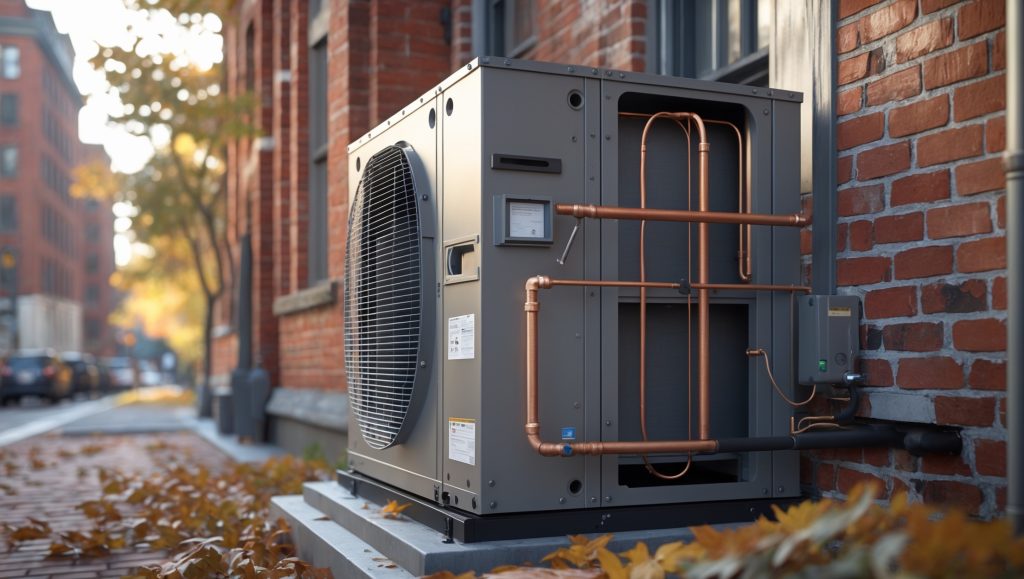
When it comes to heating, ventilation, and air conditioning (HVAC), Boston property owners face a unique set of financial considerations. Between the city’s historic architecture, variable climate, and evolving energy standards, budgeting for HVAC installations, repairs, and upgrades can be challenging. Whether you’re a homeowner planning a new central air system or a business owner aiming to optimize your building’s year-round comfort, understanding the true costs involved is critical to making informed decisions.
In this comprehensive guide, we’ll break down the actual costs associated with HVAC projects in Boston. We’ll cover everything from initial system selection and installation to ongoing maintenance, emergency repairs, and energy-saving upgrades. You’ll discover what factors most impact your bottom line—plus practical tips for controlling expenses without sacrificing comfort or compliance. By the end, you’ll be equipped to create an accurate HVAC budget that anticipates both expected and hidden costs, ensuring your investment delivers reliable climate control for years to come.
Understanding Boston’s HVAC Landscape
Climate Considerations and Building Diversity
Boston’s humid continental climate means residents experience hot, sticky summers and freezing, snowy winters. This wide temperature swing places heavy demands on both heating and cooling systems. Complicating matters further, Boston’s housing stock ranges from 19th-century brownstones to sleek new condos and glass-walled office towers, each with unique HVAC requirements.
- Older Homes: Often need retrofits to accommodate modern HVAC systems.
- New Construction: May allow for more efficient, integrated systems but often face higher upfront costs.
- Commercial Spaces: Require larger, more complex equipment and controls for multi-zone comfort.
Major HVAC Cost Categories in Boston
1. System Selection and Sizing
Choosing the right system type and capacity is the foundation of your HVAC investment. Boston property owners most often consider:
- Central Air Conditioning (ducted or ductless mini-split)
- Furnaces (gas, oil, electric, or dual-fuel)
- Heat Pumps (air-source or geothermal)
- Boilers and Radiant Heat
Typical Equipment Costs:
- Central AC: $3,500–$7,500 (home); $7,000–$30,000+ (business, depending on size)
- Furnace: $2,500–$6,000 (gas); $4,000–$10,000 (oil)
- Heat Pump: $4,500–$12,000 (home); $12,000–$50,000+ (commercial)
- Boiler: $5,000–$15,000 (residential); $20,000+ (commercial)
Proper sizing is crucial—oversized or undersized systems waste energy and money. Professional load calculations can cost $200–$500 but may prevent thousands in future inefficiency.
2. Installation and Labor Fees
Labor is a substantial portion of any HVAC project in Boston due to prevailing wage rates and local regulatory requirements.
- Residential installation labor: $2,000–$5,000
- Commercial install labor: $5,000–$25,000+
Additional costs may include:
- Ductwork fabrication or modification: $1,000–$5,000+
- Electrical upgrades: $500–$3,000
- Permitting and inspection: $150–$1,000
3. Ongoing Maintenance and Service
Regular maintenance not only extends equipment life but also preserves energy efficiency. Boston’s climate means both heating and cooling systems are used heavily, requiring:
- Semi-annual professional tune-ups: $150–$400 each visit
- Filter replacements: $50–$200 per year
- Annual duct cleaning (optional): $300–$700
Businesses often invest in maintenance contracts, which can range from $500 to $2,500+ annually depending on system complexity.
4. Emergency Repairs
Inevitable system breakdowns can quickly strain your HVAC budget, especially during Boston’s temperature extremes. Common repair costs include:
- Blower motor replacement: $400–$1,200
- Refrigerant recharge (now R410A, not R22): $300–$600
- Compressor replacement: $1,500–$3,000
- Ignition or control board repairs: $300–$800
After-hours or emergency calls may double these rates. Consider setting aside 5–10% of your annual HVAC spend for unexpected repairs.
5. Upgrades for Efficiency and Air Quality
Boston’s drive for greener buildings and cleaner air means many property owners pursue upgrades beyond basic repair or replacement:
- Smart thermostats: $250–$600 installed
- Air purifiers or UV lights: $400–$1,500
- High-efficiency filters (MERV 13+): $100–$400 per year
- Variable-speed blowers: $1,000–$2,500
- Zoning controls (for multi-story homes or offices): $2,000–$5,000
Many of these upgrades may qualify for local incentives—always check with Mass Save or your utility provider for rebates.
Hidden and Overlooked HVAC Expenses
Code Compliance and Permitting
Boston’s building codes are among the strictest in the country. Permitting for HVAC installations is often required and may take several weeks. Skipping this step can lead to fines, forced rework, or even denial of insurance claims. Budget for at least $150–$1,000 in permit and inspection fees.
Historic Building Challenges
Retrofitting HVAC in historic Boston homes can uncover surprises such as knob-and-tube wiring, asbestos insulation, or limited ductwork space. Remediation costs can quickly add $2,000–$10,000+ to your project. Always request a detailed pre-installation inspection and factor in contingency funds.
Temporary Comfort Solutions
During larger installations or repairs, you may need to provide temporary heating or cooling for tenants or staff. Rental costs for portable units run $100–$500 per week.
Budgeting Strategies for Boston HVAC Projects
Get Multiple Detailed Quotes
Prices can vary widely between contractors—sometimes by 30% or more. Always request itemized quotes specifying:
- Equipment make/model and warranty terms
- Labor breakdown
- Permitting, disposal, and ancillary fees
- Timeline and payment schedule
For commercial projects, consider requesting performance-based contracts (e.g., energy savings guarantees).
Factor in the Total Cost of Ownership
Lowest bid rarely equals lowest overall cost. Consider:
- Energy efficiency ratings (SEER, AFUE, HSPF)
- Anticipated maintenance and repair needs
- Warranty coverage (parts, labor—ideally 10+ years for major components)
- Potential resale value impact
Plan for Lifecycle Replacements
Most HVAC systems last 12–20 years, but Boston’s climate can shorten this. Maintain a capital reserve fund for:
- Full system replacement
- Major component failure (compressors, heat exchangers)
- Infrastructure upgrades (ductwork, insulation)
For businesses, depreciation schedules can help smooth these costs over time.
Leverage Rebates and Financing
Check Mass Save, the City of Boston, and your utility for rebates on qualifying high-efficiency equipment, smart controls, and air quality upgrades. Many offer 0% interest financing for eligible projects, which can make premium systems more affordable upfront.
Real-World Cost Scenarios
Homeowner Example: Central AC Replacement
- New 3-ton central AC: $4,500
- Installation labor: $2,500
- Ductwork modifications: $1,200
- Permit/inspection: $350
- Smart thermostat upgrade: $400
- Total: $8,950 (before any rebates)
Business Example: Rooftop HVAC Unit Upgrade
- 5-ton rooftop package unit: $8,000
- Installation labor: $6,000
- Craning and structural reinforcement: $3,500
- Electrical upgrades: $2,000
- Permit/inspection: $800
- Air quality upgrade (MERV 13 filter bank): $1,200
- Total: $21,500 (before rebates, tax incentives, or depreciation)
Tips for Controlling HVAC Costs in Boston
- Schedule off-season work (spring/fall) to secure better pricing and avoid delays.
- Bundle upgrades (e.g., insulation, smart thermostats) to access larger rebates and improve system performance.
- Request extended warranties and clarify what’s covered.
- Invest in regular maintenance to catch small issues before they become expensive breakdowns.
- Educate tenants or staff on proper system use to reduce unnecessary strain and service calls.
- Keep detailed records of all work for warranty, insurance, and future resale value.
Conclusion: Making Smart HVAC Investments in Boston
HVAC systems represent one of the largest investments Boston property owners make in their buildings’ comfort, efficiency, and long-term value. By understanding the full scope of costs—equipment, labor, maintenance, upgrades, and hidden expenses—you can avoid unpleasant surprises and ensure your project delivers maximum ROI. Don’t be tempted by bargain-basement quotes that cut corners on sizing, compliance, or warranty protection. Instead, take the time to gather multiple itemized bids, plan for the system’s entire lifecycle, and investigate all available rebates and financing options.
For homeowners, a well-planned HVAC upgrade can reduce utility bills, boost indoor air quality, and add significant resale value. For business owners, maintaining a reliable, efficient climate control system keeps employees and clients comfortable and safeguards productivity. In both cases, proactive budgeting and regular maintenance are the keys to minimizing long-term costs. With Boston’s challenging climate and strict building codes, partnering with reputable, licensed contractors who understand local requirements is essential to a successful outcome.
Ready to take the next step? Start by assessing your property’s unique needs, request multiple detailed quotes, and don’t hesitate to ask tough questions about long-term costs and coverage. With the right information and planning, your HVAC investment will keep your Boston property comfortable, compliant, and cost-effective for many years to come.