
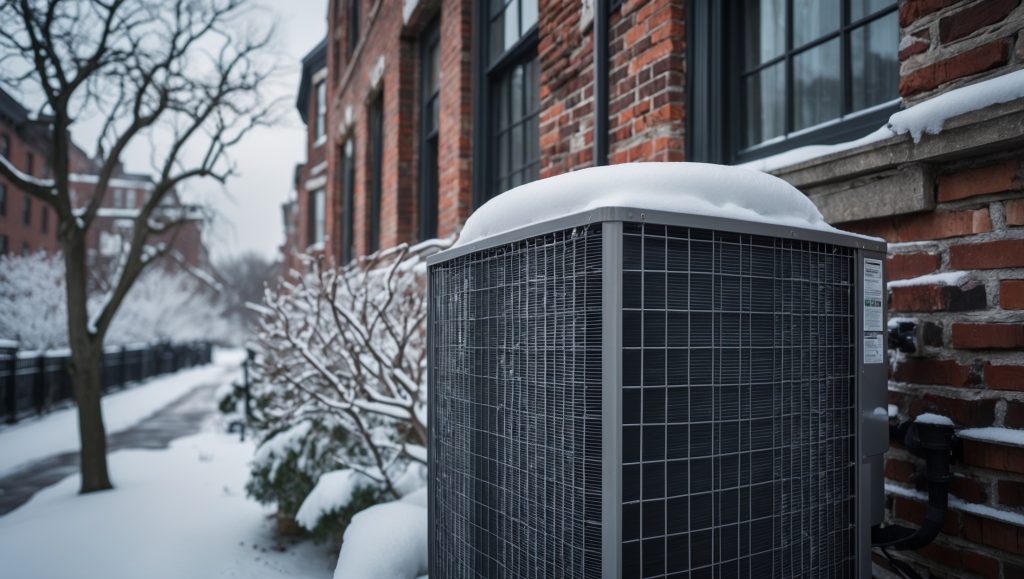
Introduction: Why Boston Winters Demand Special HVAC Preparation
Boston’s winters are infamous for their biting cold, heavy snowfall, and dramatic temperature swings. Whether you’re a homeowner or running a business, your HVAC system is the unsung hero that keeps your indoor spaces comfortable, safe, and free from the hazards of frigid weather. However, Boston’s unique climate places significant demands on heating and cooling systems. Without proper winterization, even the most robust HVAC units can falter, leading to reduced efficiency, higher energy bills, and costly repairs right when you need reliable heat the most.
This comprehensive guide is designed to help Boston homeowners and businesses systematically prepare their HVAC systems for the winter season. We’ll walk you through essential steps, smart maintenance routines, and expert tips specific to Greater Boston’s climate. By the end, you’ll have a clear, actionable plan for winterizing your HVAC system—ensuring peak performance, minimizing breakdown risks, and maximizing comfort when it matters most.
Understanding the Challenges: Boston’s Unique Winter Climate
The Impact of Cold, Snow, and Ice on HVAC Systems
Boston’s winters typically bring prolonged periods of below-freezing temperatures, nor’easter storms, and heavy snow accumulation. These conditions can:
- Cause outdoor HVAC components (like condensers and heat pumps) to freeze or become blocked by snow and ice.
- Increase the workload on furnaces and boilers, amplifying wear and tear.
- Lead to frozen pipes and condensate lines, risking water damage and system shutdowns.
- Expose ductwork and vents to drafts and heat loss, especially in older or historic buildings.
Understanding these risks is the first step to effective winterization.
Step 1: Inspect and Clean HVAC Components Before Winter Hits
Why Fall Inspections Matter
Early autumn is the ideal time to perform a thorough inspection. Catching small issues before the first frost can prevent mid-winter emergencies. Focus on:
- Furnace/Boiler: Check for soot buildup, rust, cracks in heat exchangers, and secure electrical connections.
- Heat Pumps: Inspect for dirt or debris around outdoor units and ensure fan blades are free-moving.
- Air Filters: Replace or clean filters to ensure optimal airflow and efficiency.
- Ductwork: Look for signs of leaks, disconnected runs, or missing insulation.
Cleaning Essentials
Debris, dust, and grime can impede system performance. For a pre-winter cleaning:
- Vacuum and wipe down accessible interior components.
- Clear leaves, twigs, and snow from around outdoor units.
- Clean supply and return vents to prevent blockages.
Step 2: Protect Outdoor HVAC Units from Snow and Ice
Condenser and Heat Pump Care
Outdoor units are vulnerable to heavy snowfall and ice dams. Take these precautions:
- Install a Protective Cover: Use a breathable, manufacturer-approved cover for your AC condenser, but never cover heat pumps (they operate year-round).
- Build a Shelter: Construct an overhead awning or baffle to shield the unit from falling icicles and snowdrifts, ensuring airflow isn’t obstructed.
- Maintain Clearance: Keep a 2-3 foot radius around the unit free of snow, leaves, and debris throughout winter.
- Inspect After Every Storm: After heavy snow or ice events, gently remove buildup from around the unit using a broom (never use sharp tools).
Step 3: Address Ductwork and Insulation Weaknesses
Seal and Insulate for Maximum Efficiency
Leaky ducts and poor insulation can let precious heat escape, overworking your HVAC system. To combat this:
- Check all exposed ductwork in unheated areas (basements, attics, crawlspaces) for gaps or disconnections. Seal with foil-backed tape or mastic.
- Add insulation sleeves to ducts running through cold spaces.
- Upgrade attic, basement, and wall insulation to reduce overall heat loss from the building envelope.
Properly sealed and insulated ducts can improve system efficiency by up to 20%—a significant saving during Boston’s long winters.
Step 4: Test and Maintain Your Thermostat System
Thermostat Calibration and Programming
Accurate temperature control is crucial for comfort and energy savings. As winter approaches:
- Test thermostat accuracy by comparing its reading to a reliable room thermometer.
- Replace batteries in digital thermostats at the start of the season.
- Consider upgrading to a smart thermostat for better scheduling and remote control, especially for businesses with varied occupancy patterns.
- Program temperature setbacks for nights or unoccupied hours to reduce energy use without sacrificing comfort.
Step 5: Prevent Frozen Pipes and Condensate Line Issues
Strategies for Avoiding Costly Winter Water Damage
Frozen pipes and blocked condensate lines are common causes of winter HVAC failures in Boston. To prevent these issues:
- Insulate all exposed pipes connected to the HVAC system, especially near exterior walls or unheated zones.
- Install electric heat tape on vulnerable pipes for added protection.
- Ensure condensate drain lines are free of clogs and properly pitched to allow drainage.
- For systems with humidifiers, check that water supply lines are insulated and valves are leak-free.
- Keep the HVAC system running at a minimum temperature even when the property is vacant to prevent freezing.
Step 6: Schedule a Professional Winter Tune-Up
The Value of Expert Maintenance
While DIY steps are important, a licensed HVAC technician can perform deeper diagnostics and maintenance tasks, including:
- Testing combustion efficiency and carbon monoxide output for furnaces and boilers.
- Checking and calibrating safety controls and limit switches.
- Inspecting heat exchangers for cracks or corrosion.
- Lubricating motors, bearings, and moving parts.
- Verifying gas pressure, pilot light operation, and ignition systems.
Boston’s climate and regulatory codes demand that all commercial buildings, and many residential ones, have regular HVAC inspections. Keep documentation for insurance and compliance purposes.
Step 7: Optimize Indoor Air Quality During Winter
Combatting Dryness and Stale Air
Sealing up for winter can trap allergens, dust, and dry air indoors. To maintain healthy air quality:
- Use a whole-home humidifier or portable units to keep relative humidity between 30–50%.
- Change HVAC filters every 1–3 months, or more frequently if you have pets or allergies.
- Consider adding air purifiers or upgrading to HEPA filters for added protection against winter illnesses.
- Ventilate occasionally by briefly opening windows on milder days or using energy recovery ventilators (ERVs).
Step 8: Prepare for Power Outages and Emergencies
Emergency Heating and Contingency Planning
Winter storms can knock out power, leaving HVAC systems inoperable. For safety and comfort:
- Invest in a backup generator capable of powering essential heating equipment.
- Keep extra blankets, space heaters (with proper safety precautions), and emergency supplies on hand.
- For businesses, ensure fire suppression, alarms, and emergency lighting are operational even during outages.
- Post clear instructions for employees or family members on emergency shutdown and restart procedures.
Step 9: Business-Specific Winterization Tips
Tailoring Strategies for Commercial Properties
Boston businesses face additional challenges, such as larger HVAC loads, more complex zoning, and compliance with city safety codes. Key tips include:
- Stagger HVAC start times to avoid peak demand surcharges.
- Regularly check rooftop units for snow and ice buildup; arrange for safe snow removal after storms.
- Calibrate commercial building management systems for energy efficiency and occupant comfort.
- Train staff on basic HVAC troubleshooting and reporting procedures.
- Schedule preventive maintenance with a commercial HVAC specialist familiar with Boston regulations.
Step 10: Keep a Winter HVAC Maintenance Log
Track Work and Spot Issues Early
Maintaining a detailed log helps identify patterns, plan future upgrades, and support warranty or insurance claims. Include:
- Date and description of each inspection and maintenance task.
- Name and contact info for service providers.
- Any repairs made, parts replaced, and recommendations for follow-up.
- Notes on unusual noises, odors, or performance issues observed during winter operation.
Conclusion: Proactive Winterization Brings Peace of Mind (and Savings)
Facing a Boston winter without proper HVAC preparation is a gamble no homeowner or business should take. The city’s harsh climate puts heating systems to the test—and the consequences of neglect can be severe, from frozen pipes and emergency breakdowns to sky-high utility bills and uncomfortable indoor environments. But with a proactive, step-by-step winterization plan, you can dramatically reduce your risk and enjoy consistent comfort all season long.
By inspecting and maintaining key system components, protecting outdoor units from snow and ice, sealing ductwork, calibrating thermostats, and staying ahead of frozen pipe hazards, you’ll ensure your HVAC system is ready for whatever Boston’s winter throws your way. Don’t forget the value of professional tune-ups and the importance of tracking your maintenance efforts in a dedicated log. For businesses, added vigilance around compliance, staff training, and emergency preparedness pays dividends in safety and cost control.
Most importantly, winterization is an investment—not just in your HVAC equipment, but in the well-being of everyone who lives, works, or visits your property. Start preparing early, follow these expert steps, and you’ll reap the rewards in comfort, reliability, and savings through the toughest months of the year. Stay warm, stay safe, and let your HVAC system work smarter (not harder) all Boston winter long.
For folks on a budget, which winterization steps have the biggest impact on preventing HVAC breakdowns and high energy bills in Boston’s harsh winters? Where should we prioritize spending?
For those on a budget, focus first on replacing air filters and sealing any duct leaks—these steps are affordable and can greatly improve efficiency. Next, have your thermostat settings checked and adjusted, and consider adding weatherstripping around doors and windows to keep warm air in. Prioritize spending on a basic professional HVAC inspection before winter to catch any issues early and avoid costly breakdowns.
Could you explain more about how snow and ice around outdoor HVAC components, like condensers and heat pumps, impact their performance? Are there specific coverings or barriers you’d recommend to prevent them from freezing up during heavy Boston snowstorms?
Snow and ice buildup around outdoor HVAC units like condensers and heat pumps can block airflow and strain the system, reducing efficiency or causing it to shut down. For protection, avoid fully enclosing the unit as it needs ventilation, but you can use a breathable cover designed for HVAC units or create a wind barrier with fencing or shrubs set a few feet away. Always clear heavy snow and ice promptly to keep airways open and prevent freezing-related damage.
If freezing has already caused an HVAC system shutdown or water damage, what immediate actions should a homeowner or business take before calling in a professional?
If freezing has caused your HVAC system to shut down or led to water damage, start by turning off the system and shutting off the main water supply to prevent further leaks. Next, safely remove any standing water if possible, using towels or a wet/dry vacuum. Avoid using electrical appliances near affected areas. Document the damage with photos for insurance purposes, then contact a professional as soon as possible for a full inspection and repairs.
You mentioned older or historic buildings in Boston are especially vulnerable to drafts and heat loss in their ductwork and vents. Are there specific winterization steps or products recommended for homeowners with these types of properties?
For older or historic buildings in Boston, consider professionally sealing ductwork with mastic sealant or metal tape to prevent drafts. Adding insulation to accessible ducts helps retain heat. Weatherstripping windows and doors is also important. For vents, make sure dampers close properly, and have your HVAC system checked by a technician familiar with historic properties to avoid damaging original features while improving efficiency.
The guide recommends autumn inspections for HVAC systems, but what if we missed that window—are we risking major problems, or is it still worthwhile to do a check-up in early winter?
It’s definitely still worthwhile to schedule an HVAC inspection in early winter. While autumn is ideal, catching small issues before they become big problems is always beneficial, no matter the month. Early winter check-ups can help ensure your system runs efficiently and safely throughout the coldest months. It’s never too late to take preventive action.
How significant is the impact of frozen condensate lines or pipes on energy bills and repair costs? Can you provide ballpark figures for what Boston residents might expect if this issue is not addressed promptly during the winter?
Frozen condensate lines or pipes can have a major impact on both energy bills and repair costs. When these lines freeze, your HVAC system may work harder or even shut down, leading to higher energy consumption and emergency repair needs. In Boston, repairs for burst or frozen pipes can range from $200 to $1,000 or more, depending on the severity. Energy bills may also rise by 10-20% if the system is struggling to operate efficiently. Prompt attention helps avoid these extra expenses.
How often should I be checking my furnace or boiler for wear and tear throughout the winter, especially with Boston’s unpredictable temperature swings you mentioned?
During Boston’s winter, it’s wise to check your furnace or boiler at least once a month for signs of wear and tear. With frequent temperature changes, components can experience extra stress. Look for unusual noises, leaks, or decreased heating efficiency. If you notice anything out of the ordinary, contact a professional right away to prevent bigger issues.