
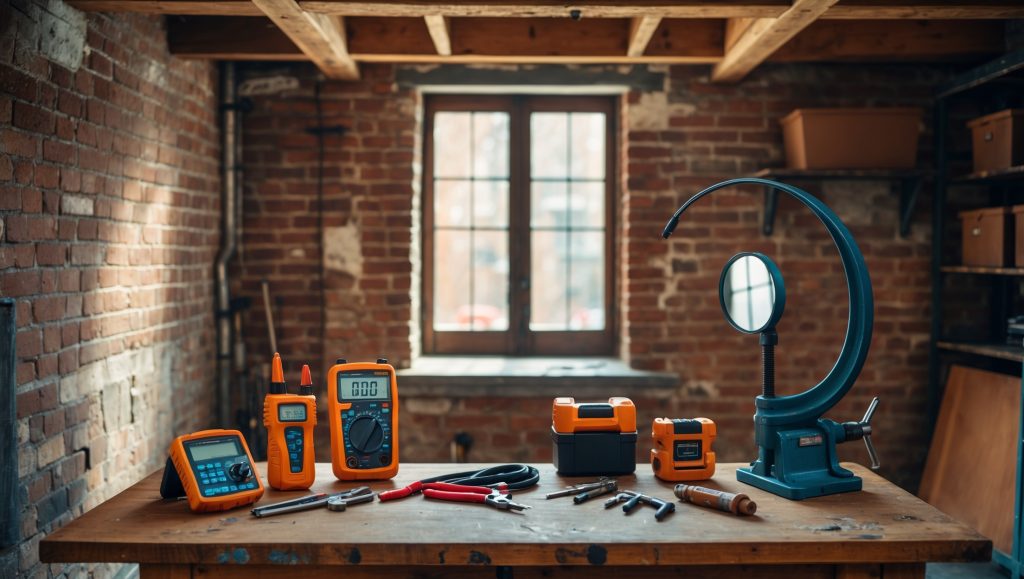
Introduction: Why Every Boston Homeowner Needs the Right HVAC Tools
Boston’s climate is a tale of two extremes—bone-chilling winters and muggy, humid summers. If you own a home or manage a property here, you know your HVAC system is the frontline defender of indoor comfort. But what happens when your heating or cooling falters at the worst possible time—a February cold snap or a July heatwave? Waiting for a pro isn’t always an option, and minor issues can often be addressed quickly with the right tools and a little know-how. Having a well-stocked toolkit tailored for HVAC tasks doesn’t just save you time and money; it empowers you to handle routine maintenance, troubleshoot problems, and protect your investment year-round. In this comprehensive guide, we’ll walk you through the essential HVAC tools every Boston homeowner should own, how to use them safely, and expert tips to keep your system running smoothly—even in New England’s toughest weather.
Understanding HVAC Maintenance Needs in Boston
Climate Challenges Unique to Boston
Boston’s location on the Atlantic seaboard spells out unique HVAC demands. Salt air, snow, ice, high humidity, and frequent freeze-thaw cycles can strain your system. Preventive maintenance is crucial to prevent corrosion, frozen lines, clogged condensate drains, and more. The right tools help you spot issues before they escalate—especially when scheduling a professional visit takes days or weeks during peak seasons.
What Homeowners Can (and Should) Safely Handle
While some HVAC tasks are best left to licensed technicians—like refrigerant charging, major electrical work, or system replacements—there’s a long list of maintenance and troubleshooting jobs you can tackle yourself with the proper equipment. These include:
- Changing or cleaning air filters
- Inspecting and cleaning supply/return vents
- Checking and cleaning drain lines
- Testing thermostat function
- Inspecting electrical connections (visual check)
- Clearing debris from outdoor units
- Monitoring system performance
The Must-Have HVAC Tools for Boston Homeowners
1. Screwdriver Set (Flathead and Phillips)
Virtually every HVAC maintenance task requires screwdrivers. From removing access panels to tightening electrical connections and accessing air filters, a quality set with insulated handles is indispensable. Look for magnetic tips and various shaft lengths for hard-to-reach spots.
2. Cordless Drill/Driver
Speed up panel removal and mounting bracket installations with a cordless drill. Choose a model with adjustable torque to avoid stripping screws. Boston’s older homes often have tight spaces, so a compact drill is ideal.
3. Adjustable Wrench and Pipe Wrench
Necessary for tightening or loosening nuts, bolts, and fittings—especially for those with steam radiators or hydronic heating. A pipe wrench is especially useful for older Boston brownstones with legacy piping.
4. Digital Multimeter
Even if you’re not handling complex electrical repairs, a multimeter lets you safely check voltage, continuity, and battery levels. This is invaluable for diagnosing thermostat issues, blown fuses, or tripped breakers. Always choose a model with clear safety ratings and learn how to use it properly.
5. Fin Comb
Boston’s salty air and urban debris can bend the delicate fins on your A/C’s condenser or evaporator coils. A fin comb restores proper airflow by straightening these fins, improving system efficiency and longevity.
6. Coil Cleaning Brush
Dirty coils reduce efficiency and can cause freeze-ups. A soft-bristle coil brush is perfect for gently removing dust and debris. Pair with an appropriate coil cleaner (always follow manufacturer instructions).
7. Inspection Mirror and Flashlight
Dark, cramped basements and attic crawlspaces are par for the course in Boston homes. An extendable inspection mirror and a bright LED flashlight help you spot leaks, corrosion, or damage in hard-to-see places.
8. Shop Vacuum (Wet/Dry)
Clogged condensate drain lines and dusty ductwork are common maintenance headaches. A shop vac tackles both, helping to prevent water damage and improve air quality. Choose a model with HEPA filtration if allergies are a concern.
9. Utility Knife and Tape Measure
For precise filter replacement, insulation trimming, or duct sealing, a sharp utility knife and a reliable tape measure are musts. Mark and cut with confidence for a professional-quality result.
10. Level
Ensuring your thermostat, condensate pan, or new equipment is installed perfectly level is crucial for proper operation and water drainage. A small torpedo level fits in tight spaces and delivers accurate results.
11. Safety Gear: Gloves, Goggles, and Mask
Don’t overlook personal protection. Leather or nitrile gloves, safety goggles, and a dust mask shield you from sharp edges, insulation fibers, and mold spores—common in older Boston basements and attics.
12. HVAC Tape (Foil Tape, Not Duct Tape)
For sealing minor leaks in ductwork, always use UL-rated HVAC foil tape. Ordinary duct tape degrades quickly in the temperature extremes of Boston’s seasons.
Advanced Tools for DIY Enthusiasts
If you’re comfortable with more complex tasks or want to expand your skills, consider adding these:
- Infrared Thermometer: Spot-check supply and return air temperatures to diagnose airflow and insulation issues.
- Manifold Gauge Set: For checking refrigerant pressures (note: handling refrigerants without a license is illegal). Use only for diagnostic purposes on accessible ports.
- Clamp Meter: Measures electrical current safely, useful for checking compressor or blower motor draw.
- Mini Handheld Vacuum Pump: Helpful for clearing stubborn condensate clogs.
Only use advanced tools if you understand the risks and local regulations. Always prioritize safety and call a pro for anything beyond your comfort level.
How to Use Essential HVAC Tools Safely: Step-by-Step
Before You Start: Safety First
- Turn off power at the breaker before opening any access panel.
- Wear gloves and eye protection.
- Keep a flashlight handy to avoid accidents in dark areas.
- Read your HVAC system’s manual for guidance and warnings.
Routine Maintenance Examples
Changing an Air Filter
- Turn off your furnace or A/C at the thermostat and breaker.
- Use a screwdriver to open the filter compartment.
- Carefully slide out the old filter. Use a utility knife if necessary to remove excess packaging or tape.
- Measure the compartment with your tape measure to ensure the correct filter size.
- Slide the new filter in, following the airflow arrow. Secure the compartment.
Cleaning Outdoor Condenser Coils
- Turn off the power at the disconnect box.
- Use a screwdriver to remove the protective grill.
- Gently brush debris from the coils with your coil cleaning brush.
- Straighten any bent fins with your fin comb.
- Vacuum the base with your shop vac.
- Replace the grill and restore power.
Checking for Leaks in Ductwork
- Inspect duct joints with your flashlight and inspection mirror.
- Seal small gaps with HVAC foil tape, smoothing with your gloved fingers.
Diagnosing Thermostat Issues with a Multimeter
- Turn off power to the system.
- Remove the thermostat faceplate with a screwdriver.
- Set your multimeter to voltage or continuity (as appropriate).
- Carefully touch probes to the appropriate terminals.
- If uncertain, consult a professional or reference your thermostat’s wiring diagram.
Where to Buy HVAC Tools in Boston
Boston offers a range of options for purchasing quality HVAC tools, from big-box retailers (Home Depot, Lowe’s) to specialty supply stores (Johnstone Supply, FW Webb). Don’t overlook local hardware stores—they often have knowledgeable staff familiar with the quirks of Boston’s housing stock. For online shoppers, Amazon and HVAC-specific retailers like SupplyHouse.com offer wide selections and fast shipping.
Tips for Choosing the Right Tools
- Buy the best quality you can afford—cheap tools break easily and can be unsafe.
- Look for tools with lifetime warranties.
- Choose compact models for Boston’s space-starved basements and attics.
- Read online reviews from other Boston-area homeowners for real-world feedback.
Storing and Maintaining Your Tools
Boston’s damp basements can wreak havoc on metal tools, causing rust and corrosion. Store your HVAC toolkit in a dry, elevated area—preferably in a sealed plastic toolbox. Wipe tools down after each use and apply a light coat of machine oil to metal surfaces. Check batteries in your drill and multimeter regularly and keep spare batteries on hand for emergencies.
Legal and Safety Considerations for DIY HVAC Work in Boston
Massachusetts law is strict about what homeowners can do themselves. Minor maintenance (like replacing filters and cleaning accessible coils) is generally permitted. However, any work involving refrigerants, major electrical components, or system modifications requires a licensed technician. Attempting advanced repairs without proper training can lead to code violations, voided warranties, or insurance issues. When in doubt, always consult a licensed Boston HVAC contractor.
When to Call a Professional
Your toolkit is a powerful ally, but it’s not a substitute for professional expertise. Call for help if you notice:
- Electrical burning smells or frequent breaker trips
- Water leaks you can’t locate or stop
- Persistent airflow or temperature issues despite your efforts
- Loud, unusual noises from your HVAC equipment
- Any gas odors or suspected carbon monoxide leaks
Boston’s best HVAC pros will appreciate your proactive maintenance—and you’ll save on service calls by handling the basics yourself.
Conclusion: Take Control of Your Comfort with the Right HVAC Tools
Arming yourself with the right HVAC tools isn’t just about saving a few bucks on professional service calls. It’s about gaining confidence, protecting your investment, and ensuring your Boston home or rental property remains a haven of comfort—no matter what Mother Nature throws your way. From basic screwdrivers and coil brushes to advanced diagnostic meters, a well-chosen toolkit empowers you to catch problems early, extend the life of your system, and respond swiftly to seasonal demands. Remember, safety is paramount: know your limits, follow best practices, and never hesitate to bring in a licensed pro for anything beyond your expertise. With your toolkit ready and this guide at your side, you’ll be well-equipped to keep your HVAC system humming efficiently through every Nor’easter and heatwave the Hub can dish out. Stay comfortable, stay safe, and take pride in your role as a savvy Boston homeowner.
I’m on a tight budget but want to prepare for the sudden temperature swings we get here. What would you say are the top three most important HVAC tools to invest in first that will cover most common maintenance tasks?
If you’re starting out, a good digital thermometer, a basic screwdriver set, and a refrigerant leak detector are the top three tools to prioritize. The thermometer helps you quickly check system performance, the screwdriver set covers most panel and vent needs, and the leak detector helps spot potential AC issues before they worsen. These will let you handle regular checks and small fixes, keeping your HVAC system running reliably.
Could you clarify which HVAC tasks are generally safe for homeowners to do themselves in Boston, especially considering the climate issues like frequent freeze-thaw cycles and salt air mentioned in the article? I want to make sure I am not tackling something best left to a professional.
Homeowners in Boston can safely handle basic HVAC maintenance such as changing air filters, cleaning vents, removing debris from outdoor units, and checking thermostat settings. Given the freeze-thaw cycles and salt air, it’s important to regularly inspect for rust or corrosion and gently clean affected areas. Anything involving electrical components, refrigerant, or complex repairs should be left to licensed professionals to ensure safety and compliance with local regulations.
For someone just starting to assemble a basic HVAC toolkit in Boston, what would you say are the three most important items to prioritize first, especially on a limited budget?
For a basic HVAC toolkit on a budget, start with a good-quality digital thermometer, a sturdy set of screwdrivers (both flathead and Phillips), and an adjustable wrench. These three tools will help you handle most simple maintenance tasks and safety checks around your HVAC system as you get started.
I’m new to HVAC maintenance and live right on the coast outside Boston. You mentioned salt air making things tougher on systems—are there any specific tools or extra steps you’d recommend for dealing with corrosion from salt exposure?
Living near the coast, you’ll face more corrosion from salt air, so keeping your HVAC system protected is important. In addition to basic tools, having a wire brush and corrosion-resistant spray (like silicone or a dielectric spray) helps clean and protect metal parts. Make it a habit to check and clean outdoor unit fins and electrical connections more often, and rinse off salt buildup with fresh water periodically. Always turn off power before doing any cleaning or maintenance.
When should I decide to call a professional in, rather than handle HVAC issues on my own? For example, is there a clear line between visual electrical inspections and problems that actually need an electrician?
It’s wise to call a professional if you find any exposed wiring, burnt smells, tripped breakers that won’t reset, or if your HVAC system suddenly stops working. While homeowners can do simple tasks like checking for loose connections or replacing filters, any deeper electrical issues or repairs should be left to a licensed electrician or HVAC technician for safety reasons.
For cleaning out clogged condensate drain lines as you suggest, is there a simple tool you’d recommend that a homeowner can use safely, especially if there’s a risk of freezing? I want to avoid accidentally damaging anything.
A wet/dry vacuum is a safe and effective tool for homeowners to clear clogged condensate drain lines. Simply attach the vacuum hose to the outdoor drain line, seal it with a rag, and run the vacuum for a minute. This helps remove blockages without risking damage. Afterward, pour a cup of vinegar down the line to discourage algae and freezing. If you notice resistance or continued problems, it’s best to call a professional.
I noticed you mention visual checks for electrical connections. How often should homeowners perform these inspections, and are there signs we should look for that definitely require a professional rather than a DIY fix?
It’s smart to do a visual inspection of your HVAC electrical connections at least twice a year—once before heavy heating or cooling seasons. Look for things like frayed wires, scorch marks, or loose connections. If you see any of these signs, or notice a burning smell or hear buzzing sounds, it’s best to contact a professional right away and avoid handling the issue yourself.
If my HVAC system stops working during a winter cold snap, which of these recommended tools would help me troubleshoot the problem quickly while waiting for a technician?
If your HVAC system stops working during a cold snap, a digital thermometer can help you check if air is coming from the vents and whether it’s heating properly. A voltage tester allows you to safely check if power is reaching the unit. Having a flashlight is also helpful for inspecting breakers or fuses. Use these tools to gather information and ensure your safety while you wait for a technician.
When inspecting electrical connections as a homeowner, the article says to just do a visual check. What specific signs should I look for that might indicate an issue, and when should I know it’s time to call a pro?
When visually inspecting electrical connections, look for discoloration, scorch marks, frayed wires, or any loose connections. If you notice a burning smell, melted insulation, or anything that looks damaged or unusual, avoid touching it and contact a professional right away. Also, if you see any sparking or hear buzzing sounds, it’s best to call an HVAC technician to handle the issue safely.
You mention that some tasks are safe for homeowners, but for inspecting electrical connections, what exactly constitutes a visual check versus something that should be left to a licensed technician?
A visual check for electrical connections means looking for obvious issues like loose wires, discoloration, burn marks, or corrosion—without touching or opening any electrical panels. Anything that involves removing covers, tightening connections, using tools on electrical parts, or diagnosing wiring problems should only be handled by a licensed technician for safety reasons.
I noticed you list several tasks homeowners can handle themselves, like cleaning vents and checking electrical connections. For someone on a tight budget, which few essential tools should I prioritize buying first?
If you’re on a tight budget, start with a good screwdriver set, a basic digital thermometer, and a sturdy flashlight. These three tools will cover most simple HVAC maintenance tasks like removing vent covers, checking temperatures, and inspecting hard-to-see areas. Later, you can add a vacuum cleaner with hose attachments for cleaning vents more thoroughly.
The article brings up clogged condensate drains as a common problem. What tools do I need to clean out a drain line, and are there any safety concerns I should keep in mind while doing it on my own?
To clean a clogged condensate drain line, you’ll need a wet/dry vacuum, a stiff brush or pipe cleaner, and possibly some distilled vinegar. Always turn off your HVAC system before starting. Wear gloves and eye protection, as you may encounter mold or bacteria. If the blockage is stubborn or you notice water damage, it’s best to call a professional.
You talk about homeowners safely inspecting electrical connections with a visual check. Can you go into more detail about what warning signs to look for, and when it’s time to stop and call a professional?
When inspecting electrical connections, look for signs like discoloration, melted insulation, frayed wires, or any visible corrosion around terminals. If you notice a burning smell, buzzing sounds, or if anything feels hot to the touch, stop right away. If you’re unsure, or spot any of these warning signs, it’s safest to call a licensed HVAC professional rather than attempting repairs yourself.
You mentioned corrosion and clogged condensate drains being common in Boston’s climate. Are there specific tools or products that work best for preventing these issues, and do you have any tips for someone on a tight budget?
For preventing corrosion, a simple wire brush and a can of coil cleaner are affordable essentials to keep metal HVAC parts clean. For clogged condensate drains, a wet/dry vacuum or even a basic plumber’s snake can help clear blockages. To save money, clean coils and drains every few months yourself and use vinegar as a low-cost drain flush. Regular upkeep with these budget-friendly tools can go a long way.
If I visually inspect my system’s electrical connections and spot minor corrosion or loose wires, is it safe for a homeowner to take any action, or is it best to wait for a professional even if the wait is long during peak season?
If you notice minor corrosion or loose wires during a visual inspection, it’s generally safest to wait for a professional, even if there’s a delay. Electrical work poses shock and fire risks, especially without the right training or tools. Avoid touching or tightening any wires yourself—simply turn off the power to the unit and monitor the area until a technician can address it.
I’m new to HVAC maintenance and a bit nervous about checking electrical connections. Can you give more details on what a ‘visual check’ actually involves and what warning signs I should look for before calling a professional?
A visual check of electrical connections means inspecting wires, terminals, and connections without touching them. Look for discoloration, melted insulation, loose wires, exposed copper, or signs of burning like blackened areas and a burnt smell. Also, check if any connections appear loose or corroded. If you spot any of these warning signs, or if you’re unsure, it’s best to call a professional to avoid safety risks.
You said some HVAC maintenance can be DIY, but what signs should I look for to know when it’s time to stop troubleshooting and actually call in a licensed technician?
If you notice any unusual noises, persistent odors, refrigerant leaks, electrical issues, or if your HVAC system is still not working after basic troubleshooting like filter changes and thermostat checks, it’s best to stop and call a licensed technician. Also, if you’re unsure or uncomfortable with any repair, or if it involves wiring or refrigerant, professional help is the safest option.
If I notice that my HVAC is struggling during a heatwave and pro help isn’t available for weeks, what’s the safest way to troubleshoot or get it running again temporarily with just the basic tools mentioned in your article?
If your HVAC is underperforming during a heatwave, start by turning off power to the unit for safety. Using a screwdriver, check and clean or replace the air filter if it’s clogged. Inspect the thermostat to ensure it’s working and set correctly. Use a flashlight to check for obvious debris around outdoor units and clear it away. Avoid opening electrical panels or handling refrigerant; stick to basic inspections and cleaning with hand tools. This can sometimes restore minimal cooling until a professional arrives.
How often would you recommend Boston homeowners check or clean their HVAC drain lines and outdoor units, especially in the spring and fall when the weather is changing?
For Boston homeowners, it’s a good idea to check and clean your HVAC drain lines and outdoor units at least twice a year—once in the spring and again in the fall. Seasonal pollen, leaves, and debris can build up quickly, so these checks help keep your system running smoothly and efficiently as the weather changes.
If my HVAC system stops working during a severe cold snap, which of the basic troubleshooting tasks listed here should I try first before calling in a technician?
If your HVAC system stops working during a cold snap, start by checking your thermostat settings and batteries to ensure they’re correct and powered. Next, inspect your circuit breaker to make sure it hasn’t tripped. Also, check your air filter and replace it if it’s dirty. These basic steps often resolve common issues and are safe for homeowners to try before calling a technician.
If I want to put together a basic toolkit for routine HVAC maintenance as described, what would you estimate as a reasonable budget for buying these essential tools as a beginner?
For a beginner assembling a basic HVAC toolkit as outlined in the article, you can expect to spend between $75 and $150. This should cover essentials like a screwdriver set, adjustable wrench, pliers, a multimeter, a thermometer, and a flashlight. Prices can vary depending on brand and quality, but you don’t need top-of-the-line tools to get started safely and effectively.
If I’m keeping my toolkit updated for routine HVAC maintenance, how often should I be double-checking or replacing these tools to make sure they’re still effective—especially with heavy seasonal use in Boston?
For routine HVAC maintenance, it’s a good idea to inspect your toolkit at least twice a year—ideally before the heavy winter and summer seasons in Boston. Check for wear, rust, or damage on items like screwdrivers, gauges, and meters. Replace anything that looks worn out or isn’t functioning properly, especially after frequent use during peak seasons.
Since getting a pro during extreme weather can take a while, what are the safest temporary steps I can take if my HVAC system suddenly stops in the middle of a Boston winter, while I wait for service?
If your HVAC system stops working during a Boston winter, keep doors and windows closed to retain heat, and use safe portable heaters if available—just be sure to follow manufacturer directions and never leave them unattended. Layer up with warm clothing and gather in one room to conserve body heat. Avoid using your oven or stove for heat, as this can be very dangerous. If you suspect a gas leak or smell anything unusual, leave your home and call emergency services immediately.
As a homeowner on a budget, which essential HVAC tools would you prioritize purchasing first for basic maintenance and troubleshooting? I want to make sure I get the most critical ones without overspending.
For budget-conscious homeowners, start with a quality screwdriver set, a digital thermometer, and a basic multimeter—these cover most simple HVAC maintenance and troubleshooting tasks. An adjustable wrench and a flashlight are also very useful. These tools will let you perform filter changes, check temperatures, inspect connections, and spot obvious issues without a big investment.
When you talk about cleaning drain lines and vents, are there particular products or methods that work best for clearing debris without damaging the HVAC system?
For cleaning HVAC drain lines, using a wet/dry vacuum can safely remove clogs, and flushing with a mild vinegar and water solution helps break down buildup without harming pipes. For vents, a soft brush or vacuum attachment is best to prevent scratching or bending. Avoid harsh chemicals or abrasive tools, as these can damage components and reduce system efficiency.
After reading about the importance of preventive maintenance, I was wondering how frequently Boston homeowners should perform DIY checks on their HVAC systems, especially during extreme weather months?
For Boston homeowners, it’s wise to perform a quick DIY check on your HVAC system at the start of each season—so at least four times a year. During extreme weather months like winter and summer, checking your filters and thermostat monthly is helpful. This routine helps spot issues early and keeps your system running efficiently.
I’d love to know your opinion on the best type of air filter for Boston’s salty air and humidity. Is it worth spending extra on premium filters, or do regular ones work just as well for basic DIY maintenance?
For Boston homes dealing with salty air and humidity, it’s wise to invest in a higher-quality pleated air filter with a MERV rating between 8 and 11. These filters trap smaller particles like salt and moisture better than standard fiberglass options. While premium filters cost more, they help protect your HVAC system and indoor air, making them worth it in Boston’s climate. Regular filters can work for basic dust, but premium types offer better long-term value and protection.
Can you give an example of what a Boston homeowner should look for when visually inspecting HVAC electrical connections? I want to catch potential issues early but I’m not sure what warning signs to watch out for given our weather.
When visually inspecting your HVAC electrical connections in Boston’s climate, look for signs like corrosion or rust on terminals, frayed or discolored wires, loose connections, and any evidence of moisture buildup. Our humidity and seasonal temperature swings can accelerate wear. Also, check for any burnt smells or melted insulation. If you notice any of these, it’s wise to contact a professional before running your system.
You listed tasks like checking drain lines and clearing debris from outdoor units. As someone on a tight budget, which HVAC tools should I prioritize buying first to handle the most common issues Boston homeowners face?
If you’re prioritizing on a budget, start with a basic screwdriver set, an adjustable wrench, and a wet/dry vacuum. These will let you open panels, tighten fittings, and clear out drain lines or debris from outdoor units—some of the most common maintenance tasks. A flashlight also helps for inspecting dark areas. These essential tools should cover most minor HVAC upkeep at home.
With Boston’s humid summers and harsh winters, are there any specific HVAC tool brands or features you would recommend for handling salt air and freeze-thaw cycles, or are most basic homeowner kits sufficient for our climate?
For Boston’s climate, it’s worth investing in HVAC tools made from rust-resistant materials like stainless steel or with anti-corrosion coatings, as salt air and freeze-thaw cycles can accelerate wear. Brands such as Klein Tools and Milwaukee are known for their durability. While basic homeowner kits are a good start, upgrading to higher-quality tools with weather-resistant features will help them last longer and perform better in tough New England conditions.
When you say some tasks should be left to the pros, like refrigerant charging, how can I tell if a problem with my HVAC is serious enough that I shouldn’t attempt even initial troubleshooting myself?
If you notice signs like a burning smell, loud or unusual noises, tripped breakers, leaking refrigerant, or if your HVAC simply won’t turn on, it’s best to call a professional right away. For issues like poor airflow or thermostat glitches, you can try basic troubleshooting. But if you’re ever unsure or feel unsafe, it’s safest to leave it to the pros.
If I notice my HVAC system is struggling during one of Boston’s heatwaves, what routine troubleshooting steps can I safely take with the recommended tools before reaching out to a technician for help?
If your HVAC system is struggling during a heatwave, start by checking and replacing the air filter using a screwdriver if needed. Next, use a thermometer to compare the temperature at the vent with the room temperature. Make sure the thermostat settings are correct and inspect circuit breakers with a non-contact voltage tester. Also, clear debris from around the outdoor unit using gloves. If these steps don’t help, it’s best to call a professional.
You mention that salt air and freeze-thaw cycles are big concerns for Boston homeowners. Are there any specific HVAC tools you’d recommend that are most effective at addressing corrosion or frozen lines in this climate?
For tackling corrosion from salt air, a coil cleaning brush and a fin comb are very useful to keep your outdoor unit clean and functioning well. To address frozen lines, a pipe insulation kit can help protect refrigerant lines, and a digital thermometer is handy for monitoring temperature drops. Always remember to turn off power before working on your HVAC system for safety.
I’m new to DIY maintenance and want to assemble a starter toolkit for HVAC tasks as you recommend. What would you say are the absolute must-haves for a homeowner on a tight budget, especially in Boston’s tough weather?
A solid starter HVAC toolkit for Boston’s climate should include a digital thermometer, a basic cordless drill, a set of screwdrivers (Phillips and flathead), adjustable wrench, pliers, and a flashlight. These will handle most filter changes, vent cleaning, and quick inspections. For safety, always use gloves and turn off power before working on your system. These basics are affordable and perfect for a beginner.
For a homeowner just starting out with HVAC maintenance, which essential tool should I invest in first if I’m on a tight budget, and is it realistic to cover most minor problems with just one or two tools?
If you’re just starting out and need to prioritize, a good-quality digital thermometer or infrared thermometer is usually the most useful single tool for basic HVAC checks, since it helps you spot temperature inconsistencies and potential issues. While it’s a great starting point and can help with some minor troubleshooting, most DIY jobs will eventually require at least a screwdriver set and possibly a voltage tester, depending on the problem. Having just one or two tools covers simple checks, but more involved fixes will need a few additional basics.
When checking electrical connections as suggested for visual inspection, are there any signs of wear or damage that Boston homeowners should look out for specifically, given the area’s high humidity and salt air? I want to make sure I don’t miss something important during preventive maintenance.
Yes, Boston’s high humidity and salt air can speed up corrosion and rust on electrical connections. Watch for greenish or whitish deposits, frayed wires, rusted terminals, and any signs of moisture inside electrical boxes. Also, check for loose fittings or discoloration around connections, which can indicate overheating. If you see any of these issues, it’s safest to have a professional handle repairs to avoid electrical hazards.
When it comes to buying HVAC tools for routine maintenance, do you have any recommendations for budget-friendly brands or starter kits that still get the job done well in Boston’s harsh winters?
For routine HVAC maintenance in Boston, look for brands like Klein Tools, Honeywell, and Fieldpiece—they offer reliable quality at reasonable prices. Many hardware stores carry starter kits with essentials like screwdrivers, a multimeter, and a refrigerant gauge. Even entry-level kits from these brands are durable enough for home use and will hold up well during harsh Boston winters.
You recommend cleaning supply and return vents, but with all the salt air and extra dust from winter, are there certain types of brushes or vacuum attachments that work best for Boston homes?
For Boston homes dealing with salt air and winter dust, it’s helpful to use a soft-bristle brush with an extendable handle for vents—this prevents scratching metal surfaces. A vacuum attachment with a narrow, angled nozzle or a brush head helps reach deeper into grilles and dislodge stubborn debris without scattering it. Consider HEPA-filtered vacuums to capture fine dust common in coastal areas.
If a homeowner in Boston spots early signs of a clogged condensate drain during a routine check, what is the safest immediate step to take before scheduling a professional inspection, particularly if a backup has not yet occurred?
If you notice early signs of a clogged condensate drain but there’s no backup yet, the safest immediate step is to turn off your HVAC system to prevent water buildup. Next, you can gently inspect the drain line for visible debris and clear any minor blockages with a wet/dry vacuum if you’re comfortable. Avoid using harsh chemicals. Then, schedule a professional inspection to ensure everything is thoroughly cleaned and checked.
If I’m doing routine HVAC maintenance like cleaning drain lines or clearing outdoor units myself, are there any affordable tool brands or starter kits you’d suggest that are both reliable and budget-friendly for Boston homeowners?
For reliable and budget-friendly HVAC tools, brands like Klein Tools, CRAFTSMAN, and Stanley offer solid quality at reasonable prices. For basic maintenance, you might consider starter kits that include a multimeter, screwdrivers, pliers, and a wet/dry shop vacuum. Home improvement stores in Boston often carry these brands, and you can find combination kits that cover most needs for routine tasks.
I see that changing or cleaning air filters is something homeowners can handle. Is there a noticeable difference in performance between reusable and disposable filters, especially during Boston’s more humid summer months?
Yes, there can be a noticeable difference between reusable and disposable filters. Reusable filters are typically washable and can last longer, but they may not trap smaller particles as effectively as high-quality disposable filters. During Boston’s humid summers, disposable filters often perform better at maintaining airflow and controlling moisture, which helps prevent mold growth. Make sure to check and replace or clean whichever type you use regularly for best HVAC performance.
What are some budget-friendly options for assembling a starter HVAC toolkit for Boston homeowners? I’d like to handle basic maintenance without spending too much upfront.
To assemble a budget-friendly starter HVAC toolkit, focus on essentials like a basic screwdriver set, a digital thermometer, an adjustable wrench, and a cordless drill. You can find these at most hardware stores or online at reasonable prices. Also consider a flashlight, a set of pliers, and a filter gauge. Many brands offer value packs or starter kits that combine multiple tools at a discount, which is ideal for beginners looking to handle basic maintenance tasks around the house.
I’ve had trouble scheduling professional HVAC help during peak seasons. For a budget-conscious homeowner, are there any reasonably priced tools that offer the biggest impact in terms of keeping my system running efficiently until a pro can visit?
Absolutely, a few affordable tools can make a real difference. A digital thermometer helps you check airflow and temperature differences, which can alert you to issues early. A good-quality air filter and filter-changing tool ensure airflow stays clear. A coil cleaning brush lets you safely clean dust from exterior AC coils. These tools are cost-effective and help maintain efficiency until a professional can address bigger issues.
When it comes to assembling a basic HVAC toolkit, what would you estimate is a reasonable upfront cost for the essential tools you mention? Are there budget-friendly options that still offer reliability for occasional home use?
For a basic HVAC toolkit, you can expect to spend around $100 to $200 upfront if you choose reliable, budget-friendly brands. Essential tools like a digital thermometer, multimeter, screwdrivers, pliers, and a refrigerant gauge set are available at reasonable prices from reputable manufacturers. For occasional home use, mid-range tools often provide a good balance of quality and affordability.
I’m curious about inspecting electrical connections on my HVAC system. The article says visual checks are safe for homeowners but doesn’t specify what problems I should look for. Could you explain what warning signs to watch out for when checking these connections?
When visually inspecting your HVAC system’s electrical connections, look for any loose or disconnected wires, signs of corrosion or rust, discoloration on wires or terminals (which could indicate overheating), and any burnt or melted insulation. Also, watch for any moisture or water near connections. If you spot these issues, it’s safest to call a professional for further inspection and repair.
Can you explain more about the safety precautions homeowners should take when inspecting electrical connections, especially in older Boston homes with outdated wiring?
When inspecting electrical connections in older Boston homes, always turn off power at the circuit breaker before starting. Use an insulated voltage tester to double-check that wires are not live. Wear rubber-soled shoes and avoid working in wet areas. Do not touch bare wires or metal parts directly, and if wiring looks frayed, brittle, or you notice burning smells, stop and call a licensed electrician. Older wiring can be unpredictable, so never attempt repairs unless you are fully confident in your skills.
The article says it’s okay for homeowners to visually inspect electrical connections. Are there any safety tips or warning signs to look out for during this process, especially considering Boston’s frequent humidity and temperature swings?
When visually inspecting electrical connections, always turn off power at the breaker first to avoid shocks. Look for signs of corrosion, discoloration, frayed wires, or moisture buildup, which are more common with Boston’s humidity and temperature changes. If you notice rust, melting, or a burning smell, don’t touch anything—call a licensed electrician. Keeping connections clean and dry can help prevent issues, but never try to tighten or repair live wires yourself.
For homeowners without much experience, how can we tell which HVAC troubleshooting tasks are safe to tackle ourselves versus when it’s definitely time to call a licensed technician?
If you’re new to HVAC work, it’s generally safe to handle simple tasks like changing air filters, resetting circuit breakers, and cleaning vents or registers. For anything involving electrical components, refrigerant, or if you notice leaks, strange noises, or unpleasant smells, it’s best to call a licensed technician. When in doubt, prioritize safety and get professional help for anything beyond basic maintenance.
If I want to visually inspect electrical connections on my HVAC system, are there any budget-friendly tools you recommend that still offer enough accuracy and safety? I’m trying to avoid unnecessary expenses.
For a visual inspection of HVAC electrical connections, a non-contact voltage tester is a budget-friendly yet reliable tool. It helps you safely check for live wires without direct contact. Additionally, a basic LED flashlight with adjustable brightness can make it easier to spot loose or corroded connections. Both tools are affordable and simple to use for routine inspections.
How often should Boston homeowners check and clean their supply and return vents, considering the unique climate challenges? Are there warning signs that indicate it’s time to do this even if it hasn’t been long since the last cleaning?
In Boston’s climate, it’s wise to check and clean your supply and return vents every 2–3 months. However, if you notice reduced airflow, more dust around vents, musty odors, or an increase in allergy symptoms, those are signs to clean them sooner. Seasonal changes, especially when switching from heating to cooling, can also make vent cleaning more necessary.
Could you clarify what steps a homeowner should take if they find clogged condensate drains during their own inspection? Are there safe DIY methods, or is it always best to call in a technician for this particular issue?
If you find clogged condensate drains during your inspection, you can try some safe DIY steps: Turn off your HVAC system, locate the drain line, and gently flush it with a mixture of warm water and mild soap or use a wet/dry vacuum to clear the blockage. If the clog persists or water has backed up significantly, it’s best to call a professional technician to avoid causing damage or mold growth.
In your experience, how often should I check or clean drain lines and vents during the Boston winter, given the salt air and humidity issues you mentioned? Is there a seasonal maintenance schedule you recommend that helps catch problems before they escalate?
During Boston winters, it’s wise to inspect and clean your HVAC drain lines and vents at least once a month. Salt air and humidity can accelerate buildup and blockages, so regular checks prevent bigger issues. As a seasonal guide, do a thorough cleaning at the start and end of winter, with monthly spot checks in between to catch any clogs or moisture problems early.
I noticed you mention that Boston’s salt air and freeze-thaw cycles can cause corrosion or frozen lines. Can you explain which specific tools work best for spotting early signs of corrosion, especially for someone who’s pretty new to DIY maintenance?
To spot early signs of corrosion, a good flashlight is essential for inspecting hidden or shadowed areas on your HVAC system. A handheld inspection mirror also helps you check hard-to-see spots. For a beginner, these simple tools make it much easier to identify rust, discoloration, or flaking metal, which are early corrosion signs. Consider wearing gloves while inspecting, as corroded metal edges can be sharp.
Can you give more details on how to safely inspect electrical connections without risking any damage or injury? The article mentions just a visual check, but is there anything specific we should look for, like signs of corrosion or loose wires?
When inspecting electrical connections, first ensure the power is completely turned off at the breaker. Look closely for any discoloration, burnt marks, or melted insulation, which can indicate overheating. Check for corrosion, especially greenish or white residue on copper wires or terminals. Gently test wire connections to make sure nothing is loose. If you notice any damage, corrosion, or a loose connection, it’s best to call a licensed electrician rather than attempting repairs yourself.
With Boston’s mix of salt air and humidity, are there any particular brands or types of HVAC tools that hold up better to corrosion, or is regular cleaning and upkeep enough?
In Boston’s salty, humid climate, tools made from stainless steel or those with corrosion-resistant coatings generally last much longer. Some reputable brands like Klein, Milwaukee, and DeWalt offer such options. Still, even with corrosion-resistant tools, regular cleaning, drying, and occasional light oiling are important to prevent rust and keep them in top shape.
Could you provide more information on what type of drain line cleaning tools are safest for homeowners to use, and are there risks of damaging the system by doing this without professional help?
For cleaning HVAC drain lines, wet/dry vacuums and simple flexible drain brushes are typically safe options for homeowners. These tools can help clear clogs without harsh chemicals or aggressive action. Avoid using metal snakes or high-pressure water, as these can damage pipes or fittings. Always turn off your HVAC system before starting and be gentle to avoid dislodging connections. If you encounter stubborn clogs or feel unsure, it’s wise to call a professional to prevent accidental damage.