
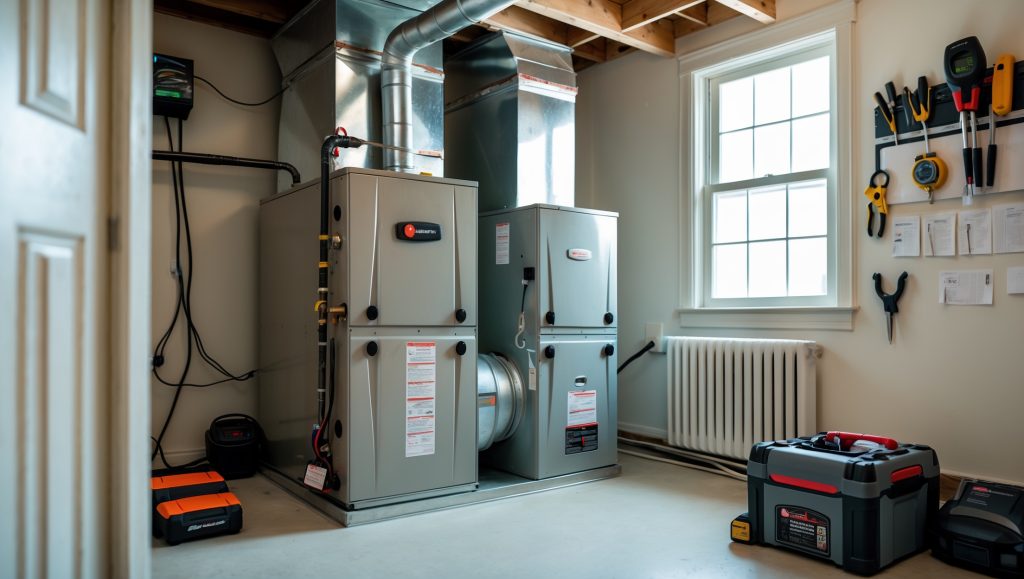
Introduction: Empowering Boston Property Owners to Tackle HVAC Problems
In Boston’s ever-changing climate, the reliability of your HVAC system is crucial for both comfort and peace of mind. Whether you own a historic brownstone in Back Bay or manage a modern office in the Seaport, HVAC breakdowns can cause stress, disrupt daily routines, and lead to unplanned expenses. But did you know that many common HVAC issues can be diagnosed—and sometimes fixed—without waiting for a professional? Understanding how to troubleshoot your heating and cooling system isn’t just about saving money on service calls; it’s about gaining control over your property’s comfort and ensuring minor problems don’t become major headaches.
This comprehensive troubleshooting guide is designed specifically for Boston homeowners and businesses. We’ll walk you through the most frequent HVAC complaints, from mysterious no-cool calls in July to puzzling furnace failures in January. You’ll learn which problems you can address safely on your own, which tools to keep handy, and when it’s time to call in a licensed technician. Our goal isn’t to turn you into an HVAC pro overnight—but to equip you with the practical know-how to confidently assess your system, avoid unnecessary repairs, and keep your Boston property comfortable year-round.
Section 1: Understanding Your HVAC System—Boston Basics
1.1 Key Components at a Glance
Before diving into troubleshooting, it’s essential to know the major parts of your HVAC system. Most Boston-area properties use one or a combination of the following:
- Furnace (typically gas, oil, or electric): Heats air and distributes it through ducts.
- Central Air Conditioner: Removes heat from indoors and expels it outside.
- Air Handler or Blower: Circulates air through ducts.
- Thermostat: Controls heating and cooling cycles.
- Ductwork & Registers: Delivers conditioned air throughout the building.
- Heat Pump: Provides both heating and cooling (increasingly common in Boston retrofits).
1.2 The Boston Climate Factor
Boston’s four seasons put unique demands on HVAC systems. From frigid, snowy winters to humid, stormy summers, your equipment must be ready for anything. Salt air from the harbor, city dust, and seasonal pollen can all impact system performance and accelerate wear.
Section 2: Safety First—What You Should (and Shouldn’t) Do
2.1 Basic Safety Precautions
- Power Down: Always turn off power at the breaker before opening furnace or AC panels.
- Gas Safety: If you smell gas, leave the building and call the utility—don’t attempt repairs.
- Don’t Touch Refrigerant Lines: These are pressurized and require EPA certification for service.
- When in Doubt: If you’re unsure, call a licensed Boston HVAC technician.
2.2 Tools for the Job
- Flashlight or headlamp
- Phillips and flat-head screwdrivers
- Multimeter (for voltage and continuity checks)
- Shop vacuum
- Replacement air filters
- Thermometer (digital or infrared)
- Work gloves and safety glasses
Section 3: Common HVAC Problems in Boston—and How to Diagnose Them
3.1 No Heat in Winter
- Check the Thermostat: Ensure it’s set to ‘heat’ and the temperature is above room temp. Replace batteries if needed.
- Power and Fuel Supply: Make sure the furnace switch is ON. Check circuit breakers and, for oil/gas systems, the fuel supply valve.
- Air Filter: A clogged filter can cause the furnace to overheat and shut down. Replace if dirty.
- Pilot Light or Ignition: If your furnace has a pilot, check if it’s lit. For electronic ignition, listen for clicking or see if there’s an error code.
- Vents and Registers: Make sure nothing is blocking airflow.
When to call a pro: If you hear banging, smell gas, or the system repeatedly shuts down, get professional help.
3.2 No Cooling in Summer
- Thermostat Settings: Confirm it’s set to ‘cool’ and the temp is below room temperature.
- Circuit Breaker: Reset the breaker if it’s tripped.
- Outdoor Unit: Make sure the condenser is clear of debris, snow, or leaves. Gently rinse with a hose if needed.
- Air Filter: Replace if clogged.
- Condensate Drain: If the drain is blocked, some systems shut down to prevent water damage. Clear the drain line with a shop vac.
When to call a pro: If you notice ice buildup, hear unusual noises, or the system cycles quickly, professional diagnosis is needed.
3.3 Poor Airflow from Vents
- Check All Registers: Ensure they’re open and not blocked by furniture, curtains, or rugs.
- Filter: Replace if dirty—this is the most common culprit.
- Duct Leaks: Look for visible gaps, disconnected joints, or loose tape in accessible ductwork (like basements or attics).
- Blower Motor: Listen for humming or grinding sounds that could indicate a failing blower.
When to call a pro: If you find obvious ductwork damage or the blower doesn’t run, professional repair is necessary.
3.4 Odd Smells or Noises
- Burning Dust Smell (in fall): Normal at startup; should go away within an hour.
- Musty Odors: Indicates mold in ducts or a clogged drain pan—clean or call for duct cleaning.
- Squealing or Grinding: Points to worn belts or bearings; shut off system and call for service.
- Gas/Oil Odors: Leave the building and call the utility—this is an emergency.
Section 4: Step-by-Step Troubleshooting Flowcharts
4.1 Furnace Won’t Start
- Is the thermostat set to ‘heat’ and above room temperature? Yes: Continue. No: Adjust thermostat.
- Is the furnace switch ON? Yes: Continue. No: Turn on switch.
- Is the circuit breaker tripped? Yes: Reset breaker. No: Continue.
- Is the filter clean? Yes: Continue. No: Replace filter.
- Is there a pilot light or error code? Yes: Follow manufacturer instructions. No: Call technician.
4.2 AC Not Cooling
- Is thermostat set to ‘cool’ and below room temperature? Yes: Continue. No: Adjust thermostat.
- Is outdoor unit running? Yes: Check indoor airflow. No: Check breaker and disconnect.
- Filter clean? Yes: Continue. No: Replace.
- Any ice or frost on lines? Yes: Turn off AC and call pro. No: Continue.
- Condensate drain clear? Yes: Continue. No: Clear drain.
Section 5: Preventive Steps to Minimize Future Breakdowns
5.1 Regular Maintenance You Can Do
- Filter Changes: Replace every 1-3 months (more often in pollen season or homes with pets).
- Keep Outdoor Units Clear: Remove leaves, snow, and debris year-round.
- Check Thermostat Batteries: Replace annually or when low.
- Inspect Ductwork: Look for disconnected or crushed sections in accessible areas every spring and fall.
- Clean Condensate Drain: Pour a cup of vinegar or use a shop vac to clear lines twice per year.
5.2 When to Schedule Professional Maintenance
- Annual furnace inspection (fall)
- Annual AC tune-up (spring)
- Boiler/hydronic system checks (if applicable)
- Duct cleaning every 3-5 years, or if you notice persistent odors or dust
Section 6: Troubleshooting Special Considerations for Boston Homes and Businesses
6.1 Historic Properties
Older Boston homes may have unique HVAC layouts, limited duct access, or outdated controls. Document any modifications for future reference, and be especially cautious when inspecting wiring or fuel lines. When in doubt, consult a technician experienced with historic systems.
6.2 Commercial Spaces
Commercial HVAC often includes rooftop units, complex zoning, or building automation systems. Always check for posted operating instructions, and coordinate with your property manager or building engineer before making adjustments.
Section 7: When to Call a Professional—Know Your Limits
- Persistent system errors or blinking codes
- Repeated breaker trips
- Water leaks near indoor units
- Unusual electrical smells or visible sparks
- No improvement after following troubleshooting steps
Boston’s licensed HVAC technicians are trained to handle refrigerant, gas, and electrical issues safely—don’t risk your property or your safety if you suspect a serious problem.
Conclusion: Take Charge of Your Comfort—Stay Safe, Save Money, and Know When to Ask for Help
Mastering basic HVAC troubleshooting can be a game-changer for Boston property owners. With the right approach, you can swiftly identify minor issues, perform simple fixes, and maintain a comfortable environment throughout the city’s unpredictable seasons. From checking filters and clearing drains to understanding the quirks of historic heating systems, arming yourself with knowledge helps prevent small annoyances from turning into major repairs. You’ll not only save on unnecessary service calls, but also extend the life and efficiency of your heating and cooling equipment.
Remember, your safety comes first—never attempt repairs you’re unsure about, especially when gas, electricity, or refrigerants are involved. Keep a running list of your system’s model numbers, maintenance history, and any recurring issues; this information will be invaluable if you need to call in the pros. By combining regular preventive care with practical troubleshooting, you’ll keep your Boston home or business comfortable, efficient, and ready for whatever the local climate throws your way. Stay proactive, stay safe, and enjoy greater peace of mind with every season.
For older Boston buildings like brownstones, are there unique HVAC troubleshooting tips or common issues that differ from those in modern offices? I manage both types of properties and am concerned that some troubleshooting steps may not apply equally.
Older Boston brownstones often have unique HVAC challenges compared to modern offices. You might encounter outdated ductwork, limited insulation, or older radiators. Watch for uneven heating or cooling, drafts, and noisy pipes. Be cautious when troubleshooting—some fixes for modern systems may not be suitable for older setups, especially with electrical or gas components. Regularly check for leaks, ensure vents and radiators are unobstructed, and consider consulting a specialist for historic systems before making major adjustments.
How can I tell when an HVAC problem is a minor issue I can handle on my own versus something that might escalate into a bigger, more expensive repair if I wait too long to call a professional?
A minor HVAC issue you can usually handle on your own might include problems like a clogged air filter, thermostat issues, or a tripped breaker. If the problem lingers after basic troubleshooting, or you notice strange noises, persistent leaks, weak airflow, or unusual smells, it’s safer to call a professional. Delaying help when you see these warning signs can make repairs much more costly down the line.