
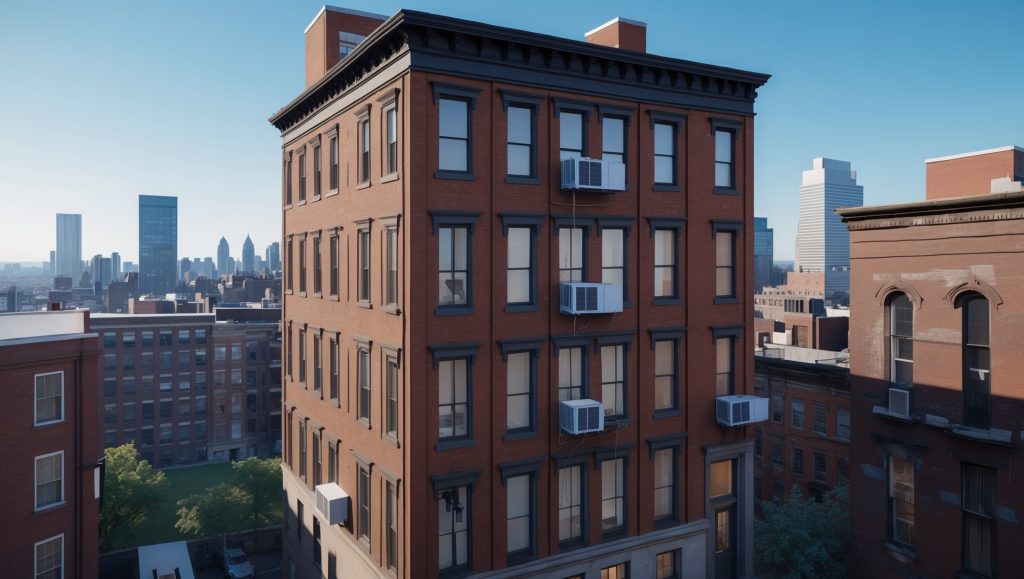
Introduction: Why Boston HVAC Permits and Compliance Matter
Whether you’re a homeowner upgrading your heating system or a business owner managing a commercial property, the maze of HVAC permits and compliance requirements in Boston can feel daunting. Too often, property owners dive into installations or repairs without realizing the legal and safety implications. Failing to secure proper permits or adhere to local codes doesn’t just risk fines or project delays—it can endanger building occupants and compromise insurance coverage. On the other hand, a well-navigated permit process ensures your HVAC investment is protected, efficient, and built to last within Boston’s strict regulatory framework. From deciphering which projects require a permit, to passing city inspections and understanding the unique code requirements in historic neighborhoods, this step-by-step guide will demystify the Boston HVAC permit landscape. With practical strategies and checklists, you’ll learn how to avoid the most common pitfalls, keep your project moving, and guarantee your system is safe, legal, and tailored to Boston’s climate challenges.
Understanding Boston’s HVAC Permit Requirements
Which HVAC Projects Require a Permit?
Boston’s Inspectional Services Department (ISD) mandates permits for most HVAC work beyond basic maintenance. Here are common scenarios that require a permit:
- Installing or replacing a furnace, boiler, or central air conditioner
- Adding or modifying ductwork, vents, or exhaust systems
- Installing mini-split or heat pump systems
- Upgrading gas/oil lines or connections for HVAC equipment
- Major repairs affecting safety or code compliance (e.g., replacing heat exchangers)
Permits are not typically required for:
- Changing air filters
- Thermostat battery replacement
- Routine cleaning or minor repairs not affecting system safety
Risks of Skipping Permits
Skipping required permits can result in:
- Stop-work orders and project delays
- Fines and penalties (often hundreds to thousands of dollars)
- Problems with insurance claims if damage occurs
- Issues during property sale (unpermitted work must often be corrected or removed)
- Potential hazards due to unchecked installation errors
Step-by-Step: Boston HVAC Permit Process
Step 1: Determine the Scope of Work
Before you begin, clarify exactly what HVAC work will be performed. Write down details including:
- Type and size of equipment (brand/model if known)
- Location of installation (basement, roof, exterior, etc.)
- Changes to existing ductwork, fuel lines, or electrical connections
This information is required for your permit application and helps avoid delays.
Step 2: Hire a Licensed Contractor (When Required)
Boston requires most HVAC work to be performed by a licensed contractor. Homeowners may perform some work on single-family, owner-occupied homes, but commercial and multifamily projects must use licensed professionals. Always check your contractor’s license status on the Massachusetts Division of Professional Licensure website.
Step 3: Submit Your Permit Application
Permit applications can be submitted online via Boston’s ISD portal or in person at the ISD office. Required materials typically include:
- Completed application form (with property address and project description)
- Contractor’s license number and insurance information
- Equipment specifications (cut sheets, manuals, or drawings)
- Site plans showing equipment location, clearances, and venting
- For large projects: stamped mechanical drawings by a licensed engineer
Pay close attention to application instructions—missing documents are the #1 reason for permit delays in Boston.
Step 4: Pay Fees and Track Your Application
Permit fees vary based on project value and scope. For residential HVAC work, expect $50–$200; for commercial, fees may be higher. You can track your application status online. Expect 2–10 business days for review, depending on complexity.
Step 5: Schedule Inspections
Once your permit is approved, you’ll receive instructions for required inspections. Most common are:
- Rough Inspection: After equipment is placed but before concealment (walls, ceilings closed up)
- Final Inspection: After completion, to confirm code compliance and safe operation
Don’t skip inspections—final sign-off is required for legal occupancy and insurance coverage.
Boston Code Highlights: What Inspectors Look For
Ventilation and Exhaust Standards
Boston follows the Massachusetts State Building Code (780 CMR) and Mechanical Code (CMR 271) for HVAC. Inspectors will check:
- Proper venting of combustion appliances (no backdraft risk)
- Separation of exhaust and intake vents (to prevent cross-contamination)
- Minimum clearances from windows, doors, and property lines
- Code-compliant vent materials and terminations
Equipment Sizing and Placement
Incorrectly sized units not only waste energy but can violate code. Inspectors verify:
- Manual J load calculations (especially for new construction/additions)
- Equipment is not oversized or undersized for the space
- Outdoor units are installed on stable pads with required setbacks
- Indoor units have proper access for servicing and required clearances
Electrical and Fuel Connections
HVAC installations must meet both electrical and fuel gas codes. Expect checks for:
- Dedicated circuits and correct wire sizing
- Properly sized and labeled breakers/disconnects
- Safe gas line sizing, shutoff valves, and leak testing
- Bonding and grounding for equipment safety
Fire Safety and Carbon Monoxide Protection
Inspectors enforce strict fire safety standards:
- Fire-rated penetrations sealed with approved materials
- Smoke and CO detectors installed near sleeping areas and fuel-burning equipment
- Combustion air requirements met for enclosed spaces
Permits and Historic Properties: Special Considerations
Boston’s rich architectural heritage means many buildings fall under historic preservation rules. If your property is in a historic district or individually landmarked, additional reviews may be required:
- Exterior condensers, vents, or rooftop units may need Boston Landmarks Commission approval
- Visible changes to facades, windows, or roofs are often restricted
- Work with your contractor to propose minimally invasive solutions (e.g., ductless mini-splits with discreet exterior lines)
Begin your permit process early and consult with both ISD and the Landmarks Commission to avoid costly rework or design changes.
Common Pitfalls and How to Avoid Them
1. Incomplete Applications
Missing documents, unclear project descriptions, or incorrect addresses are frequent causes of permit rejections. Double-check all submission requirements before applying.
2. Unlicensed Work
DIY installations or hiring unlicensed contractors can invalidate your permit and nullify equipment warranties. Always verify credentials.
3. Skipping Inspections
Failing to schedule or pass final inspections can lead to stop-work orders, insurance issues, and legal headaches when selling the property.
4. Noncompliance with Energy Codes
Boston enforces strict energy efficiency requirements. Make sure your system meets current Massachusetts Stretch Energy Code standards—especially for new construction or major renovations.
5. Overlooking Neighbor and HOA Rules
Some neighborhoods or condo associations have additional restrictions on exterior equipment. Secure written approval when necessary before starting work.
Tips for a Smooth Permit Experience in Boston
- Start Early: Incorporate permit timelines into your project schedule, especially during peak seasons (spring/fall).
- Communicate Often: Maintain open lines with your contractor and the ISD. Promptly respond to requests for more information.
- Keep Records: Save all correspondence, permits, inspection reports, and approvals for future reference—especially if you plan to sell or refinance.
- Plan for Delays: Unforeseen issues (e.g., outdated wiring, code changes) can impact your timeline. Budget extra time and money for contingencies.
- Utilize Resources: Boston’s ISD website and customer service lines are valuable tools. Don’t hesitate to ask questions or clarify requirements.
Frequently Asked Questions: Boston HVAC Permits
How long does the HVAC permit process take in Boston?
For straightforward residential projects, expect 2–5 business days. Larger commercial or multifamily projects may take 1–3 weeks, especially if plans need review by multiple departments or historic boards.
Can I start work before the permit is issued?
No. Beginning work before permit approval is a violation and can result in fines or mandatory removal of unpermitted installations.
Are there special permits for rooftop HVAC units?
Yes. Rooftop installations often require structural review and may need additional zoning or fire department sign-offs, especially in commercial buildings.
Do I need a permit for replacing an existing thermostat?
Generally, no—unless you are upgrading to a high-voltage or smart thermostat that requires new wiring or integration with other systems.
What if my property is a condo?
In addition to city permits, you may need approval from your condominium association. Review your HOA bylaws and obtain all necessary signatures before applying.
Conclusion: Ensuring Safe, Legal, and Efficient HVAC in Boston
Securing the right HVAC permits and following compliance guidelines in Boston is more than a bureaucratic hurdle—it’s a cornerstone of responsible property ownership. Whether you’re installing a high-efficiency furnace in a Back Bay brownstone or upgrading rooftop units in a South Boston office, the process protects your investment, safety, and peace of mind. By following the step-by-step strategies detailed above, you’ll sidestep costly mistakes, avoid project delays, and ensure your HVAC system is built to Boston’s rigorous standards. Remember, permits verify that your installation is not just up to code but also optimized for energy efficiency, fire safety, and long-term reliability. They also provide official records you’ll need for insurance claims, refinancing, or future property sales. Cutting corners may seem tempting, but in Boston’s tightly regulated landscape, it rarely pays off. Instead, partner with licensed professionals, communicate proactively with city officials, and treat the permit process as an essential part of your project planning. The result? A comfortable, efficient, and fully compliant indoor environment—ready to handle everything Boston’s climate throws your way, now and for years to come.
If I’m just replacing an old thermostat with a newer smart model in my Boston home, do I need to get a permit from the city, or is that considered minor enough to skip? The article mentions air filter changes are exempt, but I’m unclear about thermostats.
Replacing a standard thermostat with a newer smart model in your Boston home is generally considered a minor upgrade and typically does not require a permit. The city mainly requires permits for modifications that impact electrical wiring or HVAC system components beyond simple device swaps. If you’re just swapping the thermostat and not altering any wiring or making other system changes, you should be fine without a permit.