
Introduction: Why Boston Homeowners and Businesses Should Rethink Their Thermostats
Boston’s climate is as varied as its history. From bone-chilling Nor’easters in winter to sticky, humid summers, maintaining year-round indoor comfort is a challenge for both homeowners and businesses. Yet, one of the most overlooked elements in the pursuit of an efficient and comfortable space is the humble thermostat. You may be surprised to learn that even the most advanced HVAC system can underperform—or waste energy—if paired with an outdated or improperly programmed thermostat. Upgrading your thermostat isn’t just about modern convenience; it’s a strategic move that can boost comfort, slash energy bills, and even extend the lifespan of your entire HVAC system. This comprehensive guide dives deep into the process of selecting, installing, and maximizing modern thermostats tailored for Boston’s unique climate and energy needs. Whether you’re a homeowner looking to enhance your family’s comfort or a business owner seeking better control over operational costs, you’ll find actionable insights and step-by-step advice to make your next thermostat upgrade a smart investment.
Understanding Thermostat Types: Finding the Right Fit for Boston Properties
Manual Thermostats: The Old Standby
Manual thermostats are the simplest form, offering basic temperature control via a dial or lever. They’re reliable but lack precision and advanced features. These units are rapidly becoming obsolete, especially in Boston where weather swings demand smarter solutions.
Programmable Thermostats: Scheduled Comfort
Programmable thermostats allow you to set different temperatures for various times of day and days of the week. In Boston’s climate, this means you can pre-warm your home before chilly mornings or cool it down before summer afternoons. Common program types include:
- 7-day: Unique settings for each day (ideal for businesses with varying hours).
- 5-2: Weekday and weekend schedules (great for families).
- 5-1-1: Weekdays, Saturday, and Sunday programming (flexibility for mixed schedules).
Smart Thermostats: Adaptive and Connected
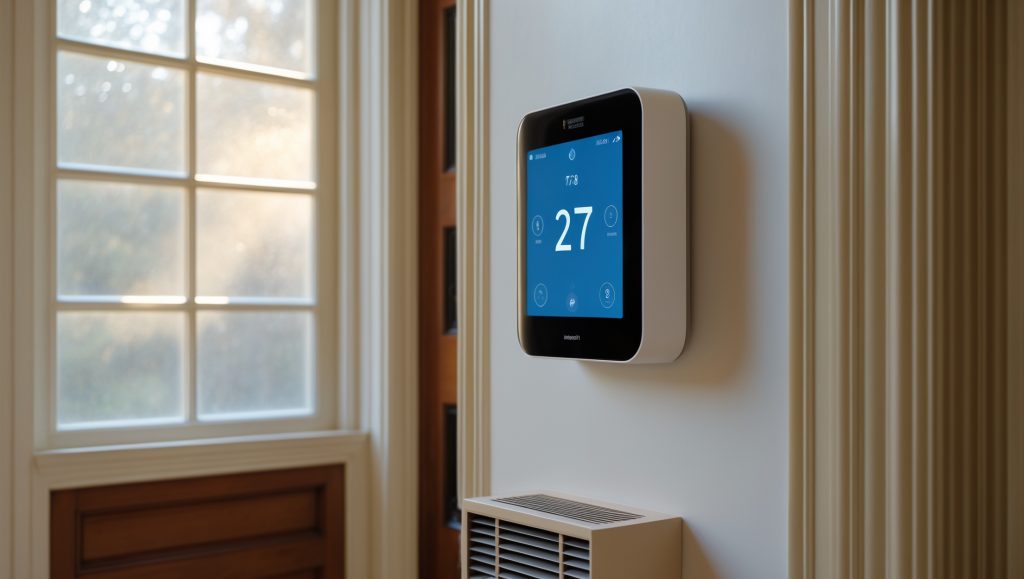
Smart thermostats take programmability to the next level. They connect to Wi-Fi, enabling remote control via smartphones or computers—perfect for unpredictable Boston weather changes. Many models use sensors and learning algorithms to optimize comfort and efficiency automatically. Key features often include:
- Learning your schedule and preferences
- Remote adjustment
- Energy usage reports
- Integration with other smart home devices
Benefits of Upgrading Your Thermostat in Boston
1. Energy Savings
The U.S. Department of Energy estimates that proper use of programmable thermostats can save Boston homeowners up to 10% per year on heating and cooling. Smart thermostats can deliver even greater savings by learning your habits and minimizing waste.
2. Improved Comfort
Modern thermostats allow for more precise temperature control, eliminating the swings between too hot and too cold that are common with older manual units. Adaptive settings can anticipate Boston’s weather shifts, ensuring consistent comfort.
3. Convenience and Control
Remote access lets you adjust temperatures from anywhere. Heading home early as a snowstorm rolls in? You can warm your space before you arrive. Going on vacation? Set vacation mode to avoid unnecessary heating or cooling.
4. Better System Performance and Longevity
Frequent cycling (turning on and off) from improper thermostat use can wear out your HVAC system. Upgraded thermostats optimize run times, reducing wear and extending equipment life—crucial for Boston’s demanding climate.
5. Enhanced Zoning Capabilities
Pairing smart thermostats with zoned systems can provide room-by-room control, ideal for Boston’s historic homes or multi-use commercial spaces where heating or cooling needs vary widely.
How to Choose the Best Thermostat for Your Boston Home or Business
Step 1: Assess Your Current HVAC System
Not all thermostats are compatible with every HVAC system. Before shopping, determine your system type (forced air, heat pump, boiler, etc.) and whether you have features like multi-stage heating/cooling or zoning. Check for a common wire (C-wire), which many smart thermostats require for power.
Step 2: Identify Essential Features
- Wi-Fi Connectivity: For remote control and updates.
- Geofencing: Adjusts settings automatically when you leave or return.
- Energy Reports: Helps analyze savings and adjust behavior.
- Voice Control: Integration with Alexa, Google Home, etc.
- Outdoor Weather Tracking: Adapts indoor temperature based on Boston’s forecast.
- Zoning Support: Controls multiple areas independently.
Step 3: Consider Local Rebates and Incentives
Mass Save and other Boston-area programs often provide rebates for ENERGY STAR certified smart thermostats. Check eligibility before purchasing to maximize your savings.
Step 4: Evaluate User Interface and App Quality
Look for an intuitive touchscreen and a well-reviewed mobile app. User-friendly interfaces ensure you and your family or staff will actually use the advanced features.
Step 5: Think Ahead—Future-Proofing
Choose a thermostat that can receive software updates and integrate with future smart home devices. Boston’s technology landscape is evolving—your HVAC controls should keep up.
Step-by-Step Thermostat Replacement and Installation for Boston Properties
1. Safety First
Always turn off HVAC power at the circuit breaker before starting. Verify with a voltage tester that there is no power to avoid electrical shock.
2. Remove the Old Thermostat
- Take a photo of the wiring before disconnecting for reference.
- Label each wire with the supplied stickers or tape.
- Unscrew the base and gently pull wires through.
3. Prepare the Mounting Surface
- Patch any holes or paint as needed.
- Install the new thermostat’s mounting plate, making sure it is level.
4. Connect the Wires
- Match each wire to the correct terminal (refer to your photo and labels).
- If a C-wire is missing and required, consider a C-wire adapter kit or consult a Boston HVAC pro.
5. Attach the Thermostat and Restore Power
- Snap the thermostat onto the base.
- Turn the HVAC power back on.
6. Setup and Programming
- Follow on-screen prompts for initial setup.
- Connect to Wi-Fi if applicable.
- Download and configure the mobile app.
- Set up schedules or enable learning mode.
7. Test the System
- Run through heating and cooling cycles to ensure proper function.
- Verify that all zones (if present) respond correctly.
Tip: If you’re uncomfortable with any step, Boston HVAC contractors can ensure safe, code-compliant installation and may help with rebate paperwork.
Programming Your Thermostat for Boston’s Four Distinct Seasons
Winter (December–February)
- Set daytime temperatures to 68°F for occupied hours.
- Lower to 60–62°F at night or when away.
- Use pre-heating features for early mornings.
Spring and Fall (March–May, September–November)
- Take advantage of moderate temperatures; program wider setbacks during unoccupied periods.
- Open windows when possible but remember to disable HVAC accordingly.
Summer (June–August)
- Set AC to 75–78°F during occupied hours.
- Raise to 82°F or higher when away.
- Use humidity control features if available.
Special Boston Considerations
- For historic homes: Avoid rapid temperature swings, which can stress older building materials.
- For businesses: Use occupancy sensors to adjust settings based on actual use.
- Plan for sudden Nor’easter events by enabling remote access for emergency adjustments.
Common Thermostat Upgrade Mistakes Boston Residents Should Avoid
- Ignoring Compatibility: Not all thermostats work with every HVAC system. Always confirm with manufacturer specs.
- Skipping the C-Wire: Many smart thermostats need constant power. Don’t force a smart thermostat onto a system without a C-wire unless using an approved adapter.
- Poor Placement: Avoid installing thermostats near vents, exterior doors, direct sunlight, or kitchens—these locations can skew temperature readings.
- Neglecting Programming: Even the smartest thermostat won’t save money if left on manual mode. Take time to set schedules or enable learning features.
- Forgetting About Zoning: Multi-zone systems need compatible thermostats for each zone—don’t try to control several zones with one device.
Advanced Features Boston Homeowners and Businesses Should Consider
Geofencing
Smart thermostats can use your phone’s location to adjust settings automatically as you come and go—a real benefit in a city with unpredictable work and school schedules.
Integration with Other Smart Devices
Link your thermostat with smart lights, window sensors, or even leak detectors for a coordinated approach to comfort and safety—especially useful in Boston’s multifamily buildings and offices.
Energy Usage Reports
Modern thermostats track patterns and provide actionable reports. Use these to spot inefficiencies or justify upgrades to insulation or windows for further savings.
Remote Diagnostics
Some systems allow your Boston HVAC contractor to access performance data remotely, speeding up service calls and minimizing downtime in commercial settings.
Maintenance and Troubleshooting Tips for Thermostats
Regular Cleaning
Dust around thermostat sensors can cause inaccurate readings. Gently wipe the exterior and check for cobwebs or debris monthly.
Battery Checks
If your thermostat uses batteries, replace them annually or when prompted. Low batteries can lead to erratic performance or loss of programming.
Firmware Updates
Check the app or manufacturer site for updates. Many smart thermostats receive security and performance improvements regularly.
Calibration
If the thermostat seems off, use a digital thermometer to check room temperature and recalibrate if needed (refer to your manual).
Connectivity Issues
- Ensure your Wi-Fi network is strong near the thermostat.
- Restart your router if the device loses connection.
- For persistent issues, contact support—software updates may be required.
Case Example: How a Boston Brownstone Improved Comfort and Cut Costs with a Smart Thermostat
In Boston’s Back Bay, a family living in a historic brownstone replaced their aging manual thermostat with a top-rated smart unit. After professional installation (to manage the older wiring and multi-zone setup), they programmed schedules around work and school routines and enabled geofencing. Over the first year, they saw:
- Energy bills drop by 13% compared to the previous year
- Fewer complaints about temperature swings between floors
- Improved humidity control during summer heatwaves
- Peace of mind with remote access during winter vacations
This real-world example highlights how a relatively small upgrade can yield measurable benefits, especially when tailored to Boston’s unique housing stock and climate.
Conclusion: Making the Most of Your Thermostat Investment in Boston
Upgrading your thermostat is one of the most cost-effective ways to improve comfort, efficiency, and control in your Boston home or business. With the city’s wide-ranging temperatures, unpredictable weather events, and aging building stock, a modern thermostat provides more than just convenience—it offers real protection for your HVAC investment and your wallet. By choosing the right device for your system, programming it thoughtfully, and keeping it well-maintained, you’ll not only enjoy a more comfortable space but also contribute to a greener, more energy-resilient Boston. Don’t underestimate the impact a small wall-mounted device can have on your daily life, your energy bills, and your property’s long-term value.
As you weigh your options, remember to check for local rebates, consult with trusted Boston HVAC professionals when needed, and take advantage of advanced features tailored for New England living. Whether you’re managing a busy household, running a business, or preserving a historic property, a thermostat upgrade is a smart step toward safer, more efficient, and more enjoyable indoor living year-round. Ready to make the switch? Your comfort—and your future energy savings—await.
As a small business in Boston with unpredictable hours, I’m interested in the 7-day programmable thermostats you mentioned. Are there any specific models that are particularly well-suited for older buildings with inconsistent insulation?
For older Boston buildings with inconsistent insulation, look for 7-day programmable thermostats that offer adaptive learning or advanced scheduling. Models like the Honeywell T6 Pro or Emerson Sensi Touch are popular because they can handle temperature swings and help maintain steady comfort. These units also let you customize each day’s schedule, which is ideal for unpredictable business hours. Make sure to check if your building’s wiring is compatible, as some older systems may need an adapter.
Could you clarify how an outdated thermostat could actually shorten the lifespan of an HVAC system? I hadn’t considered this impact before and want to make sure I’m not missing an important maintenance step for my shop.
An outdated thermostat can harm your HVAC system by causing it to cycle on and off too frequently or run longer than needed. This puts extra strain on parts like the compressor and blower, leading to increased wear and a shorter overall system lifespan. Upgrading to a modern thermostat helps your HVAC work more efficiently and reduces unnecessary stress on its components, which can extend its service life.