
Introduction: Why Room-by-Room HVAC Maintenance Matters in Boston
When it comes to keeping your Boston home comfortable year-round, most homeowners think of HVAC maintenance in broad strokes—change the filter, schedule a tune-up, keep an eye on the thermostat. But Boston’s unique blend of historic architecture, variable weather, and diverse home layouts means that each room in your house may have different heating, cooling, and air quality needs. A one-size-fits-all approach can leave you with hot-and-cold spots, wasted energy, and even costly repairs. By tailoring your HVAC care to the specific requirements of each space—from bedrooms to basements—you’ll not only maximize comfort but also extend the life of your system and save on energy bills. In this guide, you’ll find actionable, room-by-room strategies to optimize airflow, improve indoor air quality, and prevent common issues unique to Boston homes. Whether you’re a seasoned homeowner or new to the city, these expert tips will help you create a perfectly balanced indoor environment, no matter what our New England weather throws your way.
Living Room: The Hub of Comfort
Optimize Airflow and Distribution
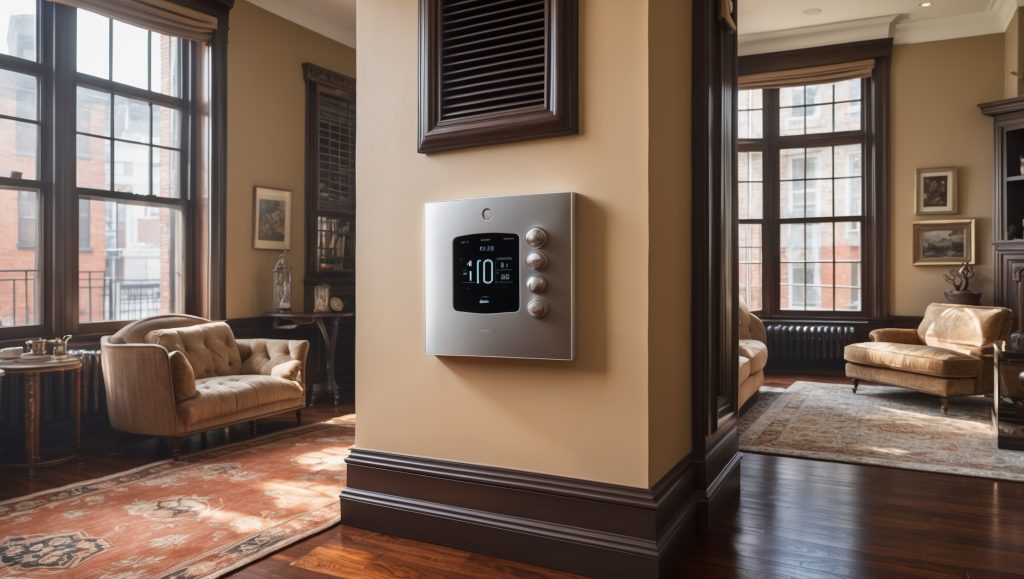
The living room often serves as the central gathering space, making efficient heating and cooling essential. Start by ensuring vents and registers aren’t blocked by furniture, rugs, or drapes. Boston’s older homes may have radiators or baseboard heaters—bleed radiators at the start of heating season and vacuum baseboard fins regularly to prevent dust buildup. For forced-air systems, vacuum vent covers monthly and consider upgrading to adjustable registers to fine-tune airflow.
Manage Sunlight and Insulation
South-facing living rooms can overheat in summer and lose warmth in winter. Install thermal curtains or cellular shades, but open them on sunny winter days to harness passive solar heat. Seal gaps around windows and doors with weatherstripping and caulk—Boston’s freeze-thaw cycles can widen these gaps over time, so check them each season.
Air Quality Solutions
Since living rooms see high foot traffic, dust and allergens can accumulate. Use a HEPA-grade vacuum weekly and clean around vents. If you own pets or have an open-concept layout, consider a portable air purifier for this room. Inspect and clean return air grilles every two months; dirty returns force your system to work harder, raising energy costs.
Kitchen: Taming Heat and Humidity
Ventilation is Key
Cooking generates heat, moisture, and airborne particles. Make sure your range hood vents outside, not just back into the room. Clean grease filters monthly and check for blockages in ductwork. If you have an older home without a vented hood, open a window slightly during cooking to reduce humidity and odors.
Monitor Moisture and Temperature
Excess humidity in the kitchen can strain your AC and promote mold. Use a hygrometer to monitor levels (aim for 30–50%). If humidity is routinely high, add a dehumidifier or upgrade your HVAC system with whole-house humidity control. For radiated heat in winter, check that no appliances or cabinetry block airflow from vents or radiators.
Sealing and Insulation
Check around plumbing penetrations beneath sinks and behind appliances for air leaks. Seal with expandable foam or caulk to prevent drafts and energy loss, especially in Boston’s cold months.
Bedrooms: Prioritizing Comfort and Quiet
Personalized Climate Control
Bedrooms need precise temperature and humidity control for restful sleep. If your home has a zoned HVAC system, set bedroom thermostats a few degrees cooler at night in winter and slightly warmer in summer. For single-zone systems, use ceiling fans to distribute air evenly (clockwise in winter, counterclockwise in summer).
Noise Reduction
If HVAC noise disturbs sleep, inspect ductwork for loose connections or rattling. Boston’s older homes often have metal ducts prone to vibration—secure them with additional straps or insulation. Replace old or noisy window AC units with ductless mini-splits for quieter operation and better efficiency.
Allergen Management
Bedrooms are prone to dust mites and allergens. Change HVAC filters every 2–3 months (or monthly if you have allergies). Wash bedding weekly in hot water and keep vents clear of dust and fabric. For extra protection, opt for allergen-rated room air purifiers or upgrade to a MERV 13 filter if your system allows.
Bathrooms: Tackling Humidity Head-On
Preventing Mold and Moisture Damage
Boston’s humid summers and poorly ventilated bathrooms are a recipe for mold. Install or upgrade exhaust fans with humidity sensors. Run the fan during showers and for at least 15 minutes afterward. Clean vent covers quarterly and check that exhaust ducts are clear and vented outside, not into attic spaces.
Seal and Insulate
Examine caulking around tubs, showers, and windows—reapply as needed to keep moisture out of walls. For bathrooms adjacent to unheated spaces, insulate exterior walls and pipes to prevent condensation and frozen pipes in winter.
HVAC System Integration
If your bathroom has a dedicated vent, ensure it’s open and unobstructed. For homes with radiant floor heating, inspect for cold spots or leaks annually. Consider adding a timer or smart switch to bathroom fans for consistent moisture control.
Basements: Combating Damp and Cold
Dehumidification and Ventilation
Boston basements tend to be damp, especially in spring and summer. Use a standalone dehumidifier to keep humidity below 60%. If your HVAC system serves the basement, make sure supply and return vents are open and regularly cleaned. Install a vent fan if the space feels stuffy or musty.
Preventing Mold and Air Quality Issues
Inspect for visible mold, musty odors, or condensation on walls and pipes. Clean all vents quarterly and consider adding a UV air purifier to your HVAC system. Seal cracks and gaps in the foundation to keep out moisture and radon—a common issue in Boston.
Heating Solutions
Basements can be chilly in winter. Insulate rim joists and install weatherstripping around basement doors. For finished basements, consider adding electric baseboard heaters or a ductless mini-split for supplemental warmth.
Attics: Protecting Your HVAC from Above
Insulation and Air Sealing
A poorly insulated attic is a major source of energy loss. Check that your attic meets at least R-38 insulation standards (about 12–15 inches of fiberglass or cellulose). Seal around attic hatches, recessed lighting, and plumbing vents to keep conditioned air inside your living spaces.
Ventilation Maintenance
Attic ventilation prevents moisture buildup and ice dams—a big problem in Boston winters. Inspect soffit and ridge vents for blockages and clear away debris seasonally. If you notice attic temperatures soaring in summer, consider installing a powered attic fan, but consult with a local HVAC pro first, as improper installation can cause negative pressure issues.
Home Offices: Optimizing Comfort for Productivity
Temperature and Airflow Balance
Electronics generate heat, making home offices warmer than other rooms. Keep supply vents clear and avoid placing desks or equipment directly in front of them. Use fans to circulate air if the room feels stuffy. If your office is a converted attic or basement, pay extra attention to insulation and dehumidification.
Indoor Air Quality
Printers, copiers, and other office equipment can emit VOCs and particulates. Add a small air purifier if you spend long hours in the space. Regularly dust surfaces and clean vents to maintain air quality. For those with allergies, consider a desk-side HEPA filter.
Smart Controls
Install a programmable or smart thermostat with zoning capability if possible. Set the office temperature to adjust automatically when you’re not using the room, saving energy without sacrificing comfort.
Children’s Rooms and Nurseries: Safety and Health First
Comfort and Air Quality
Young children are more sensitive to temperature swings and airborne irritants. Keep room temperatures steady—typically between 68–72°F in winter and not above 75°F in summer. Use room thermometers as a backup to your main thermostat.
Allergen and Dust Control
Opt for washable window coverings and avoid plush rugs that trap dust. Clean vents and registers monthly. For nurseries, ensure any portable humidifiers or air purifiers are cleaned and maintained per manufacturer instructions to prevent mold growth.
Safety Checks
Install vent covers that cannot be easily removed by small children. Use outlet covers and keep portable heaters or fans out of reach. For window AC units, ensure they are securely installed, with no gaps that could pose a safety hazard.
Hallways and Entryways: The Forgotten Pathways
Maintaining Even Airflow
Hallways and entryways often have minimal HVAC coverage, yet they serve as important connectors for airflow. Vacuum return air grilles and baseboards every season to prevent dust buildup. For multi-story homes, keep doors open during HVAC operation to encourage even air distribution.
Draft Control
Entry doors are a major source of energy loss. Check weatherstripping and door sweeps annually and replace as needed. For vestibules or mudrooms, consider adding a storm door or insulated entry door to reduce drafts.
General Room-by-Room Maintenance Checklist
- Check and clean vents/registers in every room monthly.
- Inspect for drafts, moisture, or condensation around windows, doors, and exterior walls.
- Change HVAC filters at least every three months (more often with pets/allergies).
- Test and calibrate thermostats seasonally.
- Ensure furniture and decor do not block airflow.
- Vacuum and dust around all HVAC components regularly.
- Monitor humidity levels (30–50% recommended).
- Schedule professional maintenance annually before peak heating/cooling seasons.
When to Call a Professional
While DIY maintenance goes a long way, some issues require expert intervention. Call a Boston HVAC professional if you notice:
- Uneven temperatures or persistent hot/cold spots.
- Unusual noises from vents or equipment.
- Visible mold, excessive dust, or poor air quality despite regular cleaning.
- Sudden spikes in energy bills.
- Frequent system cycling or poor humidity control.
Professionals can also help with duct cleaning, system upgrades, and installing advanced air quality solutions tailored to your home’s unique needs.
Conclusion: Achieving Total Comfort and Efficiency in Every Room
No two rooms in your Boston home are exactly alike—and neither are their HVAC needs. By adopting a room-by-room approach, you gain more than just peace of mind: you actively safeguard your family’s health, maximize comfort, and protect your investment in one of your home’s most critical systems. Regular, targeted maintenance prevents small issues from snowballing into major repairs and ensures that every corner of your house—whether it’s the bustling kitchen, a quiet nursery, or a finished basement—stays as comfortable as possible, no matter the season. As Boston’s weather continues to surprise us, staying proactive with these tailored strategies will help you adapt to every challenge. Remember, efficient HVAC care is an ongoing process. Make these tips part of your seasonal routine, and don’t hesitate to consult local professionals for complex issues or upgrades. With the right attention to detail, you’ll enjoy a healthier, cozier, and more energy-efficient home all year long. Here’s to comfort in every room—and every season—in Boston!
If my living room often gets too warm in summer, would upgrading to adjustable registers help more than installing thermal curtains, or do they work best together? I’m trying to figure out which option to prioritize on a limited budget.
Adjustable registers can help by allowing you to direct less cooled air into rooms that tend to get too warm, offering more immediate control. Thermal curtains, on the other hand, block out heat from sunlight, which can be very effective if your living room gets a lot of sun. For the best results, they work well together, but if you have to choose, consider which factor affects your room more—airflow or sunlight. Start with the option that addresses your main issue first.
If I want to upgrade to adjustable registers in my living room to better manage airflow like you suggested, is this usually a big investment, or are there budget-friendly options for homeowners?
Upgrading to adjustable registers in your living room usually isn’t a major investment. There are plenty of budget-friendly options available at most home improvement stores. Many adjustable registers cost between $10 and $30 each, depending on the size and finish. Installation is often a simple DIY project, so you can improve airflow management without a significant expense.
For Boston homes with both radiators and forced-air systems, do you have any advice on how to coordinate maintenance routines between the two, especially when seasons change and we switch from one system to the other?
When managing both radiators and forced-air systems, it’s best to schedule maintenance for each as you transition between heating and cooling seasons. Before turning on radiators for winter, bleed them and check for leaks. For forced-air, replace filters and inspect ducts at the start of the cooling season. If both systems are used for heating, choose one main source and keep the backup ready but serviced. Coordinating check-ups in early fall and late spring helps ensure both systems are reliable and efficient.
Optimizing airflow by moving rugs and furniture sounds great, but what about older homes with limited register placement? Are there cost-effective ways to redistribute air without a major renovation or ductwork overhaul?
In older homes with limited register placement, you can still improve airflow without major renovations. Try using fans to help circulate air more evenly throughout rooms, and make sure vents and returns are unobstructed. Adjustable vent deflectors can also help direct air where it’s needed most. Weatherstripping and sealing gaps around doors and windows can help maintain comfort as well.
After sealing gaps and upgrading to adjustable registers, I still notice some rooms are warmer than others. What should be my next troubleshooting step to even out the temperature across the house?
Since you’ve sealed gaps and upgraded to adjustable registers, the next step is to check your ductwork for blockages, disconnections, or leaks—these can cause uneven airflow. Make sure furniture isn’t blocking vents, and confirm that your thermostat is in a central location. If the issue persists, a professional may need to assess your system’s balance or recommend zoning solutions.
You mention using thermal curtains or cellular shades to manage sunlight in the living room. Between the two, which one would be more effective for both summer and winter in Boston, especially if I’m on a tight budget?
Cellular shades are generally more effective than thermal curtains for both summer and winter because their honeycomb structure traps air, offering better insulation against both heat and cold. They can help reduce energy costs year-round. However, if you’re on a tight budget, thermal curtains are usually less expensive and still provide noticeable insulation, especially when used with a proper liner and installed snugly against the window frame.
If I want to upgrade to adjustable registers in my living room, is it usually a DIY project or does it make sense to hire a professional, particularly for historic homes with complicated ductwork?
Installing adjustable registers is a simple DIY task in most modern homes—just remove the old register and fit the new one. However, in historic homes with unique or complicated ductwork, you might run into issues like odd register sizes, fragile vents, or hard-to-access ducting. In those cases, hiring a professional ensures a secure fit and helps avoid accidental damage to your home’s original features.
What is the approximate cost range for installing thermal curtains or cellular shades in a larger south-facing living room, and are there energy savings in Boston significant enough to justify this investment?
For a larger south-facing living room, thermal curtains typically cost between $100 and $500, while cellular shades often range from $300 to $1,200 depending on quality and size. In Boston’s climate, these window treatments can reduce heat loss in winter and minimize solar gain in summer, leading to potential energy savings of 10–20% on heating and cooling bills. Over a few years, these savings can help offset the initial investment.
When vacuuming vent covers and baseboard fins to reduce dust buildup, are there any particular techniques or vacuum attachments you’d suggest to avoid damaging older equipment?
For older vent covers and baseboard fins, use a vacuum cleaner with a soft brush attachment to gently lift dust without scratching or bending the metal. Avoid using high suction or metal-tipped attachments, as these can damage delicate finishes. If possible, hold the fins steady while cleaning and always move the attachment along the direction of the fins rather than across to prevent bending.
When sealing gaps around windows and doors to address Boston’s freeze-thaw cycles, do you recommend any particular types of weatherstripping or caulk that work best for older homes with drafty frames?
For older Boston homes with drafty frames, I recommend using silicone or acrylic latex caulk for sealing stationary gaps—they both stay flexible during freeze-thaw cycles. For weatherstripping, consider using high-quality foam tape or V-strip (also called tension seal), as they’re effective for irregular frames and can be pressed into place easily. Felt weatherstripping is also a classic option for older windows and doors, though it may need more frequent replacement.
I’m curious about the recommendation to vacuum vent covers monthly. Is that mainly for air quality, or does it also impact energy efficiency in a meaningful way if I miss a month or two?
Vacuuming vent covers monthly primarily helps maintain good air quality by reducing dust and allergens. If you skip a month or two, it usually doesn’t have a big impact on energy efficiency unless a significant amount of debris starts to block airflow. Regular cleaning is most important for households with pets, allergies, or high dust levels.
You mentioned bleeding radiators and vacuuming baseboard fins. I have both in different rooms of my house—how often should I be doing these tasks throughout the year, especially given the long Boston winters?
For Boston homes, it’s usually best to bleed your radiators once at the start of the heating season (early fall) and again if you notice any cold spots or noisy operation. For baseboard fins, vacuum them at least twice a year—once before the heating season begins and again midway through winter—to keep them free of dust and working efficiently during those long cold months.
I have a forced-air system in my living room, but the airflow seems weak even after cleaning the vent covers as you suggested. Is there a recommended way to tell if it’s an issue with the ducts or if I should consider upgrading to adjustable registers first?
If cleaning the vent covers hasn’t improved airflow, try checking if other rooms with vents on the same duct line have similar issues. If only the living room is affected, the register or duct might be blocked or leaking. You can remove the register and look inside with a flashlight for visible obstructions. If multiple rooms are affected, consider having a professional inspect the ducts for leaks or blockages before upgrading to adjustable registers.
You mention sealing gaps around windows and doors with weatherstripping and caulk to handle Boston’s freeze-thaw cycles. Are there specific products or materials you recommend that hold up best in our climate, especially for older homes with drafty frames?
For Boston’s freeze-thaw cycles, look for weatherstripping made from closed-cell foam or silicone—they’re durable and flexible, even in extreme cold. For caulk, choose high-quality silicone or polyurethane caulks, as they resist cracking and shrinking better than latex. For older, drafty frames, rope caulk works well for irregular gaps, and V-strip or tension-seal weatherstripping adapts to uneven surfaces. These materials tend to last longer through tough New England winters.
If I’m on a tight budget but want to start room-by-room HVAC upgrades, which spaces should I prioritize first for the best comfort and cost savings, according to your experience in Boston homes?
When working within a budget, it’s smartest to start with the rooms you use most, like bedrooms and living areas. Upgrading HVAC in these spaces—by adding programmable thermostats, sealing windows, or maintaining vents—can noticeably improve comfort and energy savings. Afterward, consider high-traffic areas like kitchens or home offices. Focus on insulation and airflow for the greatest impact in Boston’s climate.
If I follow the room-by-room tips, how soon should I expect to see improvements in indoor comfort or lower energy bills in a typical Boston apartment?
You can usually notice improvements in indoor comfort within a few days to a week after applying the room-by-room HVAC tips, especially if you address airflow, filters, and thermostat settings. As for lower energy bills, you might see results in your next monthly billing cycle, depending on your usage. Consistency with maintenance helps maximize these benefits over time.
We have a finished basement that always feels colder than the rest of the house no matter what we do. Are there specific HVAC tips for basements in Boston homes that go beyond what’s mentioned for living rooms?
Basements in Boston tend to feel colder due to being below ground and having less sunlight. Beyond standard living room tips, consider sealing gaps around windows, insulating basement walls, and making sure vents are fully open and unobstructed. You might also benefit from installing a return air vent in the basement or using a ductless mini-split for supplemental heat. Regularly check that your HVAC system’s air filter is clean, as this helps maintain even airflow throughout the house.
For homeowners on a tight budget, which of your suggested room-by-room HVAC maintenance steps would you prioritize to get the most immediate comfort and energy savings during Boston’s winter?
If you’re watching your budget, focus on replacing or cleaning air filters, sealing window and door drafts with weatherstripping, and making sure vents are clear of furniture and dust. These steps are inexpensive but can quickly improve comfort and efficiency, especially during Boston’s cold winters. You’ll notice rooms stay warmer and your system won’t have to work as hard.
If my living room tends to get overheated on sunny winter days, should I focus more on adjusting the curtains and blinds or invest in changes to the HVAC itself? What would you suggest as a first step to prevent temperature swings?
If your living room overheats on sunny winter days, starting with adjusting curtains and blinds is often the simplest and most cost-effective first step. Closing them during the sunniest hours can block excess heat. Before making HVAC changes, try this approach for a few days. If the problem continues, you might then consider more advanced options like zoning or smart thermostats.
Is there a budget-friendly order you’d recommend tackling these room-by-room HVAC tasks for someone who can’t afford to do everything at once? Not sure what makes the biggest difference fastest in an older Boston house.
For an older Boston house on a budget, start with tasks that boost whole-home efficiency. Begin by replacing air filters and sealing drafts around windows and doors in main living spaces, since these changes make a noticeable impact quickly. Next, clean supply and return vents, especially in high-use rooms. If the kitchen or bathroom feels stuffy, prioritize checking and cleaning exhaust fans. Later, focus on bedrooms and less-used areas. This order gives you immediate comfort and savings while spreading out bigger jobs.
For rooms with baseboard heaters, what are some signs that dust buildup is starting to affect their efficiency? Also, is there a specific tool or attachment you’d recommend for vacuuming those baseboard fins effectively?
If you notice uneven heating, a musty smell when the heater runs, or visible dust collecting on the fins, dust buildup might be reducing your baseboard heater’s efficiency. For cleaning, a vacuum with a brush attachment or a crevice tool works well for reaching between the fins. Some people also use a soft paintbrush to gently loosen stubborn dust before vacuuming.
You mention that Boston’s variable weather can affect each room differently. If I start room-by-room HVAC maintenance now, how long should I expect the process to take for an average-sized home, and is there an ideal season to begin?
For an average-sized home, room-by-room HVAC maintenance usually takes about one to two days, depending on accessibility and any existing issues. Spring or early fall is an ideal time to start, since the system isn’t under heavy load and you can address any problems before extreme temperatures set in. This timing also makes it easier to schedule professional help if needed.
Could you clarify how to spot drafts around living room windows and doors before they turn into bigger problems during Boston’s winter? Are there quick ways to test for leaks without professional tools?
To spot drafts around living room windows and doors, try holding your hand near the edges on a cold day—if you feel a chill or moving air, there’s likely a leak. Another quick method is to use a lit candle or incense stick and slowly move it around the window or door frame; if the flame or smoke wavers, air is getting through. Sealing small gaps with weatherstripping or caulk can help prevent bigger issues as winter sets in.
My living room has large south-facing windows and definitely gets way too hot some afternoons during the summer. Are there specific types of thermal curtains or cellular shades you recommend for Boston homes, especially for older windows?
For older Boston homes with big south-facing windows, look for thermal curtains with a white or reflective backing to bounce sunlight away and keep heat out. Cellular (honeycomb) shades with double or triple cells offer excellent insulation. Both options help control heat without heavy renovation. Make sure the curtains or shades fit tightly to minimize gaps where heat can sneak in.
For forced-air systems, you suggested upgrading to adjustable registers. Are those a DIY-friendly project, and are there specific types or brands you recommend for older Boston homes?
Adjustable registers are generally a DIY-friendly upgrade, especially if your current registers are standard sizes and easily accessible. Most just require unscrewing the old unit and fitting the new one. For older Boston homes, look for durable metal registers with a tight seal, as these help with drafty rooms. Brands like Deflecto and Accord offer reliable options that fit classic homes well.
The article mentions upgrading to adjustable registers for better airflow. Are those easy to install on my own, or is it better to have a professional handle it, especially in older homes?
Adjustable registers are generally straightforward to install on your own, especially if you’re just swapping out old ones of the same size. They usually just slide into place and require minimal tools. However, in older homes, you might encounter non-standard vent sizes or tightly fitted registers, which could make installation trickier. If you notice any unusual issues or ductwork damage while replacing them, it’s best to consult a professional.
When it comes to optimizing airflow in a living room, do adjustable registers make a noticeable difference compared to regular ones? I’m curious if it’s worth the investment for an average Boston home.
Adjustable registers can make a noticeable difference in optimizing airflow in your living room. Unlike fixed registers, they let you control how much air enters the space, helping to balance temperatures and reduce hot or cold spots. For an average Boston home, investing in adjustable registers is often worthwhile, especially if you have rooms with varying comfort levels. They’re a relatively affordable upgrade and easy to install.
Could you expand on how Boston’s freeze-thaw cycles affect window and door insulation over time? I’m wondering how often I should check caulking and weatherstripping and what signs to watch for.
Boston’s freeze-thaw cycles can cause caulking and weatherstripping around windows and doors to crack, shrink, or pull away, reducing their effectiveness. It’s a good idea to inspect these areas at least twice a year, ideally in spring and fall. Watch for visible cracks, gaps, or hardened, brittle caulking, and feel for drafts or temperature changes near the edges—these are signs replacement or repair is needed.
You mention bleeding radiators at the beginning of heating season for those with older systems. If I’ve never done this before, can you explain the process or suggest whether it’s best to hire a professional in Boston’s climate?
Bleeding radiators involves releasing trapped air to help your system heat efficiently. To do it yourself, you’ll need a radiator key or flathead screwdriver. Turn off your heating, place a cloth under the valve, turn the key slowly until you hear a hiss, and close it once water appears. If you’re not comfortable or notice unusual issues, hiring a Boston HVAC professional is a good idea, especially before the colder months set in.
I’m new to maintaining an older Boston home and noticed you mentioned bleeding radiators at the start of heating season. Is this hard to do for someone without experience? Any tips or things to watch out for to avoid damaging the system?
Bleeding radiators in an older Boston home is usually straightforward, even for beginners. You’ll just need a radiator key, a small container, and a cloth. Turn off your heating, insert the key into the valve at the radiator’s end, and slowly turn until you hear air hissing out. Once water starts to flow steadily, close the valve. Be careful not to open the valve too much or force it, as this can cause leaks or damage. Always check the boiler pressure afterward and top it up if needed.
For families on a tight budget, are there any affordable DIY insulation upgrades you recommend specifically for living rooms in older Boston homes to deal with those freeze-thaw cycles?
For older Boston homes, affordable DIY insulation options for living rooms include using weatherstripping or caulking to seal gaps around windows and doors, adding heavy thermal curtains to trap warmth, and installing insulating film on windows. You can also use area rugs on hardwood floors to reduce drafts. These upgrades are budget-friendly and help maintain a comfortable temperature during freeze-thaw cycles.
Our house has a finished basement that always feels damp despite running a dehumidifier. Does your guide offer specific recommendations for improving airflow or HVAC performance in basements, especially in Boston’s humid summers?
Yes, the guide includes tips for basements, especially regarding airflow and humidity control. It suggests checking that basement vents are fully open and unobstructed, cleaning or replacing air filters regularly, and ensuring your HVAC system is sized properly for the space. Sealing gaps around windows, using an exhaust fan, and insulating cold water pipes can also help reduce dampness in Boston’s humid summers.
If I add thermal curtains in my south-facing living room for insulation, will it noticeably impact my energy bills during the Boston winters, or are the benefits more about comfort than actual cost savings?
Adding thermal curtains to your south-facing living room can help reduce heat loss through the windows during Boston winters. While you may notice some energy savings, the impact on your bills might be modest rather than dramatic. The main benefits are often improved comfort and reduced drafts, but they can contribute to overall efficiency, especially when combined with other insulation efforts.
If my budget is limited, which room-by-room HVAC upgrades would provide the greatest improvement in comfort and energy savings during a typical Boston winter?
For a limited budget, focus first on your living room and bedrooms since these are typically the most used spaces. Upgrade to a programmable thermostat to control heating schedules, seal any drafts around windows and doors, and add weatherstripping if needed. Also, consider using thermal curtains at night and ensuring vents are clear of obstructions in these rooms. These upgrades are cost-effective and can significantly boost comfort and energy savings during Boston winters.
The article talks about cleaning vent covers and baseboard heater fins regularly. Do you have a ballpark estimate for how much this could impact my energy bill or system efficiency over time, particularly in older homes?
Regularly cleaning vent covers and baseboard heater fins can improve HVAC efficiency by 5% to 15%, especially in older homes where dust and debris build up more quickly. This boost in efficiency may translate into noticeable energy bill savings over the year and help your system heat or cool rooms more evenly, reducing strain on older equipment.
I have a forced-air system and was curious about your tip on upgrading to adjustable registers in the living room. Are these a big investment, and do they actually make a noticeable difference in comfort or energy savings?
Adjustable registers are generally an affordable upgrade, with most models costing between $10 and $30 each. They let you direct or limit airflow to specific areas, which can help balance temperatures in your living room. While the energy savings are usually modest, many homeowners notice improved comfort, especially in rooms that are often too warm or cool. Installation is straightforward and doesn’t require professional help.
If I seal gaps with weatherstripping and caulk around windows, how long does it typically last in Boston’s climate before I need to reapply, considering all the freeze-thaw cycles mentioned?
In Boston’s climate, weatherstripping and caulk around windows usually last about 3 to 5 years before needing touch-ups or replacement, due to frequent freeze-thaw cycles. It’s a good idea to check these seals every year—look for cracks, gaps, or peeling. If you notice any deterioration, it’s best to reapply sooner to maintain energy efficiency and comfort.
You mentioned that older Boston homes often have radiators or baseboard heaters. Are there any signs that those systems need professional maintenance, or can most issues be handled with DIY tasks like bleeding and vacuuming?
Some radiator and baseboard heater issues can be handled with DIY tasks like bleeding air and vacuuming dust. However, if you notice persistent cold spots, noisy pipes, leaks, rusty or corroded parts, or if the system isn’t heating evenly despite your efforts, it’s best to call a professional. These signs could indicate underlying problems such as blockages, faulty valves, or circulation issues that require expert attention.
With the weather in Boston changing so much between seasons, how often should I check for and reseal gaps around windows and doors? Is this something I should do every year, or only after particularly harsh winters?
In Boston’s climate, it’s a good idea to inspect and reseal gaps around windows and doors at least once a year, ideally each spring or fall. However, after especially harsh winters, you may want to check sooner since freezing and thawing can cause extra wear. Regular checks help keep your HVAC system efficient and your home comfortable year-round.
If I want to upgrade to adjustable registers for better airflow in the living room, is this something I can DIY easily, or should I hire a professional? Also, are there brands that work particularly well with older Boston ductwork?
Replacing standard registers with adjustable ones is a common DIY project if the sizes match your current duct openings—usually just unscrewing the old and screwing in the new. However, with older Boston homes, duct sizes can be nonstandard, so measure carefully. Brands like Deflecto and Hart & Cooley tend to offer good compatibility with older setups. If you encounter tight fits or need to modify ductwork, it’s safer to consult a professional.
What should I do if I’ve already implemented thermal curtains and weatherstripping in my living room, but I’m still feeling cold spots in the winter? Are there any troubleshooting steps specific to older Boston homes?
If you’ve already added thermal curtains and weatherstripping but still feel cold spots, check for drafts near floors, outlets, and baseboards, as older Boston homes often have hidden gaps. Inspect the insulation in walls and ceilings if possible. Make sure your vents are fully open and unblocked by furniture. Bleed radiators if you have steam or hot water heat. Sealing unused fireplaces can also help. If issues persist, consider a professional energy audit to identify less obvious sources of heat loss.
I live in one of those older Boston homes with radiators and I haven’t bled them before. How do I know if it’s time, and are there any signs to look for if I missed a season? Does this tie into improving airflow in the living room?
If your radiators are making gurgling noises, not heating evenly, or feel cool at the top and hot at the bottom, it’s probably time to bleed them. These signs might be more noticeable if you missed bleeding them last season. While bleeding radiators mainly improves heat output, it can help overall comfort in your living room by ensuring warmth is distributed properly, which may also help with airflow if your space feels drafty or uneven.
My living room tends to get a lot of sun in summer but loses heat quickly in winter. Besides installing thermal curtains, are there other strategies to balance the temperature in a room with large south-facing windows?
Absolutely, large south-facing windows can cause temperature swings. In addition to thermal curtains, consider applying low-emissivity (Low-E) window film to help block heat in summer and retain warmth in winter. Sealing any gaps around windows with weatherstripping or caulk helps prevent drafts. Adding area rugs and upholstered furniture can also reduce heat loss, while using ceiling fans on reverse in winter helps circulate warm air.
When sealing gaps around windows and doors, is there a specific type of weatherstripping or caulk that works best with the historic window frames common in Boston homes?
For historic window frames in Boston homes, it’s best to use a non-invasive weatherstripping like silicone rubber or felt, which can be applied without damaging the original woodwork. For caulking, a paintable, flexible latex-based caulk is often recommended as it adheres well to old wood and can move with seasonal expansion and contraction. Always test a small area first to ensure compatibility with your historic frames.
For someone on a tight budget, which of the suggested maintenance tasks in the living room would have the biggest impact on comfort and energy bills in a typical Boston home?
If you’re watching your budget, regularly cleaning or replacing the air filters in your living room’s HVAC vents will have the biggest impact on comfort and energy bills. Dirty filters restrict airflow, making your system work harder and less efficiently. Doing this simple, inexpensive task ensures better air quality and can reduce energy costs, especially during Boston’s temperature swings.
I have both radiators and forced-air vents in different rooms. Is there a best practice for balancing these two systems to avoid hot and cold spots, especially during Boston’s colder months?
Balancing radiators and forced-air vents can definitely help maintain consistent temperatures. Start by ensuring radiator valves are open in rooms that feel colder, and partially close them in warmer rooms. For forced-air vents, use vent dampers to direct more airflow to cooler areas. Make sure both systems are not working against each other—try setting both thermostats to similar temperatures. Routine maintenance and checking for drafts or blocked vents/radiators can also help eliminate hot and cold spots.
I noticed the article mentions bleeding radiators and vacuuming baseboard fins in older Boston homes. Could you elaborate on how frequently homeowners should perform these tasks throughout the year, especially given Boston’s changing seasons?
For older Boston homes, it’s best to bleed radiators at least once a year—typically before the heating season in the fall—to remove trapped air and ensure efficient heating. Vacuuming baseboard fins should be done two to four times per year, especially before and after heavy heating use, to keep dust from reducing heat flow. With Boston’s seasonal shifts, scheduling these tasks in spring and fall works well for most homeowners.
For homeowners concerned about budget, which of the room-by-room HVAC tips you outlined do you think offer the quickest return on investment when it comes to reducing energy bills in Boston’s climate?
Sealing air leaks around windows and doors in each room is one of the quickest and most affordable tips for reducing energy bills. Adding weatherstripping or caulk prevents heat loss in winter and keeps cool air indoors during summer. Cleaning or replacing air filters regularly is another easy, low-cost action that improves efficiency in every room. These steps can noticeably lower your energy bills without requiring a big investment.
I’m interested in your advice about cellular shades for living rooms. Are there budget-friendly alternatives that still provide good insulation without compromising aesthetics, especially for large south-facing windows?
Cellular shades are excellent for insulation, but if you’re looking for budget-friendly alternatives for large south-facing windows, consider layered curtains with thermal linings or insulated roller shades. These options help maintain comfort by reducing heat gain and loss, and you can find a range of colors and styles to suit your living room. Look for double curtain rods to layer sheer and heavier curtains for both aesthetics and functionality.
I noticed you said to vacuum vent covers monthly in forced-air systems. If I miss a couple months, could that actually cause any issues, or is it mostly just about keeping things clean? Wondering about any real performance impact.
Missing a month or two of vacuuming vent covers usually isn’t a big deal for most systems, and it’s mostly about keeping the air clean and reducing dust in your home. However, if vent covers get very dusty, it can slightly restrict airflow and potentially push more debris into your HVAC system, which over time might affect efficiency. Sticking to the monthly routine helps keep things running smoothly and maintains better air quality.
You mentioned sealing gaps around windows and doors in living rooms because of Boston’s freeze-thaw cycles. Do you have any recommendations for specific products or methods that work best for older homes with original woodwork?
For older homes with original woodwork, I recommend using clear silicone caulk for sealing cracks, as it stays flexible and blends in visually. For larger gaps, weatherstripping made of felt or silicone can be gently applied without damaging trim. Rope caulk is another good option for temporary sealing in winter and is easy to remove. Always clean the area first and test a small section to ensure it doesn’t affect the finish.
For homeowners on a tight budget, are there certain room-specific HVAC upgrades or maintenance tasks you’d recommend prioritizing first to get the most noticeable comfort or energy savings in a Boston home?
For those on a tight budget, start by sealing gaps and adding weatherstripping in rooms you use most, like bedrooms and living areas. Clean or replace air filters regularly, especially before the heating season. Also, installing a programmable thermostat in main rooms helps control temperatures efficiently. These steps are cost-effective and can noticeably improve comfort and energy savings in Boston’s climate.
If we’re on a tight budget, which of your recommended HVAC maintenance tasks would make the biggest difference in both comfort and energy bills for a small business like ours?
For a small business on a budget, the most impactful HVAC maintenance tasks are regularly replacing or cleaning air filters and keeping vents and returns clear of obstructions. These steps improve airflow, boost comfort, and help your system run efficiently, which can lower energy bills. Also, scheduling annual professional inspections, if possible, can catch small issues before they become costly problems.
You mentioned upgrading to adjustable registers for forced-air systems in the living room to fine-tune airflow. Are there budget-friendly options for small businesses with multiple communal areas, or would zoning the system be a better long-term investment?
For small businesses with several communal areas, adjustable registers are an affordable way to improve comfort without major changes. They let you direct airflow where it’s needed most. However, if you want more control in the long run, especially if different areas have very different heating or cooling needs, investing in a zoning system makes sense. Zoning costs more upfront but can increase energy efficiency and customized comfort over time.
For living rooms with big, drafty windows in a historic Boston building, is it better to invest in thermal curtains or should I focus more on adding insulation around the frames? I’m looking for the most cost-effective way to cut down on winter heat loss.
For a cost-effective solution, start by adding insulation around the window frames, such as weatherstripping or caulking, to stop drafts at the source. This directly reduces heat loss and is usually affordable. Thermal curtains can also help, especially at night, but they work best when combined with proper window insulation. Prioritize sealing gaps first, then consider curtains for added comfort.
I noticed the article suggests vacuuming vent covers and baseboard fins regularly. If I already notice some hot-and-cold spots, should I try these maintenance steps first, or is that a sign of a bigger HVAC issue needing professional attention?
Vacuuming vent covers and baseboard fins can help improve airflow, and it’s a good first step if you’re experiencing hot-and-cold spots. Sometimes, dust and debris buildup restricts air movement and causes uneven temperatures. However, if cleaning doesn’t resolve the issue, there could be a deeper HVAC problem like duct leaks or system imbalance that would benefit from a professional assessment.
If a homeowner has a mix of forced-air and radiator heating in their Boston house, how should they prioritize maintenance tasks to ensure even comfort and prevent cold spots?
When you have both forced-air and radiator heating, start by checking your forced-air system’s filters and vents to ensure airflow isn’t blocked. Next, bleed your radiators to prevent trapped air and check for leaks. Make sure thermostats are working properly for both systems. Balancing these tasks seasonally helps distribute heat more evenly and prevents cold spots throughout your home.
Can you elaborate on what adjustable registers are and whether they make a significant difference in balancing airflow in living rooms with high ceilings? I’m trying to figure out if they’re worth the investment.
Adjustable registers are vent covers with movable louvers that let you control the direction and amount of airflow coming from your HVAC system. In living rooms with high ceilings, they can help direct warm air downward or balance cool air more evenly across the space. While they won’t solve major airflow issues on their own, they do offer an easy, affordable way to fine-tune comfort and are generally worth considering for better air distribution.
I’m curious about the differences between maintaining radiators versus forced-air systems in older Boston homes. Are there any unique challenges or extra steps you recommend for radiators that you wouldn’t need for forced-air systems, especially in rooms like the living room?
Radiators usually need more attention to bleeding air from the system, especially at the start of heating season, to keep them running efficiently. It’s also important to check for leaks and make sure furniture isn’t blocking heat flow. For forced-air systems, you’d focus more on replacing or cleaning filters and making sure vents stay clear. Radiators often require monitoring the boiler pressure and occasional flushing to prevent sediment build-up, which isn’t necessary with forced-air systems.
My living room has both a radiator and a small forced-air vent. Should I focus my regular maintenance efforts more on one system than the other, or does it make sense to treat both equally in an older Boston home?
It’s best to maintain both your radiator and forced-air vent, as each plays a role in your home’s comfort. Radiators need regular bleeding and dusting, while forced-air vents benefit from filter changes and duct cleaning. In older Boston homes, both systems can be vital depending on the season or zone, so treating them equally is a smart approach.
You mention vacuuming vent covers and baseboard fins regularly. Is this something I can handle myself with standard home equipment, or are there any specialized tools you’d recommend for Boston’s older homes?
You can absolutely vacuum vent covers and baseboard fins yourself using standard home equipment, like a vacuum with a hose attachment and a soft brush. For older Boston homes where dust buildup might be heavier, a crevice tool attachment is handy for tight spots. If you want a deeper clean, a small, soft brush or compressed air can help loosen stubborn dust, but no highly specialized tools are required.
You mention vacuuming vent covers and cleaning baseboard fins regularly. How often should I check or clean these in a busy household with pets, and what’s the best way to keep the air quality good in high-traffic rooms like the living room?
In a busy home with pets, it’s best to vacuum vent covers and clean baseboard fins every 2–4 weeks, since pet hair and dust can build up quickly. For high-traffic rooms like the living room, consider using a HEPA air purifier and changing your HVAC filter monthly to keep air quality high. Regularly dusting and vacuuming furniture and floors also helps reduce allergens.
When you mention sealing gaps around windows and doors, do you recommend any specific types of weatherstripping that hold up best with Boston’s freeze-thaw cycles? I want to make sure whatever I use lasts through the winter.
For Boston’s freeze-thaw conditions, I suggest using silicone weatherstripping or high-quality EPDM rubber. Both materials are flexible, durable, and resist cracking from temperature swings. Silicone, in particular, holds up very well to cold, moisture, and UV exposure. Make sure to clean and dry surfaces before applying for the best seal and longevity through tough winters.
Our home has a mix of forced-air and older radiator heating. Should I handle maintenance differently for each type of system in rooms like the living room and bedrooms, or can I use the same approach throughout?
You’ll want to use different maintenance approaches for each system. Forced-air systems need regular filter changes, duct cleaning, and thermostat checks, while radiator systems require bleeding trapped air, checking for leaks, and ensuring valves work smoothly. In rooms with both, maintain each system according to its type to keep everything running efficiently and comfortably.
You mention bleeding radiators before heating season starts. How do I actually do that, and how often should I repeat the process during a typical Boston winter?
To bleed your radiators, turn off the heating system and let the radiators cool. Use a radiator key to slowly open the bleed valve at the top until you hear a hiss of air. Once water starts to drip, close the valve. It’s usually enough to bleed radiators once before heating season, but if you notice cold spots or gurgling during winter, repeat the process.
For living rooms with south-facing windows, you mentioned using thermal curtains or cellular shades to manage temperature. Which one would work better for both winter insulation and summer cooling, especially on a tight budget?
Cellular shades are generally more effective than thermal curtains for both winter insulation and summer cooling because their honeycomb structure traps air, providing better year-round temperature control. However, if you’re on a tight budget, thermal curtains can still make a noticeable difference and tend to be less expensive. If you can stretch your budget a bit, cellular shades are the better all-season choice for south-facing windows.
I have a pretty limited budget for home improvements this year. Which of the HVAC maintenance steps you mention for living rooms would you consider the most cost-effective to start with in an older Boston house?
For an older Boston home with a tight budget, the most cost-effective HVAC maintenance step for your living room is regularly replacing or cleaning air filters. This is inexpensive, helps your system run efficiently, and improves air quality. Also, make sure vents are unobstructed by furniture or curtains to keep airflow optimal without spending much.
If I’ve already noticed persistent cold spots in my living room even after unblocking vents and bleeding the radiator, what should I check next before calling in a professional? Are there any DIY troubleshooting steps specific to Boston homes?
Since you’ve already unblocked vents and bled the radiator, try checking the weather stripping and insulation around your windows and doors—older Boston homes are prone to drafts. Make sure furniture isn’t blocking heat flow and confirm that your thermostat is functioning and placed in a good location. If you have baseboard heating, vacuum any dust buildup. If the problem persists, it may be an issue with ductwork or uneven radiator balancing, which could require professional help.
For someone new to Boston living in an older townhouse, what is the recommended timeframe for doing these HVAC checks in each room during the year? Should anything be done differently at the start versus the end of a season?
For an older Boston townhouse, it’s best to do a thorough room-by-room HVAC check twice a year: once in early spring before cooling season, and again in early fall before heating season. At the start of each season, focus on cleaning vents, replacing filters, and testing system performance. At the end of each season, check for wear, clear debris, and schedule any needed repairs. Older homes may need extra attention to insulation and potential drafts in each room.
We have both radiators and a forced-air system in different parts of our building. Is it possible to balance airflow more evenly between rooms, or should each system be maintained separately according to its own guidelines?
Since radiators (typically steam or hot water) and forced-air systems work differently, they should be maintained according to their own specific guidelines. Balancing airflow really only applies to the forced-air system, where you can adjust dampers, vents, or use fans to direct more air where needed. Radiators should be checked for leaks, air bled as needed, and valves inspected. Keeping both systems well-maintained will help each deliver even heating in their respective zones.
For someone new to Boston, how much time and money should I expect to spend on room-by-room HVAC maintenance each season to keep things running smoothly, especially in older homes?
For a typical older Boston home, expect to spend about 2–4 hours each season on room-by-room HVAC maintenance if you do it yourself. This includes tasks like changing filters, checking vents, and cleaning returns. If you hire a professional, seasonal maintenance usually costs $150–$300 per visit. Older homes might need occasional extra repairs, so budgeting a bit more for unexpected issues is wise.
For homeowners new to Boston, how early in the season should we start our room-by-room HVAC maintenance? Is there a checklist or order you suggest tackling these tasks, especially if we’re short on time before winter hits?
For Boston homes, it’s best to start your room-by-room HVAC maintenance in early fall before the cold sets in. Begin with essential areas like bedrooms and living spaces, checking vents and replacing filters first. Then, move to lesser-used rooms and inspect thermostats and weatherstripping. If short on time, focus on cleaning vents, changing filters, and making sure your heating system runs smoothly. This sequence helps prioritize comfort in the spaces you use most.
Could you expand on the best ways to manage temperature in a south-facing living room during heat waves, especially in historic Boston homes where adding HVAC ductwork is tricky?
Managing temperature in a south-facing living room during heat waves can be challenging, especially in historic Boston homes. Using heavy curtains or reflective window films can block out direct sunlight. Portable or ductless mini-split air conditioners are good alternatives when adding ductwork isn’t feasible. Ceiling fans help circulate air, while keeping doors closed during peak sun hours can limit heat gain. Make sure to seal any gaps around windows and doors to reduce warm air infiltration.
Your article talks about maximizing comfort while saving on energy bills. If I could only upgrade one thing in my living room due to budget limits, would better insulation or upgraded registers make a bigger difference?
If you can only upgrade one thing in your living room, better insulation will usually make a bigger difference for both comfort and energy savings. Proper insulation helps keep the room warm in winter and cool in summer, reducing the strain on your HVAC system. Upgraded registers help, but insulation addresses heat loss and gain more directly.
You mentioned vacuuming vent covers and baseboard fins regularly—how often should this be done for best results in homes with pets? I’m concerned about extra hair and dust affecting airflow.
In homes with pets, it’s best to vacuum vent covers and baseboard fins every two weeks. Pet hair and dander can build up quickly, leading to reduced airflow and less efficient heating and cooling. If you have multiple pets or notice heavy shedding, you might even want to check and clean these areas weekly for optimal performance.
For older Boston homes that rely on radiators or baseboard heaters in living rooms, do you have recommendations for products or techniques that help with dust control throughout the heating season beyond just regular vacuuming?
For homes with radiators or baseboard heaters, using vented radiator covers with built-in filters can help trap dust before it circulates. Dusting surfaces and radiator fins with a microfiber cloth weekly reduces buildup. Placing air purifiers in living spaces, especially those with HEPA filters, can also capture airborne dust. Consider using a damp cloth when cleaning to avoid stirring up particles.
I noticed you suggested upgrading to adjustable registers for better airflow. Is this a big investment, or are there affordable options for homeowners on a budget looking to improve comfort in their living rooms?
Adjustable registers are actually a budget-friendly upgrade for most homeowners. They come in a range of prices, with many basic models costing just a few dollars each. You can find simple metal or plastic adjustable registers at most home improvement stores. Installation is usually straightforward—just remove the old register and pop in the new one—so you can improve your living room comfort without a big investment.
Our living room has a big south-facing window and gets chilly at night in winter despite turning up the heat. Should I focus on window treatments or is it better to have a professional check the insulation and possible HVAC leaks first?
Since your living room has a large south-facing window, both window treatments and insulation are important. However, before investing in heavy treatments, it’s a good idea to have a professional check for drafts, insulation gaps, and any HVAC leaks. This can help identify if heat is escaping elsewhere, which window treatments alone might not solve. Proper insulation and sealing come first, then consider thermal curtains to further minimize heat loss at night.
How effective are thermal curtains compared to cellular shades for controlling heat loss and gain in south-facing living rooms, especially given Boston’s extreme seasonal temperature swings?
Thermal curtains and cellular shades both help control heat loss and gain, but cellular shades are usually more effective due to their honeycomb structure, which traps air and provides better insulation. For south-facing living rooms in Boston’s climate with hot summers and cold winters, cellular shades can significantly reduce both heat loss in winter and heat gain in summer. Thermal curtains still help, especially if they’re thick and well-fitted, but for maximum energy efficiency, cellular shades are generally the better choice.
I noticed the article discussed sealing gaps around windows and doors. With Boston’s freeze-thaw weather, how frequently should this maintenance be done, and are there specific products you recommend for older homes?
In Boston’s climate, it’s a good idea to check and reseal gaps around windows and doors at least once a year, preferably every fall before winter sets in. For older homes, flexible silicone or acrylic latex caulk works well on most surfaces, and weatherstripping with adhesive backing is great for drafty doors. Always clean and dry surfaces before applying new sealant for best results.
You mention bleeding radiators at the start of heating season in older Boston homes. Can you explain how to do that safely, and how often it should be repeated throughout a typical Boston winter?
To safely bleed a radiator, make sure your heating system is off and the radiator is cool. Use a radiator key to slowly open the valve at the radiator’s end—air will hiss out, and once water starts to trickle, close the valve. This releases trapped air, improving efficiency. You should do this at the start of the heating season and then check once a month during winter, especially if you notice cold spots or gurgling sounds.
If my living room tends to overheat in summer despite installing cellular shades as you suggested, could it be an issue with insulation or do I need to look at upgrading my HVAC system? What should I check first to troubleshoot the problem?
If your living room overheats even with cellular shades, start by checking the insulation around windows, doors, and exterior walls for any gaps or weak spots. Poor insulation can let in heat. Also, check if your HVAC vents are open and unblocked, and make sure air filters are clean. Only consider upgrading your HVAC if insulation and airflow issues are ruled out.
I noticed you recommend thermal curtains or cellular shades for managing sunlight in living rooms. Do you have any advice on which of these is more effective for Boston’s specific climate, especially for older houses with drafty windows?
For Boston’s climate, especially in older homes with drafty windows, cellular shades are usually more effective than thermal curtains. Their honeycomb structure traps air, providing better insulation against cold winters and reducing drafts. While thermal curtains do help, cellular shades fit closer to the window and are excellent for improving energy efficiency in drafty spaces.
For homeowners who are new to Boston’s climate, how often do you recommend checking or adjusting insulation and window treatments throughout the year to keep up with the changing weather?
In Boston’s climate, it’s wise to check insulation and window treatments at least twice a year—once in late fall before winter sets in, and again in spring as temperatures rise. This timing helps you prepare for both cold and warm extremes. If you notice drafts or fluctuating indoor temperatures, it’s a good idea to do a quick check and adjust as needed between these main inspections.
You mention vacuuming vent covers monthly in living rooms with forced-air systems. For homes with pets that shed a lot, would increasing that frequency make a noticeable impact on air quality, or are there other maintenance steps you’d recommend specifically for pet owners in Boston?
Vacuuming vent covers more often—every two weeks instead of monthly—can definitely help reduce pet hair and dander buildup, making a noticeable difference in air quality for pet owners. In addition, it’s a good idea to use high-quality HEPA air filters and check them frequently, as they’ll likely need to be replaced more often. Regularly cleaning floors and furniture near vents will also help keep your HVAC system running efficiently.
You mention bleeding radiators at the start of heating season in older Boston homes—do you have any tricks for knowing when they actually need bleeding, or is it just best to do it every year regardless?
Look for signs like uneven heating, radiators staying cold at the top but warm at the bottom, or gurgling noises—these usually mean air is trapped and bleeding is needed. In older Boston homes, it’s often simplest to bleed radiators as part of your yearly maintenance, but checking for these symptoms can help you decide if it’s necessary more often.
How can I tell if dust buildup in baseboard fins is really affecting my heating efficiency? I vacuum them every couple months but it’s not always clear if it’s helping, especially compared to other maintenance steps like bleeding the radiator.
If your baseboard fins have visible dust, heat can’t transfer as efficiently, so you might notice cooler rooms or longer heating cycles. After vacuuming, check if rooms warm up faster or if your system cycles on less often. Comparing before and after can help. While bleeding radiators fixes trapped air, dust on fins mainly impacts surface heat transfer, so both steps are important for efficiency but address different issues.
If my living room gets a lot of strong sun in the summer but also loses heat quickly in winter, would you recommend installing thermal curtains over cellular shades, or is there a combination that works best for Boston’s climate?
For Boston’s climate, a combination of thermal curtains and cellular shades will offer the best results. Cellular shades help insulate against heat loss in winter and block excess sun in summer, while thermal curtains add an extra layer of insulation and can help reduce drafts. Using both together gives you flexibility to adjust based on the season and weather, maximizing comfort in your living room year-round.
You mention bleeding radiators and vacuuming baseboard fins for older Boston homes, but how often should this be done during a typical winter to really stay ahead of dust and performance issues?
For older Boston homes, it’s best to bleed radiators at least once at the start of the heating season and again if you notice cold spots or strange noises. Vacuuming baseboard fins should be done every month or two during winter, especially if you have pets or allergies, to keep dust levels low and heating efficiency high.
You mentioned bleeding radiators and vacuuming baseboard fins for older Boston homes. How often should I actually do these tasks to really make a difference, and are there warning signs I should watch for that mean it’s time to take care of them sooner?
For bleeding radiators, doing it once or twice each heating season is usually enough, especially before you turn the heat on in fall. But if you hear gurgling, notice cold spots, or radiators aren’t heating properly, it’s a sign to bleed them sooner. Vacuuming baseboard fins every few months, or at least at the start of each season, helps a lot. If you see dust buildup or feel uneven heating, it’s time for a quick clean.
For Boston homes with older radiators in the living room, is it necessary to bleed them more than once per season given the city’s extreme temperature swings, or will doing it at the start of the heating season usually be enough?
For older radiators in Boston, bleeding them at the start of the heating season is usually sufficient for most homes. However, if you notice cold spots on the radiator, unusual noises, or reduced heating during extreme temperature swings, it’s a good idea to bleed them again. Regular checks throughout the season can help ensure your radiators stay efficient despite Boston’s weather.
When considering energy savings for living rooms, do you recommend investing in thermal curtains first or upgrading to adjustable registers for airflow? I’m trying to prioritize improvements on a budget and want to know which typically provides better returns in Boston homes.
For Boston homes, investing in thermal curtains usually provides a better return on energy savings for living rooms, especially during colder months. Thermal curtains help reduce heat loss through windows, which can significantly lower heating costs. Adjustable registers are helpful, but their impact is more noticeable if your current airflow is poor. If you’re working within a budget, start with thermal curtains for the most immediate benefit.
You mention upgrading to adjustable registers for better airflow in the living room. Are these a big investment, and do they really make a noticeable difference compared to standard vent covers? Just trying to prioritize what’s worth the money as a first-time DIYer.
Adjustable registers are generally affordable, with many options costing just a bit more than standard vent covers. The main advantage is you can control how much air flows into different parts of your living room, which can help balance temperatures and comfort. For many homeowners, especially in rooms that feel drafty or stuffy, the difference is noticeable. If your budget is limited, this is a worthwhile, beginner-friendly upgrade to consider before tackling bigger projects.
For forced-air systems, you suggest vacuuming vent covers monthly and possibly upgrading to adjustable registers. Can you elaborate on how to choose the right type of adjustable register, and are they a worthwhile investment for a typical Boston home?
When choosing adjustable registers, look for models with solid construction and easy-to-move dampers, preferably made from metal for durability. Consider registers that match your duct size and decor. Adjustable registers are a worthwhile investment in Boston homes because they allow you to control airflow room by room, which helps manage uneven temperatures and improves comfort, especially in homes with varying seasonal needs.
For rooms that tend to get either too much sun in summer or lose a lot of heat in winter, do you recommend any particular brands or types of thermal curtains or cellular shades that work especially well in Boston’s climate?
For Boston’s climate, thermal curtains made from heavyweight fabrics like triple-weave polyester are very effective for both summer and winter. Brands such as Eclipse and Deconovo offer reliable options. For cellular shades, look for double or triple-cell varieties from companies like Hunter Douglas or Bali, as they provide excellent insulation against both heat and cold. Be sure to measure your windows carefully to get the best coverage and efficiency.
For rooms that heat up too quickly in the summer, like south-facing living rooms, do you recommend thermal curtains over cellular shades, or is there a specific advantage to one over the other given Boston’s climate?
For Boston’s climate, both thermal curtains and cellular shades help reduce heat gain, but cellular shades generally offer better insulation due to their honeycomb structure, which traps air. This can be especially effective for south-facing rooms that get a lot of sun. However, thermal curtains are easier to install and might block more light. For the best results, you could even consider combining both to maximize heat blocking and insulation.
Sealing window and door gaps sounds helpful, but are there any particular products or techniques you’d suggest for Boston homes that tend to experience a lot of freeze-thaw cycles each winter?
For Boston homes dealing with frequent freeze-thaw cycles, look for weatherstripping made of silicone or closed-cell foam, as these materials remain flexible in cold weather and resist moisture. For sealing gaps around doors and windows, use exterior-grade, paintable acrylic latex caulk, which handles temperature shifts well. Check seals annually, since harsh winters can wear them down more quickly.
The article mentions vacuuming vent covers monthly for forced-air systems. If my vents have a lot of dust buildup, is it worth hiring a professional for a deeper cleaning, or will regular vacuuming be enough for most Boston homes?
If your vent covers have a significant amount of dust buildup or if you notice dust inside the ducts themselves, it can be worthwhile to hire a professional for a thorough cleaning. For most homes, monthly vacuuming keeps vent covers clean, but professional duct cleaning may help if you have allergies, musty odors, or persistent dust even after regular cleaning. Regular vacuuming is usually enough for maintenance, but a deeper clean is helpful in cases of excessive buildup.
You mentioned sealing gaps around windows and doors because of Boston’s freeze-thaw cycles. Are there specific products or techniques you recommend that work best with old wood trim, since a lot of homes here have it?
For old wood trim, consider using a high-quality, paintable acrylic latex caulk, as it remains flexible and adheres well to wood. For larger gaps, backer rod foam can be inserted before caulking. Weatherstripping with adhesive-backed foam tape is also gentle on historic woodwork and easy to remove if needed. Be sure to clean and dry surfaces before applying any sealants to maximize effectiveness.
Can you recommend effective but budget-friendly thermal curtain options for managing both summer heat and winter chills in south-facing living rooms here in Boston?
For south-facing living rooms in Boston, consider thermal curtains made from heavyweight polyester or triple-weave fabric. These are effective for both heat and cold and often more budget-friendly than specialty brands. Look for options labeled ‘energy-saving’ or ‘insulated’ at major home stores or online. Colors like gray or beige often blend well and block both sunlight in summer and cold drafts in winter, offering year-round comfort.
Could you expand on specific signs that might indicate wasted energy or airflow problems unique to historic Boston homes prior to any major discomfort?
In historic Boston homes, early signs of wasted energy or airflow issues include uneven temperatures between rooms, frequent cycling of the HVAC system, persistent drafts near windows or doors, and dust buildup around vents. You might also notice higher-than-average energy bills or rooms that are difficult to heat or cool. These symptoms often appear before any major comfort problems, so keeping an eye out can help you address issues early.