
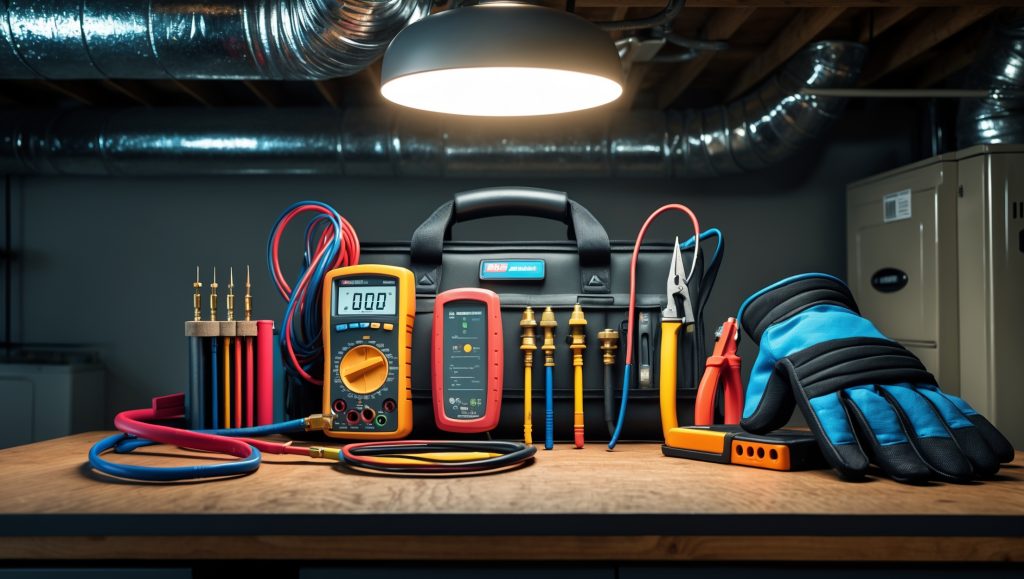
Introduction: Why Every Boston Home Needs the Right HVAC Tools
Boston’s climate brings sweltering summers, bone-chilling winters, and unpredictable shoulder seasons. Homeowners and small business owners alike depend on reliable heating, ventilation, and air conditioning (HVAC) systems for comfort and safety year-round. Yet, many overlook a critical component of effective HVAC care: having the right tools on hand. Owning a few key HVAC tools doesn’t just empower you to tackle minor maintenance and troubleshooting—it can also save you money, prevent costly repairs, and keep your system running efficiently. This comprehensive guide details the essential tools every Boston homeowner should have for basic HVAC upkeep, explains what each tool is used for, and provides practical tips for safe, effective DIY maintenance. Whether you’re new to HVAC or looking to upgrade your toolkit, this guide is tailored to Boston’s unique climate and housing stock.
The Boston HVAC Challenge: Why DIY Tools Matter
From historic brownstones to modern condos, Boston homes present unique HVAC challenges. Aging ductwork, variable insulation, and extreme temperature swings mean that even minor issues can quickly escalate if ignored. While professional maintenance is crucial for complex repairs and annual checkups, having a basic set of HVAC tools enables you to:
- Replace filters and clean components between service visits
- Spot and address minor issues before they become emergencies
- Improve system efficiency and indoor air quality
- Communicate more effectively with your HVAC technician
Below, you’ll find a breakdown of the must-have tools for any Boston homeowner, with explanations, usage tips, and product recommendations.
Core HVAC Tools Every Homeowner Should Own
1. Screwdriver Set
Most HVAC panels, thermostats, and vent covers are secured with screws. A high-quality set with both flathead and Phillips-head options is essential. Magnetic tips and insulated handles are a plus for safety and convenience.
- Usage: Opening access panels, replacing filters, tightening loose connections.
- Tip: Avoid overtightening screws on plastic components to prevent cracking.
2. Cordless Drill/Driver
For repeated tasks like removing screws from air handler panels or installing new vents, a cordless drill saves time and effort. Choose a lightweight model with adjustable torque settings.
- Usage: Installing registers, removing access panels, mounting thermostats.
- Tip: Keep a spare charged battery on hand, especially for multi-unit homes.
3. Digital Multimeter
A multimeter measures voltage, current, and resistance. This tool is vital for troubleshooting electrical issues in thermostats, control boards, and capacitor checks. Choose a model with clear digital readouts and auto-ranging functions for ease of use.
- Usage: Checking power at the thermostat, diagnosing blown fuses, testing capacitors.
- Tip: Always turn off power at the breaker before testing live wires.
4. HVAC Thermometer
Checking supply and return air temperatures helps diagnose airflow and efficiency problems. An infrared thermometer is fast and safe, especially for hard-to-reach vents.
- Usage: Measuring temperature differential, confirming thermostat accuracy.
- Tip: Compare readings at several locations for a complete picture.
5. Coil Cleaning Brush
Dirty evaporator and condenser coils reduce efficiency and can trigger breakdowns. A long-handled, soft-bristled brush lets you remove dust and debris without damaging delicate fins.
- Usage: Cleaning coils on air conditioners, heat pumps, and mini-splits.
- Tip: Always brush in the direction of the fins to avoid bending them.
6. Fin Comb
HVAC coils feature thin metal fins that can bend easily, restricting airflow. A fin comb realigns bent fins, restoring performance and efficiency.
- Usage: Straightening condenser and evaporator coil fins.
- Tip: Match the comb size to the fin spacing for best results.
7. Refrigerant Gauge Set (For Advanced DIYers)
While most homeowners won’t recharge refrigerant themselves (it requires certification), a gauge set helps you monitor system pressure and spot leaks. Use with caution and only if you’re comfortable with basic HVAC diagnostics.
- Usage: Checking refrigerant pressure, testing for leaks.
- Tip: Never attempt refrigerant repairs without proper training and certification.
8. Wet/Dry Vacuum
Condensate drain lines and pans can clog with algae and debris, causing leaks and water damage. A wet/dry vacuum is perfect for clearing blockages and cleaning up spills.
- Usage: Cleaning condensate lines, vacuuming blower compartments.
- Tip: Use a narrow attachment for targeted suction in tight spaces.
9. Adjustable Wrench and Pliers
From tightening gas line fittings to adjusting mounting hardware, adjustable wrenches and pliers are versatile staples in any HVAC toolkit.
- Usage: Adjusting connections, assembling/disassembling components.
- Tip: Use insulated pliers for electrical work to minimize shock risk.
10. Flashlight or Headlamp
Basement furnaces, attic air handlers, and crawlspace ductwork are often poorly lit. A bright LED flashlight or headlamp ensures you can see what you’re working on safely.
- Usage: Inspecting dark corners, checking for leaks or damage.
- Tip: Keep spare batteries in your toolkit.
11. Safety Gear: Gloves, Eye Protection, and Masks
Working around HVAC equipment exposes you to sharp metal, dust, mold, and electrical hazards. Invest in:
- Insulated work gloves for electrical and sharp components
- Safety goggles to guard against debris
- N95 or HEPA masks for dusty or moldy environments
Never skip safety gear, even for quick inspections.
Specialized Tools for Boston’s Unique HVAC Needs
Combustion Analyzer
With so many homes reliant on gas furnaces or boilers, a combustion analyzer is invaluable for checking safe operation and efficiency. While typically used by professionals, advanced DIYers may invest in a basic model to check for carbon monoxide or incomplete combustion.
Leak Detection Kit
Leakage in ductwork or refrigerant lines is common in Boston’s older homes. Ultrasonic leak detectors or dye kits can help pinpoint problems early, protecting both your comfort and your wallet.
Flexible Inspection Camera
Hidden ductwork and tight utility closets can hide problems until it’s too late. A flexible borescope camera lets you inspect inaccessible spots for blockages, mold, or insulation gaps.
Tools for Seasonal Maintenance: Boston Edition
Each Boston season brings different HVAC demands. Here’s a breakdown of which tools are most helpful, and when:
- Spring: Coil brush, fin comb, wet/dry vacuum for post-winter cleaning
- Summer: HVAC thermometer, multimeter, refrigerant gauges for A/C checks
- Fall: Combustion analyzer, adjustable wrench, flashlight for furnace prep
- Winter: Screwdrivers, pliers, safety gear for emergency access and filter changes
Staying ahead of the weather ensures uninterrupted comfort and fewer surprises.
How to Organize and Store Your HVAC Toolkit
A well-organized toolkit saves time and reduces frustration. Use a sturdy toolbox or caddy with labeled compartments. Store your kit in a dry, easily accessible spot—ideally near your HVAC equipment.
- Keep safety gear on top for instant access
- Store batteries and sensitive electronics in sealed containers
- Check tool condition every six months; replace worn or rusted items promptly
When to Call a Boston HVAC Professional
Owning the right tools doesn’t mean tackling every job yourself. Know your limits—call a licensed Boston HVAC technician for:
- Electrical repairs beyond basic thermostat or fuse checks
- Refrigerant charging or leak repairs (EPA regulations apply)
- Major component replacements (motors, compressors, heat exchangers)
- Combustion or gas line issues
- Annual inspections for warranty and insurance compliance
DIY maintenance and troubleshooting can save time and money, but safety and system integrity always take priority.
Recommended Brands & Where to Buy in Boston
- Screwdrivers & Hand Tools: Klein Tools, Milwaukee, Stanley
- Multimeters: Fluke, Klein, Extech
- Vacuum & Brushes: Shop-Vac, Wet/Dry Vac, CoilPro
- HVAC Thermometers: Exergen, Etekcity
- Safety Gear: 3M, Honeywell
Boston-area hardware stores like Ace, Home Depot, and local supply houses often carry HVAC-specific tools. For specialty items, online retailers or HVAC wholesalers offer a wider selection.
Expert Tips for Safe and Effective DIY HVAC Maintenance
- Always shut down power at the breaker before opening any panels.
- Use the right tool for the job—improvising can cause costly damage.
- Keep detailed records of filter changes, cleanings, and tool usage to spot patterns and support warranty claims.
- Label your toolkit and tools if you live in a multi-unit building or share maintenance duties.
- Don’t skip personal protective equipment—injuries are more common in home settings than you think.
Conclusion: Take Control of Your Comfort with the Right Tools
Boston’s weather puts your HVAC system to the test, but you don’t have to be at the mercy of the next cold snap or heat wave. By equipping yourself with a targeted set of HVAC tools, you gain the power to perform essential maintenance, spot problems early, and communicate more effectively with service professionals. The right toolkit is an investment in your home’s comfort, your family’s safety, and your budget.
Remember, you don’t need to become an HVAC expert overnight. Start with the basics—a good screwdriver set, a reliable multimeter, and quality safety gear—and build your toolkit as your confidence grows. Pay attention to seasonal needs, stay organized, and always put safety first. Most importantly, know when to step back and call a licensed professional for complex or hazardous issues.
In the long run, even a modest investment in HVAC tools pays off with lower energy bills, fewer emergency repairs, and a more comfortable, healthier Boston home. Take control today—your future self (and your HVAC system) will thank you.
I noticed the article mentions magnetic screwdrivers for HVAC work. Is there a specific reason magnetic tips are important, or can I get by with a standard set when working on my shop’s air conditioning unit?
Magnetic screwdrivers are especially helpful for HVAC work because they hold screws securely on the tip, which is handy when working in tight or awkward spaces often found in air conditioning units. This reduces the risk of dropping screws into hard-to-reach areas. While you can use standard screwdrivers, magnetic tips can make the job much easier and save time during installation or repairs.
When you talk about preventing minor issues from turning into emergencies, what are some early signs I should look for while using these tools that might indicate a bigger HVAC problem?
While using basic HVAC tools, watch for early warning signs like unusual noises from your system, visible rust or water leaks, inconsistent airflow from vents, or a thermostat that isn’t responding properly. If you notice burnt smells during operation or debris collecting in your filters faster than usual, these can also signal bigger problems ahead. Addressing these early can help you avoid major breakdowns.
If I run into a minor problem, like inconsistent temperatures between rooms, which of these suggested DIY tools should I use first to try to troubleshoot before reaching out for professional help?
For inconsistent temperatures between rooms, start by using a thermometer to check the temperature in each area. Next, use a basic screwdriver to open and inspect vent covers, making sure they aren’t blocked or closed. You can also use a flashlight to look inside ducts for debris or obstructions. If you have a level, check that thermostats are mounted evenly. These simple tools can help you diagnose common issues before calling a professional.
I’m new to maintaining my own HVAC system and live in an older Boston brownstone. Are there any core tools you recommend specifically for dealing with aging ductwork or insulation issues that are common in historic homes?
For older Boston brownstones, a few core tools can really help with ductwork and insulation upkeep. A good flashlight or headlamp is essential for inspecting tight or dark spaces. Consider getting a high-quality screwdriver set, tin snips for cutting old ducting, and foil tape to seal gaps. A utility knife is useful for trimming insulation, and a handheld vacuum helps clear out dust and debris. For checking air leaks, an incense stick or smoke pencil can reveal airflow issues around aging ducts.
The article talks about improving communication with HVAC technicians by having basic tools on hand. Could you give examples of how being prepared with these tools can make a technician’s visit more efficient or effective?
Having basic HVAC tools like a flashlight, screwdriver set, and filter gauge ready can really help during a technician’s visit. For example, you can quickly open vents or access panels if the technician needs to inspect inside, or show recent filter changes with your own gauge. This saves time and lets the technician get straight to diagnosing and fixing the issue, rather than searching for simple tools or waiting for access.
I’m interested in upgrading my toolkit as suggested. Are there budget-friendly brands or kits you recommend for essential HVAC tools, or is it better to invest in higher-end options from the start?
For most homeowners, starting with budget-friendly brands like Tacklife or Klein Tools is a practical choice—they offer reliable quality for routine HVAC maintenance without a huge investment. If you foresee doing more advanced work or frequent repairs, gradually upgrading to higher-end brands like Fluke or Fieldpiece can be worthwhile. Many kits bundle essential tools at a good price, so begin with a starter set and upgrade individual items as your needs grow.
I noticed you suggest getting a screwdriver set with both flathead and Phillips-head options. Are there any other features or tool types that are especially helpful for Boston’s weather extremes or for tricky areas like attics and basements?
For Boston’s weather and those hard-to-reach spaces, consider a cordless drill with multiple bit attachments to speed up repairs in cold or cramped areas. An insulated flashlight or headlamp helps when working in dim attics or basements. It’s also smart to have a sturdy utility knife for cutting insulation and weather stripping, plus a moisture meter to spot hidden dampness after snow or rain.
I noticed you recommend a screwdriver set with magnetic tips and insulated handles. If I’m on a tight budget, is it okay to go with a cheaper set, or would that make minor HVAC tasks a lot harder or riskier?
A basic screwdriver set can still get the job done, but magnetic tips help prevent dropped screws in tight spaces, and insulated handles offer extra protection against accidental shocks. If you’re on a budget, look for an affordable set that at least has magnetic tips—you can always add insulated handles later or wear electrical gloves for safety.
The article mentions that DIY tools can help improve communication with HVAC technicians. Could you give examples of what information or issues homeowners should be prepared to share after using these tools?
After using basic DIY HVAC tools, homeowners can provide technicians with valuable details like any error codes found on diagnostic meters, temperature readings from different vents, unusual noises or vibrations noticed when using a multimeter or thermal camera, and any visible blockages or leaks observed with inspection mirrors or leak detectors. Sharing this specific information helps technicians pinpoint issues faster and recommend the best solutions.
I live in an older Boston brownstone and some of my vent covers have really odd screws that don’t match the standard heads. Is there a particular type or brand of screwdriver set you recommend that’s most likely to work for historic homes?
For older Boston brownstones, vent covers often use less common screw types like slotted, Robertson, or even decorative screws. To cover all possibilities, I recommend investing in a comprehensive screwdriver set that includes multiple head types—look for brands like Wiha, Klein, or Wera. Sets labeled as ‘multi-bit’ or ‘precision’ usually have a wide selection, making them ideal for historic hardware.
If I’m on a tight budget, are there any HVAC tools on your list that are absolutely non-negotiable for a Boston homeowner, and which ones can wait until later?
If you’re watching your budget, the most essential HVAC tools for a Boston homeowner are a basic screwdriver set, a good-quality thermostat, and an air filter replacement tool. These help with routine maintenance and simple troubleshooting. Items like a refrigerant gauge or heavy-duty vacuum pump can usually wait until later, unless you plan on doing more advanced repairs yourself.
I noticed you recommended getting a high-quality screwdriver set, but is there a budget-friendly brand or model that’s reliable enough for occasional DIY tasks? I don’t want to overspend if I’m only doing basic maintenance.
For occasional DIY tasks and basic maintenance, you don’t have to spend a lot. Brands like Stanley and Craftsman offer reliable screwdriver sets at reasonable prices. Both have good reputations for durability and comfort, making them ideal for homeowners who only need tools for occasional use. Look for sets with a variety of sizes and tips to cover most household needs.
After doing basic maintenance like replacing filters and cleaning components, what signs should homeowners watch out for that indicate it’s time to call in a professional rather than trying DIY fixes?
After basic maintenance, homeowners should call a professional if they notice persistent strange noises, weak airflow, inconsistent temperatures, frequent cycling on and off, burning smells, or water leaks around the unit. A sudden spike in energy bills or difficulty starting the system are also red flags. These issues can signal deeper problems that need expert attention to avoid potential damage or safety risks.
After replacing filters or cleaning components as you describe, how quickly can a homeowner expect to notice improvements in system efficiency or indoor air quality? Are there any warning signs to watch for if things don’t seem better?
Most homeowners will notice improvements in efficiency or indoor air quality within a few days of replacing filters or cleaning HVAC components. Air should feel fresher, and the system may run less frequently to reach your desired temperature. If you don’t notice better airflow, lingering odors, unusual noises, or if utility bills don’t improve after a week or two, these could be warning signs of deeper issues that might need professional attention.
I’m just starting to put together an HVAC toolkit for my small business in Boston. Could you suggest which essential tools from your list are most important for tackling seasonal filter changes and basic cleaning?
For seasonal filter changes and basic cleaning, you’ll want a few key tools from the list. Start with a screwdriver set for opening access panels, a flashlight or headlamp for visibility, and a vacuum or shop vac to remove dust and debris. A soft-bristle brush is useful for cleaning coils, and replacement filters are a must-have. These basics should cover most routine maintenance tasks for your business.
When dealing with historic homes in Boston that might have outdated ductwork, are there any extra precautions or tool upgrades you’d recommend beyond the basic set you listed?
For historic homes with older ductwork, it’s wise to have a duct inspection camera to check for hidden damage or blockages. You might also consider flexible duct rods for cleaning hard-to-reach spots, and a duct pressure gauge for checking air leaks. Always wear a good dust mask, as older ducts can have accumulated debris or even asbestos in some cases. Taking extra care during inspections is important to avoid damaging fragile materials.
For someone who hasn’t done HVAC maintenance before, are there any basic safety tips or common mistakes to watch out for when using these tools, especially in the extreme temperature swings we get here in Boston?
When doing HVAC maintenance in Boston’s extreme temperatures, always turn off the power to your unit before starting any work. Wear gloves to protect against sharp edges and temperature extremes. Avoid working alone in very cold or hot conditions, and take breaks if you feel uncomfortable. Double-check tool instructions to prevent misuse, and never try to repair electrical components without proper knowledge—call a professional if you’re unsure.
Is there a budget-friendly starter kit you’d suggest for Boston homeowners who want to cover the basics but aren’t sure they’re ready to invest in all the tools listed at once?
Absolutely, you can put together a practical starter kit without spending too much. Begin with a digital thermometer, a basic screwdriver set, an adjustable wrench, a flashlight, and a few replacement air filters. These essentials will cover most simple HVAC checks and minor fixes around your home. You can always add more specialized tools later as needed.
If I follow your advice and get these tools, how often should I plan to do basic HVAC maintenance like filter replacement or cleaning components between professional visits, especially with Boston’s seasonal changes?
For Boston homeowners, it’s best to check and replace your HVAC filters every 1 to 3 months, especially during seasons of heavy use like winter and summer. Cleaning vents and visible components can be done every few months as well. These steps help your system run efficiently between professional checkups, which are generally recommended once or twice a year.
If a homeowner is on a tight budget and can’t invest in the full list of tools right away, which two or three items would you recommend prioritizing for core HVAC maintenance in Boston homes?
For Boston homeowners on a budget, I recommend starting with a quality screwdriver set, a digital thermometer, and a vacuum or shop vac. These tools help with basic HVAC filter changes, checking temperatures, and cleaning vents or coils—essential tasks for keeping your system running efficiently without a big investment.
Do your tool recommendations also apply to small business owners in Boston with light commercial HVAC systems, or would they need anything in addition to what you’ve listed for homeowners?
Most of the tools recommended for homeowners will also be useful for small business owners with light commercial HVAC systems, such as screwdrivers, wrenches, and a multimeter. However, you may need a few additional items for light commercial setups, like larger pipe wrenches, heavy-duty vacuum pumps, or specialized leak detectors. The scale and complexity of commercial systems can sometimes require more robust or industry-specific tools.
After replacing filters and doing basic cleaning, what signs should I watch for that would mean it’s time to call a professional instead of trying to fix something myself?
If you notice unusual noises like banging or screeching, weak airflow, persistent bad odors, uneven heating or cooling, frequent cycling on and off, or your energy bills suddenly spike, it’s best to call a professional. Also, if the system won’t turn on or there’s visible water leakage, don’t try to repair it yourself—these can indicate bigger issues needing expert attention.
I live in a historic brownstone with some pretty old ductwork. Are there any specific HVAC tools you’d suggest for homeowners dealing with aging systems like these in Boston?
For older ductwork in historic brownstones, a good inspection mirror and flashlight help spot leaks or blockages in hard-to-see areas. A duct tape rated for HVAC repairs and a quality caulking gun are useful for sealing minor cracks or gaps. Consider a mastic sealant for more durable sealing. A basic digital thermometer can also help you check for uneven temperatures at vents, which might signal airflow issues common in aging systems.
How often should I be using these tools for preventative maintenance in Boston, especially with those wild temperature swings you mentioned?
In Boston’s climate, it’s a smart idea to use your basic HVAC tools for preventative maintenance at least twice a year—once in the spring before cooling season, and again in the fall before heating season. Checking filters, cleaning vents, and inspecting for leaks or unusual noises during these times helps your system handle temperature swings and keeps it running efficiently.
I noticed you mentioned historic brownstones and modern condos have different HVAC challenges in Boston. Are there any particular tools you’d recommend for older homes with really outdated ductwork or non-standard systems?
For older Boston homes with outdated ductwork or non-standard systems, a flexible inspection camera is very useful for checking inside tight or hard-to-reach ducts. An adjustable wrench set and various sizes of duct tape can help with odd-sized fittings or minor repairs. A digital manometer is also handy for assessing airflow and pressure in older systems, making troubleshooting much easier.
If I’m just starting out and only want to get the bare minimum HVAC tools for basic filter changes and cleaning, which tools from your list should I prioritize first?
For basic filter changes and cleaning, start with a screwdriver set for opening panels, a flashlight to see inside units, a tape measure to check filter sizes, and a vacuum or soft brush for cleaning dust. These core tools should cover most routine maintenance tasks without requiring a big investment.
Since Boston has extreme temperature swings, is there a recommended timeframe or specific seasons when it’s best to do basic HVAC upkeep with these tools, or should it be a year-round habit?
It’s best to do basic HVAC upkeep twice a year—once in the spring before cooling season, and again in the fall before heating season. This ensures your system is ready for Boston’s temperature swings. Some simple tasks, like changing filters or checking vents, are smart to do every 1–3 months year-round. Regular attention helps keep things running smoothly.
For Boston homeowners on a tight budget, which two or three HVAC tools from your list would you consider the absolute essentials to buy first, and are there any reputable brands you suggest for those starting out?
For Boston homeowners watching their budget, a good digital thermometer and a basic screwdriver set are the top essentials for basic HVAC upkeep and troubleshooting. If you can stretch a bit further, a quality set of adjustable wrenches is also very useful. For reliability and durability, brands like Klein Tools and Stanley are popular choices for beginners and offer great value for the price.
If I want to start handling minor maintenance like filter replacements and cleaning, is there a particular time of year in Boston when it’s best to do this, given our crazy weather swings? Should I set a regular schedule, or just watch for problems?
For Boston homeowners, it’s best to check and replace HVAC filters every 1–3 months, ideally at the start of each heating and cooling season—so early fall and spring work well. Setting a regular schedule is more reliable than waiting for issues. With our variable weather, regular checks help your system stay efficient and catch problems early.
For Boston homeowners who live in historic brownstones, are there any special precautions they should take when using these HVAC tools, considering the age of their systems and potential electrical issues?
Historic brownstones often have older HVAC systems and electrical wiring that may not be up to modern standards. Before using any HVAC tools, it’s wise to check that your circuit breakers and wiring can safely handle the load. Avoid forcing tools if you encounter resistance, and be cautious with any exposed wiring or brittle pipes. When in doubt, consult a licensed HVAC technician who has experience with older Boston homes.
I noticed you mentioned the challenges of aging ductwork in Boston homes. For someone in a historic building, are there any specific HVAC tools or safety tips you’d recommend that differ from those for newer condos?
Older buildings often have tighter spaces and more delicate ductwork, so a flexible inspection camera can be very helpful for checking inside ducts without causing damage. Using tape designed for historic materials, rather than standard duct tape, helps protect original structures. Always wear a high-quality dust mask and gloves, since older ducts may have accumulated debris or even asbestos. If you’re unsure about insulation materials, consult a professional before starting any DIY work.
I’m curious about the timeframe for using some of these HVAC tools as a homeowner. How often should I be checking things like filters and ductwork to prevent issues, especially with the extreme temperature swings we get in Boston?
It’s a good idea to check and replace your HVAC filters every 1 to 3 months, especially during Boston’s hot summers and cold winters when your system works harder. For ductwork, a visual inspection once or twice a year is usually enough to spot dust buildup or leaks. Keeping up with these checks helps your system run efficiently and prevents unexpected issues.
I’m a bit new to DIY maintenance and wonder how often I should actually use these tools to check my system between professional visits. Is there a recommended schedule or signs I should look for that indicate it’s time to do some basic maintenance?
For most homeowners, it’s good practice to do a basic HVAC check every season—once before summer for cooling and once before winter for heating. Look out for signs like unusual noises, weak airflow, or inconsistent temperatures, as these can mean it’s time for some DIY checks or cleaning. Regularly changing filters—every 1–3 months depending on use—is also key to keeping your system healthy between professional visits.
If my HVAC system is still under warranty, could doing my own maintenance with these tools void it? I want to save money but also don’t want to risk any coverage.
Performing your own HVAC maintenance can sometimes risk voiding your warranty, especially if the work involves opening sealed components or using tools incorrectly. Most warranties require that only licensed professionals perform certain repairs or maintenance tasks. It’s a good idea to check your warranty terms or contact the manufacturer before starting any DIY work, so you can safely tackle basic upkeep without risking your coverage.
Could you clarify if any of the recommended HVAC tools differ for small business owners versus homeowners, especially for properties with larger or older systems?
For small business owners, especially with larger or older HVAC systems, it’s wise to consider a few additional tools beyond the homeowner basics. More robust gauges, leak detectors, and advanced multimeters can be helpful for handling higher capacity equipment. Regular homeowners’ kits focus on maintenance, but business properties may require tools suited for more intensive diagnostics and repairs.
If a minor HVAC issue pops up between professional visits, how can I tell when it’s safe to tackle it myself with these recommended tools versus calling in a technician?
You can safely handle minor tasks like changing air filters, cleaning vent covers, or tightening loose screws using the recommended tools. If the issue involves electrical components, refrigerant, gas, odd noises, strong odors, or the system not turning on, it’s best to call a technician. When in doubt, always put safety first and consult a professional if you’re unsure about the problem.
I noticed you recommend having both flathead and Phillips-head screwdrivers for basic HVAC upkeep. Are there any specific brands or features (like magnetic tips or insulated handles) that really make a difference for Boston homeowners?
When choosing screwdrivers for HVAC maintenance, magnetic tips can be a big help since they hold onto screws in tight spaces. Insulated handles add an extra layer of safety, especially if you might work near electrical components. Brands like Klein Tools and Wiha are known for their durability and comfort. Look for a set with ergonomic grips and clearly marked heads so you can easily grab the right tool for each job.
You mentioned that Boston’s housing stock includes a lot of historic buildings—are there any additional tools or adapter kits you recommend for dealing with really old ductwork or non-standard vent sizes?
Older Boston homes often have unique ductwork and vent sizes, so having a set of universal duct adapters and flexible duct connectors can be very useful. Sheet metal snips and a high-quality crimping tool will help you modify ductwork as needed. It’s also smart to keep foil tape and mastic sealant handy for sealing unusual joints after any adjustments.
Can you provide guidance on prioritizing which HVAC tools to buy first if I’m on a tight budget? Are there must-haves versus nice-to-haves for someone mostly doing filter replacements and cleaning?
If you’re mainly handling filter replacements and basic cleaning, start with must-haves like a quality screwdriver set, a flashlight, and a digital thermometer. These will cover most routine tasks. A vacuum with attachments and a soft brush are also helpful for cleaning vents and coils. More specialized tools, such as a multimeter or refrigerant gauges, are nice-to-haves but not necessary unless you plan to tackle more advanced repairs.
When should a Boston homeowner know it’s time to stop DIY repairs with these tools and call in a professional? Are there specific warning signs during maintenance that mean the issue is likely too advanced for even a well-prepared homeowner?
If you notice persistent problems after basic maintenance, such as strange noises, burning smells, frequent system cycling, or visible leaks, it’s best to call a professional. Also, if you’re unsure about electrical components or refrigerant lines, it’s safer not to attempt repairs. These signs often point to complex issues that require specialized knowledge and tools beyond standard homeowner equipment.
What signs should I watch for that indicate I need to call a professional instead of just using my own toolkit? Sometimes it’s hard to tell when a small issue is actually a bigger problem.
If you notice strange noises like banging or screeching, persistent bad odors, weak airflow, frequent cycling, or if your system doesn’t heat or cool effectively, it’s time to call a professional. Also, if you see leaks around the unit, frozen coils, or tripped breakers, these could signal serious issues that go beyond basic maintenance. Trust your instincts—if your DIY fix doesn’t solve the problem, get help to avoid bigger repairs.
I’m trying to budget for upgrading my toolkit this year. Could you share which essential HVAC tools tend to be the most expensive and if there are any cost-effective alternatives that still get the job done for most Boston homeowners?
Some of the most expensive HVAC tools include digital manifold gauges, refrigerant leak detectors, and high-quality vacuum pumps. For most Boston homeowners, you can often opt for basic analog gauges and simple electronic leak detectors, which are more affordable but still reliable for routine maintenance. Investing in durable hand tools like screwdrivers and pliers is also wise, as you’ll use them frequently. Look for tool kits or bundle deals to save money without sacrificing essential functionality.
If I notice my system isn’t heating as efficiently after following your basic maintenance tips, what are some troubleshooting steps I can safely try on my own before calling an HVAC technician?
If your HVAC system still isn’t heating well after basic maintenance, try checking that your thermostat is set correctly and replace its batteries if needed. Make sure all vents are open and unobstructed. Inspect your air filter again in case it clogged quickly. Also, check your circuit breaker to ensure the system hasn’t tripped. If none of these steps help, it’s best to call a professional.
Could you clarify which DIY HVAC maintenance tasks are realistic for a beginner to do safely in Boston’s climate, and when it’s better to step back and call in a technician? I’m trying to avoid making things worse.
For beginners in Boston, safe DIY HVAC tasks include changing air filters, cleaning vents, and making sure outdoor units are clear of debris. These steps help maintain efficiency without risk. For anything involving electrical components, refrigerant, or complex repairs—such as fixing leaks, replacing parts, or addressing strange noises—it’s safer to call a professional technician. Boston’s seasonal swings can be tough on systems, so when in doubt, it’s best not to risk DIY beyond the basics.
Boston homes can get really humid in summer. Are there any tools you’d recommend adding specifically for checking or improving humidity control in addition to the core ones you listed?
Absolutely, managing humidity is especially important in Boston’s summer climate. Consider adding a digital hygrometer to monitor indoor humidity levels accurately. A portable dehumidifier can help reduce excess moisture in specific rooms. If you want to improve whole-home control, installing a humidistat or a dedicated whole-house dehumidifier is worth considering. Regularly cleaning and inspecting your HVAC’s condensate drain can also help prevent humidity-related problems.
Our house has a mix of modern and older HVAC components. Are the must-have tools you mention suitable for both newer and historic Boston homes, or would you suggest any additions for unique or outdated systems?
The essential tools listed are a solid foundation for both modern and older HVAC systems in Boston homes. However, for historic or unique systems, you might also want specialty screwdrivers, a variety of HVAC adapters, and perhaps a multimeter with higher sensitivity for older wiring. If your home has non-standard fittings or vintage thermostats, a universal thermostat tool can be very helpful.
If I’m on a tight budget, which of the core HVAC tools would you say are the absolute most essential to buy first? I want to avoid spending too much up front but still be able to handle common issues.
If you’re watching your budget, start with a basic screwdriver set, an adjustable wrench, a pair of pliers, and a reliable digital thermometer. These core tools will let you handle most simple HVAC maintenance tasks, like checking filters, tightening loose parts, or monitoring system temperatures, without a big investment. As you gain experience or need to tackle bigger issues, you can gradually add more specialized tools.
After getting the recommended tools, what’s the first DIY maintenance task you would suggest tackling for someone who’s never worked on their HVAC before? Are there any safety tips I should keep in mind specific to Boston’s climate or older homes?
A great first DIY maintenance task is replacing or cleaning your HVAC air filters. It’s simple, improves air quality, and helps your system run efficiently. For Boston’s climate, make sure your system is turned off before starting, and check for any drafts or old wiring, as older homes may have outdated electrical systems. Always wear gloves and a mask if dust is present, and if you notice anything unusual, don’t hesitate to call a professional.
It’d be helpful to know which of the must-have HVAC tools are most budget-friendly and which ones are truly worth investing a little extra in. Do you have any specific product recommendations for someone prioritizing cost-effectiveness?
For homeowners on a budget, basic tools like screwdrivers, a tape measure, and a digital thermometer are both affordable and essential. Investing a bit more in a quality multimeter and a sturdy vacuum pump is worthwhile, as these last longer and improve safety and efficiency. Brands like Klein Tools for hand tools and Fieldpiece for multimeters offer a good balance of price and reliability without breaking the bank.
You mention magnetic tips and insulated handles for screwdrivers. Are there certain brands or types you recommend that work best for Boston’s cold winters, where fingers can get pretty numb?
For Boston winters, it’s smart to look for screwdrivers with thick, ergonomic insulated handles that provide extra grip and warmth. Brands like Klein Tools and Wiha are popular choices because they offer magnetic tips and durable insulation. Some models even have cushioned grips designed for cold environments, helping you keep control even if your fingers are a bit numb.
What safety precautions should I take when opening up an HVAC panel for cleaning or basic maintenance, especially if I’ve never done it before?
Before opening an HVAC panel, always turn off the power at the circuit breaker to avoid electrical shock. Wear insulated gloves and safety glasses to protect yourself from dust and debris. Make sure the area is dry and use only appropriate tools. If you’re unsure about any part of the process, it’s best to consult a professional to stay safe.
After handling basic maintenance with these tools, what are the typical signs that indicate it’s time to call in a professional HVAC technician rather than continue DIY work?
Once you’ve done basic HVAC maintenance, keep an eye out for issues like strange noises, persistent odors, weak airflow, uneven heating or cooling, water leaks, or if the system frequently turns on and off. Also, if your energy bills suddenly increase or your equipment doesn’t respond to thermostat changes, it’s a good idea to contact a professional. These signs often point to more complex problems that require expert attention.
As a small business owner in an older Boston building, I’m curious if there are any HVAC tools you recommend specifically for troubleshooting aging ductwork, or are the basics listed in your article usually enough?
For aging ductwork, the basics like a flashlight, screwdriver set, and tape measure are essential, but you might also find a smoke pencil or incense stick helpful for detecting air leaks in older systems. A duct inspection camera can be useful if you face frequent issues, but it’s optional for most small businesses. The basic tools are usually enough for routine checks, but adding a leak detection method could make troubleshooting much easier.
After I’ve bought these essential HVAC tools, what should be my next step to make sure I’m using them safely? Do you recommend any particular resources or beginner tutorials for a first-timer in Boston?
Once you have your essential HVAC tools, start by reading the instruction manuals for each item and always follow the safety guidelines. It’s wise to learn the basics of HVAC maintenance, such as how to shut off power before working on any system. For beginners in Boston, local community centers sometimes offer home maintenance workshops, and many manufacturers provide helpful online video tutorials. You might also consider asking a licensed HVAC technician for a walkthrough of your system and safe tool use.
The article mentions that HVAC systems in older Boston homes may face issues like aging ductwork and variable insulation. Are there particular tools recommended for detecting leaks or drafts in ductwork, specifically for historic properties?
For detecting leaks or drafts in ductwork, especially in historic properties, a smoke pencil or smoke stick is very effective. These tools release a visible stream of smoke that shows where air is escaping. An infrared thermometer or thermal imaging camera can also help you spot temperature differences that may indicate leaks, making them valuable for older homes with unique layouts.
For homeowners on a limited budget, which HVAC tools should be prioritized first from your list to maximize impact on system efficiency and maintenance? Are there any acceptable lower-cost alternatives you can suggest?
If you’re on a tight budget, start with a quality air filter, a basic digital thermometer, and a vacuum or coil cleaning brush. These tools help with the most crucial aspects of HVAC maintenance: airflow and cleanliness. For air filters, affordable options are usually fine if replaced regularly. Instead of a specialized coil brush, a soft household brush can work in a pinch. Prioritizing these basics will go a long way in keeping your system running efficiently.
You mentioned that owning basic HVAC tools can prevent costly repairs. Could you clarify which tools are most effective for spotting early warning signs, especially before peak summer or winter seasons hit?
Some of the most effective tools for spotting early HVAC issues include a digital thermometer, a basic multimeter for electrical checks, and a refrigerant leak detector. Having a flashlight helps you inspect for dirt or blockages, and a simple screwdriver set is useful for opening access panels. Using these before peak seasons lets you catch problems like unusual temperature readings, loose wires, or early leaks before they turn into bigger, more expensive repairs.
You mention the importance of communicating more effectively with HVAC technicians. Can you give examples of what homeowners should know or say when calling in a pro, especially if they’ve already used some of these basic tools?
When calling an HVAC technician, describe any symptoms you’ve noticed, like strange noises, weak airflow, or odd smells. Mention tools you’ve used, such as replacing filters, resetting breakers, or checking the thermostat. Let the technician know what steps you’ve already taken and if you noticed any changes after those actions. This information helps the technician diagnose the issue faster and bring the right equipment.
For homeowners who aren’t very handy, which tool from your list should be the top priority to learn to use for quick troubleshooting between service appointments?
If you’re not very handy, a digital thermometer is the best tool to focus on from the list. It’s easy to use and lets you quickly check if your HVAC system is heating or cooling properly. Just place it near air vents to compare temperatures, which helps you spot issues before calling for service.
After I buy these tools and handle basics like filter changes, how can I tell when an issue is beyond DIY and I really need to call a professional HVAC technician instead?
If you notice strange noises, persistent odors, weak airflow, or inconsistent temperatures after basic maintenance, it’s time to call a professional. Other signs include frequent system cycling, water leaks, or if your HVAC system won’t start at all. Also, if you’re ever unsure or feel uncomfortable performing a task, it’s safest to get expert help.
If my HVAC system is under warranty, do you know if performing basic maintenance with these tools could affect my coverage, or are there certain tasks better left to professionals to avoid voiding a warranty?
Performing basic maintenance like replacing filters or cleaning vents generally won’t affect your HVAC warranty, but more involved tasks—such as opening sealed components or making repairs—could void your coverage if not handled by a licensed professional. Always check your warranty terms to see which tasks are homeowner-approved and keep records of any work you do or have done.
My house is an older Boston brownstone with pretty old ductwork. Is there a particular tool from your list that’s especially helpful for inspecting or cleaning aging ducts or dealing with variable insulation?
For older ductwork like in your brownstone, a duct inspection camera can be particularly useful. It helps you check for blockages, dust buildup, or insulation issues inside the ducts without having to take anything apart. Additionally, a good quality shop vacuum with hose attachments is helpful for cleaning out loose debris in aging ducts.
Are there any specific screwdriver brands or sets you recommend for dealing with older Boston homes, especially historic brownstones that might have unique hardware or cramped spaces?
For older Boston homes and historic brownstones, it’s worth considering a precision screwdriver set like Wiha or Wera, as they offer slim shafts and comfortable grips for tight spaces. Klein Tools also makes multi-bit screwdrivers with interchangeable tips, which are handy for unusual screw types found in older hardware. Look for sets that include both flathead and Phillips options, plus smaller sizes for delicate or vintage fixtures.
You mentioned that having the right HVAC tools can prevent costly repairs and improve air quality. Are there affordable versions of these tools available, or is it worth investing in higher-end brands for a typical Boston home?
You can definitely find affordable versions of most essential HVAC tools, like screwdrivers, filter gauges, or thermometers, that work well for general home use. For most Boston homeowners, investing in mid-range, reliable brands is usually enough unless you plan on doing advanced repairs yourself. Save higher-end purchases for tools you’ll use often or for more complex projects, but basic maintenance can be done safely with budget-friendly options.
You mentioned that Boston homes can have older ductwork and insulation challenges. Are there any specific tools you’d recommend upgrading or adding to this list if I live in a historic home rather than a newer condo?
If you have a historic home, consider adding a duct inspection camera to check inside older ducts for debris or leaks. A quality insulation knife can also help with any insulation upgrades. It’s also helpful to have a smoke pencil or mini fog machine to identify air leaks around ducts and windows. These tools can make diagnosing and improving older systems much easier.
You talked about being able to spot minor issues before they become emergencies. Could you give some examples of what warning signs to look out for during a DIY check, and which tools would help identify those problems?
Absolutely, spotting issues early can save you a lot of trouble. Look out for unusual noises, weak airflow, inconsistent temperatures, or water pooling around your HVAC unit. Tools like a flashlight help you check for leaks or visible damage, while a digital thermometer can spot uneven cooling or heating. A screwdriver may help you tighten loose panels, and a simple filter gauge can show if your air filter needs replacing. If you notice burning smells or frequent cycling on and off, these are also important warning signs to note.
I noticed the article mentions the importance of a high-quality screwdriver set for HVAC maintenance. Are there any particular brands or features that work better in Boston’s cold winters, especially when you might be working outside or in chilly basements?
For Boston’s cold winters, look for screwdrivers with insulated, non-slip handles to help maintain grip and comfort when working in low temperatures. Brands like Klein Tools and Wiha are popular for their durability and ergonomic designs. Magnetic tips can also be handy, especially when wearing gloves or dealing with small screws in cold, awkward spaces.
For Boston homeowners dealing with older ductwork, are there any specific tools you’d recommend beyond the basics for identifying or accessing hard-to-reach leaks, especially in tight brownstone basements?
For older ductwork in Boston brownstones, a smoke pencil or handheld smoke detector is particularly helpful for pinpointing hidden leaks in tight spaces. Flexible inspection cameras (borescopes) can also help you visually inspect duct interiors without major disassembly. Pairing these with a good quality flashlight and extendable mirror will make accessing and identifying problem areas in cramped basements much easier.
The article mentions that having a basic toolset helps with minor HVAC troubleshooting. For someone who’s never done this before, which tool should I start with if I only want to buy one or two items for now?
If you’re just starting out and only want to get one or two items, a good quality screwdriver set and an adjustable wrench are the best first choices. These tools can handle most simple HVAC tasks like tightening loose screws, opening access panels, and making minor adjustments. They’re also useful for a variety of other home repairs.
You mention the importance of having a high-quality screwdriver set with insulated handles. Do you have any recommendations for budget-friendly brands that hold up over time, or is it really worth investing in something more premium for home use?
For most home HVAC tasks, a reputable budget-friendly brand like Stanley or Craftsman offers screwdriver sets with insulated handles that are durable and reliable. These are great for DIYers and typically last well with normal use. If you anticipate frequent or heavy use, investing in a premium brand like Wiha or Klein Tools might be worthwhile, but for occasional home maintenance, quality mid-range sets usually suffice.
Given that Boston homes often have aging ductwork, are there special tools or attachments you’d suggest for duct inspection and cleaning that a homeowner could realistically use themselves?
For inspecting and cleaning aging ductwork in Boston homes, a homeowner-friendly option is a flexible inspection camera that can snake into ducts and give you a real-time view inside. For cleaning, consider a vacuum attachment made for ducts, with a long hose and brush head to reach deeper areas. A simple dryer vent brush can also work for accessible sections. Just be careful not to damage delicate ductwork, and leave major cleaning or repairs to pros if anything looks compromised.
Could you clarify if any of the essential HVAC tools listed require special storage or care, especially given Boston’s humid summers and cold winters?
Some essential HVAC tools do need special storage, especially with Boston’s weather. For example, digital gauges and meters should be kept dry and away from freezing temperatures to prevent damage. Hand tools can rust if left in damp areas, so it’s best to store them in a dry, insulated toolbox or basement. Always keep electrical tools in cases to protect them from humidity and temperature swings.
Could you give more detail about which tool brands or models hold up best in the Boston climate? I’m new to DIY and want to make sure I don’t waste money on low-quality tools.
For Boston’s climate, it’s smart to choose tools that resist rust and withstand temperature swings. Trusted brands like Klein, Milwaukee, and DeWalt are reliable for hand tools and power tools, offering good durability and weather resistance. For specific HVAC meters, Fieldpiece and Fluke are often recommended by professionals. Investing in these brands may cost a bit more upfront, but they’ll last much longer and perform better in the city’s variable weather.
I’m trying to budget for these basic HVAC tools you recommend. Could you provide a rough price range for assembling a starter kit that covers the essentials, without going overboard on specialty equipment?
For a basic HVAC starter kit, you can expect to spend roughly $100 to $250. This should cover essentials like a digital thermometer, basic screwdrivers, pliers, an adjustable wrench, a voltage tester, a tape measure, and a level. If you add a refrigerant gauge or multimeter, budget closer to the higher end. Specialty tools can be quite expensive, so sticking to just the basics will help keep costs manageable.
You mention that magnetic tips and insulated handles are useful for screwdrivers when working on HVAC systems. Can you explain why those features are important and whether they’re a safety concern in Boston’s climate?
Magnetic tips on screwdrivers help you hold onto screws more easily in tight HVAC spaces, reducing the risk of dropping them into equipment. Insulated handles provide extra protection against accidental electrical shocks, which is important when working near electrical components in HVAC units. These features are safety-related everywhere, including Boston. The local climate doesn’t affect the need for them, but having insulated handles is especially wise given the potential for damp or humid conditions that could make electrical shocks more likely.
If I follow these maintenance tips, do you think it could actually extend the time between professional service visits, or is the Boston climate just too demanding for that?
By following the maintenance tips from the article—like regularly changing filters, checking for leaks, and keeping your HVAC system clean—you can help your system run more efficiently and potentially go longer between professional service visits. While Boston’s climate is demanding, proactive care can definitely make a difference and reduce the strain on your HVAC, though annual professional checkups are still recommended for best performance.
You mention magnetic screwdrivers and insulated handles as a plus for working on HVAC panels. Is one more important than the other for safety or convenience, especially for someone who’s just starting out?
Insulated handles are more important for safety, as they help protect you from electrical shocks when working around live wires or components. Magnetic screwdrivers mainly add convenience by making it easier to hold screws, especially in tight spots. For someone new to HVAC work, prioritize insulated handles first for your personal safety, and consider magnetic tips as a helpful bonus.
For someone who has limited storage in a city condo, which HVAC tools would you say are absolutely essential to keep on hand, and which ones can be skipped if space is tight?
If space is limited in your condo, focus on essentials like a digital thermometer, screwdriver set, adjustable wrench, and a flashlight. These small tools handle most basic HVAC maintenance. You can skip bulkier items like a shop vacuum, manifold gauge set, or large pipe wrenches, as those are mainly for advanced repairs and can be borrowed or left to professionals.
As a small business owner in Boston, are there any HVAC tools you recommend over others for dealing with really old ductwork in historic properties? I’m curious if some tools work better for more delicate or outdated systems.
When working with old ductwork in historic Boston properties, it’s best to use non-invasive tools like duct inspection cameras and flexible duct cleaning brushes. Manual crimpers and seamers are also gentler on delicate metal than power tools. A good set of hand seamers and an extended-reach vacuum can help you work carefully without damaging aging materials. Avoid heavy-duty power cutters unless absolutely necessary to preserve the original ducts.
For Boston homeowners who want to take on seasonal HVAC maintenance themselves, is there a recommended schedule or checklist you suggest? How often should I be using these core tools throughout the year?
For seasonal HVAC maintenance in Boston, it’s best to check and change your air filters every 1–3 months, clean air vents and registers each season, and clear debris around your outdoor unit in spring and fall. Use core tools like screwdrivers, a vacuum, and a fin comb during these times. A full inspection—checking connections, cleaning coils, and testing the thermostat—should be done twice a year, ideally before summer and winter.