
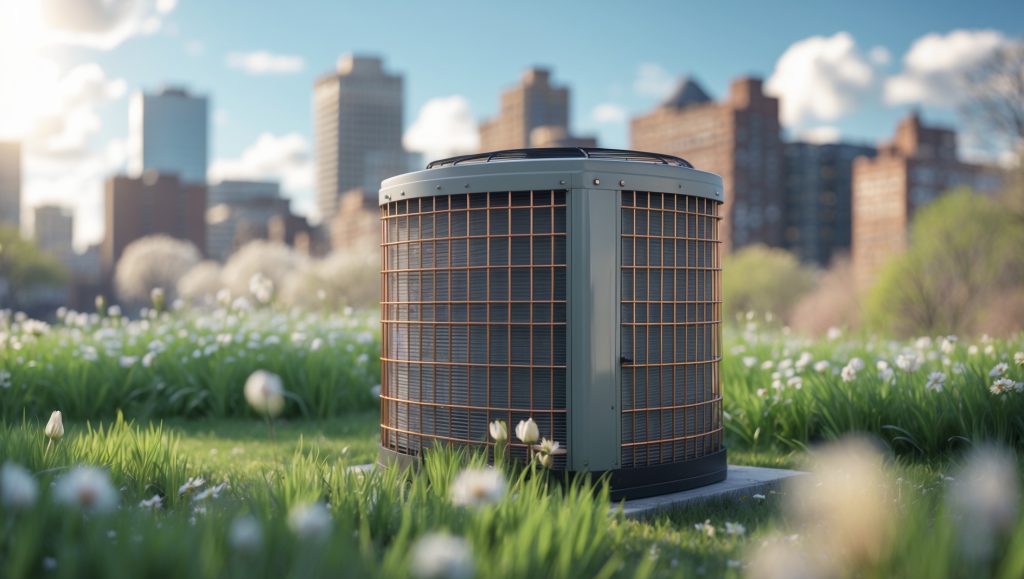
Introduction: Why a Spring HVAC Startup Matters in Boston
As winter loosens its chilly grip on Boston, property owners face the critical task of transitioning HVAC systems from heating to cooling mode. Spring is the ideal time to perform a comprehensive startup check—especially with Boston’s unpredictable temperature swings and humidity changes. Neglecting this transition can lead to system inefficiency, surprise breakdowns when you need cooling most, and expensive emergency repairs. Whether you manage a historic brownstone, a modern condo, or a bustling business, a disciplined spring HVAC startup routine protects your investment, improves indoor air quality, and ensures steady comfort through the warm months ahead.
This guide provides a step-by-step, Boston-specific spring HVAC startup checklist. You’ll learn what to inspect, clean, change, and test, along with expert tips on what local conditions to watch out for. Armed with these insights, you’ll not only extend the lifespan of your system but also maximize efficiency and stay in compliance with local codes. Let’s dive in and get your property’s HVAC system ready for a smooth, cool, and trouble-free Boston spring and summer.
Section 1: Pre-Startup Preparations
1.1 Gather Tools and Supplies
- New air filters (correct size and MERV rating for your system)
- Vacuum with hose attachment
- Soft brush, coil cleaning spray
- Level, screwdriver, wrench set
- Garden hose (for outdoor units)
- Flashlight and work gloves
- Owner’s manual for system-specific guidance
Having these on hand avoids mid-task interruptions and ensures a thorough inspection.
1.2 Safety First
- Turn off power to your HVAC system at the circuit breaker and the disconnect switch near the outdoor unit before working.
- Wear gloves and safety glasses, especially when handling sharp metal panels or cleaning chemicals.
Section 2: Inspecting and Cleaning the Outdoor Unit (Condenser)
2.1 Clear Debris and Vegetation
Boston winters can leave behind leaves, branches, and litter around your outdoor condenser. Remove all debris from the area, keeping at least 18–24 inches of clearance for optimal airflow. Trim back any plants that might have grown too close over the winter.
2.2 Visual Inspection
- Check for visible damage: bent fins, rust, loose panels, or animal nests.
- Ensure the unit is level. Frost heave or shifting soil can tilt the condenser, which strains the compressor and shortens its life.
2.3 Clean the Fins and Coils
- Gently vacuum the exterior fins with a soft brush attachment to remove dirt and pollen.
- Use a coil cleaning spray as needed, following manufacturer instructions.
- Rinse with a gentle stream from a garden hose (never use a pressure washer, as it can bend the fins).
- Straighten any bent fins carefully using a fin comb.
2.4 Check Refrigerant Lines
Inspect the refrigerant lines for insulation damage—Boston winters are notorious for cracking foam. Replace any deteriorated insulation to ensure efficiency and prevent condensation.
Section 3: Preparing the Indoor System
3.1 Replace or Clean Air Filters
This simple step is critical for air quality and system performance. Boston’s spring pollen and dust can quickly clog filters, restricting airflow and stressing your HVAC. Replace disposable filters or wash reusable ones according to manufacturer guidelines.
3.2 Clean Supply and Return Vents
- Remove vent covers and vacuum out dust, pet hair, and debris.
- Wipe down covers and surrounding wall/floor areas.
Clear vents help your system distribute cool air efficiently and evenly.
3.3 Check the Condensate Drain
Boston’s humid springs mean your AC will create lots of condensation. Locate the condensate drain line (usually a PVC pipe near your indoor unit). Clear any clogs using a wet/dry vacuum or a pipe cleaner to prevent water backups and mold growth.
3.4 Inspect the Evaporator Coil
Access the coil if you’re comfortable (otherwise, leave this to a professional). Look for dust, mold, or frost buildup. Lightly clean accessible areas with a soft brush. Signs of heavy buildup or damage warrant a service call.
Section 4: Electrical and Control System Checks
4.1 Inspect the Thermostat
- Check batteries if your thermostat is battery-powered.
- Ensure settings are switched from “heat” to “cool.” Program your preferred schedule for spring/summer comfort.
- Consider upgrading to a smart thermostat for enhanced efficiency and convenience.
4.2 Examine Wiring and Electrical Connections
- Inspect visible wiring for signs of fraying, discoloration, or animal damage.
- Tighten any loose connections you can safely access. If you see corrosion or damage, call a licensed technician.
Section 5: System Test Run and Performance Checks
5.1 Restore Power and Initiate Startup
Turn the system’s power back on at the breaker and disconnect. Set your thermostat several degrees below the current room temperature to activate cooling mode. Listen and observe as the system starts:
- The outdoor condenser fan should start spinning smoothly.
- The indoor blower should activate after a brief delay.
- Cool air should begin to flow from vents within a few minutes.
5.2 Monitor Operation
- Check for unusual noises—rattling, grinding, or hissing sounds indicate possible mechanical or refrigerant issues.
- Inspect for vibrations or shaking.
- Verify that air coming from vents is cool (after 10–15 minutes of operation).
- Ensure the outdoor unit is not short cycling (frequent on/off starts), which signals a problem.
5.3 Temperature and Humidity Check
Use an indoor thermometer and hygrometer to compare the actual conditions to your thermostat’s reading. Boston’s spring humidity can creep up—if your system isn’t effectively removing moisture, consider a professional assessment for potential upgrades or repairs.
Section 6: Professional Service—When and Why to Call
6.1 Annual Tune-Up: The Boston Standard
Even with diligent DIY startup, a professional tune-up is recommended each spring. Certified HVAC technicians will:
- Measure refrigerant charge and top off if needed
- Test electrical components and capacitors
- Lubricate moving parts
- Perform deeper cleaning of coils and blower assembly
- Check for carbon monoxide leaks in systems with shared heating
6.2 Signs You Need Immediate Service
- No cooling after startup, or warm air from vents
- Strange odors (burning, musty, or chemical smells)
- High humidity or water pooling near the indoor unit
- Repeated circuit breaker trips or fuse issues
- Visible refrigerant leaks (oily residue or ice on lines)
Don’t wait—Boston’s HVAC contractors are busiest in late spring and early summer. Schedule service as soon as you notice issues to avoid delays during peak heat.
Section 7: Additional Tips for Boston’s Unique Climate and Properties
7.1 Pollen, Salt, and Urban Air
Boston’s spring pollen is notorious for clogging filters and outdoor units. If you live near the harbor or busy roads, salt and soot can accelerate corrosion. Consider:
- Changing filters more frequently during peak pollen (April–June)
- Washing outdoor coils monthly if your property is exposed to salt spray or heavy traffic
7.2 Historic Buildings and Multi-Family Properties
If your Boston property has older ductwork or unique architecture, inspect for:
- Leaky or uninsulated ducts (which waste cooling and raise costs)
- Blocked vents due to renovations or furniture placement
- Local permit or code requirements for any system modifications—always check with the Boston ISD (Inspectional Services Department) before making upgrades
7.3 Allergy and Air Quality Solutions
Spring allergies can be severe in Boston. Enhance air quality by:
- Upgrading to HEPA or higher-MERV filters (if compatible with your system)
- Adding UV light or electronic air cleaners
- Scheduling regular duct cleaning in older properties
Section 8: Troubleshooting Common Issues During Startup
8.1 AC Won’t Start
- Double-check power at the breaker and disconnect.
- Ensure thermostat is set to “cool” with a low enough setpoint.
- If still unresponsive, a blown fuse or capacitor may be the culprit—contact a pro.
8.2 Weak Airflow
- Check for clogged filters or blocked vents.
- Inspect for disconnected or collapsed ductwork (common in older Boston homes).
8.3 Water Leaks
- Clear the condensate line and check the drain pan for cracks.
- If leaks persist, a frozen coil or improper installation may be to blame—seek professional help.
Conclusion: Stay Cool and Confident This Spring
Bringing your Boston HVAC system out of winter hibernation is more than a simple switch from “heat” to “cool.” It requires a focused, step-by-step approach that addresses the unique challenges of Boston’s climate, property styles, and air quality concerns. By following this spring startup checklist, you’ll catch small problems before they become costly emergencies, sharpen your system’s efficiency, and ensure a comfortable indoor environment as temperatures climb. Remember, regular maintenance isn’t just about comfort—it’s about safeguarding your investment, controlling energy costs, and protecting the health of everyone in your building.
Don’t overlook the value of annual professional service—even the most thorough DIY routine can’t match a technician’s trained eye or specialized tools. And if your property faces unique challenges, such as pollen, salt exposure, or historic construction, tailor your routine with the additional tips above for optimal results. With this expert-backed checklist, Boston homeowners and business owners can greet spring with confidence, knowing their HVAC systems are prepared for whatever the season brings. Stay cool, save money, and enjoy peace of mind all spring and summer long!
For a historic brownstone in Boston, how do you balance preserving original features with performing the recommended inspections and cleaning during spring HVAC startup, especially around older ductwork or radiators?
Balancing preservation with HVAC maintenance in historic brownstones means using gentle cleaning methods and non-invasive inspection tools. For older ductwork, consider flexible cameras and low-pressure vacuuming to avoid damage. With radiators, inspect and clean around them carefully, avoiding harsh chemicals or abrasive tools. Consulting HVAC professionals experienced with historic properties can help ensure that all work respects the building’s original features while still meeting spring startup needs.
If I find that my outdoor unit has a lot of salt residue or grime from winter, is using a garden hose and coil cleaning spray enough, or should I consider professional cleaning to prevent damage?
Using a garden hose and coil cleaning spray is a good first step for removing surface salt and grime from your outdoor unit. Be sure to use low pressure and avoid bending the fins. However, if there’s heavy buildup or if you notice reduced system performance, a professional cleaning is a wise choice. They can access hard-to-reach areas and check for any winter damage you might miss.
Once the checklist is completed, is there a recommended timeframe or series of steps to test system performance before tenants or staff depend on steady cooling during the first warm spell?
After finishing the checklist, it’s best to test the HVAC system at least one to two weeks before expecting consistent warm weather. Run the system through a complete cooling cycle during warmer daytime hours, monitor temperature consistency, and check for unusual noises or odors. If possible, let the system operate for several hours on consecutive days to catch potential issues early, allowing time for any needed adjustments or repairs before full occupancy.
You mention using coil cleaning spray on the outdoor unit. Is there a particular brand or type that’s safest for older equipment, and are there Boston-specific environmental regulations I should keep in mind when disposing of used cleaning supplies?
For older HVAC equipment, it’s best to use a non-acidic, foaming coil cleaner labeled as safe for aluminum and copper coils—avoid anything highly corrosive. Brands like Nu-Calgon and Frost King have gentle formulas. In Boston, cleaning chemicals and rinse water shouldn’t be poured down storm drains. Instead, collect rinse water and dispose of it through the sanitary sewer system, and check with local waste management for regulations on hazardous chemical disposal.
For historic brownstones in Boston, are there any extra steps or precautions you’d recommend to avoid damaging older HVAC systems during a spring startup?
For historic Boston brownstones, it’s important to be extra gentle with older HVAC systems. Before starting up, check for any brittle or outdated wiring and insulation, as these can be fragile. Clean vents and registers carefully to avoid damaging original materials. Consider scheduling a professional inspection to identify any worn components that could fail under new seasonal demands. Avoid high-pressure cleaning or modern chemicals that might harm older ductwork or finishes.
I see the checklist suggests using coil cleaning spray for the outdoor condenser. Is there a particular type or brand that’s safe for older HVAC units in historic Boston buildings?
For older HVAC units in historic Boston buildings, it’s best to choose a non-corrosive, foaming coil cleaning spray labeled as safe for aluminum and copper. Products described as ‘no-rinse’ and ‘environmentally friendly’ are usually gentler and safer for aging equipment. Avoid acidic or highly alkaline cleaners, as they can damage older coils. If your system is very old or you’re unsure of the materials, consulting an HVAC professional before applying any product is a smart precaution.
Can you explain a bit more about how the Boston climate specifically affects what needs to be checked or maintained during the spring startup for HVAC systems? I’m not sure what makes Boston’s spring different from other places.
Boston’s spring can be unpredictable, with wide swings in temperature, lingering cold snaps, and high pollen levels. This means HVAC systems need to be checked for both heating and cooling readiness, not just cooling. Filters may clog faster due to pollen, and systems might have residual moisture from melting snow. Ensuring dehumidifiers work and checking for any winter weather damage is especially important in Boston compared to milder regions.
If someone goes through the checklist and finds the system isn’t cooling properly after startup, what are the first troubleshooting steps you’d suggest before calling a professional?
If the system isn’t cooling properly after completing the checklist, check that the thermostat is set correctly to cooling mode and the temperature is lower than the room temperature. Next, inspect air filters for dust or blockages and replace if needed. Make sure all vents are open and unobstructed. Also, verify the outdoor unit is clear of debris. If these steps don’t resolve the issue, it’s best to contact a professional.
You mention the importance of safety and turning off the power before starting. Are there any common mistakes homeowners make during this step that could put them at risk, especially with older HVAC setups?
One common mistake is forgetting to completely shut off both the indoor and outdoor power supplies—older systems may have separate disconnects for each. Some homeowners also just flip the thermostat off, not realizing this doesn’t cut the main power. Others overlook checking for damaged or exposed wiring, which can be risky. Always use the main circuit breaker and verify that no components are live before you start.
For older Boston properties like historic brownstones, are there any specific steps in your spring HVAC startup checklist that should be handled differently to avoid damaging original features or outdated equipment?
For historic brownstones, it’s important to use extra caution when accessing HVAC components to avoid damaging original woodwork or plaster. Gently inspect vents and ducts for debris without forcing panels, and avoid drilling or heavy tools near decorative features. If your system is older, have a professional check wiring and connections to ensure they’re up to code and safely operational before powering on.
For Boston property owners with older brownstones, is there anything specific we should look out for during the spring HVAC startup that might be unique to historic buildings? For example, do the ductwork or insulation materials require any extra checks beyond what’s listed here?
Older Boston brownstones often have original or retrofitted ductwork, which can be more prone to leaks and blockages. It’s wise to check for gaps, rust, or debris in ducts and confirm that any insulation is intact and not made from outdated materials like asbestos. Also, ensure vents aren’t blocked by renovations or furniture, and consider a professional inspection to address unique quirks in historic buildings.
You mentioned turning off power at the circuit breaker and disconnect before starting. As someone who isn’t very handy, is this something a cautious homeowner can safely do themselves, or should I always call an HVAC tech for even these initial steps?
Turning off power at the circuit breaker and disconnect switch is generally safe for most homeowners, as long as you know which breaker controls your HVAC system and follow basic safety precautions. If you’re unsure or uncomfortable, it’s wise to call an HVAC technician. Safety comes first, so don’t hesitate to seek professional help if you have any doubts.
Does cleaning the outdoor condenser unit with a garden hose and coil cleaning spray require any special technique to avoid damaging the fins or electrical parts?
When cleaning the outdoor condenser unit, use a gentle stream from the garden hose and spray at a downward angle to avoid bending the fins. Always turn off power to the unit before starting. Avoid spraying water directly onto any electrical components or control panels. For coil cleaning spray, follow the manufacturer’s instructions and let it soak before rinsing. Use a soft brush if needed, but never use high pressure or stiff brushes on the fins.
I see you mention compliance with local codes as part of the spring HVAC startup. Are there any specific Boston regulations or standards I should be aware of when doing these routine checks myself?
Yes, Boston has specific HVAC regulations to keep in mind. Make sure your system complies with the Massachusetts State Building Code and city bylaws, especially regarding energy efficiency, ventilation, and refrigerant handling. For routine checks, ensure filters are changed, there are no refrigerant leaks, and all components are in good working order. If any repairs or upgrades are needed, it’s best to consult a licensed professional to ensure full compliance.
After working through this spring startup checklist, what are the main signs during early operation that could indicate a bigger underlying HVAC issue, so property owners know when to call a professional instead of troubleshooting on their own?
After completing the checklist, keep an eye out for unusual noises like banging or grinding, uneven heating or cooling throughout the property, weak airflow, frequent system cycling, persistent strange odors, or unexpected increases in energy bills. These issues often suggest deeper problems, such as failing components or refrigerant leaks, and it’s best to call a professional if you notice any of them rather than attempting further DIY troubleshooting.
How important is it to perform all these startup tasks before the first major heat wave hits Boston? Could waiting until after you notice issues make repairs more costly?
It’s very important to complete these HVAC startup tasks before the first major heat wave. Waiting until you notice problems can definitely lead to higher repair costs and longer wait times, especially when HVAC companies are busier during hot weather. Early maintenance helps prevent unexpected breakdowns, keeps your system running efficiently, and can save you money by addressing small issues before they become major repairs.
When it comes to cleaning the outdoor condenser unit, are there any Boston-specific issues to watch for, like salt residue from de-icing or leftover winter sand? If so, what’s the safest way to deal with those during the spring startup?
In Boston, it’s common to find salt residue from winter de-icing and sand buildup around outdoor condenser units. Both can harm the efficiency and lifespan of your system. To safely clean them, gently rinse the unit with a garden hose to remove salt and sand, taking care not to bend the fins. Avoid using high pressure or harsh chemicals. If buildup is severe, consider having a professional perform a deeper cleaning.
I’m a bit concerned about costs. Are there any steps in this checklist that are okay to skip or do less frequently if I’m on a tight budget, or are all of them absolutely essential to avoid problems down the road?
If you’re on a tight budget, you might consider doing simple tasks like replacing air filters yourself, which can save on service costs. However, most steps in the checklist—such as inspecting refrigerant levels, cleaning coils, and checking thermostat function—are important for preventing bigger, more costly problems later. Skipping professional inspection now could lead to expensive repairs or inefficient operation, so it’s best to prioritize these essential checks if possible.
Does switching out air filters with a higher MERV rating actually make a noticeable difference in indoor air quality, or could that affect my system’s efficiency if I live in an older Boston brownstone?
Using air filters with a higher MERV rating can improve indoor air quality by trapping smaller particles, which is helpful if you have allergies or want cleaner air. However, in older Boston brownstones, your HVAC system might struggle if the filter is too restrictive, potentially reducing airflow and efficiency. It’s best to check your system’s specifications and choose the highest MERV rating it can handle without straining the equipment.
I noticed you suggest using a coil cleaning spray and a garden hose for the outdoor unit. Are there specific cleaning products or techniques that work best given the salt and grit left from Boston’s winters?
Given Boston’s winters, it’s smart to use a coil cleaning spray labeled as non-corrosive and designed for heavy-duty or coastal environments, since these are formulated to tackle salt and grime. Rinse thoroughly with a gentle stream from the hose to avoid bending the fins. Avoid using high-pressure washers, as they can damage the coils. For persistent buildup, a soft brush can help loosen debris before spraying.
In terms of budgeting for a professional spring HVAC check versus DIY, which tasks on your checklist are truly safe and cost-effective for property managers to tackle themselves in Boston’s climate?
Property managers in Boston can safely and cost-effectively handle tasks like changing air filters, clearing debris from around outdoor units, cleaning air vents, and checking thermostat settings themselves. These steps improve efficiency and require minimal tools or expertise. However, anything involving refrigerant, electrical components, or deep system cleaning should be left to professionals to ensure safety and compliance with local codes. This way, you can keep costs down while ensuring your system runs smoothly.
I’m a bit confused about the pre-check tools. Is investing in a full wrench set and level necessary for a basic seasonal check, or are these only needed if you plan to make repairs? I’m working with a pretty tight budget.
For a basic seasonal HVAC check, you don’t need to invest in a complete wrench set or a level. Those tools are mainly required if you plan on making repairs or adjustments yourself. For routine checks, simple tools like a flashlight and maybe a screwdriver are usually enough. If you notice any issues, it’s best to call a professional rather than try to fix it with specialized tools.
When checking the air filters, how do I know which MERV rating is best for my system here in Boston? My owner’s manual isn’t clear, and I want to balance air quality with not overworking the unit.
The best MERV rating often depends on your HVAC system’s design and your needs. In Boston homes, a MERV 8–11 filter is usually a safe choice—it captures common allergens without restricting airflow too much. Higher ratings like MERV 13 provide finer filtration but might strain older or less powerful systems. When in doubt, check your system’s specifications or consult a local HVAC technician to be sure.
Is there a recommended way to choose the right MERV rating for air filters in older Boston properties, especially if I’m worried about air quality versus system strain?
When choosing a MERV rating for older Boston properties, consider a balance between air quality and your HVAC system’s capability. MERV 8-11 filters usually capture common allergens while allowing adequate airflow in most older systems. Higher MERV ratings improve filtration but can strain older equipment if the system isn’t designed for them. It’s wise to check your HVAC manufacturer’s guidelines or consult a technician to ensure compatibility before upgrading filters.
I noticed you mention inspecting for local code compliance during the spring HVAC startup. Are there any Boston-specific regulations I should be extra careful about when preparing my system for the season?
Boston has some unique requirements for HVAC systems, especially regarding building permits, energy efficiency, and ventilation standards. Make sure your system meets the Massachusetts State Building Code, which Boston enforces, and check for any updates on local emissions rules. Also, pay close attention to carbon monoxide detector placement and annual backflow preventer inspections, as these are strictly regulated in the city.
If I notice rust on the outdoor condenser unit after clearing away winter debris, at what point should I call a professional instead of just cleaning it myself?
If you see only light surface rust on the condenser, you can gently clean it yourself and monitor for changes. However, if the rust is heavy, appears to be eating into the metal, or you notice flaking, holes, or damaged components, it’s best to call a professional. Significant rust can compromise the unit’s function and safety, so professional assessment is important in these cases.
I noticed the checklist mentions checking for local code compliance. Are there common HVAC requirements in Boston that people tend to overlook during spring startups, or specific regulations for older buildings?
Yes, in Boston, some common HVAC requirements people overlook include ensuring proper clearance around outdoor units, compliance with energy efficiency codes, and confirming that carbon monoxide detectors are installed and working, especially in older buildings. For historic or older properties, you might also need to confirm that any updates or repairs follow preservation guidelines and don’t affect the building’s structural integrity. It’s always a good idea to check with the city’s Inspectional Services Department for specific rules related to your building type.
How long should the entire spring HVAC startup process typically take for a single-family home in Boston, assuming I’m not a pro but reasonably handy? Should I plan for a whole afternoon, or can it be done more quickly?
For a reasonably handy homeowner, the spring HVAC startup process for a single-family home in Boston should take about 1 to 2 hours. This includes checking filters, testing your thermostat, cleaning vents, inspecting the outdoor unit, and running a quick system test. You probably don’t need to set aside a whole afternoon, but do allow some extra time if you run into unexpected issues.
You mentioned turning off the power at both the circuit breaker and disconnect switch before starting. Are there any extra safety considerations for larger condo buildings or mixed-use properties during the spring startup process?
For larger condo buildings or mixed-use properties, it’s wise to coordinate with building management and notify occupants about planned HVAC work. Make sure lockout/tagout procedures are followed so only authorized personnel can restore power. Double-check that all rooftop or shared equipment is fully de-energized. If there are multiple units, label circuits clearly and use a voltage tester to confirm power is off before starting any maintenance.
You mention switching off power at both the circuit breaker and the disconnect switch. For someone not super familiar with electrical work, could you clarify exactly where to find these on typical Boston HVAC setups?
On most Boston HVAC setups, the circuit breaker is located in your main electrical panel—usually found in a basement, utility room, or garage. Look for a switch labeled specifically for your heating or cooling system. The disconnect switch is typically a small metal box mounted on the wall near your outdoor HVAC unit. Open the box and flip the handle or pull the fuse to cut power before starting any maintenance.
Can you give a general idea of how much time I should set aside to complete all of these spring HVAC startup tasks for a typical condo in Boston?
For a typical condo in Boston, you should plan to set aside about 2 to 4 hours to complete the spring HVAC startup checklist. This includes inspecting and replacing filters, cleaning vents, checking the thermostat, inspecting ductwork, and testing the system. If you’re working with a professional technician, most appointments will fit within this timeframe as well.
When transitioning from heating to cooling mode, are there specific signs I should look for during the spring checkup that might signal a problem unique to Boston’s humidity swings?
During Boston’s spring humidity swings, watch for excessive condensation on cooling coils or ductwork, which can signal poor drainage or insulation. You might also notice musty odors when you first switch to cooling mode; this can mean mold or mildew growth from lingering moisture. Finally, if your system struggles to reach set temperatures or seems to cycle on and off frequently, humidity may be affecting its efficiency. Address these signs early to avoid bigger issues as the season progresses.
Do you have any suggestions for a cost-effective cleaning spray brand for coils, or will any basic option from a hardware store work? I’m trying to keep my annual HVAC maintenance budget manageable as a small business.
You can use a basic, non-acidic coil cleaner from your local hardware store, and it should work well for most standard maintenance tasks. Brands like Frost King or Simple Green offer affordable options that are safe for HVAC coils. Just make sure the cleaner is labeled as suitable for HVAC use and avoid anything with harsh acids to protect your system.
You mentioned staying in compliance with local codes during the spring HVAC startup. Are there any Boston-specific regulations I should be aware of as a landlord managing a historic property?
For historic properties in Boston, you’ll need to follow both city HVAC codes and any requirements from the Boston Landmarks Commission. There may be restrictions on exterior modifications, vent placements, or visible equipment to preserve the building’s character. It’s wise to check if your property has landmark status and consult with city officials before making any HVAC upgrades or installations.
Do you have any advice on roughly how much time to set aside for the full checklist if I’m doing most steps myself as a small business owner? I want to make sure I can block off enough time without disrupting business hours.
For a small business owner doing most of the Spring HVAC startup checklist yourself, you should plan to set aside about 3 to 5 hours, depending on your experience and the size of your property. This covers tasks like filter changes, coil cleaning, checking thermostats, and inspecting ductwork. If you run into issues or discover repairs are needed, it might take a bit longer. Scheduling this during slower business periods or after hours can help minimize disruptions.
Is there typically a big difference in startup routines for historic brownstones versus modern condos in Boston, or does this checklist cover all common building types?
The checklist in the article is designed to apply broadly to both historic brownstones and modern condos in Boston, covering the fundamental steps needed for spring HVAC startup. However, historic brownstones may require extra attention to older ductwork or unique architectural features, while modern condos might have newer, more integrated systems. You might want to consult with an HVAC professional for any building-specific concerns.
How long should the typical spring HVAC startup process take for a busy parent without much DIY experience? Is there a checklist for what absolutely can’t be skipped if I’m short on time?
For a busy parent with limited DIY experience, a basic spring HVAC startup should take about 30 to 45 minutes. If you’re pressed for time, focus on these essentials: replace or clean air filters, clear debris from around the outdoor unit, check that vents are open and unobstructed, and test the system to ensure it’s cooling properly. More complex checks, like electrical connections or refrigerant levels, are best left to a professional.
Can you give any advice on what to do if the outdoor condenser unit still seems noisy or doesn’t start up smoothly after clearing debris and cleaning it? Are there common problems to watch for in Boston after winter?
If your outdoor condenser is still noisy or struggling to start after cleaning, check for bent fan blades or loose screws, as these can cause vibration and noise. In Boston, issues like ice damage to the coils, rodent nests inside the unit, or seized fan motors are common after winter. If you notice grinding, rattling, or the unit doesn’t start at all, it’s wise to have a licensed HVAC technician inspect it to prevent further damage.
How long should the entire spring HVAC startup process take for a small commercial space in Boston, assuming we have the suggested tools prepared ahead of time?
For a small commercial space in Boston, if you have all the recommended tools and materials ready, the spring HVAC startup process typically takes between 1.5 to 3 hours. This includes checking filters, cleaning coils, inspecting electrical connections, and testing the system. The exact time depends on the system’s complexity and accessibility, but planning for up to three hours should be sufficient.
I noticed you recommend using coil cleaning spray and a garden hose for the outdoor unit. Is there a specific type of coil cleaner that’s best for Boston’s weather conditions, or will any over-the-counter brand work just as well?
For Boston’s weather, it’s best to choose a foaming coil cleaner designed for outdoor condenser coils and suitable for removing pollen, dust, and salt deposits common in the area. Look for products labeled as safe for aluminum and specifically intended for HVAC use. Over-the-counter brands generally work well, but always follow the manufacturer’s instructions and avoid harsh acids to protect your unit’s components.
Are there budget-friendly cleaning sprays or coil cleaning products you’d recommend for the outdoor condenser, or is it better to stick with certain brands to avoid damaging older HVAC systems here in Boston?
For older HVAC systems, it’s smart to choose a coil cleaner that’s labeled ‘no-rinse’ and specifically safe for aluminum or copper coils. There are several budget-friendly options at local hardware stores, but avoid anything acidic or highly caustic, as these can damage older units. Brands like Frost King or Simple Green make gentle coil cleaners that work well and are affordable. Always turn off power before cleaning and follow the product instructions carefully.
Can you share any budget-friendly tips for property owners trying to comply with local HVAC codes during the spring startup, especially when dealing with multiple units across several Boston locations?
To keep costs down while complying with local HVAC codes, consider scheduling inspections and maintenance for all units at the same time to take advantage of bulk service discounts. Use a local contractor familiar with Boston regulations to avoid costly rework. Also, train your on-site staff to do basic checks—like replacing filters and checking thermostats—before calling in professionals.
Is there a recommended startup checklist specifically for older historic brownstones that might have outdated HVAC systems, or does this same list apply to all property types mentioned?
For older historic brownstones with outdated HVAC systems, the general checklist is a helpful starting point, but you may need to pay extra attention to certain areas. Consider having a professional assess the system for age-related issues like worn wiring, outdated thermostats, and older ductwork. Checking for asbestos, proper insulation, and ensuring compatibility with any modern upgrades is also wise. Customizing the checklist for your property’s unique needs is highly recommended.
Is it realistic for a business owner with basic tools to handle the vacuuming and coil cleaning steps themselves, or would you recommend hiring a professional for this part of the startup checklist to avoid damaging the system?
While vacuuming and coil cleaning might seem straightforward, these steps can be tricky and risky without the right experience and equipment. Improper cleaning could damage sensitive components or reduce system efficiency. For most business owners with only basic tools, it’s usually safer and more effective to have a professional handle these tasks. This ensures your HVAC system gets a thorough cleaning without any accidental harm.
I noticed you mentioned changing air filters with the correct size and MERV rating for spring in Boston. How often should filters really be changed during this season, especially with pollen levels going up, and is there a recommended MERV rating to balance air quality and system efficiency for older brownstone buildings?
During spring in Boston, especially with higher pollen levels, it’s a good idea to check and potentially change your HVAC air filters every 1 to 2 months. For older brownstone buildings, a MERV rating between 8 and 11 usually offers a good balance—trapping common allergens while maintaining airflow and system efficiency. Always double-check your system’s specifications to ensure compatibility.
Could you provide a rough estimate of the typical cost range for the tools and supplies listed here, especially for those managing multiple units across Boston properties?
For property managers handling several units, the total cost for basic HVAC startup tools and supplies in Boston can range from $500 to $2,000. This includes essentials like gauges, thermometers, filters, cleaning supplies, and lubricants. Prices may vary based on brand quality and quantity needed. Bulk purchasing for multiple properties can often help secure better rates from suppliers.
After I’ve completed the spring startup tasks, how often should I repeat inspections or basic cleaning throughout the summer to keep things running efficiently in Boston’s climate?
After your spring startup, it’s a good idea to check your HVAC system about once a month during the summer. This includes inspecting air filters, checking thermostat settings, and making sure vents are unobstructed. Boston’s humid climate can put extra strain on systems, so monthly checks help catch any issues early and keep everything running smoothly.
What should I do if, after I finish all the pre-startup checks and turn the system back on, my HVAC unit is making a weird noise that wasn’t there before?
If you hear a new, unusual noise after completing all the pre-startup checks and turning your HVAC unit back on, switch the system off right away to prevent potential damage. Double-check that all panels are securely closed and that there are no loose parts or debris. If the noise persists, it’s best to contact a qualified HVAC technician—they can safely diagnose and resolve the issue before it worsens.
For Boston property managers on a budget, are there any parts of this checklist that can reasonably be done in-house versus tasks that really require a licensed HVAC technician every spring?
Absolutely, some spring HVAC tasks can be handled in-house to help save costs. Simple steps like changing air filters, cleaning vents, clearing debris from around outdoor units, and checking thermostat settings are safe and effective for staff to do. However, more technical tasks—such as inspecting electrical connections, refrigerant levels, and testing system performance—should be left to a licensed HVAC technician to ensure safety and proper system function.
For folks with older brownstones in Boston, are there particular safety issues or HVAC quirks we should be extra careful about during the spring startup? The article mentions local codes—do those differ for historic buildings?
Older brownstones in Boston can have unique HVAC challenges, such as outdated wiring, limited ductwork, or asbestos insulation. It’s important to check for leaks, blockages, and proper ventilation during spring startup. Local building codes can differ in historic districts, often requiring preservation of architectural features and possibly restricting certain upgrades. Consulting an HVAC pro familiar with Boston’s historic properties ensures both safety and code compliance.
Roughly how long should this whole HVAC spring startup process take for a beginner doing it on their own for the first time? I want to make sure I set aside enough time to do everything safely and thoroughly.
For someone doing a spring HVAC startup for the first time, it’s a good idea to set aside about 2 to 4 hours. This allows you to carefully go through the full checklist at a comfortable pace, double-check your work, and safely complete each step. If you run into anything unfamiliar, you’ll have time to look up instructions or consult your system’s manual.
For property owners with historic brownstones, are there extra steps or precautions you’d suggest during the spring HVAC startup to avoid damaging older systems?
For historic brownstones, it’s wise to inspect your ductwork and electrical connections for age-related wear before starting up your HVAC system. Use gentle cleaning methods to avoid disturbing older materials like plaster or antique woodwork. Also, have a professional check for outdated refrigerants or components that might not be compatible with modern standards. Taking these precautions helps protect both your HVAC system and the historic elements of your property.
For a small business owner managing an older building in Boston, are there certain steps in the spring HVAC startup checklist that are more critical due to aging systems, or would you recommend following the entire process regardless of system age?
With an older building, some checklist steps are especially important, like inspecting for worn belts, checking for leaks, and cleaning or replacing filters, since aging systems are more prone to issues. However, it’s best to follow the full checklist, as each step helps prevent breakdowns and ensures your HVAC runs efficiently. Older systems can have hidden problems, so a thorough approach gives you more reliability and fewer costly surprises.
After following your checklist for startup, is there a recommended professional inspection interval for commercial properties, or can small business owners safely handle most of the tasks themselves each spring?
While small business owners can handle many basic spring HVAC startup tasks themselves, it’s generally recommended to have a professional inspection at least once a year for commercial properties. Professionals can spot issues that may not be obvious and help ensure your system runs efficiently and safely. Routine professional checks are especially important in Boston, where seasonal changes can put extra strain on HVAC systems.
I noticed you recommend turning off both the circuit breaker and the disconnect switch before starting work. If my outdoor unit doesn’t seem to have a separate disconnect switch, is it still safe to proceed, or should I call an electrician?
If your outdoor unit doesn’t have a visible disconnect switch, it’s best to pause and consult a licensed electrician. The disconnect switch is a safety requirement for servicing HVAC units, and working without it could put you at risk of electric shock. An electrician can confirm whether one is present, hidden, or needs to be installed.
If I find corrosion or a strange smell when inspecting the outdoor unit, should I handle this myself or call a professional right away? Wondering what the most common springtime HVAC issues are around Boston.
If you notice corrosion or a strange smell during your inspection, it’s safest to call a professional rather than trying to fix it yourself. Corrosion could mean a refrigerant leak, and odd odors might point to electrical or mold issues. In Boston, common spring HVAC problems include clogged drains, dirty coils, worn belts, and debris buildup after winter. Regular maintenance helps catch these early.
If I’m not confident using coil cleaning spray or taking apart panels, is it still worth doing a partial inspection and cleaning myself before calling a pro, or could I accidentally make things worse for my HVAC system?
It’s perfectly fine to do a basic inspection and light cleaning, such as removing visible dust from vents or replacing air filters, without taking apart panels or using coil cleaning sprays. Avoiding more technical tasks reduces the risk of accidental damage. Any simple upkeep you do can actually help your HVAC run more smoothly until a professional handles the deeper maintenance.
I’m on a tight student budget and wondering if there are certain items in the checklist that are most important to prioritize, especially if I can’t do the full list right away. What would you absolutely not skip?
If you’re short on budget, focus on replacing or cleaning your air filter, checking your thermostat settings, and making sure your vents aren’t blocked. These steps help maintain air quality and efficient operation without much cost. If possible, also look for any obvious leaks or unusual noises. You can schedule a full checkup later when funds allow.
When switching my HVAC system from heating to cooling in a historic brownstone, are there any specific steps I should add to your checklist to account for older ductwork or insulation issues common in Boston buildings?
With historic brownstones, it’s important to check for dust or debris in older ductwork, as buildup is common and can affect air quality and efficiency. Inspect insulation around ducts as well—gaps or deterioration can lead to energy loss and uneven cooling. Make sure duct joints are properly sealed and consider having a professional evaluate both insulation and duct integrity before switching to cooling.
You mentioned switching to the correct size and MERV rating for air filters during the spring HVAC startup. How can I figure out which MERV rating is best for balancing air quality and energy efficiency in a typical Boston apartment?
For most Boston apartments, a MERV rating between 8 and 11 usually offers a good balance between capturing allergens and maintaining efficient airflow. Higher MERV filters trap more particles but can restrict airflow and increase energy use if your system isn’t designed for them. Check your HVAC manufacturer’s guidelines, and consider any allergy or health concerns when deciding. If unsure, MERV 8 is generally safe and effective for most residential needs.
For properties in Boston with both older and newer HVAC systems, does your checklist recommend different approaches for coil cleaning or filter replacements, or are these steps generally the same regardless of system age?
The checklist recommends coil cleaning and filter replacement as essential steps for all HVAC systems, regardless of their age. However, with older systems, you may need to inspect coils and filters more thoroughly for wear or buildup and consider replacing parts sooner. Newer systems usually follow standard procedures, but always check your manufacturer’s recommendations to ensure proper care.
The checklist suggests using a coil cleaning spray for the outdoor unit. Are there specific products you recommend for Boston’s climate, or would a DIY solution like soap and water work for spring maintenance?
For spring maintenance in Boston’s climate, a mild coil cleaning spray designed for HVAC units is generally more effective than soap and water, as it helps dissolve pollen, dust, and grime common in the area. However, if buildup is light, using a gentle mix of water and mild dish soap can work in a pinch. Avoid harsh chemicals or pressure washers, and always rinse thoroughly to prevent residue.
You mention turning the power off at both the breaker and the disconnect switch before starting. If I only have access to the breaker panel inside, is it still safe to do the inspection and cleaning, or should I get help?
If you only have access to the breaker panel inside, shutting off power at the breaker will disconnect electricity to your HVAC system, which is a crucial safety step for basic inspections and cleaning. However, if there’s any uncertainty, or you need to access parts near wiring, it’s best to contact a professional. Safety always comes first, especially if you can’t fully verify that all power sources are off.
Could you clarify how to identify the appropriate MERV rating for air filters in a multi-unit property? The article mentions filter replacement but I’m not sure what’s best for Boston’s air quality.
Choosing the right MERV rating depends on your building’s needs and balancing air quality with HVAC system efficiency. For Boston, a MERV rating between 8 and 13 is commonly recommended for multi-unit properties. MERV 8 filters trap most common airborne particles, while MERV 11 or 13 capture finer particles like pollen and some bacteria. However, check your HVAC system’s specifications to ensure it can handle higher-rated filters without reducing airflow.
If my outdoor condenser unit still has a lot of salt residue and grime from winter on it, should I use a special type of cleaning spray or will the garden hose and a soft brush be enough? I’m a bit worried about damaging the fins.
For most salt residue and grime, a garden hose with gentle water pressure and a soft brush are usually sufficient and safest for cleaning your condenser fins. Avoid using high pressure or harsh sprays, as these can bend or damage the delicate fins. If buildup is stubborn, choose a coil cleaner labeled as safe for aluminum fins, and always follow the manufacturer’s instructions. Make sure the unit is turned off before you start cleaning.