
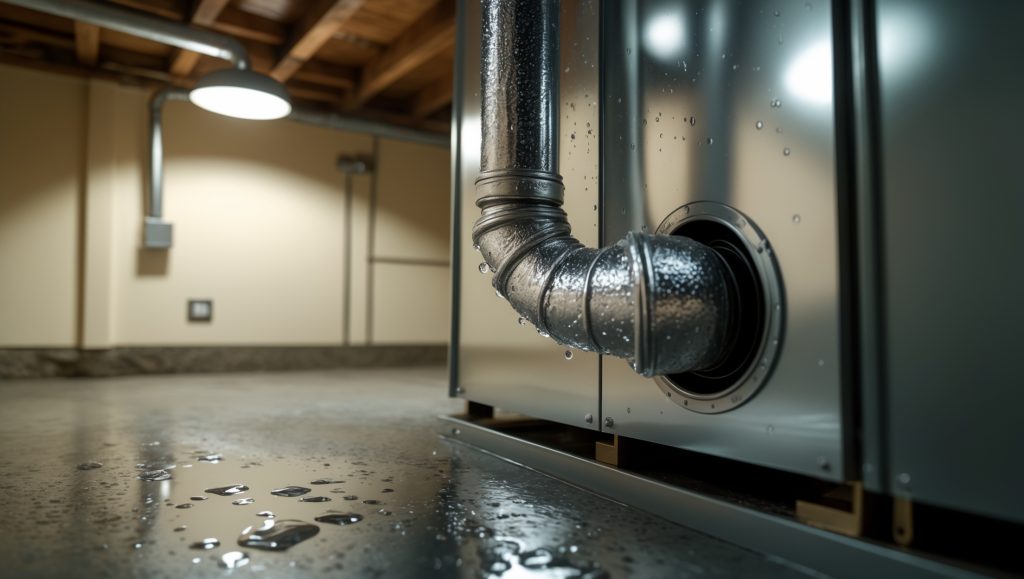
Introduction: Why Condensate Drain Care Matters in Boston
For Boston homeowners and business owners, the HVAC system is more than just a convenience—it’s the backbone of indoor comfort and building health. Yet, one of the most overlooked components of these systems is the humble condensate drain line. This small pipe, designed to carry away moisture collected during the cooling and dehumidification process, plays a critical role in ensuring your HVAC runs smoothly. Neglecting it can lead to a cascade of problems: water leaks, musty odors, mold growth, and even structural damage in basements and utility spaces. In Boston, where humid summers and tightly sealed buildings are the norm, condensate drain maintenance is not just optional—it’s essential. This guide will provide in-depth, practical advice on how to maintain, troubleshoot, and optimize your condensate drain, so you can prevent water damage, maintain healthy air quality, and avoid unexpected repair costs. Whether you’re a homeowner or managing a commercial property, understanding this small but mighty part of your HVAC system will save you time, money, and headaches down the line.
Understanding the HVAC Condensate Drain System
How the Condensate Drain Works
The condensate drain system removes moisture produced when your air conditioner or high-efficiency furnace operates. Warm, humid Boston air passes over the evaporator coil, where water vapor condenses into liquid. This water collects in a drain pan and exits your home or business through the drain line—typically a PVC or flexible tubing connected to a nearby floor drain, sump, or exterior location.
Key Components
- Evaporator Coil: Where condensation forms.
- Drain Pan: Catches water beneath the coil.
- Condensate Line: Channels water out of the building.
- Trap: Prevents air from entering or escaping the HVAC via the line, maintaining system efficiency.
- Condensate Pump (if present): Used when gravity drainage isn’t possible, especially in basements or commercial spaces.
Why Boston Properties Are Vulnerable
Boston’s older architecture, finished basements, and humid summers create a perfect storm for condensate drain issues. Many systems are installed in tight spaces, and floor drains can become blocked or overwhelmed during storms. Top-floor units in multi-family buildings may also discharge water in hard-to-access places, increasing the risk of hidden damage.
Common Condensate Drain Issues in Boston Homes and Businesses
Clogged Drain Lines
Over time, algae, mold, dust, or insulation debris can build up inside the drain line, forming a clog. When this happens, water backs up and overflows the drain pan, often causing water stains on ceilings, floors, or walls. In severe cases, leaking water may reach electrical components or damage insulation and framing.
Overflowing Drain Pans
If your HVAC is running non-stop during a Boston heatwave, an undersized or cracked drain pan may overflow even if the line isn’t fully blocked. This can lead to slow leaks that go unnoticed for months, especially in finished basements or storage areas.
Frozen or Disconnected Lines
Improperly insulated drain lines, or lines routed through unconditioned spaces, may freeze during Boston’s cold snaps. A disconnected or improperly sloped line can also cause water to pool and leak inside the home or business.
Mold and Musty Odors
Stagnant water in clogged pans or lines is a breeding ground for mold and bacteria. This not only creates unpleasant odors but can also degrade indoor air quality—especially dangerous for businesses like healthcare, childcare, or food service.
Preventive Maintenance: Step-by-Step Guide
1. Locate and Inspect the Drain Line
- Shut off power to your HVAC system before inspection.
- Find the drain line—usually a white or clear PVC pipe emerging from the evaporator coil housing or air handler.
- Check that it slopes downward and is secured along its length.
2. Check the Drain Pan
- Remove access panels to view the pan beneath the evaporator coil.
- Look for standing water, rust, cracks, or debris. Even minor standing water outside the cooling season can signal a problem.
3. Clear the Drain Line
- Disconnect the line at the nearest union or cleanout port.
- Use a wet/dry vacuum to suction blockages from the outside end for 2-3 minutes.
- Alternatively, use a stiff wire or specialized drain brush to dislodge clogs (avoid damaging the pipe walls).
4. Flush With a Cleaning Solution
- Mix a solution of one cup distilled white vinegar with one cup warm water.
- Pour slowly into the access point to dissolve algae and kill bacteria.
- Let it sit for 30 minutes, then flush with clean water.
5. Inspect the Trap and Pump
- Ensure the P-trap is filled with water and free of debris (this prevents sewer gases from entering your home).
- If your system uses a condensate pump, check for proper operation by pouring water into the pan and listening for the pump to activate.
6. Test the System
- Restore power and run the HVAC in cooling mode for at least 15 minutes.
- Confirm water flows steadily through the drain line and exits to the proper location.
7. Record and Schedule Regular Maintenance
- Keep a maintenance log with dates and findings.
- Plan to inspect and clean the drain line every spring and fall, or more often for busy commercial properties.
Tools & Supplies for Proper Condensate Drain Maintenance
- Wet/dry vacuum with tubing adapter
- Distilled white vinegar (or commercial HVAC drain cleaner)
- Stiff wire or specialized drain brush
- Bucket and towels for spills
- Flashlight for visual inspections
- Replacement PVC pipe, fittings, or pan (if damaged)
- Personal protective equipment: gloves, safety glasses, and respirator (for moldy areas)
Advanced Tips for Boston Property Owners
Install a Drain Line Float Switch
Float switches automatically shut off your HVAC if the drain pan overflows, preventing water from reaching floors or ceilings. This is especially valuable for attic units or systems installed above finished spaces. Many insurance policies favor properties with such safety features.
Insulate Exposed Drain Lines
Where drain lines pass through unheated basements or crawlspaces, insulate them to prevent freezing and condensation. Use closed-cell foam pipe insulation rated for Boston’s winter temperatures.
Upgrade to Larger Drain Lines
If you have recurring clogs, consider upsizing to a 3/4″ line or adding additional cleanouts for easier maintenance, especially in commercial settings with high humidity loads.
Reroute Problematic Drains
Ensure condensate drains do not discharge near building foundations or walkways, where freezing or pooling water can cause slip hazards or damage. Route to a floor drain, sump, or dedicated dry well whenever possible.
Professional Inspection and When to Call for Help
Signs You Need an HVAC Pro
- Persistent water leaks despite cleaning
- Visible mold or strong musty odors
- Repeated condensate pump failure
- Unusual noises or system shutoffs
- Water damage to ceilings, walls, or electrical panels
Boston’s licensed HVAC technicians can perform deep cleanings, replace damaged pans or lines, install new pumps, and test for hidden leaks using specialized tools. They also ensure compliance with local codes regarding HVAC condensate drainage—important for insurance and property value.
Legal and Insurance Considerations in Boston
Code Compliance
Boston building codes require that condensate be drained to an approved location (never to sewer lines without an air gap). For multi-family and commercial properties, secondary drain pans and overflow shutoff switches are often required. Noncompliance can result in failed inspections or denied insurance claims.
Insurance Implications
- Water damage from neglected HVAC systems is often excluded from standard home and business policies.
- Documenting regular condensate drain maintenance can support claims and lower premiums.
- Business interruption caused by water damage (such as in retail or office settings) can be costly—proactive care is far cheaper.
Frequently Asked Questions
How often should I clean my HVAC condensate drain?
At least twice per year—ideally before the cooling season and once in fall. High-use commercial properties may need quarterly service.
Can I use bleach instead of vinegar?
Bleach is effective but can damage drain line materials over time and create harmful fumes. Vinegar is safer for both you and the system.
Is water around my furnace or air handler always a drain issue?
Not always. It could also be a plumbing leak, humidifier malfunction, or refrigerant issue. If water reappears after drain cleaning, call a professional.
Conclusion: Protecting Your Boston Property With Smart Drain Care
Ignoring your HVAC condensate drain line is a gamble no Boston property owner should take. The risks—water damage, mold, lost comfort, and costly repairs—are simply too great, especially given how simple routine maintenance can be. By understanding how the system works, learning to identify early warning signs, and implementing regular cleaning, you’re taking one of the most effective steps toward safeguarding your home or business. Remember, Boston’s unique climate and building stock demand vigilance: moisture, tight spaces, and old infrastructure make proactive drain care doubly important.
Don’t wait for a musty smell or a puddle to alert you to a problem. Instead, make condensate drain inspection part of your spring and fall maintenance routines. Stock up on the right tools, keep a maintenance log, and don’t hesitate to call a licensed professional for persistent issues or upgrades. In the long run, these small efforts will pay off through lower repair bills, healthier indoor air, and the peace of mind that comes with knowing your HVAC is protected from one of its most common and expensive failure points. Invest a little attention now, and enjoy dry, comfortable, and worry-free indoor spaces all year long in Boston.
If you live in an older Boston home with a finished basement, how can you tell if your HVAC condensate drain line is at risk for leaks or mold before any visible signs appear? Is there a recommended inspection schedule for systems in this climate?
In older Boston homes with finished basements, it’s wise to check your HVAC condensate drain line a few times a year, especially before and after heavy usage seasons. Listen for unusual water sounds, check for any musty odors near the system, and look for dampness around the drain pan. Annual professional inspections are recommended, as these can catch early signs of blockages or leaks before you see any damage.
For buildings with basements where gravity drainage isn’t possible, how reliable are condensate pumps over time, and are there budget-friendly options for replacements if the pump fails unexpectedly?
Condensate pumps can be reliable if maintained regularly but, like any mechanical part, they can wear out over time—especially in humid environments. Many pumps last 3 to 5 years. Affordable replacement models are available at home improvement stores or online, often under $50. To avoid sudden failures, consider installing a pump with an overflow safety switch and check it annually for clogs or signs of wear.
In the event that water damage has already started due to a clogged condensate line, what are the first steps business owners should take to mitigate mold growth and structural issues in basements or utility areas?
If water damage has started from a clogged condensate line, immediately shut off the HVAC system to stop further leaking. Remove standing water using a wet vacuum or mop, and increase ventilation by running fans and dehumidifiers. Promptly dry any wet materials, and if drywall, insulation, or flooring are soaked, consider removing them to prevent mold. Contact a water damage restoration professional as soon as possible for thorough drying and mold prevention.