
Introduction: Why HVAC Filters Matter in Boston
Boston’s unique blend of historic architecture, coastal weather, and urban density means that indoor air quality and HVAC system efficiency are top concerns for property owners. Whether you’re a homeowner in Jamaica Plain or managing a business in the Financial District, your HVAC filters are the first line of defense against dust, allergens, and airborne pollutants. Yet, many Boston residents underestimate the impact of filter selection and timely replacement. An old or ill-fitting filter doesn’t just mean dusty shelves—it can lead to higher energy bills, more frequent breakdowns, and even health issues due to compromised air quality. With Boston’s mix of humid summers, pollen-heavy springs, and salt-laden winter air, choosing the right filter and replacing it at the right intervals is critical. This comprehensive guide demystifies HVAC filter options, replacement schedules, and best practices tailored for Boston’s climate and building stock, empowering you to protect both your comfort and your investment.
Understanding HVAC Filters: Types and Ratings
Basic Types of HVAC Filters
- Fiberglass Filters: Low cost, disposable, minimal filtration—mainly protect the system from large debris.
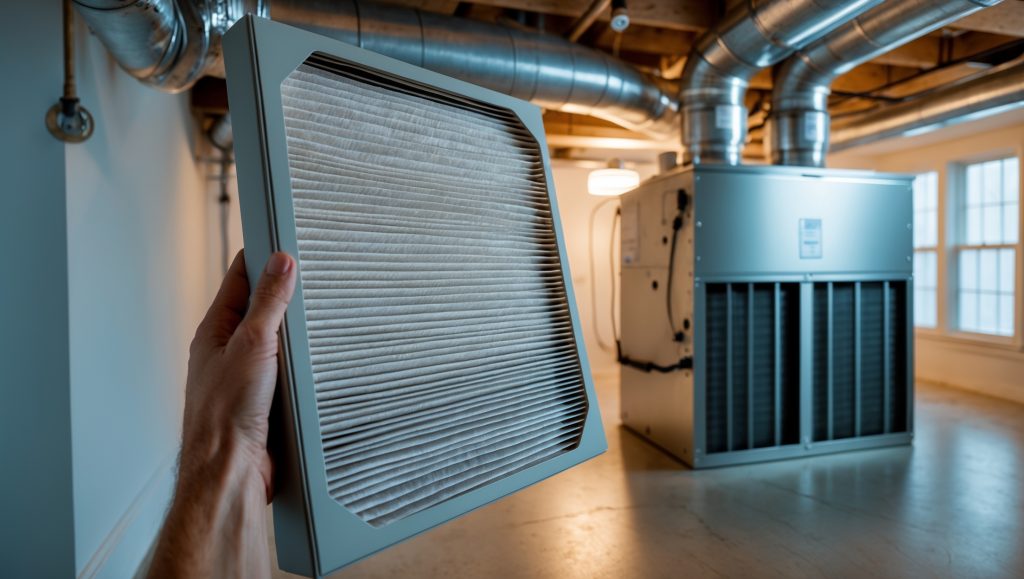
- Pleated Filters: Made of polyester or cotton paper, offer improved filtration for dust, pollen, and some allergens.
- Electrostatic Filters: Use self-charging fibers to attract particles; available in disposable and washable varieties.
- HEPA Filters: Capture up to 99.97% of airborne particles, typically used in specialty or medical-grade systems.
- Washable/Reusable Filters: Made from durable materials, require regular cleaning, but may have lower filtration efficiency than high-MERV disposables.
Understanding MERV Ratings
MERV stands for Minimum Efficiency Reporting Value, a standard that rates filter effectiveness on a scale of 1 to 20. For most Boston homes and businesses:
- MERV 1-4: Basic protection (large particles only)
- MERV 5-8: Good for most residential/commercial settings
- MERV 9-12: Superior filtration for homes with allergies or pets
- MERV 13-16: Hospital-grade, may strain older systems—always check compatibility
Going too high with MERV can reduce airflow if your system isn’t designed for it, potentially harming efficiency and system lifespan.
Boston’s Climate: Unique Filter Challenges
Spring: Pollen and Mold Spores
Boston springs are notorious for high pollen and mold counts. If anyone in your household or business suffers from allergies, upgrading to a pleated filter with a MERV rating of 8–11 during this season can make a noticeable difference.
Summer: Humidity and Urban Air
Summer brings both humidity and increased urban air pollution. Higher humidity can promote mold growth inside filters, so check your filter more frequently and consider antimicrobial options if your property is prone to condensation or mustiness.
Fall: Leaf Debris and Construction Dust
Leaf debris and increased construction activity in Boston neighborhoods can quickly clog filters. Frequent filter checks and replacements are especially important if you’re near active construction or landscaping zones.
Winter: Salt, Soot, and Indoor Air
Boston’s winter brings salt from roads and soot from heating systems. Closed windows mean more recirculated air, so filters quickly accumulate indoor pollutants. Consider upgrading to a higher MERV pleated filter for winter months, especially if using fireplaces or older oil systems.
How to Select the Right HVAC Filter for Your Boston Property
Step 1: Check Your System’s Specifications
Look at your HVAC unit’s manual or contact your service provider to determine the maximum filter thickness and MERV rating your system can handle. Overly restrictive filters can damage blowers or reduce efficiency.
Step 2: Assess Your Indoor Air Quality Needs
- Allergy or asthma sufferers: Opt for pleated filters, MERV 9–12.
- Pet owners: Use filters with higher dust and dander ratings.
- Renovation or high-traffic zones: Consider frequent changes or higher filtration.
- Historic homes: Be cautious—older systems may not handle high-MERV filters.
Step 3: Measure Filter Size Correctly
Filters are sized by length, width, and thickness (e.g., 16″x25″x1″). Remove your old filter and check the label or measure the slot for an exact fit. Loose filters allow unfiltered air to bypass, reducing effectiveness.
Step 4: Decide Between Disposable and Washable
Disposable filters are easy and hygienic; washable filters require regular cleaning but save money long-term. For most busy Boston homeowners and businesses, high-quality disposables are the most practical option.
Step 5: Consider Specialty Filters
If you have unique needs—such as immunocompromised residents, workshops with fine particulates, or smoke concerns—consult your HVAC professional for HEPA or specialty filter recommendations compatible with your system.
Filter Replacement Frequency: Best Practices for Boston
General Guidelines
- Basic fiberglass filters: Every 30 days
- Pleated filters (MERV 7–11): Every 60–90 days
- High-MERV or HEPA filters: Every 60 days, or as recommended
- Washable filters: Clean monthly, dry thoroughly before reinstalling
When to Replace Filters More Often
- During pollen-heavy spring and leaf-heavy fall seasons
- After home renovations or construction nearby
- If you have pets, especially shedding breeds
- If anyone in the home or office has allergies or respiratory issues
- If your HVAC runs constantly (e.g., extreme cold snaps or heatwaves)
Warning Signs You’ve Waited Too Long
- Visible dirt or discoloration on the filter
- Noticeable drop in airflow or increased dust indoors
- Unusual odors when the system runs
- Increased allergy symptoms or respiratory complaints
- Sudden spike in energy bills without a weather explanation
Step-by-Step: How to Replace Your HVAC Filter
Step 1: Turn Off Your System
For safety and to prevent sucking in unfiltered debris, always turn off your HVAC system at the thermostat before replacing the filter.
Step 2: Locate the Filter Compartment
Common locations include:
- Return air grill—usually on a wall or ceiling
- Inside the furnace or air handler—look for a removable panel
Consult your HVAC manual if unsure.
Step 3: Remove the Old Filter
Note the direction of the airflow arrow on the old filter before removal—it should match the direction of air moving into the blower/furnace.
Step 4: Insert the New Filter
Slide in the new filter with the airflow arrow pointing toward the blower. Ensure the filter fits snugly with no gaps around the edges.
Step 5: Secure Panel and Restart System
Replace any panels or covers securely. Turn your HVAC system back on and check for normal operation.
Step 6: Dispose of Old Filter Properly
Place the old filter in a trash bag immediately—used filters can contain dust, pollen, and spores.
Tips to Maximize Filter Performance and Indoor Air Quality
- Set Reminders: Use calendar alerts or HVAC smart apps to prompt filter changes.
- Keep Vents Clear: Blocked vents force your system to work harder and reduce filtration effectiveness.
- Seal Leaks: Gaps in ducts or around filter slots allow unfiltered air to bypass the filter.
- Control Humidity: Use dehumidifiers or proper ventilation to reduce mold risk, especially in basements and historic homes.
- Schedule Annual Maintenance: Have a professional inspect your entire system for hidden issues and airflow blockages.
Cost Breakdown: Filters and Maintenance in Boston
Average Filter Costs (2024 Pricing, Boston Market)
- Fiberglass disposable: $1–$3 each
- Pleated disposable: $5–$20 each (higher-MERV = higher cost)
- Electrostatic/washable: $15–$50 (one-time cost, clean monthly)
- HEPA/specialty: $30–$100 each (check system compatibility first)
Most Boston homes spend $40–$120 per year on standard filter replacements. Businesses with larger or multiple systems should budget accordingly, considering higher filtration demands and replacement intervals.
Professional Filter Replacement: When to Call the Pros
While most homeowners can replace filters themselves, consider calling a pro if:
- You’re unsure of filter location or size
- Your system uses multiple filters or has difficult access
- You want a full system check for leaks or airflow issues
- You suspect mold or persistent odors after changing the filter
Professional maintenance visits in Boston typically run $150–$250 and include full system inspection, filter replacement, and cleaning of accessible components.
Common Filter Mistakes in Boston Properties (and How to Avoid Them)
- Using the Wrong Size: Always match the exact dimensions—an oversized or undersized filter can cause bypass and inefficiency.
- Over-Filtration: Installing a filter with a MERV rating higher than your system supports can cause reduced airflow and motor strain.
- Neglecting Seasonal Changes: Replace filters more frequently during pollen, construction, or heating-heavy months.
- Ignoring Filter Direction: Installing backward reduces effectiveness—always match the airflow arrow.
- Forgetting Replacement Intervals: Set reminders; an unnoticed dirty filter can stress your system year-round.
- Not Checking for Gaps or Leaks: Ensure the filter fits snugly and air isn’t bypassing the filtration.
Advanced Options: Upgrading HVAC Filtration in Boston
Whole-Home Air Purifiers
For properties with allergy sufferers or heightened air quality needs, consider a whole-home air purifier installed within the ductwork. These can use HEPA or activated carbon filters and provide a significant upgrade over standard filters, but require professional installation and regular maintenance.
UV Light Filters
UV light components, installed alongside traditional filters, can kill bacteria and mold spores, a valuable addition in Boston’s humid or musty basements.
Smart Filter Monitors
Some modern thermostats and smart home systems offer filter monitoring, alerting you when filter performance drops due to dirt or time. This is especially useful for property managers or businesses overseeing multiple systems.
Conclusion: Better Filters, Better Comfort in Boston
HVAC filter selection and maintenance might seem like minor chores, but in Boston’s challenging climate, they are crucial to comfort, health, and budget control. By choosing the right filter for your system and local conditions—whether bracing against spring pollen, summer humidity, or winter soot—you not only protect your HVAC equipment but also create a safer, cleaner indoor environment for family, employees, and customers. Regular filter changes can lower energy bills, extend equipment life, and reduce the risk of costly repairs. For Boston’s historic homes, bustling businesses, and everything in between, the right filter is a low-cost investment with high-impact returns. Make filter checks a routine, set reminders, and don’t hesitate to consult a professional for unique filtration challenges. Your HVAC system—and everyone breathing your air—will thank you, season after season.
You mention that the salt-laden winter air in Boston can be tough on HVAC systems. Should I change my filter more often during the winter months, and if so, how frequently should I set reminders to check or replace them?
Yes, the salt in Boston’s winter air can clog HVAC filters faster, so it’s wise to check them more often in winter. Instead of the usual 2–3 months, consider inspecting your filter every month during colder, saltier months. If you notice it’s dirty, replace it right away. Setting a monthly reminder from November through March should help keep your system running smoothly.
I live in an older brownstone in Boston, and it tends to get pretty dusty, especially during the spring and fall. The article mentions pleated and electrostatic filters—can you explain which would be more effective for controlling allergens in an old building like mine?
For an older brownstone with higher dust and allergen levels, pleated filters are usually more effective than standard electrostatic filters. Pleated filters have a larger surface area and can trap smaller particles like pollen, dust mites, and other allergens more efficiently. If allergies are a significant concern, consider a pleated filter with a MERV rating between 8 and 13, as this range balances good filtration with proper airflow for older HVAC systems.
When you mention Boston’s humid summers and pollen-heavy springs, does that mean a pleated filter with a higher MERV rating is better for allergy sufferers, or is there a point where that’s overkill for most homes?
A pleated filter with a higher MERV rating (such as 8 to 13) can be very helpful for allergy sufferers in Boston, as it captures more pollen and other airborne particles. However, extremely high MERV ratings (above 13) are usually not needed for most homes and can restrict airflow if your HVAC system isn’t designed for them. Sticking to a MERV 8–13 pleated filter strikes a good balance for allergy relief without overloading your system.
Since older Boston buildings often have historic ductwork, are there compatibility issues with installing HEPA or high-MERV filters in these systems, or is it generally safe to upgrade without risking system performance?
Older Boston buildings with historic ductwork can sometimes struggle with the increased airflow resistance of HEPA or high-MERV filters. These filters may restrict airflow, leading to reduced system efficiency or even damage over time. Before upgrading, it’s wise to consult an HVAC professional to assess your system’s capabilities and ensure proper performance and safety. Sometimes, a moderate-MERV filter offers a good balance between filtration and system compatibility.
Do washable or reusable filters make sense for Boston homes, considering local weather and air quality, or will I get better results with disposable pleated filters?
In Boston, where seasonal changes and pollen levels can be significant, disposable pleated filters generally offer better filtration and are easier to maintain. Washable or reusable filters are more eco-friendly but may not trap as many fine particles, which can be important for air quality during allergy season or high-pollution days. If indoor air quality is a priority, disposable pleated filters are usually the better choice for Boston homes.
How often do you actually need to change filters in commercial spaces in the Financial District, especially with so many people coming in and out? Is the usual recommendation every 3 months or should it be more frequent in urban environments?
In high-traffic commercial spaces like those in the Financial District, it’s usually best to check and potentially replace HVAC filters every 1 to 2 months instead of the standard 3 months. The increased foot traffic and urban air quality mean filters can clog up faster, which affects air flow and system efficiency. Regular checks are key to maintaining good air quality and system performance.
With the mix of humid summers and pollen-heavy springs in Boston, how often should I realistically expect to change pleated filters in an old brownstone, especially if my kids have allergies?
In an older Boston brownstone with humid summers and high pollen, and especially if your children have allergies, it’s wise to check and replace pleated HVAC filters every 1 to 2 months during peak seasons. You may even need to swap them monthly in spring and summer for the best air quality and allergy relief. Keep an eye on the filter; if it looks gray or clogged, change it sooner.
With Boston’s humid summers and pollen-heavy springs, would a pleated filter with a higher MERV rating be a better choice for allergy sufferers, or is a HEPA filter worth the investment in a residential setting?
For most Boston homes, a pleated filter with a higher MERV rating—such as MERV 11 or 13—does a great job capturing pollen and allergens from the air, making it a strong choice for allergy sufferers. HEPA filters are even more effective but often require special modifications to residential HVAC systems due to their density. Unless allergies are severe or a doctor specifically recommends a HEPA filter, a high-MERV pleated filter usually offers an ideal balance of filtration and system compatibility.
How do I know if my HVAC system can handle a higher MERV rated filter like HEPA, or could using one actually damage an older system common in Boston’s historic buildings?
Using a higher MERV rated filter, like HEPA, can indeed strain older HVAC systems in many Boston historic buildings. These filters are denser and may restrict airflow, leading to reduced efficiency or even system damage. To be sure, check your system’s manual for recommended filter ratings or consult a qualified HVAC technician, who can assess your equipment’s capacity and suggest the safest filter options.
If I’m managing a small business in the Financial District with a lot of foot traffic, how often would you recommend changing filters during high pollen seasons versus winter months with salt in the air?
For a small business with heavy foot traffic in the Financial District, it’s wise to change HVAC filters every 1–2 months during high pollen seasons to maintain good air quality. In winter, when salt can be tracked inside, stick to changing them about every 2 months, but check filters monthly for buildup. If you notice visible dirt sooner, replace them right away.
If I manage a business downtown and struggle with both dust from street traffic and humidity, should I be looking for a particular MERV rating, or is there another filter characteristic that’s more important in this environment?
In downtown Boston, a filter with a MERV rating of 8 to 13 is usually ideal for capturing street dust and other fine particles common in busy urban areas. However, MERV rating alone won’t address humidity issues. For that, consider pairing your filter with a dedicated dehumidifier or upgrading to an HVAC system that can control both air quality and moisture. Regularly checking and replacing filters will also help maintain both air cleanliness and system efficiency.
For older buildings around Boston, like those with historic architecture, are there common sizing or compatibility issues when trying to upgrade from basic fiberglass to pleated or HEPA filters?
Yes, older buildings in Boston, especially those with historic designs, often have HVAC systems with non-standard or smaller filter slots. Upgrading to pleated or HEPA filters can be tricky if the new filters are thicker or differently sized. It’s important to measure the existing filter slot carefully and check your system’s specifications to ensure compatibility. In some cases, you may need custom-sized filters or modifications to the filter housing by a professional.
Could you explain a bit more about the difference in effectiveness between pleated filters and electrostatic ones? I have allergies and want to balance air quality with not overspending each month.
Pleated filters capture more dust and allergens than basic fiberglass filters, making them good for allergy sufferers, and they’re reasonably priced. Electrostatic filters use a static charge to attract particles and can trap smaller allergens, but their effectiveness depends on regular cleaning. If you have allergies, high-quality pleated filters (like those rated MERV 8–13) often provide a good balance of air quality and cost without frequent maintenance.
Are washable or reusable filters actually a good option for businesses in the Financial District, or would you recommend sticking to high-MERV disposables for better air quality in a busy office with lots of people?
In busy office environments like those in the Financial District, high-MERV disposable filters are usually the better choice for air quality. These filters capture smaller particles and require less maintenance compared to washable or reusable ones, which may not trap as many contaminants and need frequent, thorough cleaning to stay effective. For optimal protection and convenience, stick with quality disposable filters.
I live in an older Boston apartment and noticed a lot of dust buildup. Should I go for a pleated filter or is it worth investing in a HEPA filter, even if my system is older?
In an older Boston apartment with noticeable dust, a pleated filter is a practical upgrade—they trap more dust than basic fiberglass filters and usually fit most systems. HEPA filters offer excellent filtration but often restrict airflow and may not be compatible with older HVAC systems. It’s best to choose a high-quality pleated filter and replace it regularly, unless your system specifically supports HEPA upgrades.
Could you clarify how often HVAC filters should actually be replaced in Boston, especially considering the heavy pollen in spring and humidity in summer? Is the standard schedule different here?
In Boston, due to heavy pollen in spring and higher humidity in summer, HVAC filters often need replacing every 1 to 2 months, instead of the standard 3 months suggested elsewhere. Allergies, pets, or high system use may require even more frequent changes. It’s a good idea to check your filter monthly during peak pollen and humidity seasons and replace it if it looks dirty or clogged.
My system seems to cycle on and off a lot more since I changed the filter last month. Could using the wrong filter type or MERV rating be causing this, or should I look for another issue?
Using a filter with a higher MERV rating than your system is designed for can restrict airflow, making your HVAC system cycle more frequently. Double-check your filter’s MERV rating against your system’s recommendations. If the filter matches the guidelines and your system still short cycles, there could be another issue, such as a thermostat problem or a maintenance need.
If I’m managing a small business in the Financial District and want to balance energy costs with good air quality, which MERV rating would be ideal? Is going higher always better, or could it strain older HVAC systems?
For a small business in Boston’s Financial District, a MERV rating between 8 and 11 is usually ideal. This range provides effective air quality without overloading most older HVAC systems. Higher MERV ratings can trap more particles, but they may also restrict airflow and increase energy costs, especially in older units not designed for them. It’s best to check your system’s specifications before choosing a higher-rated filter.
As someone trying to stick to a budget, do you think washable/reusable filters are actually cost-effective in the Boston climate, given the humidity and potential lower filtration you mentioned? Or is it better to stick with high-MERV disposables?
Washable filters can save money over time since you reuse them, but in Boston’s humid climate, they need careful cleaning and thorough drying to prevent mold growth. They also tend to have lower filtration levels, which might not capture as many particles as high-MERV disposables. If air quality is a priority or allergies are a concern, high-MERV disposable filters might be a better value despite the higher ongoing cost.
The article talks about the risk of higher energy bills from old or ill-fitting filters. Besides following a replacement schedule, are there signs I should watch for that indicate my current filter isn’t fitting or functioning properly in Boston’s climate?
Yes, there are several signs your filter may not be fitting or working properly. Look for dust collecting quickly around vents, odd noises from your HVAC system, or visible gaps around the filter’s edge. If you notice inconsistent heating or cooling, that can also be a clue. In Boston’s climate, excess humidity or musty odors may appear if your filter isn’t doing its job. Checking your filter monthly for dirt buildup and ensuring it sits snugly in its slot can help prevent these issues.
How does the salty winter air common in Boston actually impact the lifespan or performance of different HVAC filter types, especially pleated versus electrostatic filters?
Salty winter air in Boston can cause HVAC filters to clog faster due to increased airborne particulates and salt residue. Pleated filters tend to capture more of these fine particles but may need replacement more often in these conditions. Electrostatic filters can be effective since they trap smaller particles, but salt buildup can reduce their efficiency unless cleaned regularly. It’s a good idea to check and replace or clean filters more frequently during the winter.
For someone managing multiple rental units in Dorchester, balancing cost and efficiency is a big concern. Based on your breakdown of filter types, do washable/reusable filters make sense financially in the long run, despite possibly lower filtration compared to disposable pleated options?
Washable or reusable filters can be cost-effective over time, especially when managing several units, since you avoid frequent replacement costs. However, they generally offer lower filtration efficiency compared to disposable pleated filters, which can impact indoor air quality. If your tenants have allergies or you want to minimize dust, pleated filters might be worth the extra expense. Otherwise, washable filters are a solid choice if you’re diligent about regular cleaning and maintenance.
Are there any warning signs beyond dusty shelves or higher bills that Boston property owners should watch for to know when their HVAC filter really needs changing, especially considering the city’s varying climate throughout the year?
Absolutely, there are several other signs to watch for. If you notice rooms are heating or cooling unevenly, your HVAC system seems noisier than usual, or you experience more allergy symptoms indoors, your filter may be clogged. In Boston, with seasonal changes bringing pollen or extra debris, increased odors or mustiness can also signal the need for a filter replacement.
If I run a business in the Financial District with heavy foot traffic and frequent door openings, how often should I realistically plan to replace our pleated HVAC filters compared to the typical home schedule?
In a busy Financial District business with heavy foot traffic and lots of door openings, you’ll want to replace pleated HVAC filters more often than in a typical home. While homes usually change filters every 3 months, your business should plan on checking and likely replacing them every 1 to 2 months to maintain good air quality and efficiency.
You touched on the regular replacement of filters, but how often should filters really be swapped out in older Boston buildings compared to newer constructions?
In older Boston buildings, it’s usually best to check and replace HVAC filters every 1 to 2 months, as older systems can be less efficient and more prone to dust buildup. For newer constructions with updated HVAC systems, changing filters every 2 to 3 months often suffices. However, factors like pet ownership or nearby construction may require more frequent changes in any building.
If my utility bill has gone up but the air doesn’t seem dusty, could the HVAC filter still be the culprit, or should I be checking for something else in my system first?
A clogged or old HVAC filter can definitely cause your utility bill to rise, even if you don’t notice extra dust. A dirty filter restricts airflow, making your system work harder and use more energy. I’d recommend checking and replacing the filter first. If your bill stays high after changing it, then it may be worth having a professional inspect for other issues like duct leaks or thermostat problems.
I’ve always just gone with the cheapest fiberglass filters but had some higher energy bills this winter. Could using a better filter type help lower my utility costs, or would that not make much difference in older Boston buildings?
Choosing a higher-quality filter, like pleated or HEPA types, can actually improve airflow and help your HVAC system work more efficiently, which may reduce energy bills. In older Boston buildings with drafty spots or older ductwork, a better filter alone won’t solve all efficiency issues, but it’s a worthwhile upgrade, especially if your current filters clog quickly. Pairing a quality filter with weatherproofing can make a noticeable difference.
If a filter is ill-fitting, the article mentions potential energy and health issues—what are some early warning signs Boston property owners should look for to catch these problems before they escalate?
Some early warning signs of an ill-fitting HVAC filter include unusual dust buildup around vents, reduced airflow from registers, strange odors when the system runs, or increased allergy symptoms among occupants. You might also notice the HVAC system cycling on and off more frequently or higher energy bills. Catching these signs early can help you address filter issues before they lead to bigger energy or health problems.
Is there a noticeable difference in energy bills if I switch from basic fiberglass filters to pleated or electrostatic ones, especially during peak heating and cooling seasons in Boston?
Switching to pleated or electrostatic filters can lead to a modest improvement in energy efficiency compared to basic fiberglass filters, especially during Boston’s peak heating and cooling seasons. These higher-quality filters capture more particles and help maintain cleaner airflow, allowing your HVAC system to run more efficiently. While the savings may not be dramatic, over time you should notice a slight reduction in your energy bills, along with better indoor air quality.
With Boston having such humid summers and salty winter air, would pleated filters be enough to keep up with indoor air quality, or should I be considering electrostatic or HEPA filters for my home near the waterfront?
Living near the waterfront in Boston does mean your HVAC system faces extra challenges from humidity and salt air. Pleated filters are a solid choice for general dust and pollen, but if you have allergies or want superior air quality, electrostatic or HEPA filters can capture even finer particles. Just be sure your HVAC system is compatible with higher-efficiency filters, as they can restrict airflow if not matched properly.
I’m managing a historic property and wondering if MERV ratings above a certain level could restrict airflow in older HVAC systems. Is there a safe upper limit for Boston’s climate?
For historic properties with older HVAC systems, using filters with a MERV rating higher than 8 to 10 can often restrict airflow, potentially stressing the system. In Boston’s climate, a MERV 8 filter typically offers a good balance between air quality and airflow. Always check your system’s specifications, and if in doubt, consult an HVAC professional before choosing filters above MERV 10.
When it comes to older homes in areas like Jamaica Plain with less modern HVAC systems, is it safe to upgrade to higher-MERV filters, or could that restrict airflow and damage the system over time?
Upgrading to higher-MERV filters in older HVAC systems, like those found in Jamaica Plain, can sometimes restrict airflow if the system isn’t designed for them. This can strain the blower and reduce efficiency or even cause damage over time. It’s best to check your system’s manual for maximum recommended MERV ratings, or consult an HVAC professional before making changes, to ensure proper airflow and system health.
For business owners in the Financial District, is there a filter type or MERV rating that helps address both urban pollution and the higher foot traffic typical of commercial spaces?
For businesses in the Financial District, a MERV rating between 11 and 13 is often recommended. These filters are effective at capturing fine particulates from urban pollution as well as dust, pollen, and other contaminants brought in by heavy foot traffic. Just make sure your HVAC system can handle higher MERV filters, as they can restrict airflow in some units.
Could you elaborate on how the high humidity and salt in Boston’s coastal air specifically affect the lifespan and performance of standard pleated filters versus electrostatic or HEPA filters?
Boston’s coastal air, with its higher humidity and salt content, can cause standard pleated filters to clog or degrade more quickly due to moisture absorption and salt buildup, which reduces their efficiency and lifespan. Electrostatic filters may lose effectiveness if moisture disrupts their charge, while HEPA filters, though robust, can also clog faster in these conditions. In such environments, filters often require more frequent checks and replacements to maintain air quality and system performance.
If I want to go with washable or reusable filters to save on costs, do those provide enough filtration for urban Boston environments, or am I sacrificing too much on air quality compared to disposables with higher MERV ratings?
Washable or reusable filters are cost-effective and eco-friendly, but they usually have lower MERV ratings—often around 1 to 4. In an urban environment like Boston, with higher dust and pollution levels, these may not capture finer particles as well as disposable filters with higher MERV ratings (8 to 13). If air quality is a priority, especially for allergies or respiratory issues, you might want to opt for high-MERV disposables. Otherwise, washable filters are fine for basic dust control.
If I’m running into higher energy bills despite regular filter changes, could the filter type or MERV rating be the problem, or should I look at other parts of the HVAC system?
A filter with a higher MERV rating can restrict airflow if your HVAC system isn’t designed for it, which could lead to increased energy bills. However, other issues like dirty coils, leaky ducts, or thermostat problems can also contribute. It’s worth checking your filter’s MERV rating against your system’s recommendations and having a technician inspect the rest of your HVAC system for other potential causes.
I’ve noticed higher energy bills since I started using a higher-MERV pleated filter in my HVAC system. Is this a common issue in Boston because of the climate, or could it be something else like airflow problems?
Higher energy bills after switching to a higher-MERV pleated filter can happen, but it’s usually due to airflow resistance rather than the Boston climate itself. High-MERV filters are denser and can restrict airflow if your HVAC system isn’t designed for them, causing it to work harder. Make sure your system can handle the filter type, and check for any blockages or dirty filters that could also impact airflow and efficiency.
With Boston’s mix of old and new buildings, how do you suggest selecting between electrostatic and washable filters for homes that might struggle with both dust and indoor humidity issues?
In Boston’s older homes where dust and humidity can both be issues, electrostatic filters are often better at trapping fine dust and allergens. However, in humid conditions, washable filters must be cleaned and dried thoroughly to prevent mold growth. If you choose washable filters, make sure to clean them regularly and dry them fully. For less maintenance and better dust control, high-quality electrostatic filters are usually the safer bet.
When choosing between pleated and electrostatic filters for a small Boston apartment, which is more cost-effective in the long run considering both filter price and potential impact on energy bills?
For a small Boston apartment, pleated filters are usually more cost-effective over time. They tend to be moderately priced, trap more dust than basic filters, and do not significantly restrict airflow, so your energy bills stay stable. Electrostatic filters can cost more upfront and sometimes increase resistance in the system, which might raise energy costs slightly. Unless you have specific allergy concerns, pleated filters often strike the best balance of price and long-term savings.
With Boston’s humid summers and pollen-heavy springs, are pleated filters enough to manage seasonal allergies, or would you recommend upgrading to HEPA filters for a typical home? I’m curious about balancing better filtration with possible strain on my HVAC system.
Pleated filters, especially those rated MERV 8–13, do capture most common allergens like dust and pollen and are usually sufficient for many Boston homes. If allergies are severe, HEPA filters offer superior filtration, but most standard residential HVAC systems aren’t designed for them and could experience reduced airflow or strain. A good balance is to use a high-MERV pleated filter and change it regularly, or consult an HVAC professional about system compatibility before upgrading to HEPA.
Is it possible to use washable or reusable filters in older HVAC systems commonly found in Boston homes, or do these require certain equipment upgrades before switching over from disposable filters?
You can usually use washable or reusable filters in older HVAC systems, as long as the filter size matches your system’s requirements. However, it’s important to check your system’s specifications or consult your HVAC technician to ensure good airflow and compatibility. Some very old systems may not be optimized for the thicker or denser material of certain reusable filters, so a quick check is always recommended before making the switch.
My business is in a building with older HVAC equipment downtown. Are washable or reusable filters a good option for cutting costs, or would I be better off with high-MERV disposables for long-term maintenance and efficiency?
For older HVAC systems, washable or reusable filters can save money upfront, but they usually have lower MERV ratings, which means less effective filtration. High-MERV disposable filters capture more dust and allergens, supporting better air quality and system efficiency, which can reduce maintenance costs over time. If your downtown building struggles with dust or air quality, high-MERV disposables are likely a better long-term choice, even if the initial cost is higher.
Could you clarify how often someone should check or replace their filter if they live in an older brownstone in Jamaica Plain versus a newer condo downtown? Is there a difference due to building age?
Yes, building age can make a difference. Older brownstones in Jamaica Plain may have more dust and drafts, so it’s wise to check your HVAC filter every month and replace it every 1-2 months. In a newer downtown condo with tighter construction, filters generally last longer, so checking every 2 months and replacing every 2-3 months may be enough. Always adjust based on how quickly your filter looks dirty.
The article mentions compromised air quality if filters are old or don’t fit properly. Besides checking the schedule, are there warning signs my current filters need replacing sooner, especially given Boston’s pollen and humidity changes throughout the year?
Absolutely, besides following a regular replacement schedule, there are signs you can watch for. If you notice more dust settling on surfaces, musty odors, increased allergy symptoms, or if your HVAC system seems to be running longer than usual, these could indicate your filters are clogged. Boston’s pollen spikes and humidity can cause filters to fill up faster, so checking them monthly during peak seasons is a smart move.
How do the salty winter air and coastal humidity in Boston affect the lifespan or performance of pleated versus electrostatic filters?
Salty winter air and coastal humidity in Boston can cause pleated filters to clog more quickly, as they trap more particles from the moist, salty environment. Electrostatic filters, while washable, can also collect salt residue, which might reduce their effectiveness if not cleaned regularly. Both types may need to be checked and replaced or cleaned more often in Boston’s climate to maintain optimal HVAC performance.
You mention that Boston deals with pollen-heavy springs and salt-laden winter air. Would switching to a higher MERV filter during certain seasons make sense, or is it better to stick with the same type year-round to protect the HVAC system?
Switching to a higher MERV filter during pollen-heavy spring or winter months with salty air can help improve indoor air quality. However, it’s important not to exceed your HVAC system’s recommended MERV rating, as too high a filter can restrict airflow and strain the system. Many homeowners find success using a slightly higher MERV filter seasonally, but always consult your system’s manual or a professional before changing filter types.
If my family has allergies and we live near Jamaica Plain where pollen is high, would going up to a HEPA filter make a noticeable difference, or could that cause issues with my older HVAC system?
HEPA filters are excellent at trapping allergens like pollen, so they can significantly improve indoor air quality for families with allergies. However, most residential HVAC systems, especially older ones, aren’t designed to handle the increased resistance of HEPA filters. This can strain your system or reduce airflow. Instead, consider using a high-rated MERV filter (MERV 11 or 13), which provides strong filtration without overburdening your HVAC. It’s best to check with an HVAC professional to ensure any filter upgrade is compatible with your system.
The article notes that HEPA filters capture almost all airborne particles but are generally used in specialty systems. For a small business in Boston’s Financial District, is it possible or advisable to retrofit an existing commercial HVAC system to use HEPA filters?
Retrofitting an existing commercial HVAC system to use HEPA filters is sometimes possible, but it depends on your system’s design and capacity. HEPA filters create more airflow resistance, so your system must be powerful enough to handle the added load. It’s best to consult a qualified HVAC contractor who can assess your specific setup and determine whether retrofitting is feasible and advisable for your business’s needs.
If I manage a historic building downtown, are there any compatibility issues to watch for when upgrading to higher MERV or HEPA filters, or could installing those impact the system’s airflow in older HVAC setups?
Upgrading to higher MERV or HEPA filters in historic buildings can sometimes restrict airflow if the existing HVAC system isn’t designed for them. Older setups may not have the fan power to handle the added resistance, which could strain the equipment or reduce efficiency. Before upgrading, it’s wise to consult an HVAC professional who can assess your system’s capacity and recommend filters that provide better air quality without risking performance.
Could you provide more detail on how often HVAC filters should be replaced in Boston specifically, considering the coastal weather and pollen-heavy springs you mentioned? I want to know if the typical 3-month rule is appropriate or if Boston’s climate requires a different schedule.
In Boston, the coastal humidity and heavy spring pollen can make HVAC filters clog faster than average. While the usual 3-month replacement rule works in some cases, it’s wise to check your filters every month, especially during spring and summer. You may find that replacing them every 1-2 months during high pollen or humid periods keeps your system running efficiently and improves indoor air quality.
I manage a small business in the Financial District, and our energy bills have spiked lately. Could using the wrong size or type of HVAC filter really have that big of an impact on efficiency, and how would I know if the filter is contributing to the problem?
Yes, using the wrong size or type of HVAC filter can definitely impact your system’s efficiency and cause higher energy bills. If a filter is too restrictive or doesn’t fit properly, your system has to work harder to move air, using more energy. Signs that your filter may be the culprit include reduced airflow, uneven temperatures, or dust buildup. Double-check that you’re using the manufacturer-recommended filter size and type, and replace filters regularly to keep your system running efficiently.
In terms of ongoing costs, is there a recommended filter type for Boston homeowners on a tight budget that still provides decent protection from urban pollutants and allergens, especially during winter and spring?
For Boston homeowners on a budget, pleated MERV 8 filters are a reliable option. They are affordable and offer better protection against common urban pollutants and allergens compared to basic fiberglass filters. During winter and spring, changing them every 2–3 months helps maintain air quality without significant cost increases.
With Boston’s mix of humid summers and salt-laden winter air, is there a specific MERV rating or filter type you recommend for homes near the coast to handle both allergens and salt particles without overworking my HVAC system?
For homes near the Boston coast, a MERV 8 to MERV 11 filter is a good balance. These filters capture most allergens and some finer salt particles without putting too much strain on your HVAC system. Higher MERV ratings, like 13, filter more but may reduce airflow in residential systems unless your unit is designed for them. Remember to replace filters more often if you notice excess salt buildup.