
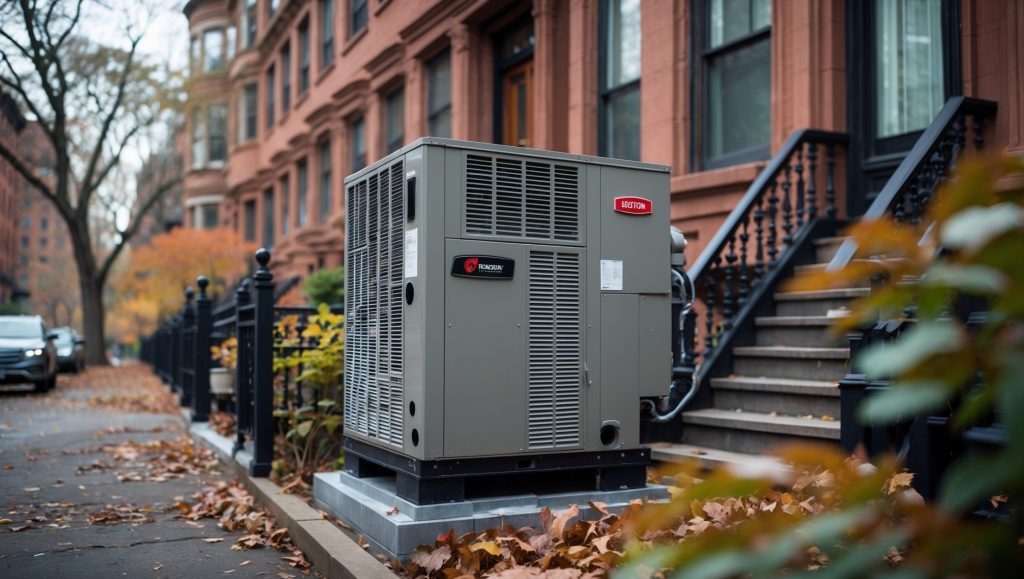
Introduction: Separating HVAC Fact from Fiction in Boston
Boston’s rich architectural history and unpredictable climate create unique challenges for heating, ventilation, and air conditioning (HVAC) systems. Whether you’re a homeowner in Jamaica Plain, a landlord in Allston, or a business owner downtown, reliable comfort and efficiency depend on making informed choices. Yet, many Bostonians fall prey to persistent HVAC myths—misconceptions that can lead to unnecessary expenses, uncomfortable indoor environments, and even system breakdowns. Misinformation about maintenance, equipment capabilities, and energy usage abounds in online forums, among neighbors, and even from well-meaning contractors. In this comprehensive guide, we’ll shine a light on the most common HVAC myths circulating in Boston, back them up with facts, and provide actionable advice. By the end, you’ll be empowered to make cost-effective, comfort-boosting decisions—no matter what New England weather throws your way.
Myth 1: “Bigger HVAC Systems Are Always Better for Boston’s Climate”
The Origins of the Myth
Many property owners believe that a larger furnace or air conditioner will heat or cool their space faster, providing superior comfort during Boston’s temperature swings. This misconception often leads buyers to oversize their equipment.
The Reality
HVAC systems must be sized precisely for the square footage, insulation quality, window placement, and occupancy of your property. Oversized systems cycle on and off more frequently, failing to remove humidity effectively in summer and causing uneven heating in winter. This short cycling also accelerates wear, inflates utility bills, and can reduce system lifespan.
Boston-Specific Considerations
- Historic Homes: Many Boston properties have thick masonry walls and drafty windows. Proper load calculations—not guesswork—are essential.
- Multi-Unit Buildings: Shared walls and variable occupancy require professional analysis for accurate sizing.
Expert Tip
Insist on a Manual J load calculation from your HVAC contractor. This industry-standard method ensures your system matches your property’s unique needs—no more, no less.
Myth 2: “Closing Vents in Unused Rooms Saves Money”
Why This Myth Persists
It seems logical—if you aren’t using a room, why heat or cool it? Many Bostonians close supply vents in spare bedrooms or offices to redirect airflow.
The Hidden Problem
Most ducted HVAC systems are designed for balanced airflow. Closing vents increases pressure in the ductwork, forcing your system to work harder and risking leaks at duct seams. Instead of saving money, you may see higher utility bills and increased wear on the blower motor.
Boston Building Quirks
- Older Victorian homes often have intricate, inflexible duct layouts. Restricting airflow can cause hot and cold spots and even damage antique plasterwork from condensation.
- In modern condos, forced-air systems are carefully balanced; closing vents throws off this calibration.
Expert Tip
Consider zoning systems or programmable thermostats for targeted comfort, rather than manually closing vents.
Myth 3: “HVAC Maintenance Isn’t Needed Until Something Breaks”
The All-Too-Common Belief
Busy Boston property owners sometimes delay maintenance, especially if their system seems to be running fine. The logic: “If it isn’t broken, don’t fix it.”
The Price of Neglect
Neglected HVAC systems accumulate dust, grime, and wear. Filters clog, coils lose efficiency, and small issues—like a frayed belt or loose electrical connection—can snowball into major repairs. Regular maintenance extends equipment life, preserves warranties, and ensures peak efficiency, especially during Boston’s demanding winter and summer seasons.
The Local Angle
- Boston’s pollen-heavy springs and snowy winters put extra strain on filters and coils. Seasonal checkups are even more critical here than in milder climates.
- Salt air from the harbor can cause corrosion on exterior units, requiring frequent inspection.
Expert Tip
Schedule professional maintenance at least once a year—ideally before the peak heating or cooling season. Change filters every 1-3 months, especially if you have pets or allergies.
Myth 4: “Thermostat Location Doesn’t Matter”
Misconception Explained
Thermostats are often installed wherever convenient. Some believe that as long as it’s on a wall, it’ll read the home’s temperature accurately.
The Importance of Placement
Thermostats placed near windows, exterior doors, heat-generating appliances, or in direct sunlight can’t accurately gauge your home’s average temperature. This leads to over- or under-heating and cooling, causing discomfort and wasted energy.
Boston’s Layout Challenges
- Rowhouses and brownstones often have long, narrow floorplans. Placing a thermostat in a drafty hallway yields poor results.
- Open-concept condos may require remote sensors for accurate readings.
Expert Tip
Install your thermostat on an interior wall, away from direct sunlight and drafts, roughly five feet above the floor. Consider smart thermostats with remote sensors for multi-story or open layouts.
Myth 5: “Ceiling Fans Are Only Useful in Summer”
The Seasonal Misunderstanding
Many believe that ceiling fans are strictly for cooling, so they turn them off when fall arrives.
The Full Story
Ceiling fans have a switch that reverses blade direction. In winter, setting your fan to rotate clockwise at low speed helps circulate warm air trapped near the ceiling down into the living space—reducing the workload on your HVAC system and improving comfort.
Boston Application
- Boston’s tall-ceilinged homes and historic buildings benefit greatly from winter fan use.
- Efficient air movement can reduce heating costs by up to 10% in some cases.
Expert Tip
Reverse your fan’s direction each fall, and use it in conjunction with your HVAC system year-round.
Myth 6: “All Air Filters Are the Same”
Why This Myth Persists
It’s easy to assume that any filter that fits your system is sufficient. Some property owners buy the cheapest option, believing all filters offer similar performance.
The Facts
Filters are rated by their Minimum Efficiency Reporting Value (MERV). Higher MERV ratings capture smaller particles but may restrict airflow if your system isn’t designed for them. Using the wrong filter can reduce efficiency or strain your system.
Boston’s Air Quality Factors
- City living: Urban pollutants, pollen, and coastal moisture increase filtration needs.
- Historic homes: Dust from old construction and lead paint particles require effective filtration.
Expert Tip
Check your HVAC manufacturer’s recommendations for maximum MERV rating. In Boston, consider filters rated MERV 8-13 for optimal balance between air quality and system performance.
Myth 7: “Turning the Thermostat Way Up (or Down) Heats or Cools Faster”
The Temperature Setback Fallacy
When returning to a cold home or office, it’s tempting to crank the thermostat to 80°F, hoping to speed up heating. Similarly, some set the AC to “coldest” on hot days.
The Science
HVAC systems deliver heat or cooling at a fixed rate. Setting the thermostat higher or lower than your desired temperature won’t make the system work faster—just longer, potentially overshooting comfort and wasting energy.
Boston’s Weather Swings
- Rapid temperature changes in spring and fall tempt property owners to overcompensate with extreme settings—leading to discomfort and higher bills.
Expert Tip
Set your thermostat to your target comfort level and let it reach the temperature gradually. For efficiency, use programmable settings to adjust temperatures before you arrive home or open for business.
Myth 8: “You Can DIY All HVAC Repairs”
DIY Enthusiasm vs. HVAC Reality
Boston is full of handy property owners, and the internet is awash with repair tutorials. Some tasks, like changing filters or cleaning registers, are safe for DIY. But many maintenance and repair jobs require special tools, training, and permits.
What Can Go Wrong
- Incorrect wiring can cause system failure or fire.
- Refrigerant handling is regulated for safety and environmental reasons.
- Improper repairs may void warranties or violate local codes.
Boston Regulations
- HVAC work involving refrigerant or gas lines requires licensed professionals.
- Permits may be required for certain upgrades or replacements.
Expert Tip
Handle basic maintenance yourself, but leave repairs involving electricity, gas, or refrigerants to licensed Boston HVAC professionals.
Myth 9: “Programmable Thermostats Always Save Money Automatically”
The Set-and-Forget Trap
Programmable thermostats can save energy, but only if programmed thoughtfully for your schedule and Boston’s climate.
Common Mistakes
- Failing to adjust for weekends or holidays.
- Setting temperature swings too extreme, causing comfort issues or system inefficiency.
Boston Usage Patterns
- Many Bostonians commute or travel seasonally. Adjust thermostat schedules accordingly.
- High humidity in summer may require less drastic setbacks to avoid mold.
Expert Tip
Take time to program your thermostat based on your actual occupancy patterns, and revisit settings each season.
Myth 10: “New HVAC Systems Don’t Need Immediate Maintenance”
The New Equipment Assumption
Some assume that a brand-new HVAC system is maintenance-free for years. Unfortunately, this isn’t true.
The Reality
Dust, pollen, and construction debris can accumulate quickly. New systems need filter changes and checkups in their first year to ensure proper function and validate warranties.
Boston Installation Insights
- Renovations in older Boston properties often leave dust in ductwork—new equipment can be affected immediately.
Expert Tip
Follow your installer’s post-installation maintenance recommendations, and don’t skip early checkups. Register your equipment with the manufacturer for full warranty coverage.
Bonus: How to Spot HVAC Misinformation in Boston
Red Flags to Watch For
- Contractors who skip load calculations or offer “one-size-fits-all” solutions.
- Advice that contradicts manufacturer recommendations or local codes.
- Promises of dramatic energy savings with no supporting data.
Trusted Sources
- Massachusetts Clean Energy Center (MassCEC)
- Boston Inspectional Services Department
- Manufacturer websites and reputable local contractors
Expert Tip
When in doubt, seek a second opinion from a licensed HVAC professional familiar with Boston codes and climate.
Conclusion: Make Smart HVAC Decisions in Boston’s Unique Climate
Boston’s distinct blend of historic properties, coastal weather, and urban density means that HVAC decisions are rarely straightforward. Myths and misconceptions can lead to costly mistakes—overworked systems, unnecessary repairs, lost efficiency, and even code violations. By challenging these common myths and relying on expert-backed best practices, Boston homeowners and business owners can enjoy reliable comfort, lower energy bills, and longer-lasting equipment. Remember, there’s no substitute for informed decision-making. Always insist on proper system sizing, regular maintenance, and professional guidance for complex repairs or upgrades. Don’t let outdated beliefs or online hearsay steer you wrong. With the right knowledge and a trusted local HVAC partner, you can keep your property comfortable and efficient—no matter how unpredictable the next nor’easter or summer heatwave may be. Stay curious, stay skeptical of too-good-to-be-true claims, and your HVAC investment will pay off season after season.