
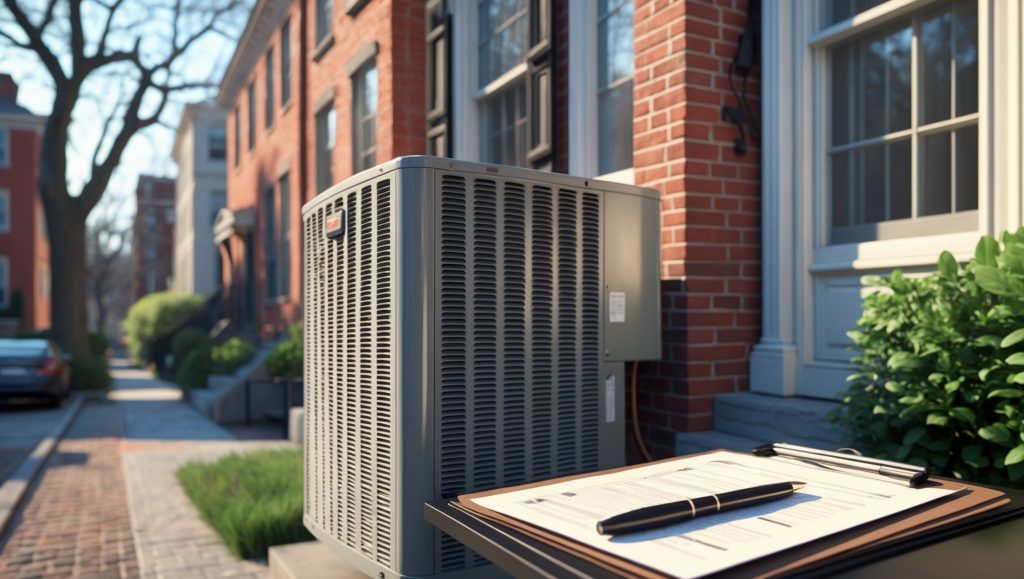
Introduction: Why HVAC Insurance Matters in Boston
Owning or managing property in Boston comes with unique responsibilities, especially when it comes to maintaining comfort and safety. Your HVAC system is one of the most critical investments in your home or business—ensuring year-round comfort, indoor air quality, and energy efficiency. But while regular maintenance and timely upgrades are priorities, many Boston property owners overlook an equally crucial component: adequate insurance coverage for their HVAC systems.
From unpredictable coastal weather to the city’s dense urban environment, Boston presents a range of risks that can threaten your HVAC investment. Severe winter storms, summer heatwaves, basement floods, and even accidental damage during renovations can all lead to costly repairs or replacements. Without the right insurance policies in place, you could be left footing the bill for damages or even facing liability claims if an HVAC mishap impacts tenants, employees, or neighbors.
This comprehensive guide will walk you through the essentials of HVAC insurance for Boston homes and businesses. You’ll learn which policies matter most, how to evaluate your risk factors, what coverage exclusions to watch for, and practical steps to ensure your HVAC system—and your property—are truly protected.
Understanding the Types of HVAC Insurance Coverage
1. Homeowners Insurance and HVAC Systems
Most Boston homeowners rely on standard homeowners insurance to protect their property, but not all policies treat HVAC systems the same way. Typically, homeowners insurance covers HVAC units as part of the dwelling structure. This means you’re protected against covered perils such as fire, certain types of water damage, vandalism, and theft. However, common maintenance issues, gradual wear and tear, or breakdowns due to age are generally excluded.
Key points to check in your policy:
- Named Perils vs. All-Risk: Is your policy limited to specific events, or does it offer broader protection?
- Coverage Limits: Does your coverage reflect the replacement value of your current HVAC system?
- Flood and Earthquake Exclusions: Standard policies rarely cover natural disasters like floods or earthquakes, both of which can impact Boston properties.
2. Commercial Property Insurance for Business HVAC
Boston business owners—whether managing an office, restaurant, or retail space—should review their commercial property insurance for HVAC coverage. Commercial policies typically cover physical damage to equipment from fire, storms, or vandalism. However, just like residential policies, exclusions for gradual damage, mechanical breakdown, or improper installation often apply.
Special considerations for businesses:
- Business Interruption Insurance: Loss of heating or cooling can force a temporary closure. Does your policy cover loss of income during downtime?
- Equipment Breakdown Coverage: Sometimes called “boiler and machinery” insurance, this optional add-on covers sudden, accidental mechanical or electrical breakdowns not caused by normal wear and tear.
- Tenant Improvements and Betterments: If you’ve upgraded your HVAC system in a leased space, make sure those improvements are covered.
3. Equipment Breakdown Insurance: Bridging the Gaps
Equipment breakdown insurance is one of the most overlooked protections for both homes and businesses. Unlike standard property insurance, this policy covers the cost to repair or replace HVAC systems after a mechanical failure, electrical short, compressor burnout, or even operator error.
Benefits include:
- Coverage for repair costs, labor, and even expedited shipping of replacement parts
- Protection from surges, electrical arcing, and motor burnout
- Potential coverage for loss of perishable goods or business income due to HVAC failure
4. Flood and Water Damage Insurance for Boston’s Climate
Boston’s coastal setting and aging infrastructure make water damage a common hazard—especially during nor’easters, heavy rains, or sudden thaws. Standard property policies generally exclude flood damage, so you’ll need a separate flood insurance policy for full protection.
Consider flood insurance if your HVAC system is located:
- In a basement or lower level
- Near known flood zones or areas with poor drainage
- In older buildings with outdated sump pumps or waterproofing
5. Liability Insurance: When HVAC Issues Impact Others
An HVAC malfunction can extend beyond property damage. For example, leaking refrigerant could harm tenants, or a failed heating system could result in health and safety complaints. General liability insurance protects you from third-party claims related to bodily injury or property damage caused by your HVAC system.
Evaluating Your HVAC Insurance Needs in Boston
1. Assessing Your Risk Factors
Every Boston property is unique, and your insurance needs should reflect your specific situation. Conduct a risk assessment by considering:
- Location: Are you near the coast, in a flood-prone area, or on a busy street?
- Building Age: Older properties may have outdated electrical or plumbing systems that increase HVAC risks.
- HVAC System Age and Type: Newer, high-efficiency units may be more expensive to replace. Does your system include specialized components like zoning controls or air purification?
- Occupancy: Single-family homes, multi-unit buildings, and commercial spaces each face different exposure levels.
2. Determining Adequate Coverage Limits
Review your current insurance policies and compare the coverage limits to the replacement and installation cost of your HVAC system. Don’t forget to factor in:
- Labor and emergency service premiums (especially during peak seasons)
- Upgrades for code compliance or energy efficiency
- Temporary heating or cooling solutions during repairs
3. Documenting Your HVAC System
Insurance claims are smoother when you have thorough documentation. Create a record that includes:
- Model and serial numbers of all components
- Purchase and installation receipts
- Warranty and service contracts
- Date-stamped photos of the unit and its location
This documentation can help prove the value of your system and streamline claims in the event of loss.
Common HVAC Insurance Exclusions and How to Avoid Pitfalls
1. Wear and Tear
Insurance policies do not cover HVAC failures due to normal aging, gradual deterioration, or lack of maintenance. Regular servicing is your best defense against denied claims. Keep records of professional tune-ups and filter changes, and follow manufacturer maintenance schedules.
2. Installation and Code Violations
If your HVAC system was installed without proper permits or fails to meet Boston’s building codes, insurers may deny claims related to improper installation. Always hire licensed, insured HVAC contractors familiar with local code requirements. After installation or major repairs, request documentation proving code compliance.
3. Negligence and Improper Use
Using incorrect filters, blocking air intakes, or ignoring warning signs can void coverage if an incident occurs. Educate all occupants (or staff, in commercial spaces) on safe HVAC operation and signs of trouble, such as unusual noises or reduced airflow.
4. Flood, Earthquake, and Other Natural Disasters
Standard insurance often excludes natural disasters. In Boston, consider purchasing separate flood insurance—especially if your HVAC is located below ground level. Earthquake insurance is less common but may be valuable if your property is at elevated risk.
5. Rodent and Pest Damage
Some policies exclude damage from rodents, insects, or birds, which can chew wires or nest in ductwork. Preventive pest control and regular inspections minimize these risks and show due diligence to your insurer.
Smart Strategies for Boston Property Owners
1. Bundle Coverage for Savings and Simplicity
Many insurers offer discounts when you bundle homeowners, equipment breakdown, and liability coverage. Review available packages and work with a local agent who understands Boston’s unique risks.
2. Schedule Regular HVAC Inspections
Annual or semi-annual professional inspections not only extend the life of your system but also document your commitment to maintenance. Some insurers even require proof of recent inspections before approving claims.
3. Keep Up with Boston’s Code and Permit Changes
The city updates building codes to reflect changes in technology and climate resilience. Subscribe to updates from Boston’s Inspectional Services Department, and ensure your HVAC contractor pulls the appropriate permits for any new installation or major upgrade.
4. Build a Trusted Service Network
Establish relationships with licensed HVAC contractors, electricians, and plumbers. In an emergency, quick access to reliable professionals can mean the difference between a minor inconvenience and a major loss. Keep their contact information with your insurance documents for easy reference.
5. Review Your Policy Annually
Boston’s dynamic real estate market means property values, risk factors, and local regulations can change quickly. Review your insurance policies every year—especially after major upgrades, renovations, or changes in occupancy—to ensure you’re not underinsured.
Frequently Asked Questions About HVAC Insurance in Boston
Does my homeowners insurance cover HVAC replacement due to age?
No. Standard policies exclude replacement due to normal wear and tear or aging. You need equipment breakdown coverage or a manufacturer’s warranty for these scenarios.
Will insurance pay for code-mandated upgrades when replacing an old HVAC system?
It depends. Some policies include “ordinance or law” coverage, which can help pay for code-required upgrades. Check your policy or discuss this option with your agent.
Are window air conditioners or portable units covered?
Coverage varies. Permanently installed systems are typically covered as part of the dwelling, but window and portable units may fall under personal property coverage with lower limits.
Can I get a discount for having a newer, high-efficiency HVAC system?
Some insurers offer discounts for systems with energy-efficient or safety features, like smart thermostats, leak detectors, or surge protection. Ask your agent what credits are available.
What should I do after an HVAC-related incident?
- Document all damage with photos and written descriptions.
- Contact your insurance company as soon as possible.
- Arrange for emergency repairs to prevent further damage if necessary.
- Keep receipts for repairs and temporary comfort solutions.
- Work with adjusters and contractors to ensure a fair settlement.
Conclusion: Safeguarding Your Comfort and Investment
Your HVAC system is the heartbeat of comfort in your Boston home or business—and protecting it goes beyond routine maintenance. Adequate insurance coverage is your safety net against the unexpected, from severe weather and electrical failures to accidents and liability claims. In a city known for its historic charm and unpredictable climate, a proactive approach to HVAC insurance can mean the difference between a manageable inconvenience and a devastating financial setback.
Start by understanding the specific perils your property faces. Review your existing policies for gaps, and consider adding equipment breakdown or flood coverage if your risk profile demands it. Work with insurance professionals who know the Boston market, and always keep documentation up to date. Above all, treat your HVAC system as the major investment it is—protecting not just the equipment, but the comfort, safety, and value of your property.
By taking these smart, practical steps, you’ll be well-equipped to weather any storm—literal or figurative—and enjoy year-round peace of mind. If you have questions about insuring your HVAC system, reach out to a local insurance agent familiar with Boston’s unique needs, and don’t wait until disaster strikes to secure the protection you need.