
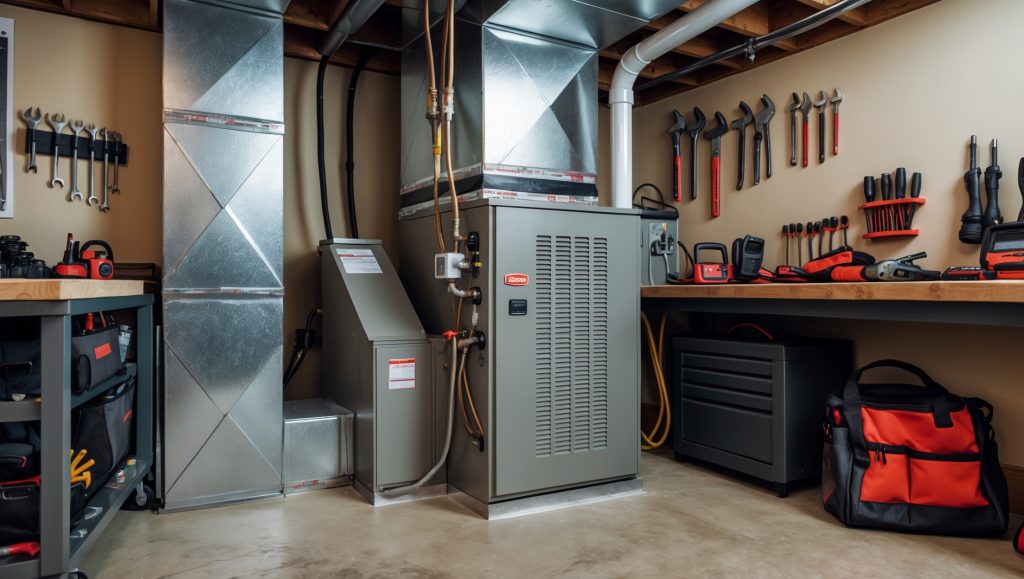
Introduction: Why Winter HVAC Maintenance Matters in Boston
Boston winters are legendary for their biting cold, heavy snow, and bone-chilling winds. If you’re a homeowner or property manager in the Greater Boston area, you know that a reliable heating system isn’t just about comfort—it’s about safety and peace of mind. Each year, as temperatures plummet, thousands of residents scramble to fix neglected HVAC systems, often facing expensive emergency repairs or uncomfortable days without heat. But here’s the good news: you can avoid most of these headaches with a proactive, comprehensive approach to seasonal HVAC maintenance.
This detailed checklist is tailored specifically for Boston’s climate and housing stock, addressing the unique challenges posed by our harsh winters and older buildings. We’ll walk you through every essential step, from inspecting your furnace and ductwork to prepping your thermostat and ensuring your home is properly insulated. Whether you’re a DIY enthusiast or prefer to hire a pro, these expert-backed tips will help you prevent breakdowns, optimize energy efficiency, and keep your household warm and safe all winter long.
Understanding Boston’s HVAC Challenges
How Boston’s Climate Impacts Your HVAC System
Boston’s average winter temperatures routinely dip below freezing, with wind chills that can make it feel even colder. These extreme conditions mean your heating system must work harder, increasing wear and tear. Add in coastal humidity, older housing stock with drafty windows, and the occasional Nor’easter, and you’ve got a recipe for HVAC stress. Regular, targeted maintenance is the best way to ensure your system can handle the load while keeping energy bills in check.
Common HVAC System Types in Boston Homes
- Forced Air Furnaces: Most common, using gas, oil, or electricity.
- Boilers: Popular in older homes, these use hot water or steam radiators.
- Heat Pumps: Growing in popularity, especially for energy-efficient retrofits.
- Ductless Mini-Splits: Often used as supplemental heat in renovations or additions.
Each system has unique maintenance needs, but some steps—like filter changes and thermostat checks—apply universally.
Essential Tools and Supplies for DIY Maintenance
- New HVAC air filters (correct size for your system)
- Vacuum with hose attachments
- Soft brush or microfiber cloth
- Flashlight or work light
- Screwdriver set
- Shop rags or paper towels
- Thermometer (for checking vent temperatures)
- Foam pipe insulation (for exposed pipes)
- Carbon monoxide detector (for combustion systems)
- Manufacturer’s manual (for model-specific guidance)
Before starting, turn off power to your HVAC system for safety. If you’re not comfortable with any step, consult a licensed HVAC professional in Boston.
Step-by-Step HVAC Maintenance Checklist for Boston Winters
1. Replace or Clean Air Filters
This is the single most important maintenance task. Dirty filters restrict airflow, forcing your system to work harder and reducing indoor air quality. In Boston’s heating season, check filters monthly and replace at least every three months—more often if you have pets, allergies, or a busy household.
2. Inspect and Clean Furnace Components
- Blower Assembly: Gently vacuum dust from the blower compartment.
- Burner (for gas/oil furnaces): Check for rust, soot buildup, or misaligned flames. Professional cleaning is recommended annually.
- Pilot Light or Ignition: Ensure steady blue flame (yellow/orange may indicate a problem).
- Heat Exchanger: Look for visible cracks or corrosion—call a pro if found.
3. Check and Seal Ductwork
Leaky ducts can lose up to 30% of heated air, driving up your bills and leaving rooms cold. In Boston’s older homes, ducts are often poorly sealed or insulated.
- Look for disconnected joints, holes, or crushed sections.
- Seal minor leaks with mastic sealant or metal tape (not standard duct tape).
- Insulate ducts running through unheated spaces with R-6 or higher duct insulation.
4. Test Thermostats and Controls
- Replace batteries in programmable thermostats.
- Check that the thermostat accurately reflects room temperature.
- Program a winter schedule to lower temperatures at night or when you’re away.
- Consider upgrading to a smart thermostat for even more savings.
5. Inspect Carbon Monoxide and Smoke Detectors
Combustion heating systems (gas, oil, or wood) produce carbon monoxide, a deadly, odorless gas. Boston code requires detectors near sleeping areas. Test all detectors, replace batteries, and consider installing new units if yours are over 7 years old.
6. Clear and Clean Vents, Registers, and Radiators
- Vacuum dust and pet hair from supply and return grilles.
- Ensure furniture, drapes, or rugs are not blocking airflow.
- For radiators, bleed trapped air and dust off surfaces for maximum efficiency.
7. Inspect Exhaust and Intake Pipes
- Check for blockages from snow, ice, leaves, or animal nests.
- Ensure exhaust pipes slope upward to prevent condensation backflow.
Blocked pipes can cause system shutdowns or dangerous carbon monoxide buildup, especially during Boston’s heavy snowfalls.
8. Insulate Exposed Pipes and Ducts
Frozen pipes are a costly, common winter emergency. Wrap any exposed water or hydronic heating pipes in unheated areas (like basements, crawlspaces, or garages) with foam pipe insulation. Likewise, insulate any ductwork in unconditioned spaces to reduce heat loss.
9. Check Humidifiers and Dehumidifiers
- Clean and replace humidifier pads or filters as needed.
- Set humidifier to 30-50% to balance comfort and prevent window condensation.
- Empty and clean dehumidifier tanks (if used in basements or crawlspaces).
10. Schedule Professional Annual Maintenance
Even the most diligent DIYer should have a licensed Boston HVAC technician perform a detailed inspection and tune-up every fall. This typically includes:
- Combustion analysis for gas/oil systems
- Measuring system efficiency
- Checking safety controls and electrical connections
- Lubricating moving parts as needed
- Inspecting for code compliance and potential hazards
This small investment often pays for itself in reduced repairs and lower heating bills.
Bonus Tips: Preparing Your Whole Home for Boston Winters
Seal Drafts and Improve Insulation
- Install weatherstripping around windows and doors.
- Use caulk to seal gaps in window frames, baseboards, and exterior walls.
- Upgrade attic and basement insulation for even temperatures.
Reverse Ceiling Fans
Set ceiling fans to spin clockwise on low to gently push warm air down from the ceiling, improving comfort and reducing heating costs.
Clear Outdoor Units and Combustion Air Intakes
- Remove leaves, snow, or debris from around heat pump or mini-split outdoor units.
- Keep a 3-foot clearance for optimal airflow and prevent ice buildup.
Update Emergency Preparedness
- Know how to shut off your HVAC system, fuel supply, and water lines in an emergency.
- Keep contact info for a trusted Boston HVAC contractor handy.
- Have backup heat sources (like portable electric heaters) ready, but use with care.
When to Call a Boston HVAC Professional
While many maintenance steps are DIY-friendly, some issues require expert attention. Contact a licensed technician if you notice:
- No heat or frequent cycling on/off
- Unusual noises (banging, squealing, grinding)
- Uneven heating or persistent cold spots
- Unexplained increases in energy bills
- Visible water leaks, rust, or corrosion
- Carbon monoxide detector alarms
Professional maintenance is especially important for gas and oil systems, older equipment, or if your home has unique features like historic radiators or multi-zone setups.
Frequently Asked Questions About Boston HVAC Maintenance
How often should I service my heating system?
At minimum, schedule professional maintenance once a year in the fall. Change or clean filters monthly during the heating season.
What’s the average cost for a Boston HVAC tune-up?
Expect to pay between $150–$300 for a standard furnace or boiler tune-up. Additional repairs or parts may increase the cost, but regular service usually prevents expensive breakdowns.
Are there energy rebates for upgrading my HVAC in Boston?
Yes! Mass Save and other programs offer rebates for high-efficiency heating systems, smart thermostats, insulation, and more. Check with your utility or visit the Mass Save website for current offers.
Conclusion: Stay Warm, Safe, and Stress-Free This Winter
Preparing your HVAC system for winter in Boston isn’t just a seasonal chore—it’s a smart investment in your home’s comfort, safety, and long-term value. By following this detailed maintenance checklist, you’ll dramatically reduce the risk of mid-winter breakdowns, save on heating costs, and enjoy cleaner, healthier indoor air. Whether you handle the basics yourself or rely on a trusted local technician, proactive care ensures your heating system can rise to the challenge of even the harshest Boston weather.
Remember: start early, stay consistent, and don’t ignore warning signs. The small amount of time and money you spend on maintenance now can pay off in lower bills, fewer emergency calls, and a winter season where you can relax, knowing your home is ready for whatever Mother Nature has in store. For Boston’s unique mix of historic properties and modern upgrades, this checklist is your blueprint to a safer, warmer, and more comfortable winter. Don’t wait until the first frost or the next Nor’easter—begin your HVAC winter prep today, and enjoy peace of mind all season long.
My heat pump struggled to keep up last winter during a Nor’easter. Based on your checklist, are there preventative steps I can take this fall to ensure my system won’t fail when it gets that cold again?
Absolutely, there are several steps you can take this fall to help your heat pump perform better during extreme cold. From the checklist, make sure to clean or replace your air filters, clear any debris from around the outdoor unit, and schedule a professional inspection to check for refrigerant issues and electrical connections. Also, check your thermostat settings and consider a backup heat source if extremely low temperatures are expected.
You mentioned that Boston’s older homes often have drafty windows that put extra stress on the heating system. Are there any specific insulation upgrades or quick fixes you recommend before winter that won’t break the bank?
Absolutely, there are several cost-effective ways to boost insulation in older Boston homes. Adding weatherstripping around windows and doors can seal gaps where warm air escapes. You might also use window insulation film, which is affordable and easy to install. Draft stoppers for doors and thick curtains can help keep heat in as well. These small upgrades can make a noticeable difference in comfort and energy bills over the winter.
For older Boston homes with steam radiators, are there any particular signs of wear or issues I should be looking for during seasonal maintenance that might not be obvious to a homeowner used to forced air systems?
For older homes with steam radiators, keep an eye out for signs like uneven heating, banging noises (often called ‘water hammer’), leaking valves, or rust around the radiator and pipes. Check the radiator vents for blockages and make sure the system’s water level is correct. Unlike forced air, steam systems rely on proper pressure and venting, so unusual noises or cold spots can signal a problem needing attention.
For someone on a tight budget, what would you say are the absolute must-do maintenance tasks from your checklist that will have the biggest impact on preventing costly breakdowns during Boston winters?
If you’re prioritizing on a budget, focus on changing or cleaning your HVAC air filter, making sure vents and registers are clear, and checking your thermostat for proper function. Also, ensure that outdoor units are free of leaves and debris. These simple steps can go a long way in preventing major issues and keeping your system running efficiently through Boston’s cold winters.
If I’m on a tight budget, which items on your checklist do you consider absolutely essential to prevent emergency HVAC breakdowns during a Boston winter?
If budget is tight, focus first on replacing or cleaning air filters, checking your thermostat settings, and ensuring vents aren’t blocked. Also, make sure your outdoor unit is clear of debris and that carbon monoxide detectors are working. These basics help prevent the most common breakdowns and keep your system running safely through a Boston winter.
When it comes to prepping a forced air furnace for a Boston winter, what are the most important DIY tasks a homeowner should handle versus what really needs a professional? I’m trying to keep my maintenance budget in check this year.
For a forced air furnace, you can handle basic tasks like replacing or cleaning the air filter, making sure vents are unobstructed, dusting registers, and checking that your thermostat works. Also, clear any debris around your furnace. However, it’s best to leave inspecting the heat exchanger, testing for carbon monoxide, checking electrical connections, and deep cleaning internal components to a professional. This keeps your system safe and running efficiently, while minimizing costs.
I’m in an older Boston building with drafty windows and I’m worried my furnace will be working overtime. Besides HVAC checks, do you have practical tips for dealing with drafts or improving insulation on a student budget?
For drafty windows on a student budget, try using removable weatherstripping or window insulation film, which are affordable and easy to install. Rolling up towels or using draft stoppers at window sills can also help. Heavy curtains add insulation, and closing them at night keeps warmth in. Be sure to check for drafts around doors as well, and seal any gaps with inexpensive door sweeps or additional weatherstripping.
How soon before the cold really sets in does it make sense to start this maintenance checklist? Is there a risk in waiting until late fall or should I prioritize some tasks earlier?
It’s best to begin your HVAC maintenance checklist in early to mid-fall, before temperatures drop significantly. This timing gives you flexibility to address any unexpected issues without risking discomfort or emergency repairs. Waiting until late fall can be risky—contractors get busier, and cold snaps may arrive earlier than expected. Prioritize tasks like filter changes and system inspections early to ensure your heating is reliable when you need it most.
I’m concerned about high energy bills during Boston winters. Which of the listed maintenance steps offers the best return on investment for improving overall heating efficiency in an older house?
Sealing and insulating ductwork, as well as replacing or cleaning air filters, generally offer the best return on investment for improving heating efficiency in older homes. These steps help ensure heated air circulates properly and reduces wasted energy. Having your furnace professionally serviced and thermostat calibrated also helps your system run more efficiently, which can lead to noticeable energy savings during the winter.
You mentioned that boilers are still common in older Boston houses. Are there specific maintenance steps homeowners should take for boilers before winter that differ from what’s recommended for forced air furnaces?
Yes, boiler maintenance does differ from forced air furnace upkeep. For boilers, it’s important to check for leaks in pipes and radiators, bleed radiators to remove trapped air, and ensure water pressure is within the recommended range. You should also have a professional inspect the expansion tank and safety valves. Unlike furnaces, boilers may also need their burners and heat exchangers cleaned for optimal efficiency.
I noticed that ductless systems are getting more popular. For a property owner considering upgrading from oil heat, how do heat pumps hold up during Boston’s coldest weeks compared to traditional furnaces?
Heat pumps, especially modern cold-climate models, are much more efficient than older versions and can keep homes comfortable even during Boston’s harsh winter weeks. However, during extreme cold snaps, their efficiency can drop, and a backup heat source like electric resistance heaters or a hybrid system with a furnace might be needed. Traditional furnaces (oil or gas) tend to provide more consistent heat output in sub-freezing temperatures, but heat pumps offer better energy efficiency overall and lower emissions.
For homeowners who prefer hiring a professional, when is the best time in the fall to schedule seasonal HVAC maintenance in Boston before service providers get booked up?
To avoid the seasonal rush and ensure your system is ready before cold weather hits, it’s best to schedule HVAC maintenance in early to mid-September. Service providers often book up quickly as temperatures drop, so booking your appointment at least a few weeks before October gives you more flexibility and helps prevent last-minute issues.
You mention prepping the thermostat as part of the maintenance routine—can you clarify what calibration or settings you recommend for programmable thermostats to optimize efficiency during those sub-freezing Boston nights?
To optimize efficiency with a programmable thermostat during Boston’s cold nights, set your temperature lower (around 60-62°F) while you sleep and higher (68-70°F) when you’re home and awake. Make sure your thermostat’s clock is accurate, and recalibrate it if the room temperature seems off. Also, check that your programmed schedule fits your household routine so the system isn’t heating an empty house.
With Boston getting hit by Nor’easters some winters, what should I do differently with my seasonal HVAC maintenance if I want to avoid emergency breakdowns during a major storm?
To prepare your HVAC system for Nor’easters, prioritize having a professional inspect and service your equipment before winter. Make sure outdoor units are clear of snow, ice, and debris, and consider installing a weatherproof cover. Check backup power sources, like generators, in case of outages. Replace filters and test your thermostat ahead of storms to ensure everything runs smoothly when you need it most.
If my forced air system is struggling to keep up on the coldest days, what’s the best troubleshooting step to try first before calling a technician in the middle of a snowstorm?
Before calling a technician, check your air filter first—if it’s clogged, restricted airflow can make your system struggle. Replace the filter if it’s dirty. Also, make sure all vents are open and unblocked by furniture or curtains. These simple steps often solve the issue and can help your system work more efficiently during those cold Boston days.
You talk about prepping thermostats as part of the pre-winter checklist. Are there specific settings or features on programmable thermostats that are especially useful for handling the temperature swings and Nor’easters we get in Boston?
Absolutely, programmable thermostats are ideal for Boston’s unpredictable winter weather. Useful features include setting multiple daily schedules to adjust for work and sleep hours, and using the ‘hold’ or ‘vacation’ mode during Nor’easters to maintain a steady temperature if you’re away. Also, look for adaptive recovery functions, which pre-heat your home before you wake up. These options help manage both comfort and energy efficiency during sudden cold snaps.
With all the stress Boston winters put on HVAC systems, what would you say is the ideal time in the fall to schedule professional maintenance before contractors get booked up or the first cold snap arrives?
The best time to schedule your HVAC maintenance in Boston is early to mid-September. At this point, contractors usually have more availability, and you’ll beat the rush that happens in October as temperatures start to drop. Scheduling then ensures your system is ready before the cold sets in and avoids delays if any repairs are needed.
With energy bills being a big concern, does your checklist include any low-cost or simple upgrades for better efficiency, or are most improvements more of an investment? Would love to know the top budget-friendly tips.
Our checklist highlights several low-cost steps to boost efficiency, such as replacing air filters, sealing windows and doors, cleaning vents, and adjusting your thermostat settings. These actions can make a noticeable difference in energy use without a big investment. For those willing to spend a bit more, upgrading to a programmable thermostat is another smart, budget-friendly option.
I’m a bit of a DIY person but not a pro. For things like prepping thermostats and checking ductwork, which tasks from your checklist can a homeowner safely handle themselves, and which are better left to an HVAC technician?
You can safely handle tasks like replacing air filters, cleaning air vents, adjusting thermostat settings, and making sure vents aren’t blocked by furniture. Checking and sealing visible ductwork leaks with foil tape is usually fine, but anything involving electrical components, refrigerant, or deeper inspection of the furnace or ducts should be left to a licensed HVAC technician for safety and proper maintenance.
Could you clarify how often I should be checking or changing my furnace filters during a typical Boston winter? With the forced air running nonstop, I worry about missing the right schedule and hurting efficiency.
During a typical Boston winter, it’s best to check your furnace filter every month, especially if your system is running frequently. For most homes, changing the filter every 1 to 3 months is recommended. If you notice the filter looking dirty or clogged before that time, go ahead and replace it sooner to keep your system running efficiently and maintain good air quality.
With the article mentioning that many Boston homes have older, drafty windows, how high a priority should window insulation and sealing be on my winter maintenance checklist compared to tasks like changing furnace filters or checking the thermostat?
Window insulation and sealing should be a high priority, especially in older Boston homes where drafts can significantly impact heating efficiency and comfort. While changing furnace filters and checking your thermostat are essential for system performance and safety, addressing windows can help prevent heat loss and reduce energy bills. Ideally, treat window sealing as equally important to other maintenance tasks for a well-balanced approach to winter readiness.
The article mentions prepping the thermostat before winter. Are there specific settings or programming recommendations to improve energy efficiency during really cold Boston nights?
To improve energy efficiency on cold Boston nights, set your thermostat to 68°F while you’re home and awake, then lower it by 7–10°F when you’re asleep or away. If you have a programmable thermostat, schedule these changes automatically. This helps reduce energy use without sacrificing comfort. Also, avoid frequent temperature changes—steady settings are more efficient.
You mention that heat pumps are becoming more popular for energy-efficient retrofits. How well do heat pumps generally handle the extreme cold and wind chills typical in Boston winters compared to traditional systems?
Heat pumps have improved a lot in recent years and many modern models designed for cold climates can handle Boston’s winter temperatures quite well. They are efficient down to around 5°F and some models work even lower. However, during severe cold snaps or extreme wind chills, their efficiency can drop, and you might notice less heat output compared to traditional gas furnaces. Many homeowners use a backup heat source, like electric resistance heat or a dual-fuel system, to ensure consistent comfort on the coldest days.
You mention prepping the thermostat as part of seasonal maintenance—do you recommend upgrading to a smart thermostat for Boston winters, or is that not necessary if my current one still works?
Upgrading to a smart thermostat isn’t strictly necessary if your current one works well, but it can offer some real benefits during Boston winters. Smart thermostats help you manage your heating more efficiently, often leading to energy savings and more consistent comfort. They also let you control settings remotely, which can be handy if your schedule changes or you travel. If you’re happy with your current thermostat and it keeps your home comfortable, upgrading is optional, but worth considering for added convenience and efficiency.
If I want to tackle some of this seasonal maintenance myself, are there steps on the checklist that absolutely require a professional, or is most of it safe for a careful DIY homeowner to handle?
Most of the maintenance steps, such as changing filters, cleaning vents, and checking thermostats, are safe for a careful DIY homeowner. However, tasks involving electrical systems, gas lines, or in-depth inspections of your furnace or heat exchanger should be handled by a licensed professional. This helps ensure your safety and keeps your system running efficiently.
For those with new heat pump installations, is there a specific part of your seasonal checklist that’s different from what’s needed for a traditional boiler or furnace system?
Yes, for homes with new heat pump installations, you should pay special attention to the outdoor unit. Make sure it’s free of leaves, snow, and debris, as airflow is key for heat pumps. Unlike boilers or furnaces, heat pumps require a clear exterior and should have their filters checked more frequently. Also, check the defrost mode functionality before winter sets in.
You mention both boilers and forced air furnaces as common in Boston homes. Are the maintenance steps for prepping a boiler system very different from those for a forced air furnace before winter?
Yes, the maintenance steps differ between boilers and forced air furnaces. For boilers, you’ll mainly focus on checking for leaks, inspecting the pressure, bleeding radiators, and making sure the pump and thermostat are working. For forced air furnaces, it’s important to replace or clean filters, check the blower and belts, inspect vents and ductwork, and test the thermostat. Both systems need a safety check, but each type has specific components to inspect before winter.
I noticed you mentioned prepping the thermostat as part of the checklist. Is there a preferred way to program it for Boston winters, or certain settings that can help maximize energy efficiency without sacrificing comfort?
For Boston winters, it’s best to set your thermostat to 68°F when you’re home and awake. Lower it by 7–10 degrees at night or when you’re away to save on heating costs. A programmable thermostat makes this easy—set a weekday schedule that reduces heat while you’re out or asleep, then brings it back up before you return or wake up. This keeps your home comfortable and energy efficient throughout the winter.
You mentioned heat pumps are becoming more popular in Boston—do they actually hold up well during those deep freezes in January, or do you usually recommend sticking with boilers and furnaces for most older properties?
Heat pumps have improved a lot and many newer models are designed to work even in Boston’s freezing winter temperatures. However, in older homes with less insulation, traditional boilers and furnaces often provide more reliable heat during extreme cold snaps. If you’re considering a heat pump for an older property, you may want to look into cold-climate models or use it alongside your existing system for extra peace of mind.
If someone is on a tight budget, which seasonal HVAC maintenance steps would you consider absolutely non-negotiable to prevent major breakdowns during Boston’s harsh winters?
If your budget is limited, focus on replacing or cleaning your furnace filter, checking that your thermostat is working properly, and making sure air vents are unobstructed. Also, have a professional inspect your furnace for safety and efficiency at least every other year. These steps help prevent costly breakdowns and keep your system running safely through Boston’s cold winters.
You mention that forced air furnaces, boilers, and heat pumps are common in Boston homes. Is there a different maintenance checklist or priority for these different systems, especially when it comes to preparing for those Nor’easter storms?
Yes, there are a few key differences in maintenance depending on your heating system. Forced air furnaces need filter changes and duct checks, while boilers require inspecting radiators and checking for leaks. Heat pumps should have both their indoor and outdoor units cleared and inspected. For Nor’easter storms, make sure vents, outdoor units, and exhaust pipes are clear of snow for all systems. If you have a boiler, also check for frozen pipes.
For those of us with boilers in older houses, are there specific signs we should watch for that indicate our system might not handle another Boston winter? I’m nervous about waiting until it breaks down in the middle of a cold snap.
Absolutely, older boilers need careful attention before winter. Watch for signs like unusual noises (banging or whistling), uneven heating in rooms, frequent need to add water, signs of leaks, rusting or corrosion on the boiler or pipes, and a sudden spike in energy bills. If you notice any of these, it’s wise to schedule a professional inspection before the cold weather sets in to avoid unexpected breakdowns.
With energy bills being a big concern in the winter, are there specific HVAC maintenance tasks from your checklist that provide the most noticeable impact on energy efficiency for Boston homeowners?
Absolutely, there are a few key tasks from the checklist that can really boost energy efficiency and help lower winter energy bills. Replacing or cleaning air filters is essential, as clogged filters make your system work harder. Sealing and insulating ductwork prevents heat loss, and checking your thermostat settings or upgrading to a programmable model can help regulate temperatures efficiently. Also, making sure all vents are unobstructed ensures even heating throughout your home.
You mentioned both DIY and professional maintenance options—could you clarify which parts of the checklist are safe for a homeowner to tackle themselves versus which really require a licensed HVAC technician, especially in older Boston homes?
Homeowners can safely handle tasks like changing air filters, cleaning vents, clearing debris from outdoor units, and checking thermostat settings. However, anything involving electrical components, refrigerant, inspecting or repairing burners, and in-depth system diagnostics should be left to a licensed HVAC technician—especially with older systems common in Boston, where wiring or components may not meet modern codes.
You mentioned prepping the thermostat as part of winter HVAC maintenance. Is it worth upgrading to a smart thermostat in an old Boston home, or would that not make a noticeable difference in energy efficiency?
Upgrading to a smart thermostat can definitely make a difference, even in an older Boston home. Smart thermostats help optimize heating schedules and adjust settings automatically, which can reduce energy waste. Many homeowners notice lower utility bills and more consistent comfort. Just make sure your HVAC system is compatible, but most setups can accommodate a modern smart thermostat with minor adjustments.
The article mentions prepping thermostats and checking insulation as part of the checklist. For a business that keeps odd hours and has lots of foot traffic, what’s the most efficient way to optimize our energy use and prevent heat loss during winter?
For a business with irregular hours and high foot traffic, a programmable or smart thermostat is ideal. Set heating schedules around your business hours to avoid unnecessary heating when closed. Consider zoning to control temperatures in different areas. Use door closers and weather stripping to minimize heat loss at entrances, and check insulation around windows and doors frequently. Regularly review your energy use and adjust settings as needed to balance comfort and efficiency.
With Boston’s older homes and drafty windows, how often should I check for insulation gaps around windows and doors during my HVAC maintenance routine? Are there specific products or quick fixes you recommend for homeowners who aren’t ready to invest in full window replacements?
It’s wise to check for insulation gaps around windows and doors at least twice a year—ideally before winter and again before summer. For quick fixes, weatherstripping tape and draft stoppers are easy to install and effective. Applying clear caulk to seal small gaps also helps, and removable plastic window insulation kits can add another layer of protection during colder months.
If someone is on a tight budget and can only prioritize a few items from your HVAC winter checklist, which tasks would you say are absolutely essential to prevent emergency breakdowns in the Boston climate?
If you’re on a tight budget, focus on changing or cleaning your air filter, checking your thermostat for proper function, and making sure vents and registers are clear of obstructions. Also, ensure your furnace turns on and heats as expected. These steps are critical in Boston’s winters and help prevent the most common emergency breakdowns.
With Boston’s winters often bringing heavy snow and high humidity, how often should I really be changing my furnace filter to keep my forced air system running smoothly? Is monthly enough, or should I do it more frequently?
In Boston’s climate, changing your furnace filter every month during the heating season is generally recommended, especially if you have pets or allergies. However, if you notice the filter gets dirty more quickly due to heavy snow or high humidity, consider checking it every few weeks. Replace it whenever it looks clogged to keep your system running efficiently.
Boston winters can be unpredictable with sudden cold snaps. How often would you recommend checking on the HVAC system throughout the winter months, not just before the season starts?
During Boston’s unpredictable winters, it’s smart to check your HVAC system at least once a month. Look out for unusual noises, airflow issues, or thermostat irregularities. Change or inspect your air filters monthly and make sure vents aren’t blocked. If you notice anything unusual, schedule a professional checkup right away—this helps prevent bigger problems during those harsh cold snaps.
How early in the fall should homeowners in the Boston area ideally start their HVAC maintenance routines to ensure everything is ready before the winter weather hits full force?
Homeowners in the Boston area should aim to start their HVAC maintenance routines in early to mid-September. This timing allows enough flexibility to address any issues or repairs before temperatures drop and HVAC professionals get busy. Scheduling your maintenance early ensures your system is ready to handle the first cold snap without any surprises.
For older Boston homes with steam radiators, are there any special maintenance steps beyond bleeding the radiators and checking pipes for leaks that should be included in a winter checklist?
Yes, for older Boston homes with steam radiators, it’s wise to also check the radiator valves for proper operation, ensure the steam vents are clean and not clogged, and inspect the boiler’s water level and pressure gauge regularly. It’s also a good idea to have the boiler professionally serviced and to look for any signs of rust or corrosion on radiator surfaces.
The article brings up prepping your thermostat. Could you clarify what that involves? Is it just about setting the right temperature, or are there specific settings or upgrades I should consider to maximize efficiency during Boston winters?
Prepping your thermostat involves more than just setting the right temperature. It’s a good idea to check that your thermostat is working properly and consider switching to a programmable or smart thermostat if you haven’t already. These allow you to set schedules that match your routine, lowering heat when you’re away or asleep, which helps save on energy bills. Also, make sure your thermostat is located away from drafts and direct sunlight to get accurate readings.
You mentioned that heat pumps are becoming more popular for energy efficiency. Are there specific maintenance recommendations for heat pumps in Boston’s cold winters compared to traditional furnaces?
Yes, heat pumps do need some special attention in Boston’s cold winters. Unlike furnaces, heat pumps rely on airflow outside, so it’s important to keep the outdoor unit clear of snow and ice. Check and clean the filters monthly, and make sure the coils are free of debris. Also, schedule a professional inspection before each winter to ensure the defrost cycle is working properly and that the refrigerant levels are correct for efficient performance in colder temperatures.
If I want to hire a professional for seasonal HVAC maintenance, is there a typical timeframe or lead time in Boston before winter when I should book an appointment, considering how busy contractors get?
In Boston, HVAC professionals tend to get booked up quickly as fall approaches, especially in September and October. It’s wise to schedule your seasonal maintenance at least 4 to 6 weeks before you want the work done. Booking early ensures you get your preferred date and avoids last-minute rushes as winter nears.
I run a small property management company in the Boston area, and many of my units have older boilers. Are there any specific maintenance steps for steam radiator systems that differ from forced air or heat pump systems, especially given how hard our winters can get?
For steam radiator systems, there are a few unique maintenance steps compared to forced air or heat pump systems. It’s important to regularly check the water level in the boiler, drain sediment from the low-water cutoff, and ensure radiator air vents are not clogged. Also, look for leaks in pipes and valves, and make sure the pressure relief valve is functioning properly. Annual professional inspections are crucial, especially with Boston’s harsh winters, to prevent breakdowns and ensure safety.
If someone discovers their furnace or boiler needs repairs during this checklist process, what are the recommended next steps to avoid being without heat during a cold snap? Are there emergency resources available specific to Boston residents?
If you find your furnace or boiler needs repairs, it’s best to contact a licensed HVAC technician right away to schedule service before temperatures drop further. Many Boston HVAC companies offer emergency repair services, especially in the winter. You can also check with the City of Boston for heating assistance programs or emergency resources if you’re unable to afford repairs. Don’t delay, as repair wait times increase during cold snaps.
You mentioned both DIY steps and hiring a pro—can you clarify which maintenance tasks are realistically safe and effective for homeowners to handle themselves versus what should always be left to an HVAC technician?
Homeowners can safely handle tasks like changing air filters, cleaning vents, clearing debris from outdoor units, and making sure thermostat batteries are fresh. These are straightforward and help system efficiency. Anything involving electrical components, refrigerant, inspecting heat exchangers, or deep system cleaning is best left to licensed HVAC technicians, since these require specialized skills and can affect safety and system warranties.
I’m trying to keep my winter HVAC budget in check after moving into an older house. Are there any maintenance tasks from your list that truly require a pro, or can a DIY enthusiast safely handle most of them with the right guidance?
Most basic HVAC maintenance tasks, like replacing air filters, cleaning vents, and checking thermostat settings, can be handled by a handy DIYer. However, anything involving electrical components, inspecting heat exchangers, or servicing gas connections is best left to a professional for safety reasons. Tuning burners or checking for carbon monoxide leaks should always be done by a licensed technician. Regular DIY care helps, but schedule a professional inspection before winter for peace of mind.
I’ve got an older home in Boston with a forced air furnace that runs on oil. The article mentions ductwork inspections—how do I check for leaks or issues myself before winter, and when should I call in a professional?
To check your ductwork, look for visible gaps, loose connections, or rust along the ducts, especially near joints. Feel for air escaping while the system is running, and listen for whistling sounds. Use a flashlight to spot dust trails, which can indicate leaks. If you find major gaps, damaged ducts, or persistent airflow issues, it’s best to call a professional for a thorough inspection and repair before winter.
The checklist is helpful, but I’m on a tight budget this year. Out of all the recommended maintenance tasks, which ones are absolutely critical to avoid emergency repairs in the middle of winter?
Focusing on the essentials is a smart move. Make sure to change or clean your furnace filter, check that your thermostat is working properly, and test your heating system before the cold really sets in. Also, ensure that vents and exhausts are clear of debris. These basic steps can prevent the most common issues that lead to emergency repairs during winter.
With how tough Boston winters can be, do you have any advice on the most cost-effective ways to improve insulation or prevent drafts without doing a huge renovation? I’m worried about energy bills going up from all the extra HVAC use.
Absolutely, there are several budget-friendly ways to boost insulation and cut drafts. Use weatherstripping or door sweeps on exterior doors and apply caulk around windows to seal gaps. Adding thermal curtains can help retain heat. For older windows, using clear plastic film kits is an easy DIY option that makes a noticeable difference. Even simple steps like keeping furniture away from vents and closing unused room doors can help your HVAC work more efficiently.