
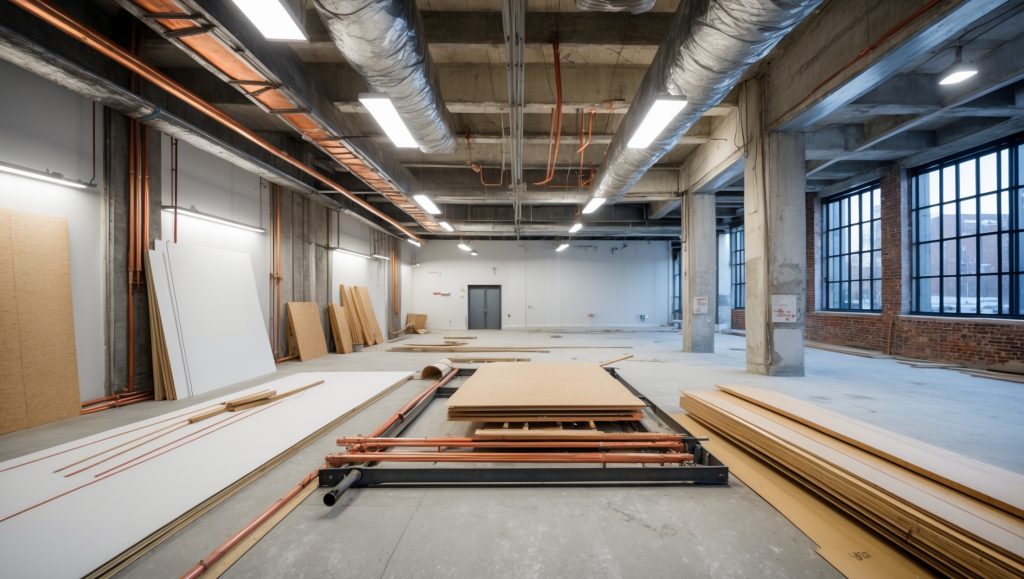
Introduction: Why Your Boston Commercial HVAC Needs Special Attention During Renovations
Renovating a commercial property in Boston isn’t just about new paint, updated lighting, or modernized layouts. Your HVAC system—the backbone of your building’s comfort and air quality—deserves careful planning before, during, and after any renovation project. Overlooking HVAC considerations can lead to unexpected costs, regulatory headaches, inefficient operation, and even shutdowns of your newly revamped space.
This comprehensive guide walks Boston business owners, property managers, and renovation teams step-by-step through preparing, protecting, and optimizing commercial HVAC systems during renovation projects. Whether you’re updating an office, retail store, restaurant, or multi-use building, these strategies help avoid costly mistakes, ensure code compliance, and set the stage for long-term comfort and efficiency.
Our approach is tailored to Boston’s unique mix of historic structures and modern builds, local permitting requirements, and the city’s distinct climate. Let’s make your renovation a success—without sacrificing indoor comfort or running into avoidable HVAC pitfalls.
Assessing Your Current HVAC System
Understand Your Existing Setup
Before demolition begins, map out your current HVAC system:
- Locate equipment: Identify all furnaces, air handlers, condensers, ventilation units, and thermostats on site.
- Review schematics: Gather system diagrams, duct layouts, and zone maps. If unavailable, have a professional create them.
- Document age & condition: Note the age and maintenance history of all major components. Old or underperforming units may warrant replacement during renovation.
- Evaluate capacity: Consider current load versus planned occupancy or use. Will the renovated space have more people, equipment, or heat-producing activities?
Identify Weak Points and Opportunities
Look for signs your HVAC may need upgrades or repairs:
- Inconsistent temperatures or poor air distribution
- Frequent breakdowns or excessive noise
- Outdated controls or inefficient equipment
- Visible duct leaks, rust, or insulation gaps
Work with a licensed Boston HVAC contractor to perform a full assessment. This pre-renovation audit forms the foundation for smart decisions throughout your project.
Planning: Integrating HVAC Into Your Renovation Strategy
Collaborate Early With Your HVAC Team
Involve your HVAC professional at the earliest design and planning stages. This avoids costly design clashes—like new walls blocking ducts, or equipment rooms that are too small for code-required clearances.
- Review blueprints together: Ensure HVAC pathways and access points remain unblocked.
- Plan for equipment upgrades: Consider higher-efficiency systems, new zoning, or smart controls that match the building’s new layout.
- Evaluate ventilation needs: New uses (e.g., adding a kitchen, gym, or lab) may require fresh air intakes, exhaust fans, or air purification upgrades.
Budgeting for HVAC Work
HVAC costs in Boston renovations can range widely depending on system size, building age, and project scope. Account for:
- Temporary system shutdowns and alternate heating/cooling
- Permits and inspections
- Potential ductwork rerouting or resizing
- Upgrading to meet current energy codes
- Hazardous material abatement (e.g., asbestos in old duct insulation)
Add a 10-20% contingency for unforeseen HVAC issues discovered during demolition.
Protecting HVAC Equipment and Indoor Air Quality During Construction
Isolate and Shield Equipment
Dust, debris, and construction materials can cause lasting HVAC damage. Take these steps:
- Turn off systems during heavy demolition: Running HVAC can draw dust deep into equipment and ducts.
- Seal registers and grilles: Use plastic sheeting and tape to block supply and return openings in work zones.
- Cover exposed equipment: Protect air handlers, furnaces, and condensers with breathable covers.
- Enclose work areas: Temporary plastic barriers limit dust migration to occupied or finished spaces.
Maintain Safe Indoor Air Quality
Boston regulations mandate safe air quality in occupied buildings, even during renovations. Strategies include:
- Use portable HEPA air scrubbers for high-dust activities
- Ventilate with outdoor air when possible
- Monitor for volatile organic compounds (VOCs) and other contaminants if paints, adhesives, or solvents are used
- Replace all air filters once work is complete
For buildings remaining occupied during renovations, schedule work in phases to minimize disruption and ensure continuous ventilation.
Retrofitting and Upgrading HVAC Systems During Renovations
When Should You Upgrade?
Renovations offer a prime opportunity to modernize your HVAC. Consider upgrades if:
- Your system is more than 15 years old
- Energy bills are high or rising
- Space use is changing dramatically (e.g., more people, different occupancy patterns)
- You want to improve sustainability or meet LEED criteria
Popular HVAC Upgrades for Boston Commercial Properties
- High-efficiency rooftop units: Lower energy costs and may qualify for Mass Save incentives.
- Variable refrigerant flow (VRF) systems: Flexible, zoned comfort for multi-tenant or multi-use buildings.
- Demand-controlled ventilation: Adjusts fresh air based on occupancy, boosting IAQ and energy savings.
- Smart thermostats and building automation: Enables remote monitoring, scheduling, and fault alerts.
- UV-C air purification: Reduces airborne pathogens—an increasing demand post-COVID-19.
Discuss available rebates and tax credits with your HVAC contractor and general contractor to offset upgrade costs.
Navigating Boston Permits and Code Compliance
Understand the Local Requirements
Boston’s Building Department requires permits for most commercial HVAC work, especially if:
- You’re relocating or replacing equipment
- Major ductwork modifications are planned
- The renovation alters fire/life safety systems (e.g., adding fire dampers)
Ask your contractor to secure the correct mechanical, electrical, and plumbing permits. Inspections are required for final sign-off and occupancy certificates. Keep all documentation and inspection reports for future reference.
Special Considerations for Historic Buildings
Many Boston properties are subject to historic preservation guidelines. HVAC upgrades must:
- Minimize exterior changes (e.g., rooftop units may need screening)
- Avoid damaging historical features or finishes
- Meet energy and ventilation codes without altering protected structures
Work closely with your architect, HVAC specialist, and the Boston Landmarks Commission to avoid project delays and penalties.
Post-Renovation: Testing, Commissioning, and Maintenance
Test and Balance the System
Once renovation work is complete, a thorough test and balance (TAB) process is essential:
- Airflow verification: Measure supply and return airflows at grilles and diffusers; adjust dampers as needed.
- Temperature checks: Confirm consistent heating and cooling in all zones.
- Controls calibration: Ensure thermostats, sensors, and automation systems work as designed.
Require your HVAC contractor to provide a TAB report and demonstrate system performance before accepting final delivery.
Recommissioning and Training
Modern HVAC systems offer advanced features, but only if users are trained. Request:
- Hands-on training for building managers or staff
- Clear documentation and maintenance schedules
- Emergency procedures for HVAC-related issues
Establish a Preventive Maintenance Plan
Renovation resets the clock on your building’s systems. Set up a proactive maintenance schedule, including:
- Regular filter changes and coil cleaning
- Annual professional inspections
- Seasonal checks before Boston’s extreme winters and humid summers
- Monitoring energy consumption for early warning of problems
Consider a service contract with your HVAC provider for priority response and discounted repairs.
Cost-Saving Tips and Incentives
Take Advantage of Local Rebates
Massachusetts offers generous incentives for energy-efficient HVAC upgrades through programs like Mass Save. Eligible improvements may include:
- High-efficiency air conditioners and heat pumps
- Energy recovery ventilators (ERVs)
- Advanced building controls
Your HVAC contractor can help identify qualifying projects and handle rebate paperwork.
Minimize Downtime and Revenue Loss
Plan HVAC work to coincide with off-hours, holidays, or slower business periods. Temporary heating/cooling solutions can keep your space usable if work must occur during business hours.
Common Pitfalls to Avoid
- Failing to coordinate HVAC work with other trades, leading to schedule bottlenecks
- Reusing undersized or damaged ductwork that undercuts system performance
- Neglecting permit requirements and facing costly rework or delays
- Skipping final testing and commissioning, resulting in hidden comfort or efficiency problems
- Forgetting to update maintenance plans to match new equipment and controls
Conclusion: Setting Up Your Boston Business for Long-Term Comfort and Success
Renovating your commercial property in Boston is an investment in the future of your business or organization. By putting HVAC preparation and protection at the forefront of your planning, you avoid costly surprises and ensure that your indoor environment matches your investment in aesthetics and functionality.
From initial assessment to post-renovation commissioning, every stage offers opportunities to improve comfort, air quality, and energy efficiency. Working closely with experienced local HVAC professionals, staying proactive with maintenance, and leveraging available incentives means your upgraded space will serve staff and customers reliably through Boston’s notorious winters and humid summers.
Don’t let your HVAC system become an afterthought. Make it a strategic part of your renovation, and you’ll enjoy the benefits of a healthier, more productive, and more profitable space for years to come. Whether you manage a boutique, a restaurant, an office, or a mixed-use building, these steps ensure your renovation delivers on every front—comfort, compliance, and cost control.
If an evaluation reveals that the HVAC system is underperforming but a full replacement isn’t in the budget, what temporary improvements or safeguards would you recommend to maintain comfort and code compliance during and after renovation?
If a full HVAC replacement isn’t possible right now, you can take several steps to boost performance and maintain code compliance. Clean or replace air filters regularly, seal ductwork leaks, and service moving parts to improve efficiency. Temporary portable heaters or coolers can help manage comfort during renovations. Also, ensure ventilation rates meet local codes and consider rebalancing the system after renovation to address any airflow changes.
How does increasing the number of occupants or adding new heat-producing equipment in a workspace affect the HVAC capacity needs? Is there a rule of thumb for recalculating load requirements during renovations?
Adding more occupants or heat-producing equipment increases the overall heat load in a workspace. This means your HVAC system may need a higher capacity to maintain comfortable temperatures and good air quality. A common rule of thumb is to add about 400 BTUs per person and account for the specific wattage of new equipment. However, for accurate results during renovations, it’s best to have a professional perform a detailed load calculation tailored to your updated space.
If our office renovation will increase the number of employees and computers, how can we figure out if our current HVAC capacity is adequate, or if we’ll need a complete system upgrade?
To determine if your current HVAC system can handle the added employees and computers, you’ll need a load calculation. This assessment considers heat generated by people and equipment, room size, and airflow. An HVAC professional can perform this analysis, suggest if your system needs upgrades, or recommend enhancements like zoning or supplemental cooling to maintain comfort and efficiency.
Could you elaborate on what’s typically involved in gathering local permitting requirements for HVAC updates in historic Boston buildings? Are there particular permits or inspections property owners should be aware of before starting renovations?
Gathering local permitting requirements for HVAC updates in historic Boston buildings usually involves checking with the Boston Inspectional Services Department and sometimes the Boston Landmarks Commission. Property owners should expect to obtain mechanical and building permits, and, for historic properties, a Certificate of Appropriateness. Inspections are required both during and after installation to ensure compliance. It’s important to consult with city officials early to confirm which permits and approvals are needed before beginning any work.
Could you elaborate on any Boston-specific permitting requirements that business owners should be aware of when working with historic buildings and updating their HVAC systems during renovations?
When renovating historic buildings in Boston and updating HVAC systems, business owners must work closely with the Boston Landmarks Commission. Any exterior changes, including rooftop units or vents, usually require design review and a Certificate of Appropriateness. In addition, mechanical and building permits from the Inspectional Services Department are mandatory. Always confirm requirements early to avoid project delays, as approvals for historic properties can take longer than standard permits.
How do you recommend coordinating HVAC upgrades with other contractors during a renovation, especially in older Boston buildings with complex layouts or limited access to existing schematics?
For older Boston buildings, it’s smart to begin with a joint walkthrough involving your HVAC contractor and the other trades. Open communication is key—share timelines, discuss access challenges, and coordinate work sequences early. If schematics are missing, consider non-invasive inspection methods like cameras or tracers to map existing systems together. Regular coordination meetings help prevent surprises and keep everyone aligned as the renovation progresses.
If the planned renovation increases the number of occupants or heat-generating equipment in a space, how do you determine whether the current HVAC system has enough capacity before committing to a full system upgrade?
To determine if your current HVAC system can handle increased occupants or equipment, start with a load calculation, often called a Manual J (for residential) or Manual N (for commercial) analysis. An HVAC professional will assess heat loads based on your new space layout and usage plans. This helps identify whether your existing system can meet demand or if targeted upgrades—like improved ventilation or supplementary units—are needed instead of a full replacement.
How do you recommend handling HVAC upgrades in older Boston buildings that might not have up-to-date schematics or zone maps available? Is creating new diagrams a big cost or time commitment during commercial renovations?
When upgrading HVAC in older Boston buildings without current schematics or zone maps, it’s common to survey and document the existing system first. Creating new diagrams does add some cost and time, but it’s usually a worthwhile investment for smooth renovations and future maintenance. Modern tools allow for efficient mapping, so while it’s an extra step, it typically won’t be the biggest part of your budget or timeline.
Since Boston has a lot of historic properties, are there special HVAC considerations or code requirements I should be aware of if my building is over 100 years old and I’m planning a major renovation?
Yes, renovating HVAC systems in Boston’s historic buildings often involves extra steps. Older properties may have restrictions to preserve historical features, which can limit where and how HVAC equipment is installed. The Boston Landmarks Commission or local historic boards may need to review your plans. Also, updated energy codes and ventilation standards must be followed, even in older structures. Consulting with an HVAC professional who has experience with historic buildings is highly recommended to ensure compliance and to protect the building’s character.
For business owners on a tight renovation budget, are there ways to prioritize which HVAC components need upgrading versus which can wait until later, especially if the system is functioning but a bit outdated?
Absolutely, prioritizing is key when budgets are tight. Focus first on components that directly affect energy efficiency and indoor air quality, such as filters, thermostats, and ductwork seals. If the main system is still reliable, you can often postpone replacing major equipment like compressors or air handlers. Regular maintenance and minor upgrades can extend your current system’s lifespan until a full upgrade is more affordable.
Your guide highlights evaluating the current HVAC load versus the planned occupancy after renovations. Could you share some examples of how business owners have misjudged this in the past and what consequences they faced?
Business owners often underestimate how increased staff or equipment after renovations can overload their existing HVAC system. For example, one office expanded their workspace but didn’t upgrade their HVAC, resulting in poor air circulation and uncomfortable temperatures, which affected employee productivity. In another case, a restaurant added seating but didn’t account for the extra heat load, leading to frequent HVAC breakdowns and costly repairs. Accurate load calculations are essential to avoid these issues.
If my building is a historic structure in Boston, are there special HVAC code requirements or permits I need to be aware of that might not apply to newer buildings?
Yes, historic buildings in Boston often have additional HVAC code requirements and permitting considerations compared to newer buildings. You may need approval from local historic commissions, and any HVAC upgrades must usually preserve the building’s architectural character. Permits might involve more detailed documentation, and equipment placement can be restricted to protect the historic appearance. It’s a good idea to consult both your local building department and the Boston Landmarks Commission early in your planning process.
How should renovation teams coordinate with HVAC professionals to prevent unexpected shutdowns or indoor air quality issues during construction? Any tips for scheduling or communication that work especially well in busy commercial settings?
Renovation teams should involve HVAC professionals in the planning stages to identify critical systems and timelines. Hold regular coordination meetings to align schedules, especially when work may impact ventilation or system operation. Use a shared calendar or project management platform to track key dates and responsibilities. Always communicate any changes in construction plans early, so HVAC experts can adjust their preparations and minimize downtime or air quality issues.
You mentioned documenting the age and maintenance history of HVAC components. If the previous owner didn’t keep good records, what’s the best way to assess equipment condition and whether it needs upgrading during renovations?
If records are missing, start by having a licensed HVAC professional perform a thorough inspection. They can assess wear, efficiency, and code compliance by examining model numbers, checking for visible damage, measuring energy output, and testing system performance. This evaluation will help you decide if upgrades are needed during your renovation, even without detailed maintenance history.
You mentioned reviewing schematics before demolition. What’s the best way to gather or recreate HVAC system diagrams if the original documentation doesn’t exist? Are there local services in Boston that specialize in this for commercial properties?
If original HVAC schematics aren’t available, you can have a licensed mechanical contractor perform a site survey. They’ll map out the current ductwork, equipment, and controls. In Boston, many commercial HVAC firms offer this service, including creating as-built diagrams. It’s also wise to check with the building’s previous contractors or property management, as they sometimes keep old records. An experienced local HVAC engineering consultant can also help recreate accurate system diagrams for renovation planning.
I’m planning to renovate a small retail space in an older Boston building, and I’m not sure how to find or read the existing HVAC schematics. If the previous owner never had them, what’s the best way for a beginner to get accurate diagrams or maps of the current system?
If original HVAC schematics aren’t available, you can start by hiring an HVAC professional to perform a site survey and map out your current system. They use specialized tools to trace ductwork, locate equipment, and identify airflow routes. This process results in updated diagrams that are accurate and tailored to your specific space, which is especially helpful for renovations in older buildings where records are often missing.
You mentioned avoiding shutdowns after renovation by careful HVAC planning—are there specific steps I should take during construction to keep the system protected from dust or debris?
Absolutely, protecting your HVAC system from dust and debris during construction is crucial. Seal off supply and return vents with plastic sheeting, and consider temporary filters to catch particles. If possible, turn off the system when dusty work is happening nearby. Regularly inspect and replace filters throughout the project. Also, ask contractors to keep construction zones isolated and clean to minimize airborne dust entering the system.
If my renovated space is going to have more people and equipment than before, how do I accurately estimate if my current HVAC system’s capacity will be enough, or if an upgrade is unavoidable?
To determine if your current HVAC system can handle the increased people and equipment, you’ll need to calculate the new heating and cooling loads. This involves factoring in the additional occupants, equipment output, and any changes in room layout or insulation. It’s best to have a professional HVAC contractor perform a load calculation (often called a Manual J or commercial equivalent) to ensure accuracy. This assessment will tell you if your existing system is sufficient or if an upgrade is necessary.
Can you explain more about Boston’s local permitting requirements for HVAC changes during commercial renovations? Are there specific city codes we need to watch out for that could delay our project?
Boston requires permits for most HVAC modifications in commercial spaces, including installations, replacements, and major repairs. You’ll need to apply through the Boston Inspectional Services Department. Key city codes to follow include the Massachusetts State Building Code and Boston’s Mechanical Code. Inspections are required at certain stages, and missing documentation or non-compliance with ventilation or energy efficiency standards can cause delays, so it’s best to review the codes in detail or consult with a licensed local contractor before starting work.
I’ve noticed uneven temperatures in parts of my retail space, and the article suggests that could be a sign repairs are needed. Should I try to fix these issues before starting the renovation, or can it wait until the work is underway?
It’s best to address uneven temperatures before starting your renovation. Tackling HVAC issues early can prevent complications during construction and help ensure your new layout is comfortable from the start. Repairs now can also reveal underlying problems that might be harder to fix once renovations begin. If you wait, you might face delays or unexpected costs during your project.
When evaluating the existing HVAC setup before starting a renovation, are there particular issues common to older buildings in Boston that owners should watch out for that might not be as big a concern in newer properties?
Older buildings in Boston often face unique HVAC challenges such as outdated ductwork, lack of proper insulation, presence of asbestos, and inefficient or obsolete equipment. There may also be issues with uneven heating and cooling due to building layouts that weren’t designed for modern systems. It’s wise to check for compliance with current codes, potential energy inefficiencies, and any hazardous materials that might require special handling during renovations.
If we’re renovating a historic Boston building with an older HVAC system, how do we figure out whether it’s better to replace everything or just upgrade certain components? Are there guidelines for what usually makes sense budget-wise?
To decide between replacing the whole HVAC system or upgrading parts of it in a historic building, start with a professional assessment of the current system’s age, efficiency, and code compliance. If the system is very outdated, replacement may offer greater energy savings and reliability. For budget decisions, compare the long-term costs of frequent repairs and higher energy use with the upfront investment of a new system. Consulting an HVAC professional familiar with historic buildings in Boston is the best way to weigh these factors and meet any preservation guidelines.
The article talks about the risks of regulatory headaches and code compliance specific to Boston. Are there particular HVAC permitting steps or city requirements that often get overlooked during commercial renovations?
One common oversight in Boston is not obtaining the correct mechanical permit for HVAC changes, especially when relocating or replacing major equipment. It’s also easy to miss the requirement for updated ductwork drawings and energy code compliance documentation. Coordinating inspections at each project phase is crucial, as skipping one can delay the sign-off. Always check for local amendments to codes, since Boston sometimes enforces stricter standards than the state baseline.
If temperature inconsistencies are already an issue, which diagnostic steps should be taken first before deciding between repair, upgrades, or full replacement as part of the renovation plan?
Before deciding how to address temperature inconsistencies, start by checking thermostat settings and placement, inspecting air filters for blockages, and examining ductwork for leaks or obstructions. It’s also wise to ensure vents are unblocked and functioning. After these basics, have a professional assess the system’s overall performance and capacity. This approach helps pinpoint whether targeted repairs, system upgrades, or a complete replacement is the best choice during your renovation.
After renovations, are there recommended procedures or timelines for post-project HVAC inspections to ensure everything operates efficiently and meets local regulations?
After renovations, it’s a good idea to schedule an HVAC inspection as soon as the project wraps up, before the space is fully occupied again. This ensures any dust or debris from construction is cleared and that the system is working efficiently. In Boston, inspections should also confirm the system meets updated local codes. Annual follow-up inspections are typically recommended, but your HVAC contractor may suggest more frequent checks depending on the extent of the renovation.
Could you elaborate on the types of unexpected costs that might come up if HVAC capacity is not reassessed before increasing occupancy or adding new equipment during renovations?
If HVAC capacity isn’t reassessed before increasing occupancy or adding equipment, unexpected costs can include emergency repairs for overworked components, higher utility bills from inefficient operation, and the need to replace undersized equipment sooner than expected. You might also face costs for retrofitting ductwork or electrical systems if the original setup can’t handle the new load. Proper assessment helps avoid these surprises.
When you say to gather HVAC system schematics and layouts ahead of renovations, what’s the best way to get these for an older Boston building if they’re missing or out of date? Is it expensive to have them recreated by a professional?
If your building’s HVAC schematics are missing or outdated, a licensed HVAC contractor or mechanical engineer can create new ones. The cost depends on building size and system complexity, but for older Boston properties, it’s a common and worthwhile investment. Some contractors may include this service as part of a renovation package, so it’s wise to get several quotes. Up-to-date schematics will save time and prevent surprises during your remodel.
When mapping out my current HVAC system before starting a renovation, how detailed do my schematics and equipment documentation need to be? Are smartphone photos and notes enough, or do I need professional diagrams to satisfy Boston’s permitting requirements?
For Boston permitting, detailed documentation is key. Smartphone photos and notes are helpful for your own reference, but the city typically requires clear, professional schematics showing ducts, equipment locations, and system specs for approval. If your renovation will affect existing HVAC components, consider having a licensed HVAC professional create or review your diagrams to meet local code and inspection standards.
I noticed the guide suggests documenting the maintenance history of equipment. If my system’s history is incomplete or missing, what’s the best way to assess the system’s condition to avoid surprises during renovation?
If your HVAC system’s maintenance history is incomplete, the best approach is to arrange a thorough inspection by a qualified HVAC technician. They can check for wear, identify potential trouble spots, and test system performance. This assessment will help you understand the current condition and anticipate any repairs or upgrades needed before your renovation begins.
I noticed you mentioned reviewing equipment age and possibly replacing underperforming units. Is it more cost-effective to upgrade these during renovations, or should you wait until they actually fail?
Upgrading underperforming HVAC units during renovations is usually more cost-effective than waiting for them to fail. Renovation projects provide easier access and can reduce installation costs. Plus, new systems are typically more energy efficient, which can lower operating expenses right away. Proactively replacing aging equipment also helps you avoid unexpected breakdowns and business disruptions down the line.
For properties in Boston that have a mix of old and modern HVAC components, how do you recommend coordinating upgrades during renovations to maintain compliance with local codes?
When dealing with mixed old and modern HVAC components, it’s important to have a licensed HVAC contractor assess the entire system before renovations. They can help you plan upgrades that bring older elements up to code and ensure compatibility across all components. Coordination between your contractor and local inspectors is key, as Boston’s codes may require specific updates or permits for legacy systems. Document every update and consult city guidelines to avoid compliance issues.
When you talk about evaluating the HVAC system’s current capacity versus future occupancy, what’s the best way to estimate the new requirements if we’re significantly changing the floor plan or adding equipment?
To estimate new HVAC requirements after big changes to your floor plan or equipment, it’s important to start with a fresh load calculation. This involves assessing the new square footage, ceiling heights, number of occupants, and heat-producing equipment. HVAC professionals often use software to model these factors accurately. Sharing detailed plans and anticipated usage with your HVAC contractor will help ensure the system is properly sized for your updated space.
The article mentions evaluating your current HVAC system’s load versus planned occupancy. What’s the best way to estimate future HVAC needs if we’re changing a retail space to a restaurant during renovations?
To estimate future HVAC needs when converting a retail space to a restaurant, start by consulting with an HVAC professional who can perform a load calculation. Restaurants typically require more ventilation and cooling due to kitchen equipment and higher occupancy. Key factors to consider include kitchen exhaust requirements, the number of diners, added appliances, and local building codes. Providing floor plans and equipment lists helps ensure the calculations are accurate for your new layout and use.
Could you clarify how to handle code compliance for HVAC changes in historic Boston buildings? Are there specific local permitting challenges that property managers should prepare for when planning a renovation?
When renovating historic Boston buildings, property managers must ensure all HVAC changes comply with both local building codes and historic preservation guidelines. Boston often requires special permits for work in landmarked properties, which can involve additional reviews by the Boston Landmarks Commission. It’s important to prepare for a longer permit process and possible restrictions on visible HVAC components. Early coordination with both the city’s Inspectional Services Department and preservation officials can help avoid delays.
The article mentions that ignoring HVAC considerations can cause regulatory headaches during a renovation in Boston. Could you explain what specific local permit or code issues tend to come up most often with older buildings?
Older buildings in Boston often run into issues with meeting current energy efficiency standards and ventilation requirements. Common permit problems include outdated ductwork, insufficient insulation, and non-compliant equipment. Also, local codes may require upgrades to fire dampers and accessibility for maintenance. It’s a good idea to check with Boston’s Inspectional Services Department early in your planning to address these concerns and avoid project delays.
I’m curious how Boston’s local permitting requirements affect the HVAC update process during renovations. Do I need to get permits or inspections done separately for HVAC changes, or are they typically bundled with the overall renovation permit?
In Boston, HVAC updates during renovations usually require their own specific permits, even if you have an overall renovation permit. HVAC work often needs to be detailed separately, and inspections are typically required after installation. It’s a good idea to consult with your contractor or the local building department to ensure you cover all necessary permits and inspections for HVAC work.
How do I estimate the potential extra costs that might pop up if my HVAC documentation and schematics are missing before renovation? Are there common hidden expenses business owners run into during this part of the process?
If your HVAC documentation and schematics are missing, you may need to pay for site surveys, system mapping, and possibly professional assessments to recreate accurate records. Unexpected costs often include discovering outdated or non-compliant components, rerouting ductwork, or addressing unknown system damage. It’s wise to budget extra for these contingencies—consulting with an HVAC contractor early can help you identify and minimize hidden expenses.
How early in the renovation planning process should an HVAC professional be involved, and does involving them upfront typically affect the overall renovation timeline or budget?
Involving an HVAC professional at the very start of your renovation planning is highly recommended. Early input helps identify potential system upgrades, code requirements, or layout changes before construction begins. While bringing them in early could add some upfront cost, it often prevents costly delays and redesigns later, keeping your timeline and budget on track overall.
If I find out my HVAC system has inconsistent temperatures in different zones, is it better to repair existing components or consider a full system upgrade during renovations? I’m trying to balance efficiency improvements with a limited renovation budget.
If your HVAC system has inconsistent temperatures, start by having a professional assess whether targeted repairs or upgrades—like fixing dampers, sealing ductwork, or updating thermostats—can solve the issue. These solutions are usually more budget-friendly. A full system upgrade is more costly but makes sense if your system is outdated or repairs won’t achieve your efficiency goals. Prioritize repairs first, especially if your budget is tight.
What are some practical steps to protect HVAC equipment from dust and debris during demolition, and are there recommended products or temporary solutions that work well in Boston’s climate, especially during winter renovations?
To protect HVAC equipment during demolition, seal off all vents and registers with plastic sheeting and painter’s tape to keep dust out. Use commercial-grade air filters and consider installing temporary pre-filters for added protection. For Boston’s winter climate, temporary insulated barriers help keep cold air out while safeguarding your system. Negative air machines with HEPA filters can also control dust spread. Make sure any coverings are secure, but allow for proper airflow around the system to prevent moisture buildup.
With potential HVAC upgrades being suggested during commercial renovations, how should we factor in the age and condition of existing units when budgeting? Are there typical cost ranges for replacing major components in older Boston buildings?
When budgeting for HVAC upgrades, consider both the age and current condition of your existing units. Older systems, especially those over 15 years old or showing frequent issues, are often less efficient and more costly to repair. For Boston commercial buildings, replacing major components like rooftop units can range from $7,000 to $20,000 each, depending on size and complexity. It helps to get a professional assessment to prioritize replacements based on efficiency gains and long-term savings.
I noticed you mentioned local permitting requirements in Boston. What kind of permits or inspections are typically needed when updating or modifying an HVAC system during a commercial renovation?
When updating or modifying an HVAC system in Boston during a commercial renovation, you’ll typically need a mechanical permit from the city. Electrical permits may also be required if wiring is involved. Once the work is complete, inspections are usually necessary to ensure everything meets local codes and safety standards. It’s a good idea to check with Boston’s Inspectional Services Department or consult your contractor to confirm the specific permits and inspections needed for your project.
If the renovated space will have significantly more equipment and people, how do you calculate whether the current HVAC capacity is still sufficient? Are there guidelines or professionals you recommend contacting for this assessment?
To determine if your current HVAC system can handle increased equipment and occupancy, a professional should perform a load calculation, which considers factors like square footage, number of occupants, equipment heat output, and more. Look for a licensed HVAC contractor or engineer who can use industry-standard methods such as Manual J and Manual N calculations. They’ll give you a precise answer and recommend upgrades if needed.
The guide mentions evaluating if your renovated space will have increased occupancy or more heat-producing equipment. For restaurants specifically, are there HVAC strategies you recommend to balance kitchen heat with dining comfort during renovations?
For restaurant renovations, it’s helpful to zone your HVAC system so the kitchen and dining areas are handled separately. Consider installing dedicated exhaust hoods and make-up air units in the kitchen to manage heat and odors. In the dining area, balancing airflow and possibly adding dedicated cooling or variable air volume systems can help maintain comfort even when the kitchen is busy.
I noticed the guide mentions documenting the age and maintenance history of HVAC components. If my records are incomplete, how do I figure out the age or expected lifespan of units like air handlers or condensers in my renovation project?
If your records are incomplete, you can usually find the manufacturing date on the unit’s nameplate or data tag, which is often located on the exterior panel. Look for the serial number, as manufacturers often encode the production year and week in it. If you’re unsure how to interpret it, check the manufacturer’s website for guides or contact them directly. For estimating lifespan, most commercial air handlers and condensers last 15–20 years with proper maintenance, but a technician can assess wear and provide a more tailored estimate.
The article mentions evaluating HVAC capacity to match future occupancy and equipment. How do I determine if my current system will handle the extra heat from new lighting and additional staff, or should I automatically plan for an upgrade during renovations?
To determine if your current HVAC system can handle increased heat from new lighting and additional staff, you’ll need a load calculation. An HVAC professional can assess your proposed changes—like the type of lighting, number of new occupants, and any new equipment—and model the added cooling and ventilation needs. An upgrade isn’t always necessary, but this evaluation is crucial to decide if your existing system will be sufficient or needs an upgrade.
If the renovation increases the number of people or adds heat-producing equipment in the space, how do you determine whether the current HVAC system can handle the new demands, or if a full upgrade is necessary?
To determine if your current HVAC system can handle increased occupancy or added equipment, start with a load calculation. This assessment considers new heat loads, occupancy levels, and space usage. An HVAC professional can perform this detailed evaluation, checking capacity against projected needs. If the current system falls short, upgrading or supplementing it will be necessary to maintain comfort and efficiency.
If the renovated space will have more occupants or heat-producing equipment than before, how should we approach recalculating HVAC capacity to ensure efficiency and avoid potential code violations?
When the renovated area will host more people or additional heat sources, it’s important to have a licensed HVAC professional perform a detailed load calculation, often using the Manual J or similar method. This assessment should factor in occupancy, equipment, lighting, insulation, and ventilation needs. This ensures your new system meets both comfort and code requirements, while preventing issues like insufficient cooling or excessive energy use.
You mentioned documenting HVAC system capacity versus planned occupancy. Can you give more specifics on how to calculate if my current system can handle increased foot traffic or new equipment after renovations?
To determine if your current HVAC system can handle increased occupancy or new equipment, compare your system’s cooling and heating capacity (usually measured in BTUs or tons) with the projected heat loads. Calculate the new total load by adding people (typically 400 BTUs per person), equipment (refer to manufacturer specs), and lighting to the existing building load. If your system’s output is lower than this new requirement, you’ll likely need an upgrade or supplemental units.
What kind of budget should I plan for unexpected HVAC issues that might come up once demolition starts? Are there typical surprise costs that Boston business owners run into during commercial renovations?
It’s wise to set aside an extra 10–20% of your HVAC renovation budget for unexpected issues that can pop up during demolition. Common surprise costs in Boston include discovering outdated ductwork, asbestos in older buildings, or code-required upgrades. Getting a thorough pre-renovation inspection can help minimize these surprises, but having a contingency fund ensures you’re prepared for anything that comes up.
If my commercial building is a historic structure in Boston, are there unique city permitting requirements or challenges I should be aware of when updating the HVAC system during renovations?
Yes, for historic buildings in Boston, there are special permitting requirements. You’ll need to get approval from the Boston Landmarks Commission or local historic district commissions before making changes to your HVAC system. The review ensures that updates preserve the building’s historic character. It can take extra time and may limit certain equipment placements or visible alterations, so plan accordingly and consult with both your HVAC contractor and the city’s preservation office early in your project.
Our building is a mix of really old construction and some newer additions. How do you recommend handling the HVAC planning in spaces where the layout and ductwork are very different, especially to make sure everything stays up to code?
When dealing with mixed-age buildings, it’s important to assess each section separately, since older and newer areas often have different ductwork and ventilation needs. Start with a thorough inspection and work closely with an HVAC engineer familiar with local Boston codes. They can help design a system that bridges both old and new spaces, possibly recommending zone controls or customized ductwork to ensure consistent comfort and code compliance throughout the building.
Sometimes after renovation projects, the indoor temperature seems uneven in certain areas. What steps from your guide can help prevent these hot or cold spots from cropping up once everything is finished?
To prevent uneven temperatures after renovations, make sure your HVAC system is thoroughly inspected and balanced as described in the guide. Checking and adjusting ductwork, sealing any leaks, and ensuring vents aren’t blocked by new walls or furniture are all crucial steps. It’s also wise to have a professional rebalance the system to match your updated floor plan so air distribution stays consistent throughout the space.
How should budgeting for potential HVAC system upgrades be approached when you might discover weaknesses or outdated units only after work begins? Are there typical cost ranges to expect for a mid-sized office renovation?
It’s wise to set aside a contingency budget, usually 10–20% of your total HVAC estimate, to cover unexpected upgrades or issues that surface during renovations. For a mid-sized office, HVAC renovation costs can vary widely, but you might expect a range of $15,000 to $40,000 depending on the system’s complexity and your building’s needs. Consulting with an HVAC specialist before starting can help refine these estimates.
For business owners in older Boston buildings, what are some common regulatory issues or permitting requirements to watch out for when upgrading HVAC during renovations?
When upgrading HVAC in older Boston buildings, you’ll need to check for local building permits and compliance with current energy efficiency codes. Historic buildings may require special permissions from preservation boards. Asbestos or lead remediation could be necessary if those materials are present. Always confirm requirements with the Boston Inspectional Services Department before starting work to avoid delays or penalties.
If my commercial property in Boston is in a historic building and the HVAC diagrams aren’t available, what’s the best way to get accurate system schematics before starting renovations?
In historic Boston buildings without available HVAC diagrams, the best approach is to hire a qualified HVAC engineer or contractor to conduct a thorough site assessment and mapping of your current system. They can trace and document ductwork, piping, and equipment locations, creating accurate schematics tailored to your property. This step ensures your renovation team works with up-to-date, precise information and helps prevent costly surprises during construction.
For someone renovating a historic space in Boston, are there particular challenges with HVAC system upgrades or code compliance that are different from working in a more modern building? Any tips for navigating those issues without causing delays?
Renovating a historic space in Boston does bring unique HVAC challenges compared to modern buildings. You’ll often face stricter preservation guidelines, limited space for ductwork, and older structures that aren’t compatible with standard systems. Code compliance can be tougher, as upgrades may need to respect historic character. To avoid delays, consult with both your local historical commission and an HVAC contractor experienced in historic properties early on. This helps ensure your plans meet both code and preservation requirements from the start.
You talk about evaluating HVAC system capacity versus planned occupancy. Is there a rule of thumb or specific calculation you recommend for Boston commercial spaces to make sure the system won’t get overloaded after renovations?
For Boston commercial spaces, a common rule of thumb is to provide about 20-25 BTUs per square foot, but this can vary based on factors like ceiling height, occupancy density, equipment, and windows. After renovations, it’s best to use a Manual J or commercial load calculation to accurately assess the HVAC load. Consulting with a local HVAC professional ensures that local codes and climate needs are considered so your system won’t be overloaded.
How should I budget for potential HVAC replacements if I discover during the assessment that some units are outdated or underperforming? Are there typical cost ranges for upgrading versus repairing older equipment in the Boston area?
If you find outdated or underperforming HVAC units during your assessment, it’s smart to get a professional evaluation and detailed quotes for both repair and replacement options. In Boston, repairing older commercial HVAC units can range from $1,000 to $5,000, while full replacements might cost $7,000 to $20,000 per unit depending on size and efficiency. Factor in labor, potential ductwork, and energy savings when budgeting. Always build in a contingency of 10–20% for unexpected issues.
Could you explain more about what kind of city permits or code requirements usually come up when working on commercial HVAC systems during renovations in Boston? I’m concerned about accidentally missing something important during planning.
When renovating commercial HVAC systems in Boston, you’ll typically need mechanical permits from the city before starting work. The project must comply with Boston’s building and mechanical codes, energy efficiency standards, and possibly fire safety requirements. Inspections are required at various stages. You may also need electrical or plumbing permits if those systems are involved. It’s wise to consult the Boston Inspectional Services Department early in your planning to ensure you meet all local code requirements and avoid costly delays.
I noticed you mentioned local permitting requirements for Boston. What should I expect in terms of timeline and paperwork for HVAC adjustments during a commercial renovation?
For HVAC adjustments in a Boston commercial renovation, you’ll typically need to submit mechanical permit applications along with detailed plans. The timeline for permit approval usually ranges from one to three weeks, depending on project complexity and city workload. Be prepared to provide contractor licenses, system specs, and compliance documents. Inspections are required at certain milestones, so factor those into your renovation schedule.
During renovations, what are some practical steps to protect HVAC components from construction dust and debris? Are temporary filters sufficient or should I consider shutting down parts of the system entirely until work is finished?
To protect your HVAC system during renovations, it’s best to combine several strategies. Temporary filters can help, but they usually aren’t enough on their own. If possible, shut down the HVAC system in construction zones to prevent dust from circulating. Seal off vents and returns with plastic sheeting, and schedule more frequent filter changes. After renovations, have the system thoroughly inspected and cleaned before resuming normal use.
For Boston properties in historic buildings, are there any special permitting requirements or HVAC upgrades that often catch owners by surprise during renovations?
For historic Boston properties, you may need special permits from the local historic commission before making HVAC changes. Owners are often surprised by restrictions on exterior unit placement, venting, or visible equipment. Upgrades sometimes require custom ductwork or non-invasive systems like mini-splits to preserve architectural features. It’s wise to check with both the city and the historical commission early in the planning process.
You pointed out the importance of having schematics and zone maps available before starting. What should I do if I can’t find these documents for our older building, and will creating them delay the renovation significantly?
If you can’t locate existing schematics or zone maps, consider hiring a qualified HVAC technician to survey your system and create updated diagrams. While this adds some prep time, it’s an important step that helps prevent costly errors and surprises during renovation. Typically, generating accurate maps doesn’t cause major delays and can actually speed up the renovation by making planning and troubleshooting more efficient.
If my commercial space is in a historic Boston building, what unique HVAC challenges should I watch for during renovations compared to more modern structures? Are there specific city codes or limitations I need to keep in mind?
Historic Boston buildings often have space limitations, older ductwork, and building materials that can complicate HVAC upgrades. You may also face restrictions on altering facades or visible exterior elements. The city has preservation codes that could limit where and how equipment can be installed. It’s important to consult with both your HVAC contractor and the Boston Landmarks Commission to ensure compliance with local regulations and to maintain the building’s historic character.
The article mentions reviewing schematics and duct layouts before starting renovations. If these documents are missing or incomplete in an older Boston building, what’s the recommended process for accurately mapping out the HVAC system before any demolition?
If original schematics or duct layouts are missing, it’s best to perform a site survey before starting any demolition. This usually involves a qualified HVAC technician inspecting the building, tracing visible ductwork, and using tools like cameras or airflow testers to map hidden sections. Detailed notes, measurements, and updated diagrams should be created during this process to ensure an accurate record for your renovation team.
I’m worried about hidden costs—are there common HVAC-related expenses that tend to surprise property owners during renovations aside from equipment upgrades or repairs?
Absolutely, unexpected HVAC costs can surface during renovations. Common ones include rerouting ductwork to fit new layouts, upgrading ventilation for code compliance, asbestos or old insulation removal, and rebalancing the entire system for new spaces. You might also face expenses for temporary climate control if the system needs to be offline during construction. Factoring in these possibilities can help you budget more accurately.
You mentioned Boston’s unique permitting requirements—are there specific HVAC-related permits I should watch out for before starting demo work in a commercial space?
Yes, before starting any demolition or renovation in a commercial space in Boston, you should be aware that the city often requires mechanical permits specifically for HVAC work. This includes removal, installation, or modification of ductwork, equipment, and ventilation systems. It’s important to check with Boston’s Inspectional Services Department to confirm exactly which permits apply to your project, as requirements can vary by building type and project scope.
Once weak points are identified in the existing HVAC during a renovation, what are some practical next steps for deciding whether to repair, replace, or upgrade each component? Any tips for making that decision in older Boston buildings?
After identifying weak points in your HVAC system, it’s smart to evaluate each component’s current performance, age, and energy efficiency. For older Boston buildings, consider the cost of repairs versus replacement and whether upgrading could lower long-term energy bills. Consulting with a local HVAC professional can help you weigh code requirements, compatibility with existing infrastructure, and potential incentives for energy-efficient upgrades before making a decision.
You talk about identifying load capacities based on future occupancy and activities. Are there recommended tools or professionals in Boston who specialize in this kind of evaluation for mixed-use buildings?
For mixed-use buildings in Boston, it’s best to consult with a licensed mechanical engineer or an HVAC design firm that specializes in commercial projects. They use tools like Manual J and D calculations, load analysis software, and building energy modeling systems. Locally, many MEP (mechanical, electrical, plumbing) engineering firms have experience with mixed-use occupancy evaluations and can provide detailed load assessments tailored to your renovation plans.
If I want to upgrade part of my HVAC system during the renovation, are there specific Boston permitting requirements or local codes I should be aware of ahead of time, particularly for older buildings?
Yes, Boston has specific permitting requirements and building codes for HVAC upgrades, especially in older buildings. You’ll typically need to obtain a mechanical permit before starting work, and your plans may have to comply with both current energy codes and historic preservation rules if the building is designated as historic. It’s a good idea to consult with a local HVAC contractor who understands Boston’s regulations to ensure full compliance and avoid delays.
If we discover during the documentation step that some equipment is outdated, can you advise on balancing potential replacement costs with renovation budgets to avoid overspending?
If you find outdated equipment during the documentation step, start by prioritizing which items are critical to replace for safety, efficiency, or compliance. Get multiple quotes for replacements to compare costs. Consider phasing replacements over time if your renovation budget is tight, or explore leasing options. It also helps to consult with your HVAC contractor to identify possible rebates or energy incentives that could offset costs.
What kind of HVAC protection measures should I take during the actual construction phase to avoid dust or debris damaging the system? Are there temporary filters or is it better to shut the system down completely?
During construction, it’s best to shut down your HVAC system if possible to prevent dust and debris from circulating. If shutting down isn’t practical, use heavy-duty temporary filters on all intakes and supply registers, and seal off vents with plastic sheeting. Inspect and replace filters frequently throughout the renovation to keep the system protected and running efficiently.
You mention code compliance for HVAC renovations in Boston—are there particular local permitting requirements I should watch out for that might be different than in other cities? I want to avoid any delays once my renovation starts.
Boston has its own permitting process for HVAC renovations, which is managed by the Inspectional Services Department. Unlike some cities, Boston often requires both mechanical and building permits for commercial HVAC work, and you may need to show detailed plans and proof of code compliance. Make sure to check if your project also triggers energy efficiency requirements unique to Massachusetts. It’s smart to consult with a licensed local contractor who can help you navigate these specifics to prevent project delays.
If the renovated space will have a higher occupancy and more heat-generating equipment, is it best to upgrade the entire HVAC system, or can adjustments to just certain components handle the increased load?
If your renovated space will have higher occupancy and more equipment, it’s important to assess the entire HVAC system, not just individual components. Sometimes, upgrades like larger ducts, more powerful units, or improved ventilation are needed to handle the increased load efficiently. In some cases, targeted adjustments such as adding zones or updating controls may be enough, but a professional HVAC assessment is the best way to determine if a full upgrade or partial improvements will meet your new requirements.
For a retail space renovation, what are the first steps my contractor and I should take regarding local HVAC permitting in Boston, and are there common code compliance issues we should watch out for?
For a retail space renovation in Boston, your contractor should start by reviewing your renovation plans and determining if a mechanical permit is required—most HVAC modifications do need one. Contact the Boston Inspectional Services Department early, as they handle permit applications and can clarify specific requirements. Common code issues to watch for include ductwork clearances, proper ventilation rates, and equipment efficiency standards. Ensure all new work meets the Massachusetts State Building Code and Boston-specific amendments to avoid delays during inspections.
What are some signs that my HVAC system needs repairs or upgrades before we even start our renovation? I want to avoid any costly surprises, especially in an older Boston property with inconsistent temperatures.
Look for warning signs like uneven temperatures across rooms, strange noises from vents or units, musty odors, frequent cycling on and off, or rising energy bills. Older systems that struggle to keep up with demand or have outdated parts are also candidates for upgrades. Addressing these issues before your renovation helps prevent unexpected breakdowns and ensures your new space will be comfortable and efficient.
I’m curious about the timeframe for mapping out and documenting the current HVAC system before demolition starts. How far in advance should this assessment be completed to avoid project delays or surprises?
It’s best to complete the assessment, mapping, and documentation of your existing HVAC system at least two to four weeks before demolition begins. This timeframe allows for thorough inspection, coordination with contractors, and addressing any unexpected findings, helping to avoid project delays or last-minute surprises.
Our renovation will increase occupancy and add several pieces of heat-producing equipment. Besides upgrading capacity, what are the best strategies for ensuring our HVAC can keep up without causing spikes in energy bills?
To help your HVAC system manage higher occupancy and extra heat-producing equipment efficiently, consider adding zoning controls, programmable thermostats, and energy recovery ventilators. Regular maintenance, improved insulation, and sealing ductwork also boost efficiency. Demand-controlled ventilation can adjust airflow based on occupancy, and variable speed fans can adapt to changing needs, all of which help avoid unnecessary energy spikes.
You talk about mapping out the current HVAC system and getting professional schematics if they don’t exist. How much should a business owner budget for a full schematic and assessment in Boston?
In Boston, budgeting for a professional HVAC schematic and assessment typically ranges between $1,500 and $4,000, depending on the complexity and size of your commercial space. Costs can vary based on the age of the building, accessibility, and whether existing documentation is available. It’s a good idea to request quotes from several local HVAC consultants to get an accurate estimate for your specific needs.
The guide talks about evaluating HVAC capacity based on planned occupancy. Is there a recommended formula or professional service you suggest to accurately assess whether the current system will handle increased people or new equipment?
To accurately assess if your HVAC system can handle increased occupancy or new equipment, most professionals use Manual J or Manual N load calculations, depending on the size and type of building. These calculations factor in square footage, occupancy, equipment heat gain, and more. For best results, hiring a licensed HVAC contractor or mechanical engineer is recommended—they have the tools and expertise to run these assessments and suggest upgrades if needed.
If my building doesn’t have up-to-date schematics or duct layouts, what’s the best way for a first-timer to get those created before starting any demolition? Is this something an HVAC contractor always does, or do I need a specific type of professional?
If your building lacks current schematics or duct layouts, it’s best to hire a mechanical engineer or an experienced HVAC contractor who offers design services. While not all HVAC contractors create detailed system drawings, many work with engineers who can survey your building, map out existing systems, and provide updated plans. This step helps prevent costly surprises during demolition and renovation.
I noticed the guide mentions evaluating current capacity versus planned occupancy. Are there tools or calculators you recommend for estimating whether my renovated space will need a larger HVAC unit?
When assessing HVAC capacity for a renovated space, many professionals use Manual J load calculation software, which factors in occupancy, room size, insulation, and more. There are also online HVAC load calculators designed for commercial spaces, though results are rough estimates. For the most accurate assessment, it’s best to have a qualified HVAC contractor perform a detailed load calculation based on your renovation plans.
If a renovation is planned in phases, what steps should be taken to protect or temporarily adjust the HVAC system during partial demolition or construction to maintain air quality and efficiency for occupants still in the building?
During phased renovations, it’s important to isolate construction zones by sealing off vents and using temporary barriers to prevent dust and debris from entering the HVAC system. Adjust airflow to unaffected areas, and install portable air purifiers if needed. Regularly replace filters and schedule inspections to catch potential issues early, ensuring air quality and HVAC efficiency for occupants in operational areas.
The guide mentions evaluating system capacity with regard to planned occupancy or use. Can you provide more guidance on how to estimate whether the current HVAC setup will be sufficient after renovations that increase the number of occupants or add more equipment?
To estimate if your current HVAC setup will be sufficient, start by calculating the new total occupancy and any additional heat-producing equipment. Each occupant and piece of equipment adds to the cooling and ventilation load. Compare these figures to your system’s rated capacity—look for building codes or ASHRAE standards for recommended ventilation per person and equipment. If the projected load exceeds your system’s output, you may need to upgrade or retrofit components to ensure comfort and compliance.
If my HVAC system is pretty old but still working, is it more cost-effective to replace it during renovations, or should I wait until it actually fails? Just wondering if there are budget benefits to doing everything at once.
Renovating is often a smart time to replace an old HVAC system, even if it’s still running. Doing everything at once can lower labor costs, avoid future disruption, and ensure your new system fits your updated space. Plus, new units are usually more energy-efficient, which can reduce long-term operating costs. If your budget allows, combining the projects is generally more cost-effective than waiting for a failure later.
When mapping out my current HVAC setup before a renovation, what’s the best way for a small business owner to get accurate schematics or duct layouts if the original drawings are missing? Should I plan to hire a specialist, or are there reliable DIY tools for this process?
If the original HVAC drawings are missing, hiring an HVAC specialist is usually the most reliable way to get accurate schematics and duct layouts, especially for commercial spaces. Professionals can assess complex systems and ensure everything is up to code. While there are DIY tools like duct design software and tracing apps, these can be tricky for someone without technical experience and may not give detailed or compliant results. For a small business, investing in a pro assessment can save time and prevent costly mistakes during renovation.
If my property’s HVAC units are older but still mostly functional, what factors should I consider when deciding whether to repair, upgrade, or fully replace them during a commercial renovation for long-term efficiency?
When evaluating older but functional HVAC units during a renovation, consider their current efficiency, age, repair costs, and compatibility with new building layouts. Also, check for upcoming regulation changes, potential energy savings, and available rebates for upgrades. Factor in the expected lifespan—upgrading during renovation can reduce future disruptions and ensure your system meets the building’s long-term needs.
When planning for more occupancy in my building after renovations, is there a rule of thumb for how much to boost HVAC capacity, or should I always get a professional load calculation?
There isn’t a universal rule of thumb for increasing HVAC capacity based on occupancy because every building is different—factors like building layout, insulation, and equipment make a big difference. It’s best to have a professional perform a detailed load calculation. This ensures your HVAC system is sized just right for your new occupancy level, avoiding issues like poor air quality or wasted energy.
When mapping out existing HVAC equipment and duct layouts before starting renovations, what’s the best way for business owners to handle missing or outdated schematics, especially in older buildings?
If you don’t have up-to-date schematics, the best approach is to hire a licensed HVAC professional to do a site survey. They can visually inspect and document all existing equipment and ductwork. This process often includes creating new diagrams and can also identify any hidden components or code compliance issues. It’s much safer and more accurate than relying on outdated plans.
Does your guide recommend any best practices for protecting HVAC equipment from dust and debris during major demolition, especially in active retail spaces where I can’t fully shut down operations?
Yes, the guide suggests several best practices for protecting HVAC equipment from dust and debris, especially in active retail spaces. It recommends using temporary barriers or plastic sheeting to isolate the HVAC system, sealing off vents and registers, and regularly changing filters throughout the renovation. If possible, scheduling major demolition work during off-hours can also help limit exposure and maintain safer air quality for customers and staff.
Can you provide any guidelines on budgeting for HVAC upgrades when some components are functional but outdated? I’m curious if there are industry benchmarks on when it makes more sense to replace rather than repair during commercial renovations.
When budgeting for HVAC upgrades during renovations, consider both the age and efficiency of existing components. Industry benchmarks often suggest replacing systems older than 15 years, or if repair costs exceed 30–50% of the price of a new unit. Factor in potential energy savings from a new system, possible utility rebates, and any code compliance requirements. This way, you can weigh immediate repair costs against long-term operational savings.